
You’re excited about Thailand. You’re packed. You’ve avoided the scams. And now you’re starting to worry about health stuff.
You’ve heard stories. Someone’s cousin got dengue fever. Someone read about malaria. You’ve seen posts about Bangkok belly destroying people’s trips. Now you’re spiraling a bit. Is Thailand actually dangerous health-wise?
Here’s the reality: Thailand has some health concerns that are real and worth taking seriously. But it’s not the disease-ridden hellscape some travel websites make it out to be. Millions of Americans visit Thailand every year. Most of them are fine. Some get sick. But it’s usually preventable or treatable.
The key is knowing what’s actually a real risk, what’s overblown, and what you actually do about it. This article is that breakdown. No fear-mongering. Just facts and practical solutions.
Mosquitoes and Mosquito-Borne Diseases: The Real Talk
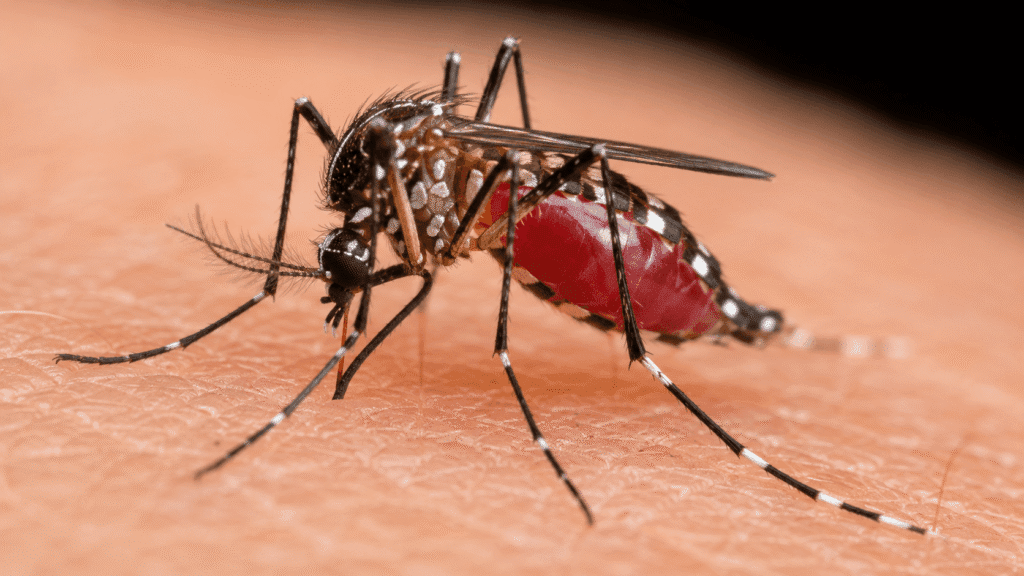
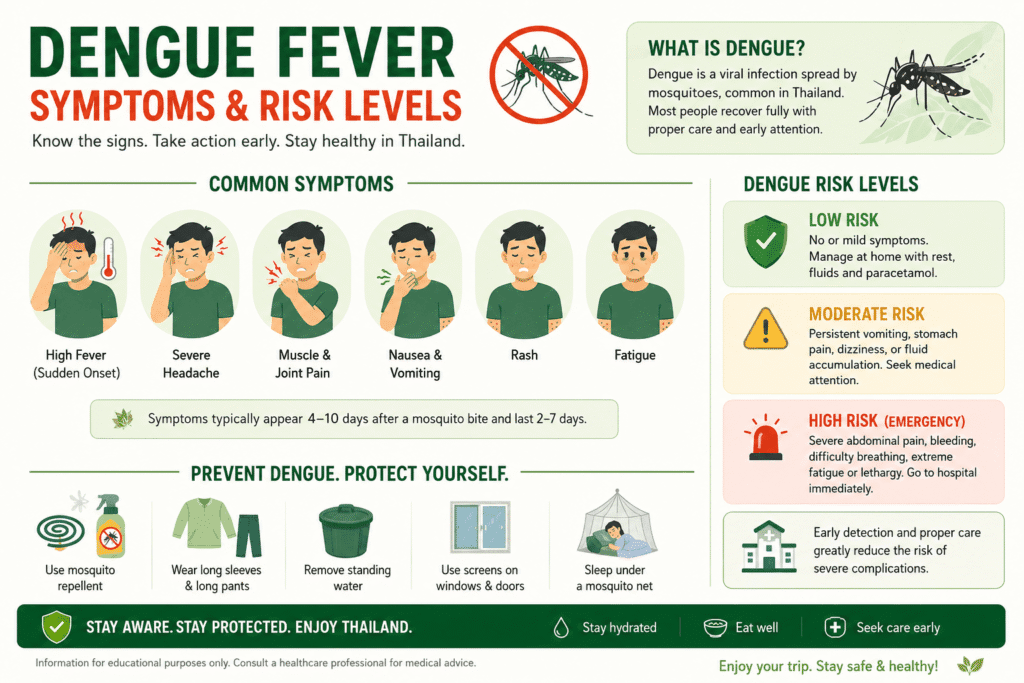
Thailand has mosquitoes. Lots of them. And some of those mosquitoes carry diseases. Dengue fever and malaria are the main ones people worry about.
Here’s what you need to know. Malaria in Thailand is actually pretty rare in the areas tourists visit. Bangkok has almost no malaria risk. Chiang Mai has minimal risk. The risk exists in rural areas and jungle regions, but most tourists aren’t spending two weeks in the jungle. If you’re doing normal tourist stuff, malaria risk is low.
Dengue fever is more common. It’s spread by mosquitoes that bite during the day (unlike malaria mosquitoes that bite at night). You can get dengue in Bangkok. You can get it in Chiang Mai. You can get it almost anywhere in Thailand. But here’s the thing: most people who get dengue don’t even realize they had it. It feels like a bad flu. It goes away. You recover.
Yes, dengue can be serious. Severe dengue (dengue hemorrhagic fever) is rare but can be dangerous. However, severe dengue usually only happens if you’ve had dengue before and get infected again. If it’s your first time, your risk of severe dengue is very low.
So what’s the actual risk? If you spend two weeks in Thailand, your chance of getting dengue is maybe 1 to 3 percent. If you get it, your chance of it being severe is extremely low. Not zero, but extremely low.
What You Actually Do About Mosquitoes
This is the important part. You can massively reduce your mosquito exposure with simple strategies.
Use mosquito repellent. DEET-based repellents work best. Use something with at least 20 to 30 percent DEET. Spray it on exposed skin and reapply every few hours if you’re sweating or swimming. Most people who get dengue didn’t use repellent consistently. It’s not complicated. Spray yourself. Don’t get bitten. Problem solved.
Wear long sleeves and pants in the early morning and late afternoon when mosquitoes are most active. You don’t have to do this all day. Just the high-risk times. Early morning coffee? Wear sleeves. Evening exploring? Wear long pants. During the hot afternoon? Shorts and a tank top are fine.
Stay in accommodations with good screens or AC. Most hotels in Thailand have AC. When you’re sleeping, keep windows closed or use mosquito nets. Dengue mosquitoes bite during the day, but malaria mosquitoes bite at night. Both are prevented by staying in air-conditioned rooms or using nets.
That’s it. Repellent, long clothes during peak times, staying indoors at night. You’re basically eliminating your risk.
Do You Actually Need Malaria Pills?
If you’re staying in Bangkok and Chiang Mai and regular tourist areas, you don’t need them. If you’re going to remote jungle areas or staying overnight in rural regions, talk to your doctor about prophylaxis. Most tourists don’t need it.
Stomach Issues: The Real Concern Most People Don’t Talk About
Okay, here’s what actually gets most tourists. Not dengue. Not malaria. Stomach problems.
You arrive in Thailand. You eat incredible street food. Your stomach is not used to the bacteria in Thai street food. The next day you have diarrhea. Or food poisoning. Or just general stomach upset.
This happens to maybe 30 to 40 percent of tourists. It’s not dangerous. It’s just uncomfortable. And it sucks when it happens because you’re supposed to be exploring but instead you’re spending time in the bathroom.
Here’s why it happens. Your gut bacteria in America is totally different from Thai gut bacteria. Thai food has bacteria that’s harmless to Thais but your American gut doesn’t recognize. Your stomach freaks out. Your body tries to get rid of it. Hence the diarrhea.
It’s not the food being dirty. Thai street food is actually very safe and hygenic. It’s just that your stomach isn’t used to it.
Prevention Strategy 1: Stick to Bottled Water
Drink bottled water only. Not tap water. Not ice in drinks unless the ice is clearly made from bottled water. Not tap water for brushing teeth. This alone prevents most stomach issues. Why? Because tap water bacteria is what your stomach isn’t used to. Bottled water is bottled water. Your stomach is fine with it.
Prevention Strategy 2: Start Slow with Street Food
Don’t eat ten different street food items on day one. Try one. See how your stomach feels. The next day try another. Your stomach adapts. By day three or four, you’re eating street food constantly with no issues.
Prevention Strategy 3: Be Smart About Raw Vegetables
Avoid salads and raw vegetables from unknown sources. Cooked food is safer. This isn’t because Thai food is bad. It’s because of how vegetables are washed and prepared. Stick to cooked food and you’re safe.
Prevention Strategy 4: Hand Hygiene Matters
Use hand sanitizer before you eat street food. Or wash your hands. You’d be surprised how many people get stomach issues from contaminated hands, not contaminated food.
Prevention Strategy 5: Take Probiotics
Take probiotics before you go and during your trip. Seriously. This actually helps. Probiotics introduce good bacteria to your gut and help your stomach adjust faster. Take them for a week before you leave and for the first week you’re in Thailand. It genuinely helps.
What to Do If You Actually Get Sick
If you do get diarrhea, it’s usually fine. Drink lots of water. Take electrolyte salts or sports drinks to replace what you’re losing. Rest. It’ll be gone in 24 to 48 hours. If it lasts longer than three days or gets worse, see a doctor. Thailand has excellent hospitals with English-speaking doctors.
Other Health Concerns Worth Knowing
Sun Exposure: Underestimated and Dangerous
Thailand is close to the equator. The sun is intense. You can get sunburned in 20 minutes if you’re not careful. Use high SPF sunscreen. Reapply constantly. Wear a hat. This is not optional.
Heat Exhaustion: Your Body Needs Adjustment Time
Thailand is hot and humid. If you’re not used to it, you can get overheated and dehydrated quickly. Drink water constantly. More than you think you need. Rest in the afternoon when it’s hottest. Eat salty snacks to maintain electrolytes. Your body will adapt after a few days but be smart about it initially.
Air Quality: Check Before You Go
Bangkok sometimes has poor air quality, especially in cooler months. If you have asthma or respiratory issues, check the air quality before you go. Bring your inhaler or medications.
Travel Insurance: Actually Worth It
This is the one thing most people skip and then regret.
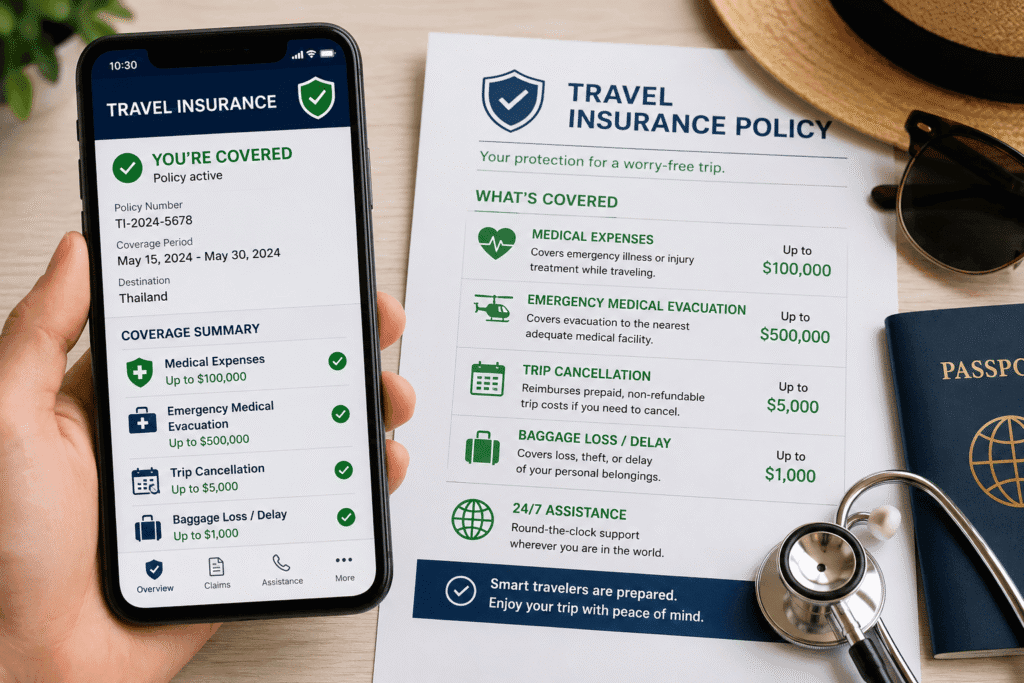
Good travel insurance with medical coverage costs maybe $30 to $50 for a two-week trip. If you get seriously sick or injured, medical costs in Thailand are cheap compared to America, but they’re still money out of your pocket.
Travel insurance covers hospital visits, emergency flights home if needed, and medication. It’s not expensive. It’s worth it for peace of mind.
What to Look For in Travel Insurance
Get insurance that specifically covers pre-existing conditions if you have any. Make sure it covers Thailand. Some cheap insurance excludes certain countries or activities.
The Mental Health Aspect Nobody Talks About
Here’s something that’s not on most health checklists but is actually important.
Traveling can be stressful. Jet lag messes with you. New environment stress is real. Dietary changes stress your body. Some people get homesick or anxious in unfamiliar places.
This isn’t weakness. This is normal. Knowing this helps you manage it.
Practical Mental Health Strategies
Sleep well before you go. Get on Thailand time as fast as possible. Eat familiar food sometimes, not just local food. Talk to people from home. Give yourself permission to have a quiet day if you need one.
If you have anxiety or depression that requires medication, bring enough medication for your entire trip plus extra. Don’t assume you can refill prescriptions in Thailand. Bring it all with you.
The Honest Bottom Line
Thailand is not a dangerous health destination. Millions of Americans visit every year. Most have zero health issues. Some get minor stomach problems that resolve on their own. A few get dengue or other infections but recover fine.
The key is not being paranoid but being smart. Use repellent. Drink bottled water. Eat smart. Stay hydrated. Get travel insurance. Get necessary vaccinations before you go (your doctor will advise).
If you do get sick, Thailand has excellent medical care. Doctors speak English. Hospitals are clean and modern. It’s not scary.
You spent two grand on this trip. Protecting your health is protecting your investment. It’s not paranoia. It’s smart travel.
Go to Thailand. Enjoy it. Take reasonable precautions. And stop worrying.