Last updated: October 2026
The first time I visited Hunza, I went in May. Everyone talks about the cherry blossom, so of course I missed it by about three weeks. The trees had already leafed out, the valley was green, and I still thought it was the most beautiful place I had ever seen. Then a friend showed me photographs of the same terraces in late October — every poplar and apricot tree turned gold — and I understood that Hunza isn’t a place you visit once. It’s a place you visit by season.
So when is the best time to visit Hunza Valley? The honest answer is that it depends on what you want: pink blossom valleys in spring, long trekking days and open mountain passes in summer, or the famous golden autumn. Winter is a fourth Hunza entirely — silent, freezing, and not for everyone. This guide walks through every month with real Karimabad temperatures, road status for the Hunza Valley‘s lifeline, the Karakoram Highway, and what each season actually feels like on the ground.
Heads up: a few links below are affiliate links. If you book or buy through them, I may earn a small commission at no extra cost to you. It helps keep this site running.
The Short Answer
- Best overall: mid-April to May (blossom then green spring) and mid-October (peak autumn colour)
- Best for trekking and Khunjerab Pass: June to September
- Best for avoiding crowds: March and November — cold edges, empty roads
- Hardest months: December to February, when temperatures drop far below zero and the pass can close with snow
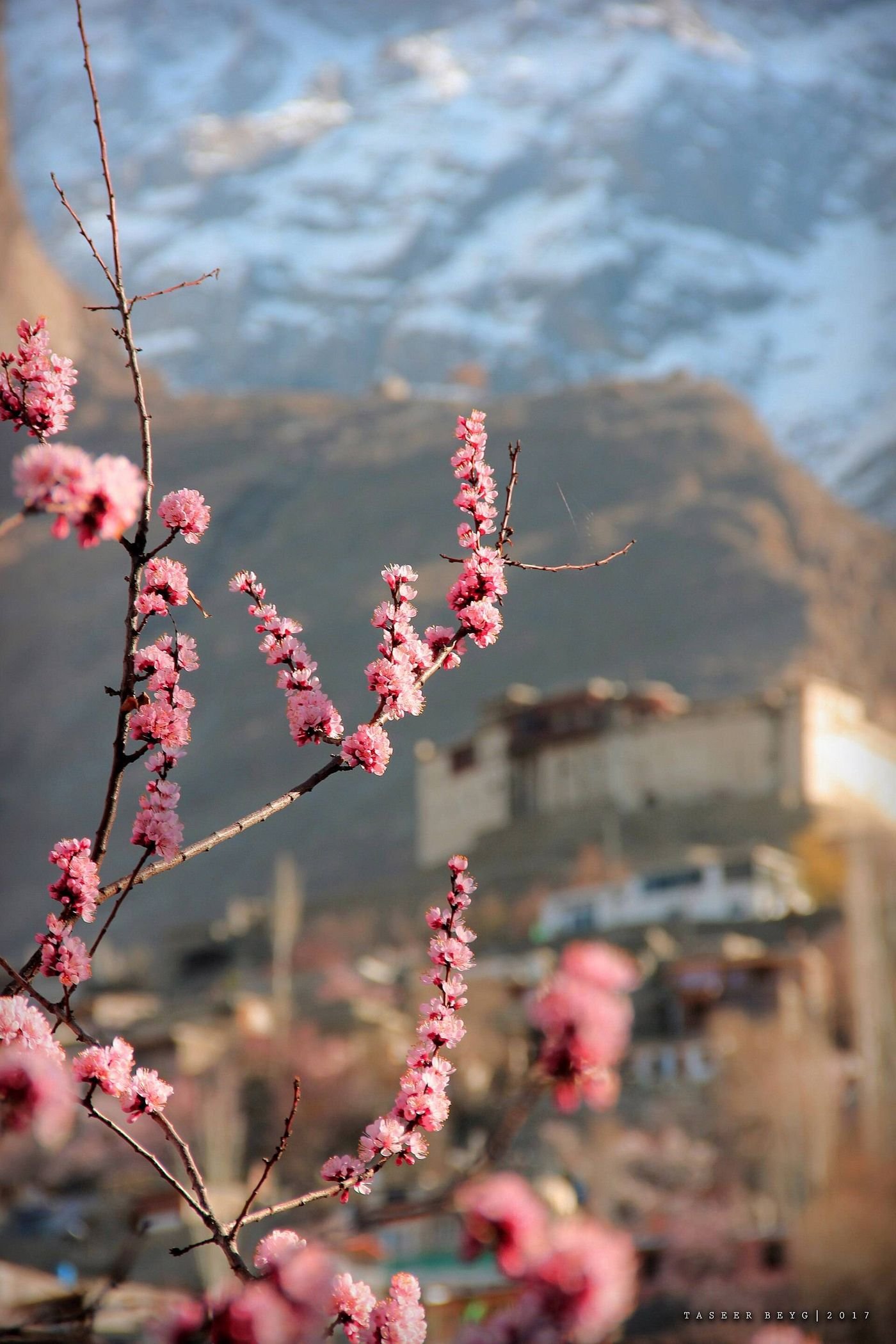
Hunza Valley Month by Month: Temperatures and Road Status
These are typical daytime and night-time temperatures for Karimabad (about 2,500 m). Villages higher up — Passu, Gulmit, Khunjerab — run several degrees colder, and weather in the Karakoram can change within the hour in any month.
| Month | Karimabad day / night | Conditions | Highlights | Khunjerab & roads |
|---|---|---|---|---|
| January | -3° / -13°C | Snow, frozen side roads | Empty valley, snow scenery | Pass snow-dependent |
| February | 0° / -10°C | Deep winter | Solitude, clear skies | Check road status first |
| March | 8° / -2°C | First blossom mid-month | Navroz (21 Mar), early blossom | KKH open; Khunjerab officially year-round, road snow-dependent |
| April | 15° / 4°C | Peak blossom early–mid April | Blossom season at its best | Pass typically reopens late April, snow permitting |
| May | 20° / 8°C | Green terraces, mild | Spring festivals, easy travel | Pass open |
| June | 25° / 12°C | Warm, long days | Trekking season starts, cherries | Pass open |
| July | 28° / 15°C | Warmest month, some rain | Apricot harvest, peak tourism | Pass open; watch for landslides in rain |
| August | 27° / 14°C | Warm, monsoon edges | Fruit season, busy roads | Pass open; landslide risk after heavy rain |
| September | 23° / 10°C | Clearing skies, cooler nights | Best trekking light, fewer crowds | Pass open |
| October | 18° / 4°C | Autumn colour peaks mid–late Oct | Golden Hunza, harvest, crisp air | Pass open until late Oct / first heavy snow |
| November | 11° / -1°C | Colour fades, cold returns | Quiet valley, low prices | Higher side roads closing; Khunjerab a weather gamble |
| December | 3° / -8°C | Winter begins | Snow scenes, total quiet | Winter conditions on all high roads |
Temperature ranges cross-checked against the Karimabad climate averages published by Northern Discover; Khunjerab moved to year-round operation in December 2024 — always confirm current road status before travelling, as snow above Sost can close it at short notice.
When Is Cherry Blossom Season in Hunza?
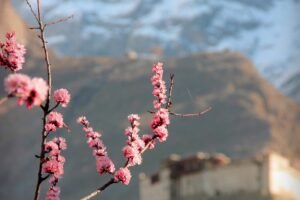
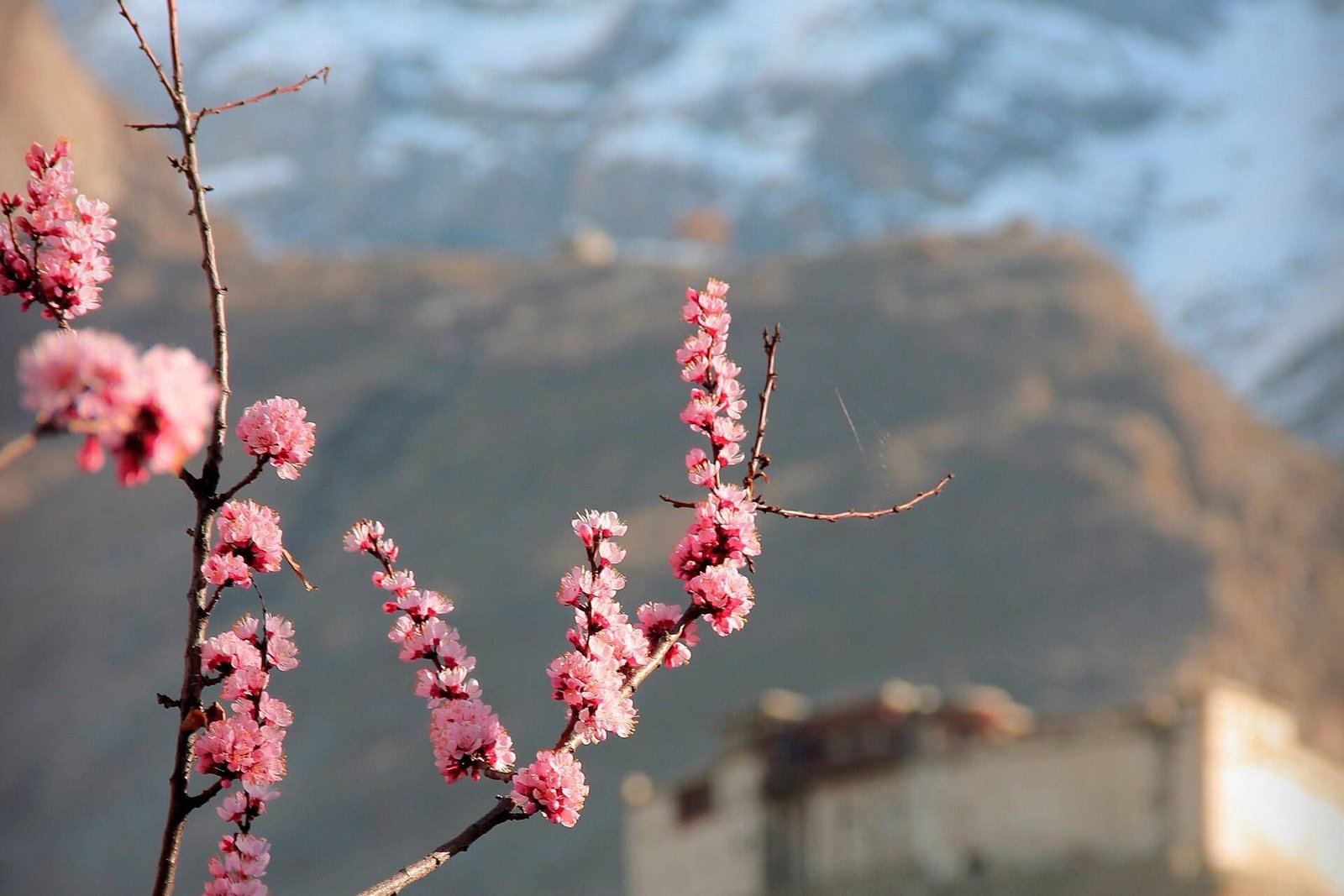
Blossom is the season that made Hunza famous on social media, and it is genuinely spectacular — apricot, cherry, almond, apple and peach trees flowering across the terraces while the peaks are still white. In Karimabad and the lower valley it usually peaks in early to mid-April; higher villages like Gulmit and Passu flower one to two weeks later. In a warm year the first blooms can appear in mid-March, which is also when the valley celebrates Navroz — if you want the cultural side of spring, my guide to the festivals of Gilgit-Baltistan covers what to expect.
Two honest warnings. Blossom is brief — a week of wind or rain can strip the trees — and it is no longer a secret, so Karimabad gets busy and room rates climb. Book early, and give yourself at least four nights so a late bloom doesn’t ruin the trip.
Is Summer a Good Time to Visit Hunza? (June to September)
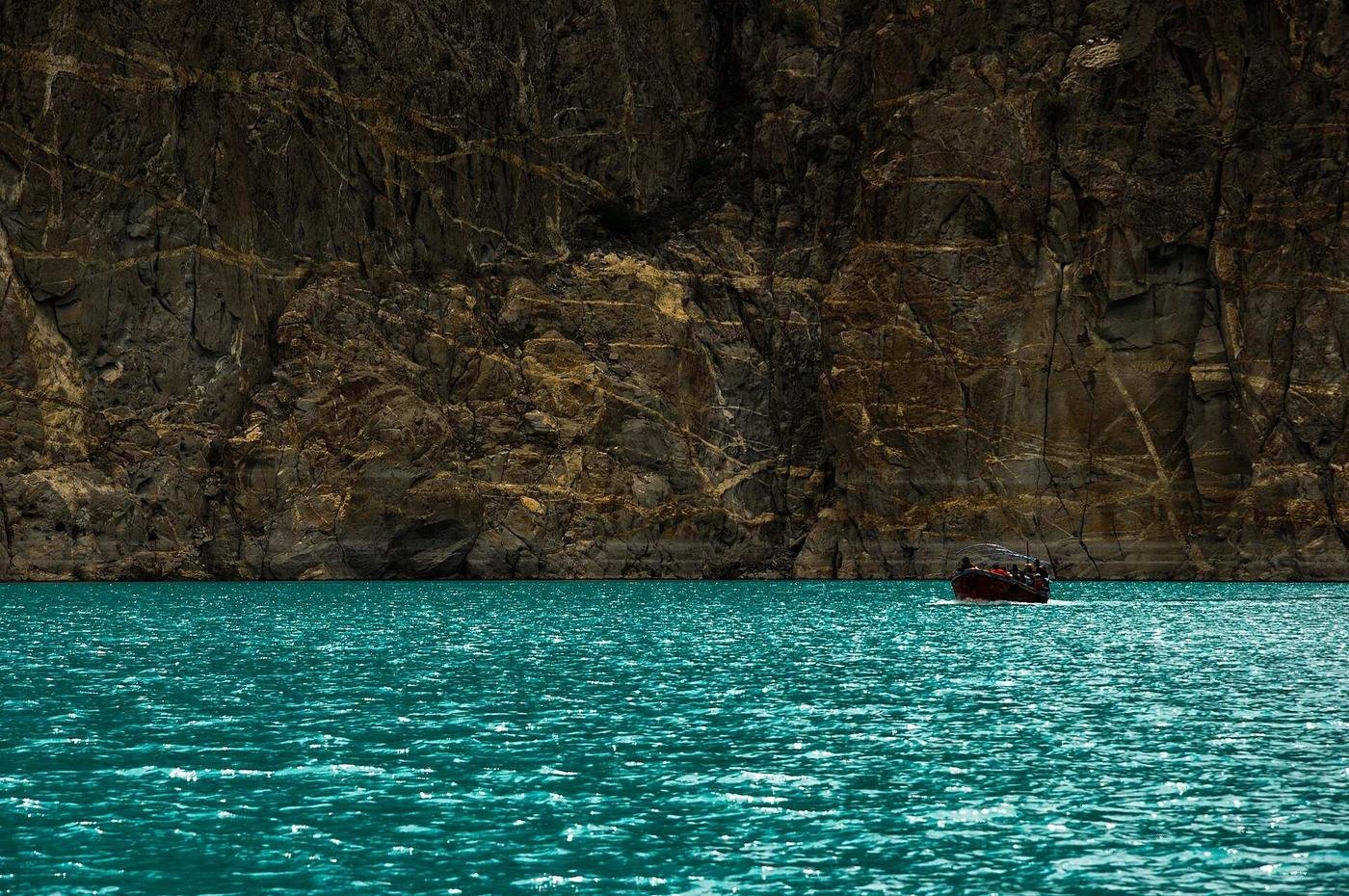
Summer is Hunza’s high season, and for good reason. The Khunjerab Pass is open, every trekking route is accessible, boats are running on Attabad Lake, and the valley produces an almost absurd amount of fruit — cherries in June, apricots in July and August. Days in Karimabad reach the high twenties, though it never feels oppressively hot at this altitude, and nights stay cool enough for a light jacket.
The trade-offs are crowds and the July–August rain window. The Karakoram sits mostly in a rain shadow, but heavy monsoon rain further south can trigger landslides that close sections of the Karakoram Highway for hours or days. Build a buffer day into any summer itinerary. If you’re basing yourself in Karimabad, my review of the Best Western Premier in Karimabad covers the town’s most comfortable option, and trekkers heading further should cross-check gear against our K2 base camp trek packing list — the layering advice applies to Hunza’s high trails too.
My pick of the summer months is September: the crowds thin, the air turns crystal clear, the pass is still open, and the first hints of autumn colour appear by month’s end.
When Do the Autumn Colours Peak in Hunza?
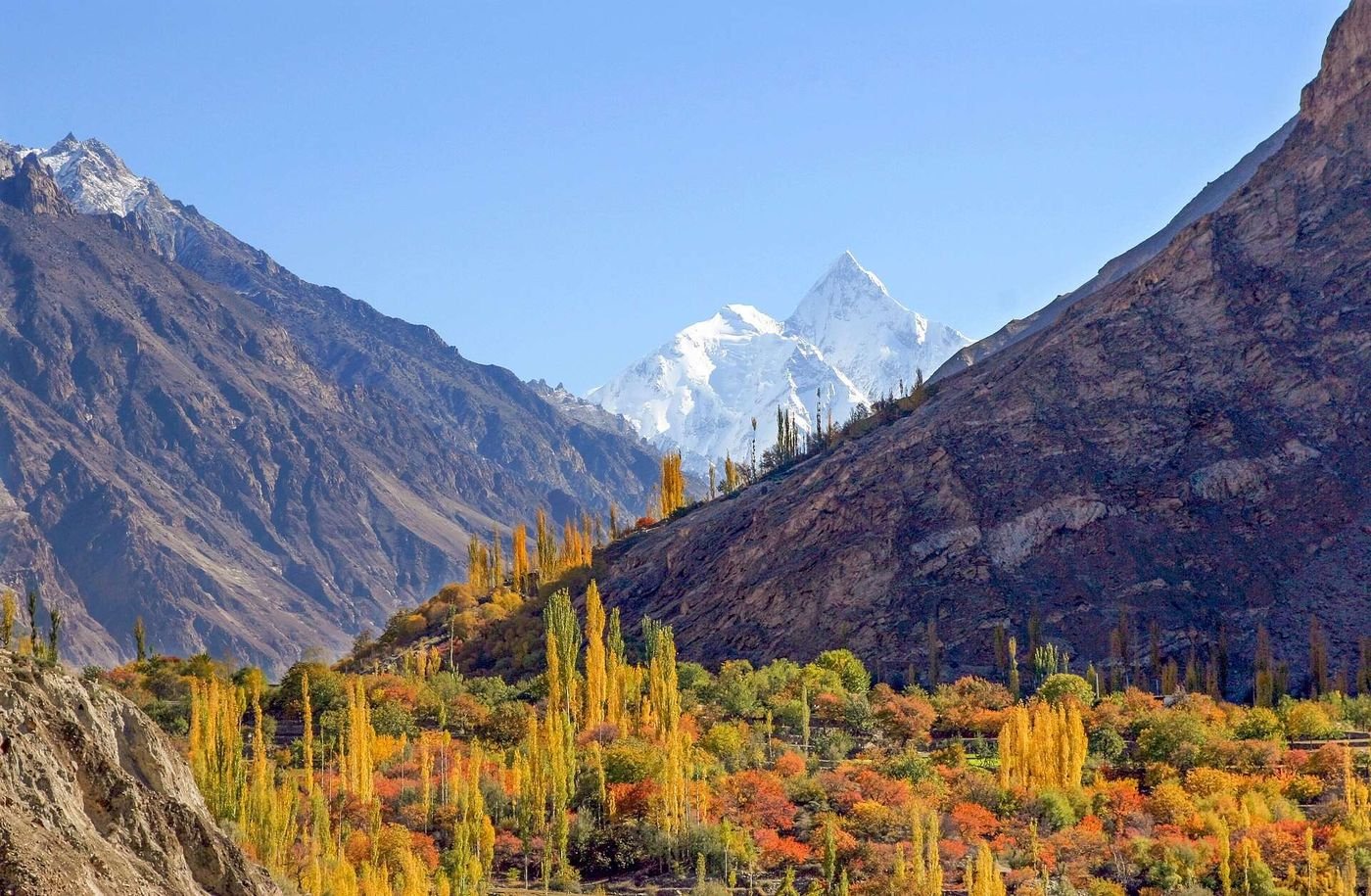
This is the season that changed my mind about Hunza. From about mid-October, the poplars turn first — long golden exclamation marks along every road — followed by apricot and cherry trees in orange and red, all of it lit by low autumn sun against fresh snow on Rakaposhi. The peak usually holds for two to three weeks before the leaves fall in early November.
Autumn crowds are smaller than blossom season, the light is better for photography, and the harvest food — walnuts, dried apricots, fresh apples — is at its best. If photography is the point of your trip, it is worth carrying a proper camera rather than relying on a phone; the valley’s contrast defeats small sensors. Current mirrorless cameras for travel photography on Amazon are a good place to compare options.
What Is Winter in Hunza Really Like?
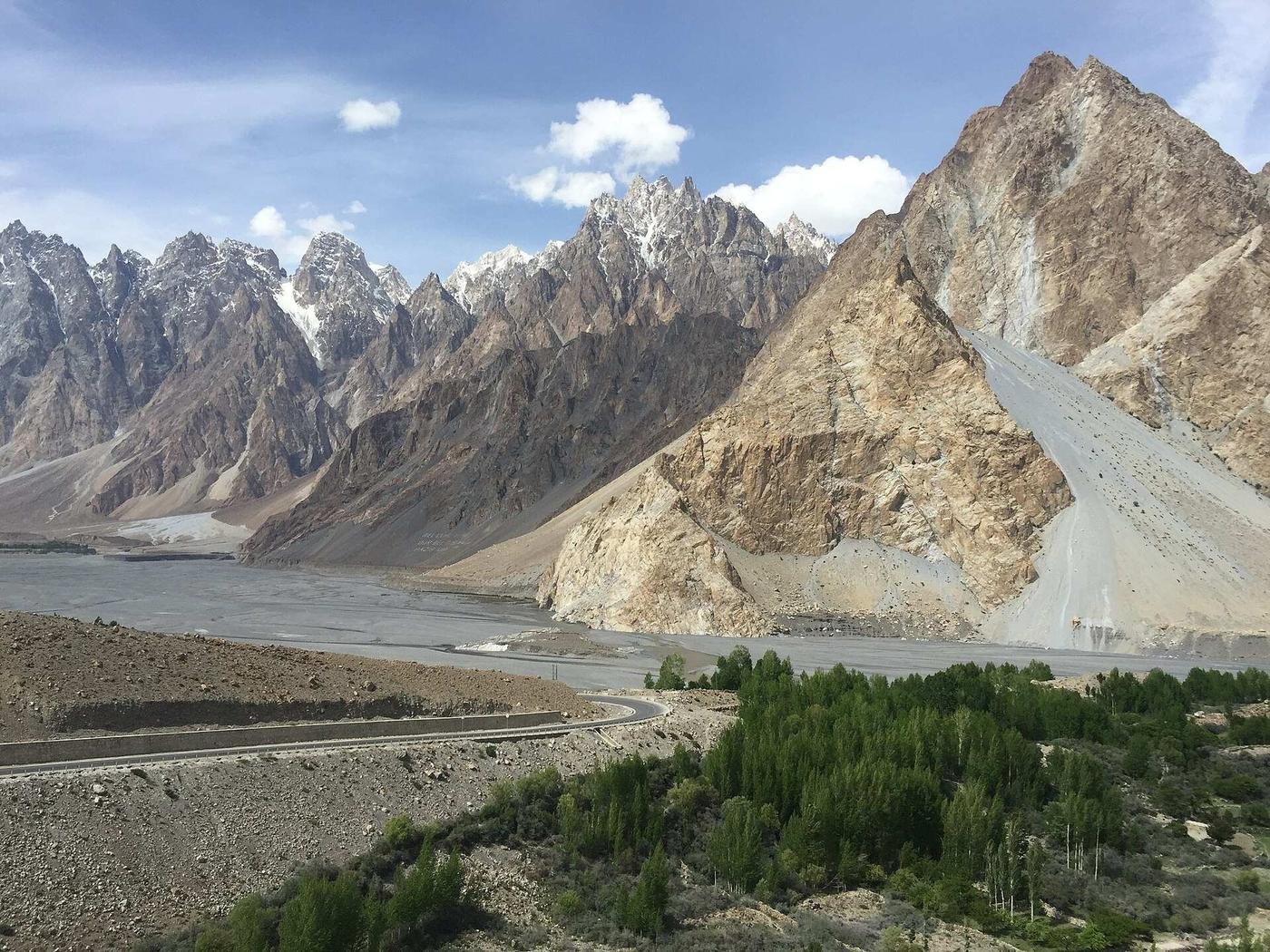
Winter Hunza is beautiful and serious in equal measure. Temperatures in Karimabad fall well below freezing from December to February, higher villages sit under snow, and the Khunjerab Pass officially moved to year-round operation in December 2024, though the road above Sost can still close with snow at short notice — my background guide to the Khunjerab Pass explains how the crossing works when it is open. Hotels thin out to a handful of winter-ready options, heating is a real consideration, and short days limit sightseeing.
Who should come? Photographers chasing snow-covered forts, travellers who want the valley entirely to themselves, and anyone combining the trip with winter festivals in the region. Everyone else should treat a first winter visit with respect: proper insulation layers, a flexible schedule, and a 4×4 for side roads.
How Many Days Do You Need in Hunza?
Three days covers Karimabad’s forts and viewpoints in a rush. Five to seven days is the sweet spot: a day for Baltit and Altit forts, a day up to Attabad Lake and the Passu Cones, a day for the Khunjerab Pass when it’s open, an evening at Duikar for sunset, and slack for weather. With ten days you can add Nagar Valley and a proper trek without hurrying.
Whatever the season, pack for a 15-degree swing between day and night — my essential packing list for Gilgit-Baltistan has the full rundown. Two items earn their place on every trip: a high-capacity power bank, because long KKH days drain phones (the Anker PowerCore on Amazon is the one I carry), and a proper multi-country adapter if you’re arriving from abroad — see our tested guide to the best travel power adapter for multiple countries.
So, When Should You Go?
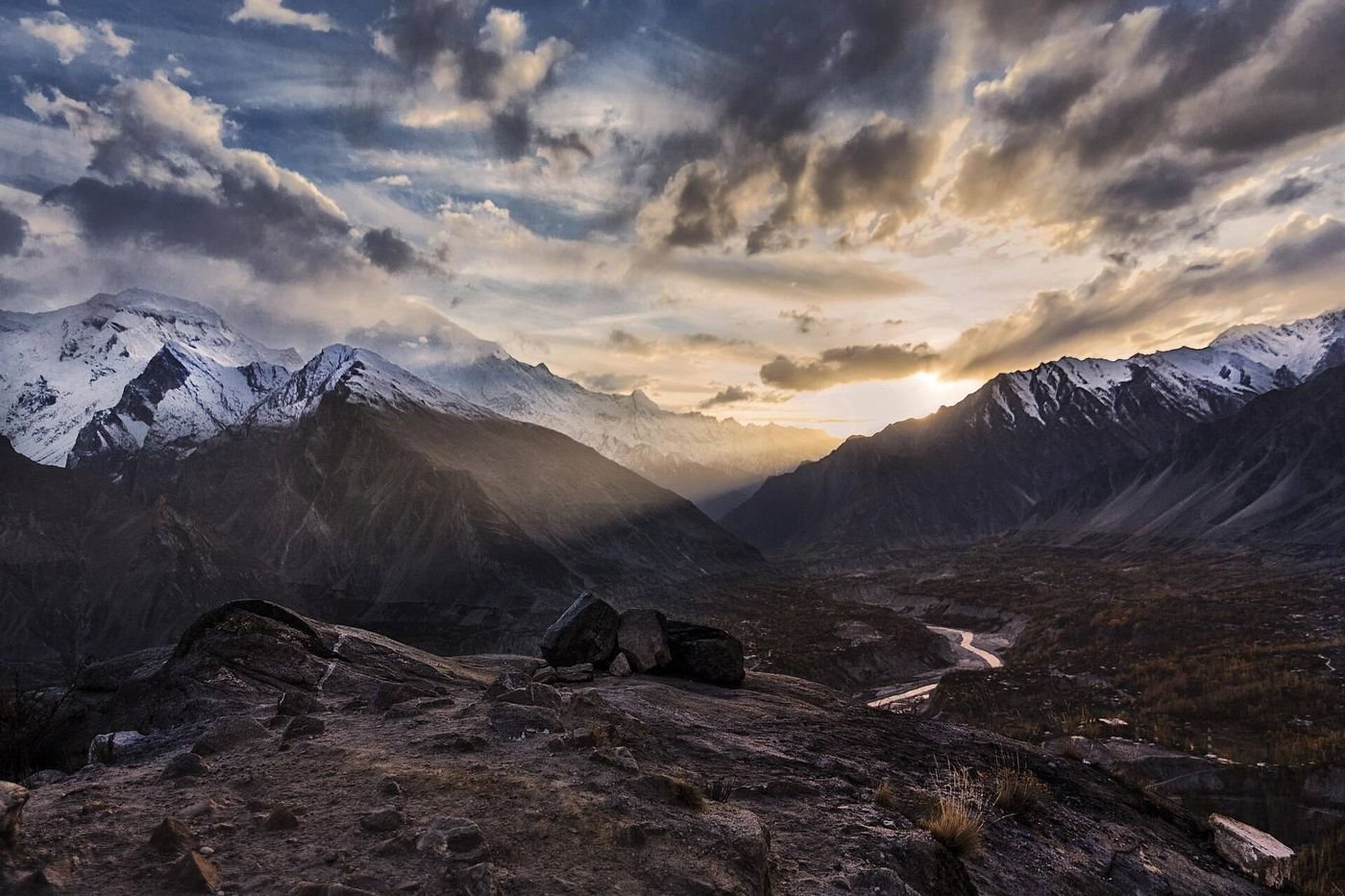
If you can only pick one window, make it mid-to-late October for the colour, or early-to-mid April for the blossom. If your heart is set on Khunjerab and high trails, come between June and September and keep a buffer day for the road. And if you ever get the chance to see Hunza under snow, take it — just pack like you mean it. Whichever season you choose, the valley has a habit of making visitors plan their second trip before the first one ends.
If you’re travelling on into November, our month-specific guide to a November visit to Hunza, Nagar and Skardu covers that quieter shoulder season in detail.
Frequently Asked Questions
What is the best month to visit Hunza Valley?
For most travellers, April (blossom) and October (autumn colour) are the best months. October offers the famous golden foliage with fewer crowds and crisp, clear weather; April brings cherry and apricot blossom. For trekking and the Khunjerab Pass, June to September is best.
When does the Khunjerab Pass open?
The Khunjerab Pass is officially open year-round since December 2024. May to October is still the dependable window for a day trip; in winter the road above Sost can close with snow at short notice, so always confirm the current road status before travelling.
How cold does Hunza get in winter?
In Karimabad, January nights average around -13°C and can drop lower, with daytime highs near -3°C. Higher areas like the Khunjerab Pass are far colder. Winter visitors need serious cold-weather clothing and should confirm their hotel has reliable heating.
Is Hunza safe to visit in the rainy season?
Hunza itself receives little rain, but heavy monsoon rain in July and August can trigger landslides on the Karakoram Highway south of the valley, occasionally closing the road for hours or days. Travel with a buffer day, check road status daily, and avoid night driving in heavy rain.
How many days are enough for Hunza Valley?
Five to seven days is ideal for a first visit: Karimabad’s forts, Attabad Lake, Passu, a Khunjerab day trip when the pass is open, and a sunset at Duikar. Three days is a rushed minimum; ten days lets you add Nagar Valley and trekking.