Short Answer
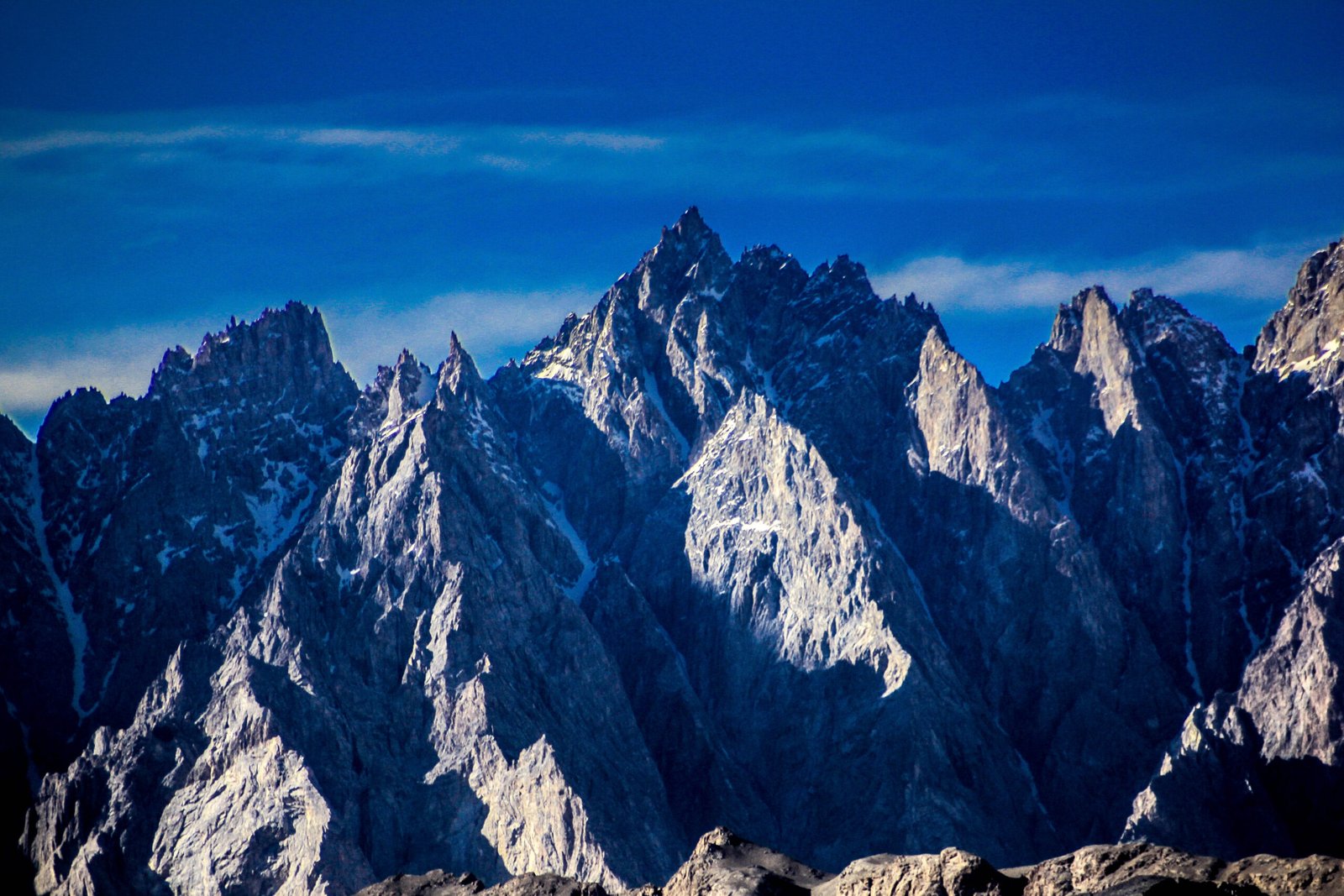
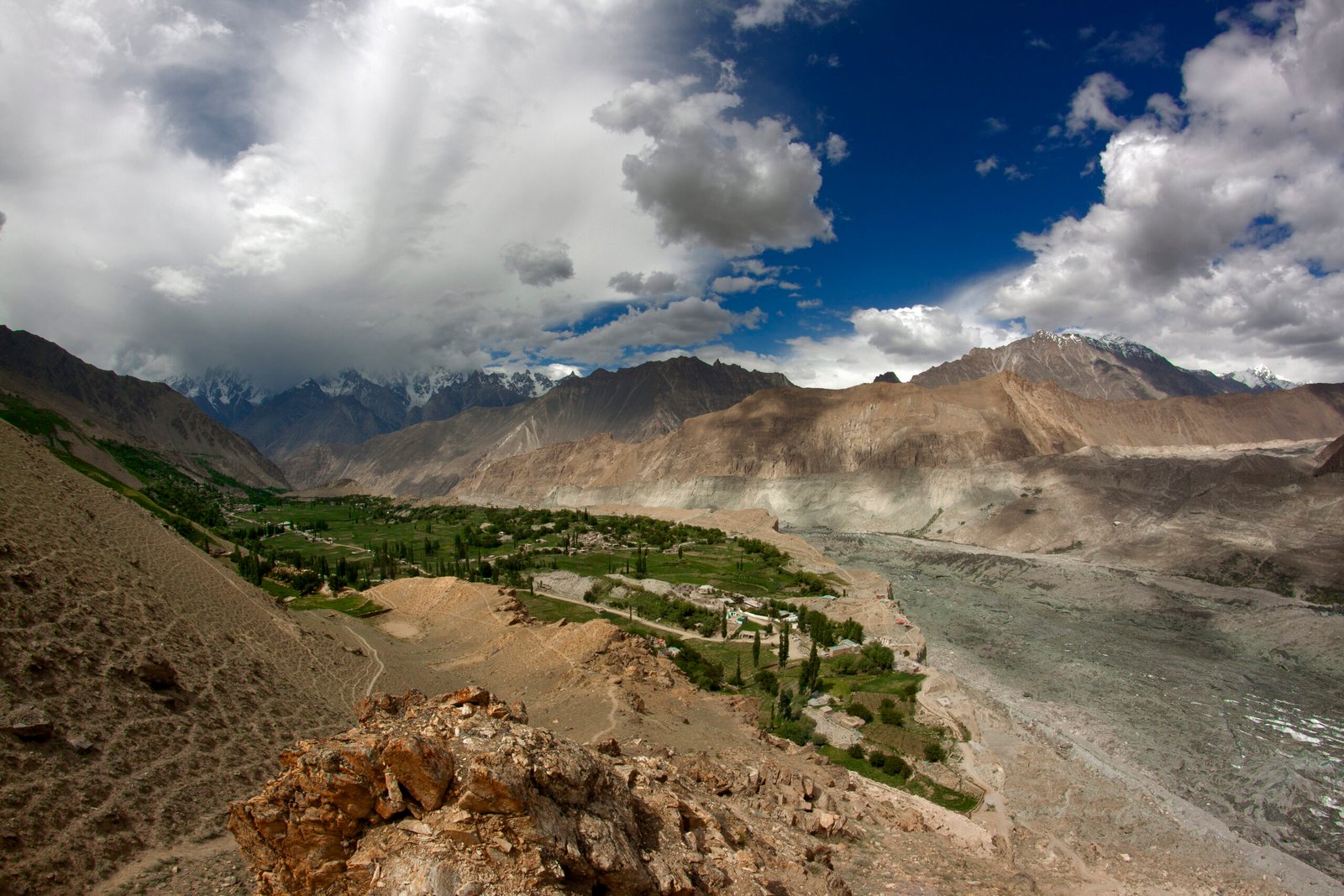
Hoper Valley (also spelled Hopar or Hopper) is Nagar District’s quiet side: a green valley of apricot orchards and stone villages that ends at one of the few Karakoram glaciers you can walk to in a day. Come for the Hoper (Bualtar) Glacier snout, village stays in Hoper and Minapin, and the approach to Rush Lake — one of the world’s highest alpine lakes at 4,694 m — for serious trekkers. Allow two days for the valley itself, and four to five days on top if you are trekking to Rush Lake. The valley season is May to October; the Rush Lake trek is a June-to-September undertaking.
Where Hoper sits
Hoper Valley lies in Nagar District, on the north side of the Hunza River opposite Hunza’s central valley. From the Karakoram Highway (KKH), the road crosses into Nagar and climbs through Minapin — the village below Rakaposhi Base Camp — to Hoper village at about 2,800 m. Hoper is the end of the road and the start of the trekking country: beyond the village, the Hoper Glacier (also called the Bualtar Glacier) and the Barpu Glacier lead toward Rush Lake and the Hispar region.
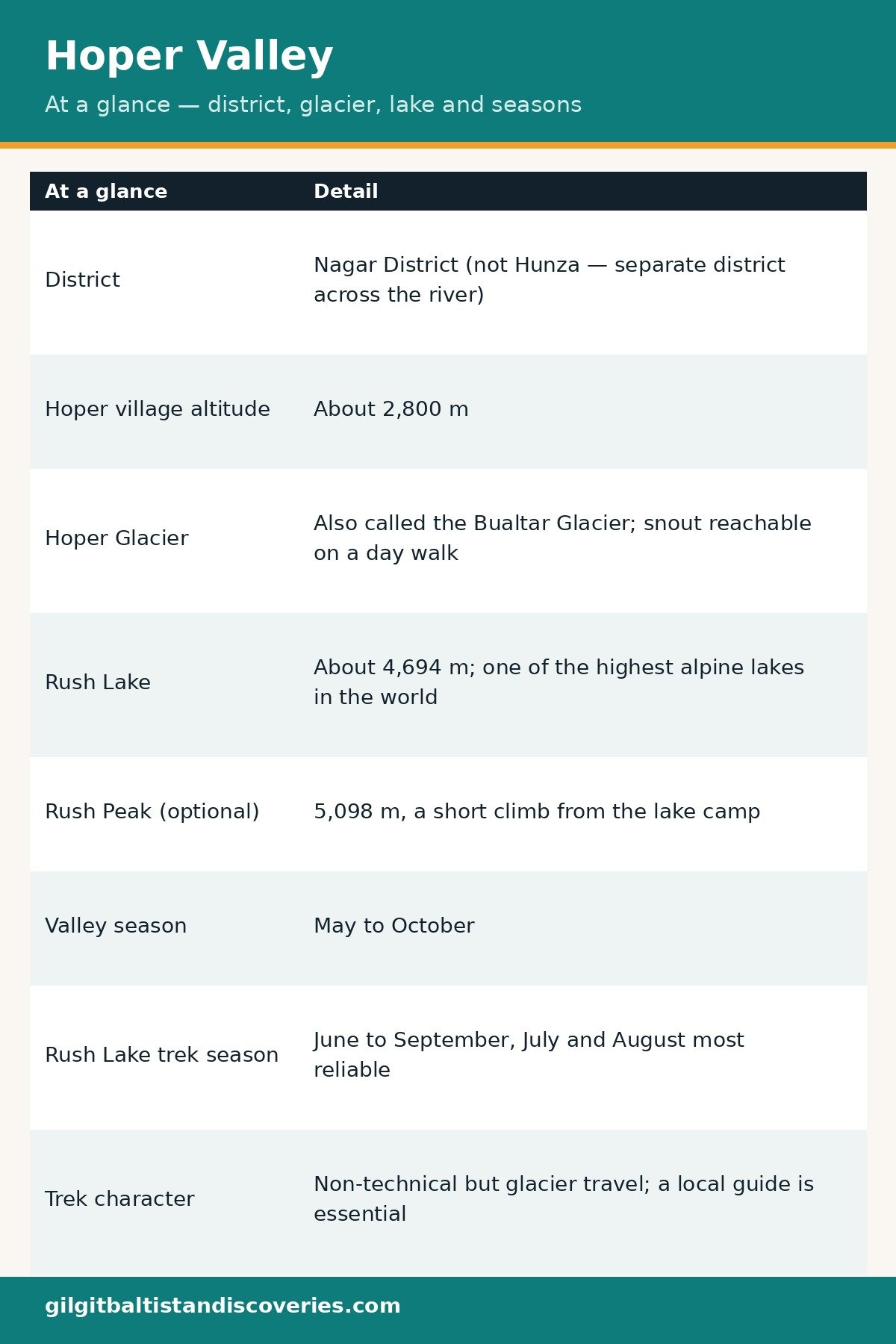
| Hoper Valley at a glance | Detail |
|---|---|
| District | Nagar District (not Hunza — separate district across the river) |
| Hoper village altitude | About 2,800 m |
| Hoper Glacier | Also called the Bualtar Glacier; snout reachable on a day walk |
| Rush Lake | About 4,694 m; one of the highest alpine lakes in the world |
| Rush Peak (optional) | 5,098 m, a short climb from the lake camp |
| Valley season | May to October |
| Rush Lake trek season | June to September, July and August most reliable |
| Trek character | Non-technical but glacier travel; a local guide is essential |
The Hoper Glacier day walk
What makes it special
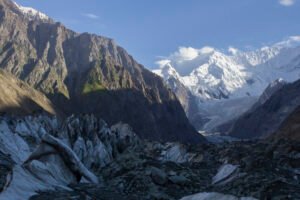
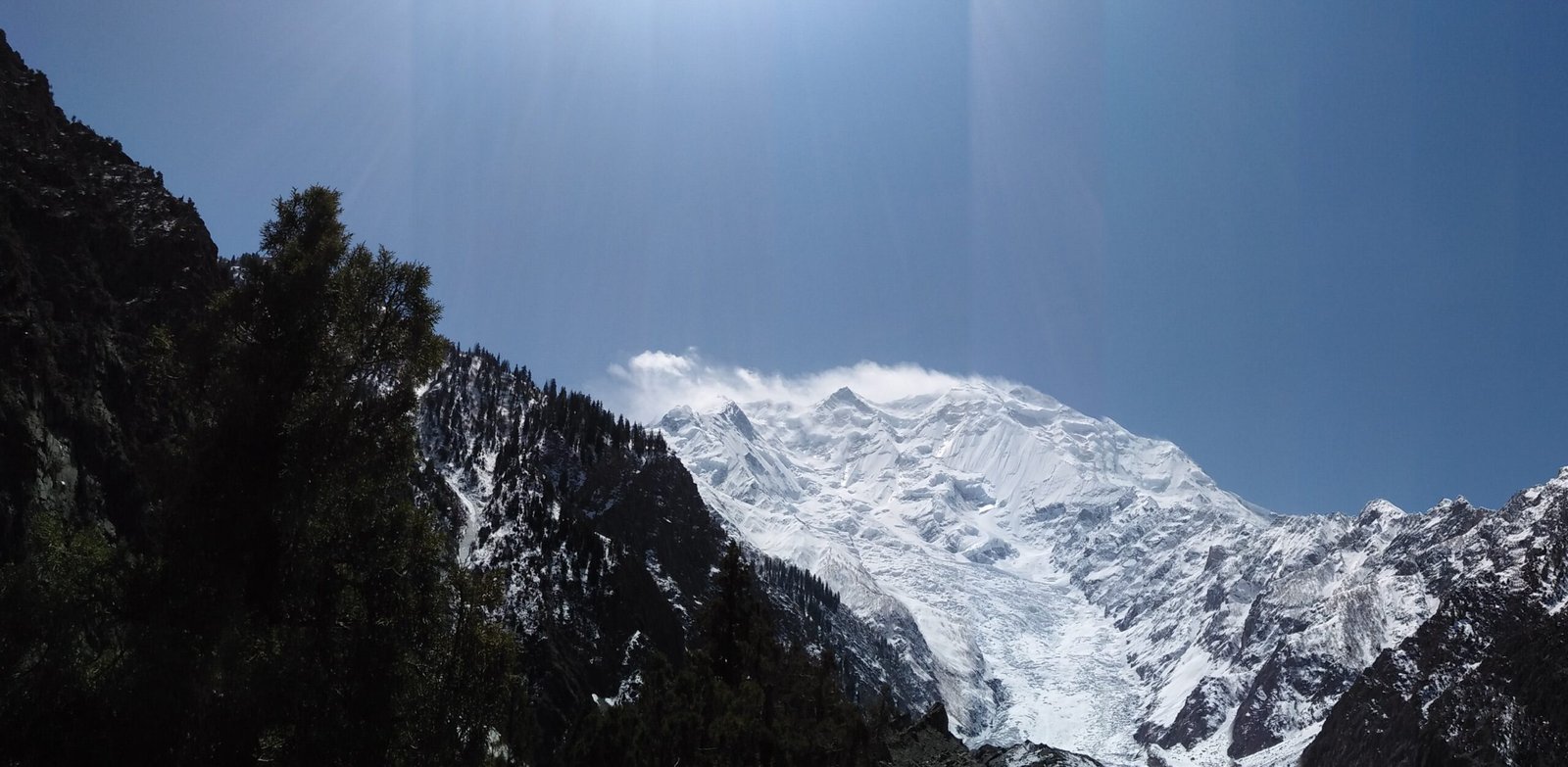
The Hoper Glacier is one of the few glaciers in the Karakoram whose snout you can reach on a day walk from a village, without a multi-day expedition. From Hoper village, a jeep track and then a walk across moraine bring you to the active ice — black, debris-covered ice that groans and shifts, with the white glacier behind it. Allow a full day, go with a local guide, and do not step onto the ice unguided: crevasses hide under debris, and the safe line changes every season.
Minapin on the way
Minapin village, below Hoper on the same road, is the start of the Rakaposhi Base Camp trek and a good overnight stop in its own right: terraced fields, apricot orchards and a direct view of Rakaposhi (7,788 m). The Rakaposhi viewpoint on the KKH at Ghulmet, further down the valley, is the classic postcard stop for drivers passing through Nagar.
Rush Lake: the trek above Hoper
The route in brief
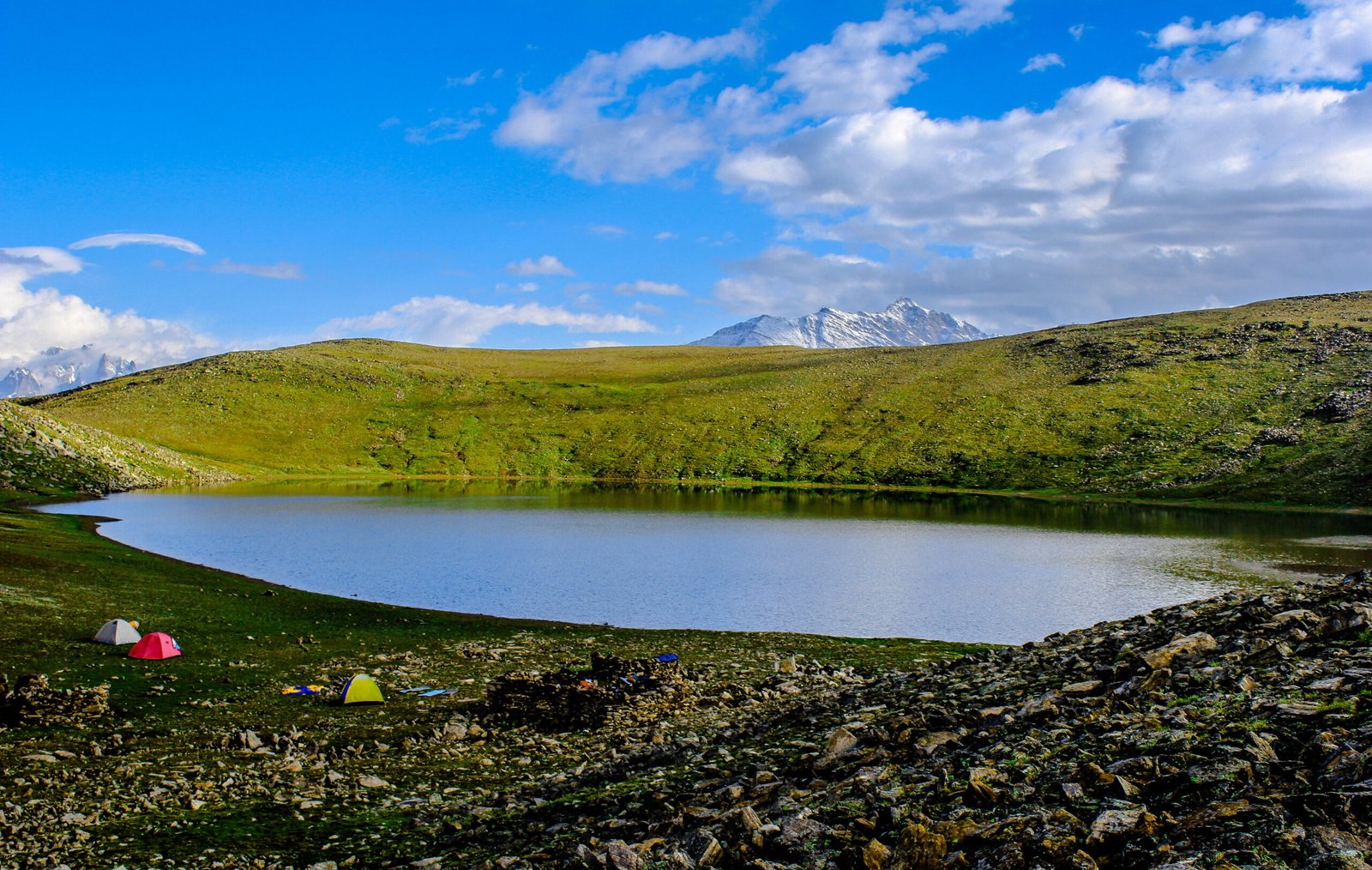
Rush Lake sits at about 4,694 m above Hoper Valley, beneath Rush Peak (5,098 m). The trek from Hoper village crosses the Hoper (Bualtar) Glacier, climbs through the pastures of Bericho Kor, follows the Barpu Glacier moraine to Chidin Harai, and then climbs to the lake — typically four to five trekking days from Hoper, with camps at glacier-side pastures. The lake is the goal, not a day trip: the height gain from Hoper is close to 1,900 m, and the route crosses active glacier terrain.
Who it suits
Rush Lake suits fit trekkers with glacier experience or a good local guide — it is non-technical in the climbing sense, but it is not a simple lake walk, and it should never be attempted from a downloaded track alone. Spend at least two nights around Hunza or Nagar before starting, ascend conservatively, and keep a flexible schedule: weather and glacier conditions govern everything. A dedicated Rush Lake trek guide is a separate topic in this site’s queue; this valley guide covers the approach and the decision, not a day-by-day itinerary.
What you see
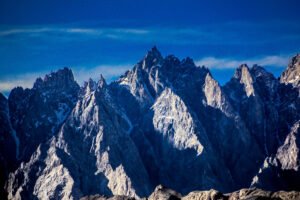
On a clear day the lake camp looks out to Spantik (7,027 m, the Golden Peak), Malubiting, Miar Peak and Phuparash, with Ultar Sar across the valley. On the clearest days, trekkers report seeing K2’s summit far to the east — a bonus, not a promise. The optional Rush Peak climb (5,098 m) from the lake camp is a short, steep morning’s work for acclimatised trekkers.
Village life in Hoper
Hoper is a working Nagar village, not a resort: stone houses, irrigation channels, apricot and cherry orchards, and a pace set by farming seasons. Guesthouses in Hoper and Minapin cover the basics — a bed, a hot meal, a guide for the next day — and that is the point. Evenings are for village walks, not nightlife. Ask before photographing people, and buy fruit and handicrafts directly from households where offered.
Where to stay and eat
Stay in Hoper village guesthouses for the glacier walk and the Rush Lake start, or in Minapin for a quieter night below Rakaposhi. Food is Nagar home cooking — chapshuro, dumplings, apricot dishes in season, and trout where available. There are no ATMs in Hoper; carry rupees from Gilgit or Karimabad. Mobile coverage is unreliable beyond Hoper village, so download maps and confirm plans before you leave the road.
Practical tips for Hoper Valley
- Two days for the valley, more for the lake: A day for the glacier walk and a day for Minapin and the villages is the minimum. Rush Lake needs its own four-to-five-day block on top.
- Guide, always, on ice: The Hoper and Barpu glaciers move every season. A Hoper-based guide is not an optional extra — it is the safety system.
- Water on the trek: Glacier streams are the water source on the Rush Lake route. Carry a filter — the Sawyer Squeeze is the site’s tested pick — and treat all stream water.
- Altitude: Hoper village at 2,800 m is a gentle start, but Rush Lake at 4,694 m is serious altitude. The site’s packing and altitude advice applies: see What to Pack for Northern Pakistan.
- Combine it: Hoper pairs naturally with Karimabad across the river (see the companion Karimabad guide) and with the Best Time to Visit Hunza Valley guide for season timing. Nagar’s own things-to-do coverage is the site’s Things to Do in Nagar Valley post.
Frequently Asked Questions
Where is Hoper Valley?
Hoper Valley is in Nagar District, Gilgit-Baltistan, across the Hunza River from central Hunza. The road from the Karakoram Highway runs through Minapin to Hoper village at about 2,800 m, where the road ends.
Can you walk to the Hoper Glacier in a day?
Yes. The Hoper (Bualtar) Glacier snout is reachable on a full day walk from Hoper village, with a local guide. Do not step onto the ice unguided — crevasses hide under debris and the safe line changes each season.
How high is Rush Lake?
Rush Lake sits at about 4,694 m above Hoper Valley, making it one of the highest alpine lakes in the world. The optional Rush Peak above it reaches 5,098 m.
When is the best time to visit Hoper Valley?
May to October for the valley, villages and glacier walk. The Rush Lake trek is a June-to-September undertaking, with July and August the most reliable months.
Is Hoper Valley in Hunza?
No. Hoper is in Nagar District. Hunza and Nagar are separate districts on opposite sides of the Hunza River, and the distinction matters for guides, permits and local contacts.
Last updated: 26 October 2026