Last updated: 31 October 2026
Short Answer
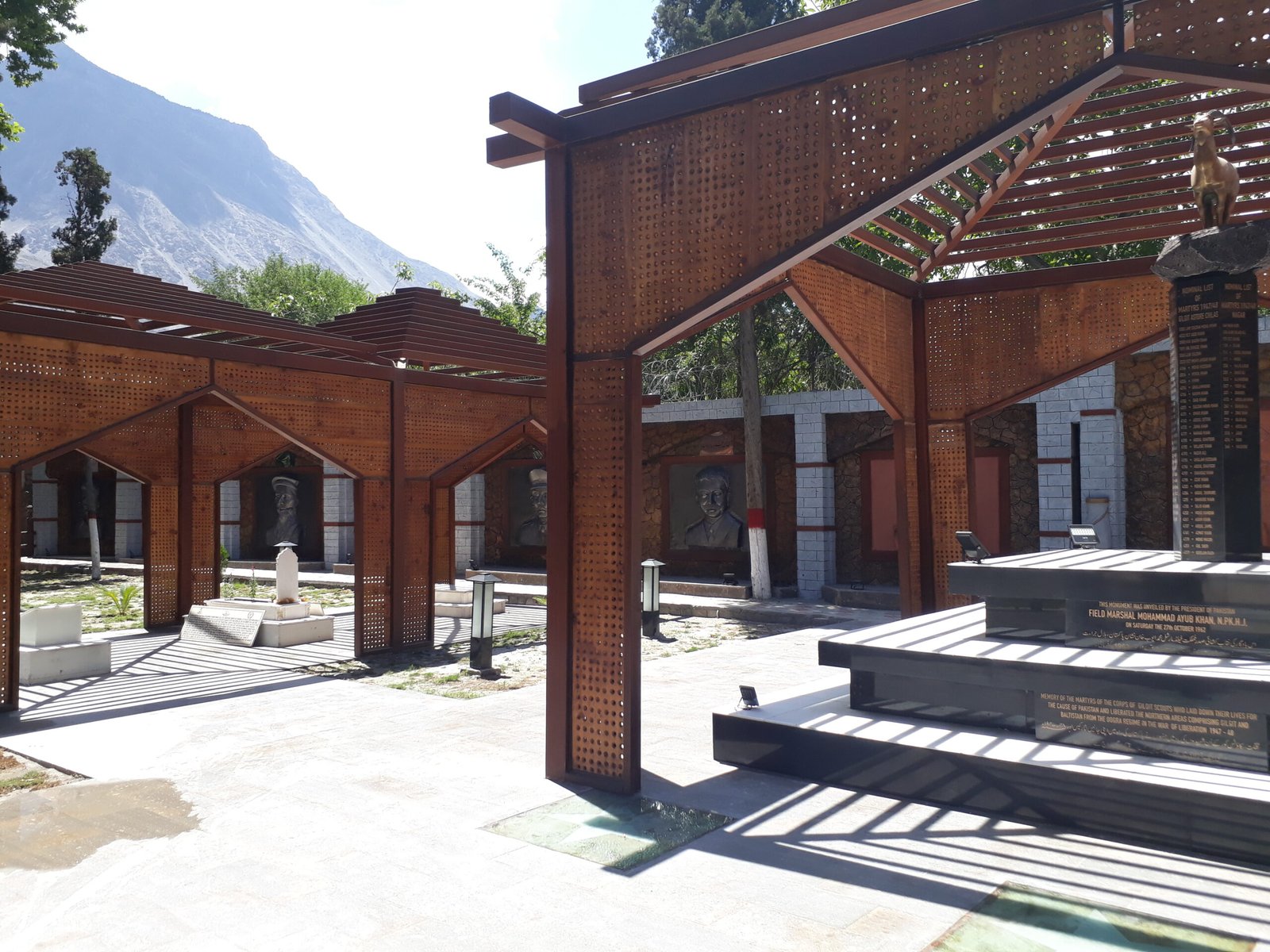
Gilgit-Baltistan Independence Day is observed every year on 1 November. It marks the day in 1947 when the Gilgit Scouts revolted against the Dogra governor of Gilgit, ended Dogra rule in Gilgit, formed a short-lived provisional government, and set the region on the path to accession to Pakistan. Tomorrow, 1 November 2026, is the 79th anniversary. In Gilgit-Baltistan it is a public holiday, and the main ceremony is held at Chinar Bagh in Gilgit, beside the Yadgar-e-Shuhada (martyrs’ memorial).
1 November at a Glance
| Fact | Detail |
|---|---|
| Date observed | 1 November every year |
| 2026 anniversary | 79th (1947 → 2026) |
| What it commemorates | The 1 November 1947 Gilgit revolt against Dogra rule, and accession to Pakistan |
| Status in GB | Public holiday |
| Main ceremony | Chinar Bagh, Gilgit, beside the Yadgar-e-Shuhada |
| What happens | Flag hoisting, parade, speeches, wreath-laying, cultural programmes, Jashn-e-Azadi polo |
| Before 2009 | Gilgit marked 1 November; Baltistan marked 14 August (Skardu’s liberation, 1948) |
| Since 2009 | 1 November is the single official date under the GB Empowerment and Self-Governance Order |
What Happened on 1 November 1947?
The story begins months earlier, in the last days of British rule. The Gilgit Agency had been leased by the British from the Maharaja of Jammu and Kashmir for 60 years in 1935, because of its strategic position on the northern frontier. As independence approached, the British ended the lease and handed the agency back to the Maharaja: on 30 July 1947 the transfer took place, and on 1 August 1947 Brigadier Ghansara Singh, appointed by Maharaja Hari Singh, assumed charge as Governor of Gilgit. The Gilgit Scouts — a local paramilitary force raised by the British in 1913, officered by British officers but manned by local men — were handed over with the territory. The local population, overwhelmingly in favour of Pakistan, did not accept the change.
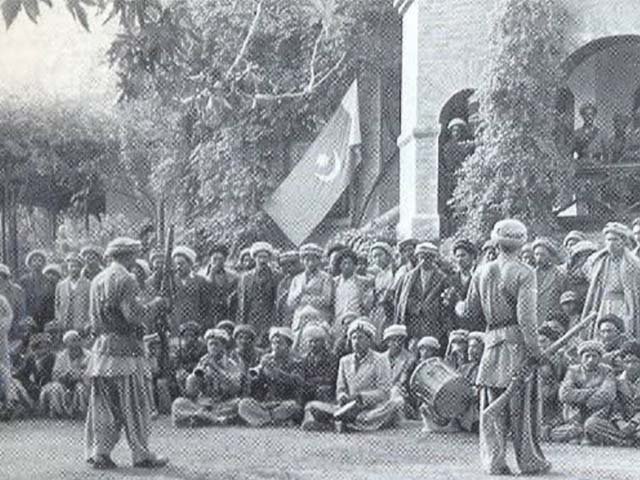
On 26 October 1947 the Maharaja signed the Instrument of Accession to India. News of it reached Gilgit on 28 October. Within days the Scouts acted. On the night of 31 October 1947, Gilgit Scouts surrounded the governor’s residence; on the morning of 1 November, Brigadier Ghansara Singh surrendered to Subedar-Major Babar Khan. The Pakistani flag was raised at the Gilgit Scout lines by Major William Alexander Brown, the Scouts’ commandant, who had planned the coup under the codename “Datta Khel”.
A provisional government was formed the same day, known as the Republic of Gilgit (some accounts call it the Islamic Republic of Gilgit — the name varies between sources). Raja Shah Rais Khan was appointed president and Captain Mirza Hassan Khan commander-in-chief. The new government immediately asked Pakistan to take over. That is why 1 November, not the later accession date, is the day Gilgit-Baltistan celebrates: it is the day Dogra rule ended in Gilgit.
The Sixteen Days: A Short-Lived Republic
The provisional government lasted roughly a fortnight — from 1 November until 16 November 1947, when Pakistan’s first political agent, Sardar Mohammad Alam Khan, arrived in Gilgit and took over the administration. Some accounts count the period as 15 days, others as 16; the dates themselves are not in dispute, only how the days are counted.
During those days the region’s other rulers moved too. Hunza and Nagar signed accession documents in November 1947 — 3 November for Hunza and 18 November for Nagar in the standard account — and Pakistan’s administration of the agency began under the Frontier Crimes Regulation. The Scouts, now reinforced, turned toward Baltistan.
One honest note for readers: historians still debate the exact balance of roles in the revolt — how much was driven by Major Brown and the British officers, and how much by the local officers such as Babar Khan and Mirza Hassan Khan, without whom the rising could not have happened. The facts of the dates, the surrender and the provisional government are well established; the debate is about who led, not about what happened.
The Road to Baltistan: Skardu, 14 August 1948
Gilgit’s liberation did not immediately free Baltistan. In the months that followed, Colonel Aslam Khan and other commanders raised a local force known as the Ibex Force — Gilgit Scouts, rebel elements of the Jammu and Kashmir State Forces, forces of Hunza and Nagar, and local veterans — and pushed into Baltistan. Skardu, Baltistan’s capital, was liberated on 14 August 1948, by Chitral Scouts and the Chitral Bodyguard under Colonel Mata-ul-Mulk. That is why Baltistan, before 2009, marked its own liberation day on 14 August, separately from Gilgit’s 1 November.
The People Behind the Day
| Person | Role in 1947 |
|---|---|
| Major William Alexander Brown | Commandant of the Gilgit Scouts; planned and led the 1 November coup (codename “Datta Khel”); later wrote “The Gilgit Rebellion” |
| Subedar-Major Babar Khan | Senior local officer of the Scouts; accepted Governor Ghansara Singh’s surrender on 1 November |
| Captain Mirza Hassan Khan | Commander-in-chief of the provisional government |
| Raja Shah Rais Khan | President of the provisional government |
| Brigadier Ghansara Singh | Dogra governor of Gilgit, appointed 1 August 1947; surrendered 1 November 1947 |
| Sardar Mohammad Alam Khan | Pakistan’s first political agent; arrived Gilgit 16 November 1947 and took over the administration |
| Prince Shah Khan of Hunza | Gilgit Scouts officer and key local leader of the liberation movement; later awarded the Sitara-e-Jurat |
From “Northern Areas” to Gilgit-Baltistan
For most of its history under Pakistan, the region was administered as the “Northern Areas” — a name that never described how its people saw themselves. That changed in 2009 with the Gilgit-Baltistan Empowerment and Self-Governance Order, which renamed the region Gilgit-Baltistan, gave it an elected Legislative Assembly and a Chief Minister, and fixed 1 November as the single official independence day for the whole region.
The region’s constitutional status is still a live question: Gilgit-Baltistan is administered by Pakistan and has a province-like setup, but it is not constitutionally a province of Pakistan, and its future is tied to the unresolved Kashmir dispute. Residents regularly raise the demand for full provincial status and representation in the National Assembly and Senate. This guide states that position factually, because a traveller who hears the demand in Gilgit should understand what it refers to — it does not take a side in the dispute.
The region covers roughly 72,500 square kilometres (about 28,000 square miles) of high mountain country, bordering China, Afghanistan and Indian-administered Kashmir.
How the Day Is Celebrated Today
The day is a public holiday across Gilgit-Baltistan, and celebrations run region-wide — in Gilgit, Skardu, Hunza, Nagar, Ghizer, Astore, Diamer, Ghanche, Shigar and Kharmang. The pattern, year after year, is:
- Morning prayers and tributes: the day opens with special prayers for the country’s integrity and prosperity, and tributes at martyrs’ memorials.
- Main ceremony at Chinar Bagh, Gilgit: the Governor and Chief Minister attend, hoist the national flag, lay a floral wreath at the Yadgar-e-Shuhada and offer Fatiha for the martyrs. Civil and military officials, war veterans and students attend.
- Parade: contingents of the Pakistan Army, the Northern Light Infantry (NLI) Centre, GB Scouts, Women Police and other units march; past years have included a helicopter flypast and a free-fall jump by commandos.
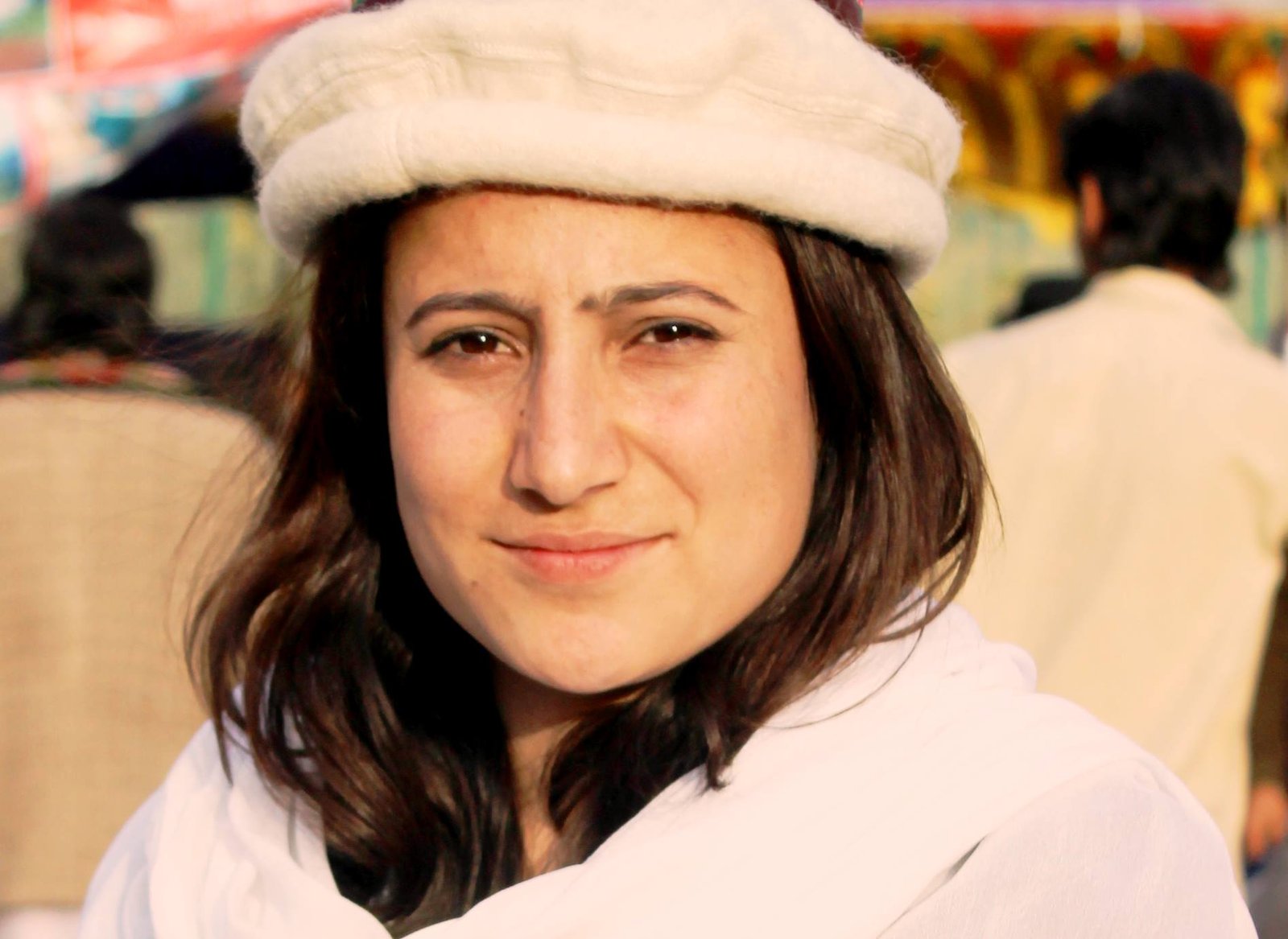
- Cultural programmes: students perform national and regional songs and dances; traditional dress — including the woollen GB cap — is worn widely, and demand for caps and shawls rises sharply in the days before.
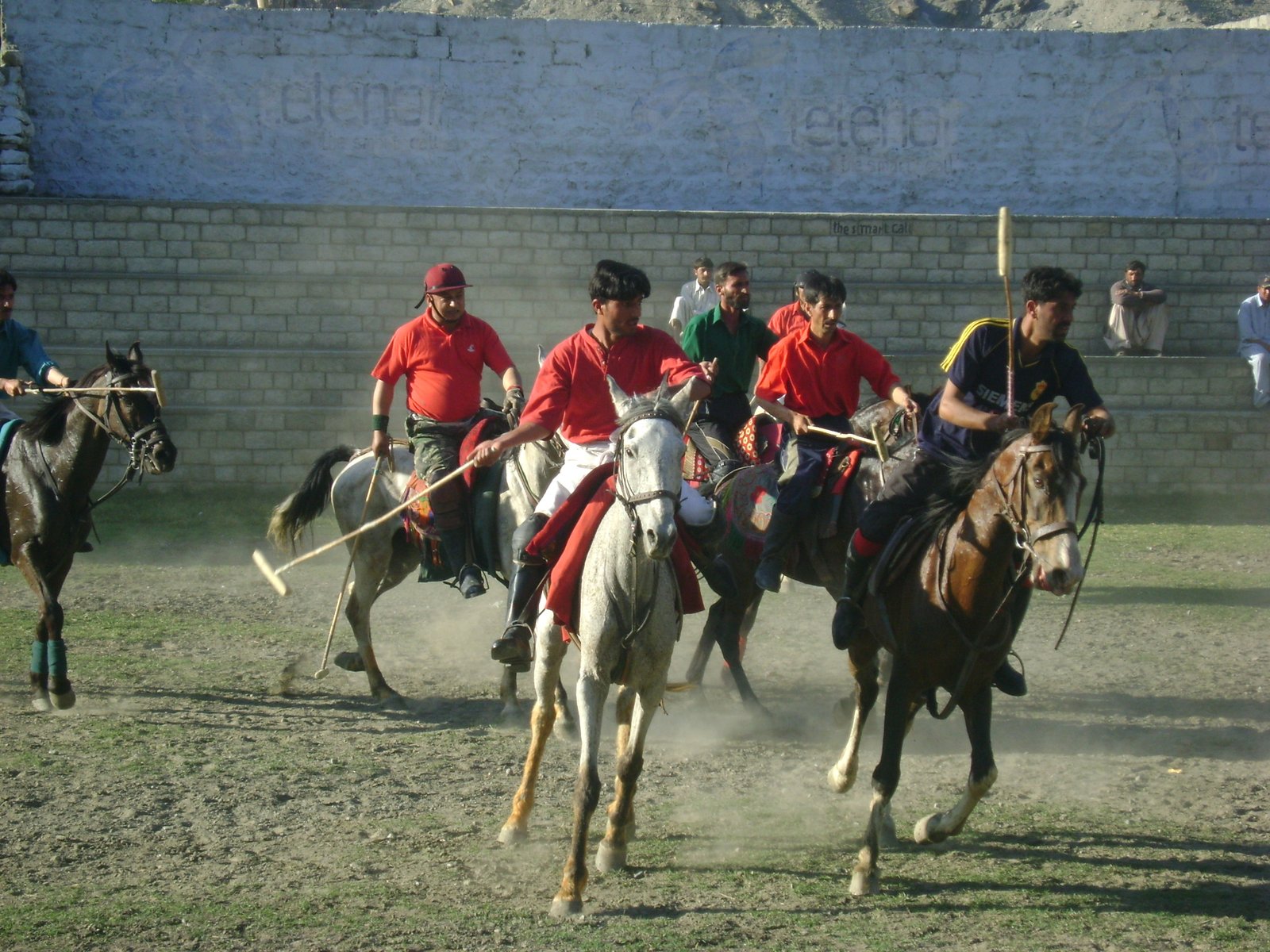
- Jashn-e-Azadi polo: a civil polo tournament organised by the GB Tourism, Sports and Culture Department runs around the day.
- District events: rallies, traditional shows, cake-cutting, school competitions and debates, and special radio programmes retelling the story for young people.
Milestones in recent years: in 2019 the then Prime Minister Imran Khan attended the Chinar Bagh ceremony — the first prime minister to do so, at the 72nd anniversary. In 2025, at the 78th anniversary, President Asif Ali Zardari attended as chief guest and inspected the parade. In his 2025 address, President Zardari cited 1,700 local soldiers martyred and 30,000 injured in the liberation struggle — those figures are attributed to that speech, not independently verified here, and this guide does not present them as a settled count.
What Travellers Should Know If They Are in GB on 1 November
- It is a public holiday. Government offices are closed. Banks and some businesses may run reduced hours — carry enough cash, and do not plan a day around an official appointment.
- Ceremonies are public and welcoming. The Chinar Bagh ceremony and district events are open gatherings; visitors are welcome to watch. Dress modestly, follow the lead of people around you during prayers and the anthem, and ask before photographing individuals.
- Gilgit is the place to be for the main event. If your itinerary allows it, plan to be in Gilgit town on 1 November for the Chinar Bagh ceremony and the parade. District ceremonies in Skardu, Hunza and Nagar are smaller but equally genuine.
- Transport runs, but plan around crowds. Roads and jeeps operate, but Gilgit town is busy around the ceremony grounds; allow extra time.
- It is a good day to listen, not just to watch. The story of 1 November is living history here — shopkeepers, teachers and veterans will tell it. Asking respectfully about what the day means to a family is usually welcomed.
- Do not confuse the two Novembers. GB’s Independence Day (1 November) is separate from Pakistan’s Independence Day (14 August), which GB also celebrates. If a local says “Azadi” in November, they mean this day.
Common Myths and Errors, Corrected
- “It happened in 1948.” Wrong. The Gilgit revolt was 1 November 1947. The 1948 date belongs to Skardu’s liberation (14 August 1948). Some older articles — including a 2009 newspaper piece — print 1948 for Gilgit; that is an error.
- “GB became independent from Britain.” No. The revolt ended Dogra rule in Gilgit. Britain had already handed the agency back to the Maharaja in July–August 1947.
- “The independent state lasted 15 days” vs “16 days.” Both numbers appear in print. The government ran from 1 November to 16 November 1947 — roughly a fortnight. The discrepancy is counting, not history.
- “Hunza and Nagar acceded on the same day as Gilgit.” No. Their accession documents followed in November 1947 (3 and 18 November in the standard account), after the Gilgit revolt.
- “GB is a province of Pakistan.” Not constitutionally. It has a province-like setup since 2009, but full provincial status remains a demand, not a fact.
- “1 November was always the date.” No. Until 2009, Gilgit marked 1 November and Baltistan marked 14 August. The single date dates from the 2009 Self-Governance Order.
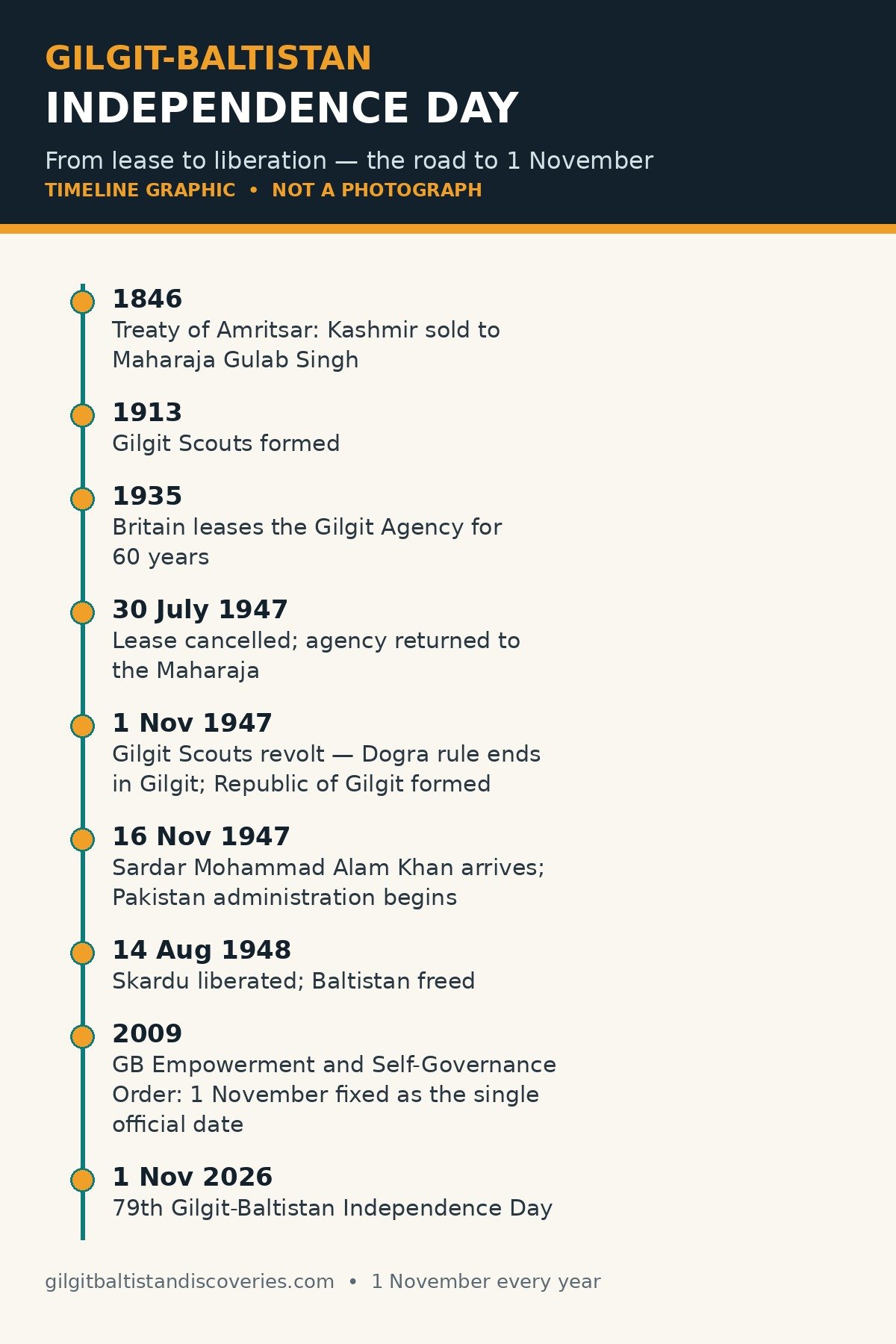
Timeline: From Lease to Liberation
| Date | Event |
|---|---|
| 1846 | Treaty of Amritsar: Kashmir sold to Maharaja Gulab Singh for 75 lakh Nanak Shahi |
| 1913 | Gilgit Scouts formed (from the disbanded Punial Levies) |
| 1935 | Britain leases the Gilgit Agency from the Maharaja for 60 years |
| 30 July 1947 | Lease cancelled; agency returned to the Maharaja |
| 1 August 1947 | Brigadier Ghansara Singh assumes charge as Governor of Gilgit |
| 26 October 1947 | Maharaja signs Instrument of Accession to India |
| 28 October 1947 | News of the accession reaches Gilgit |
| Night of 31 Oct – 1 Nov 1947 | Gilgit Scouts surround the governor’s residence; Ghansara Singh surrenders on the morning of 1 November; Pakistani flag raised |
| 1 November 1947 | Provisional government (Republic of Gilgit) formed; Shah Rais Khan president, Mirza Hassan Khan commander-in-chief |
| 3 November 1947 | Hunza signs accession document (standard account) |
| 16 November 1947 | Sardar Mohammad Alam Khan arrives as Pakistan’s first political agent; provisional government ends |
| 18 November 1947 | Nagar signs accession document (standard account) |
| 14 August 1948 | Skardu liberated; Baltistan freed |
| 2009 | GB Empowerment and Self-Governance Order: region renamed Gilgit-Baltistan; 1 November fixed as the official independence day |
| 2019 | Prime Minister Imran Khan attends the Chinar Bagh ceremony — the first PM to do so (72nd anniversary) |
| 2025 | President Asif Ali Zardari attends as chief guest (78th anniversary) |
| 1 November 2026 | 79th Gilgit-Baltistan Independence Day |
Frequently Asked Questions
Q: When is Gilgit-Baltistan Independence Day? A: 1 November every year. It marks the Gilgit Scouts’ revolt of 1 November 1947, which ended Dogra rule in Gilgit. In 2026 it is the 79th anniversary, and it is a public holiday across Gilgit-Baltistan.
Q: What exactly happened on 1 November 1947? A: On the night of 31 October, Gilgit Scouts surrounded the governor’s residence, and on the morning of 1 November the Dogra governor, Brigadier Ghansara Singh, surrendered. The Pakistani flag was raised, and a provisional government — the Republic of Gilgit — was formed under Raja Shah Rais Khan, with Captain Mirza Hassan Khan as commander-in-chief.
Q: How long did the independent Gilgit government last? A: Roughly a fortnight, from 1 November to 16 November 1947, when Pakistan’s first political agent, Sardar Mohammad Alam Khan, arrived in Gilgit and took over the administration. Some sources say 15 days and others 16 — the dates are agreed, only the counting differs.
Q: Why did Baltistan celebrate on a different date before 2009? A: Because Baltistan was freed later. Skardu, Baltistan’s capital, was liberated on 14 August 1948, so Baltistan marked 14 August while Gilgit marked 1 November. The 2009 Self-Governance Order fixed 1 November as the single official date for the whole region.
Q: Can travellers attend the Independence Day ceremony? A: Yes. The main ceremony at Chinar Bagh in Gilgit, and district events across the region, are public gatherings. Visitors are welcome to watch the flag hoisting, parade and cultural programmes. Dress modestly, follow local cues during prayers and the anthem, and ask before photographing people.
Related Guides
For more context, see our Gilgit-Baltistan Festival Calendar, Gilgit City Guide, Things to Do in Skardu, Gilgit-Baltistan Culture: An Overview, and Best Time to Visit Gilgit-Baltistan.