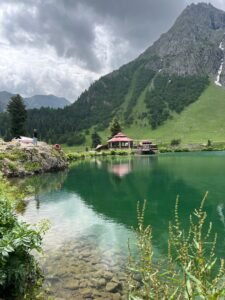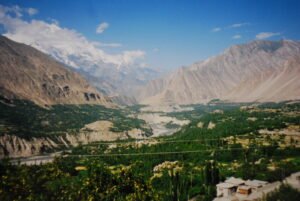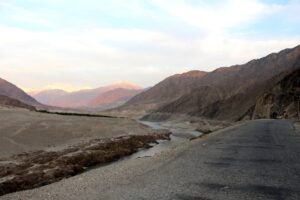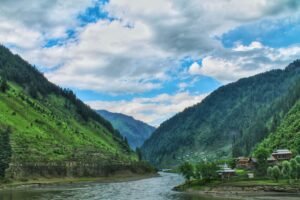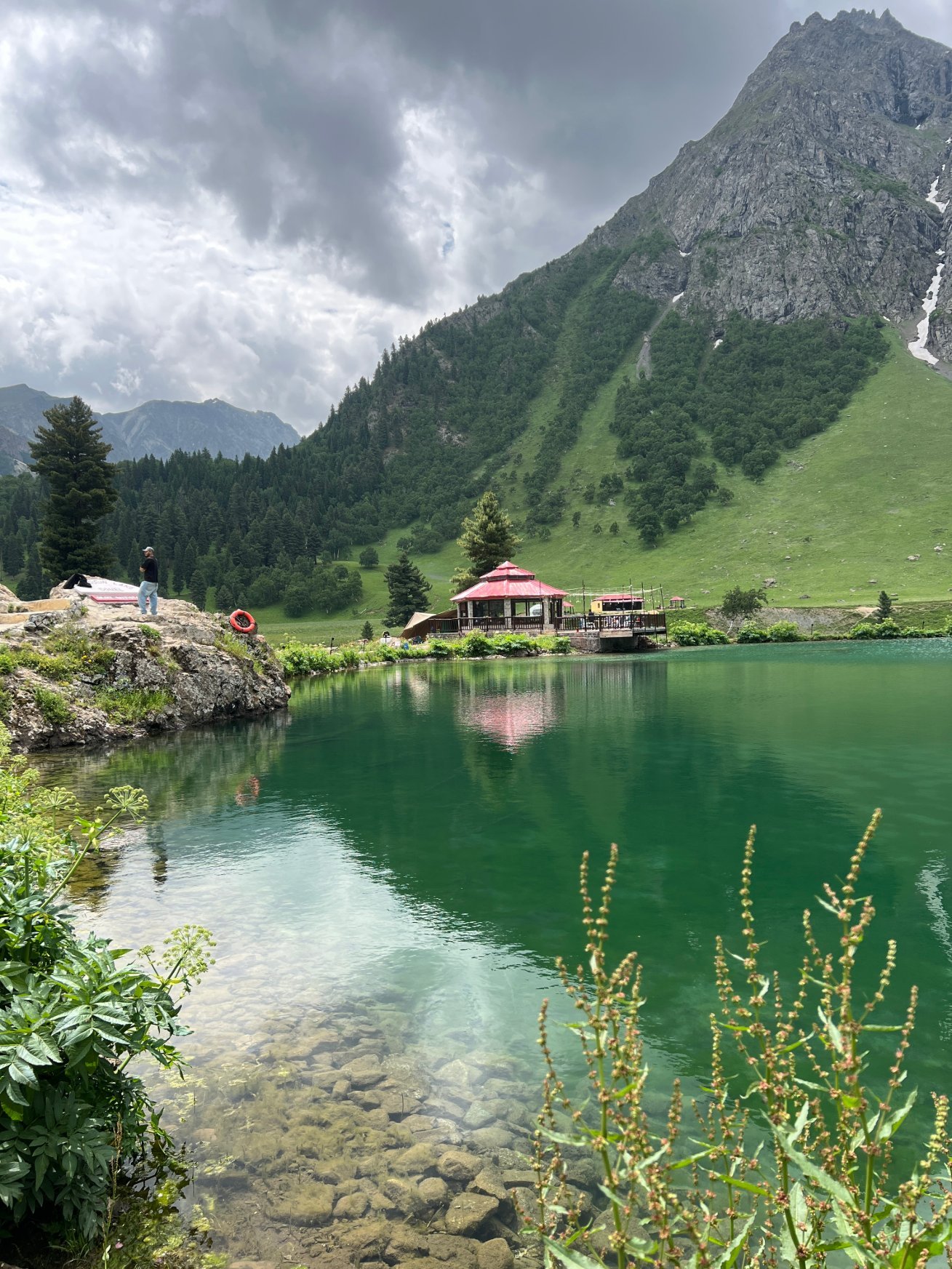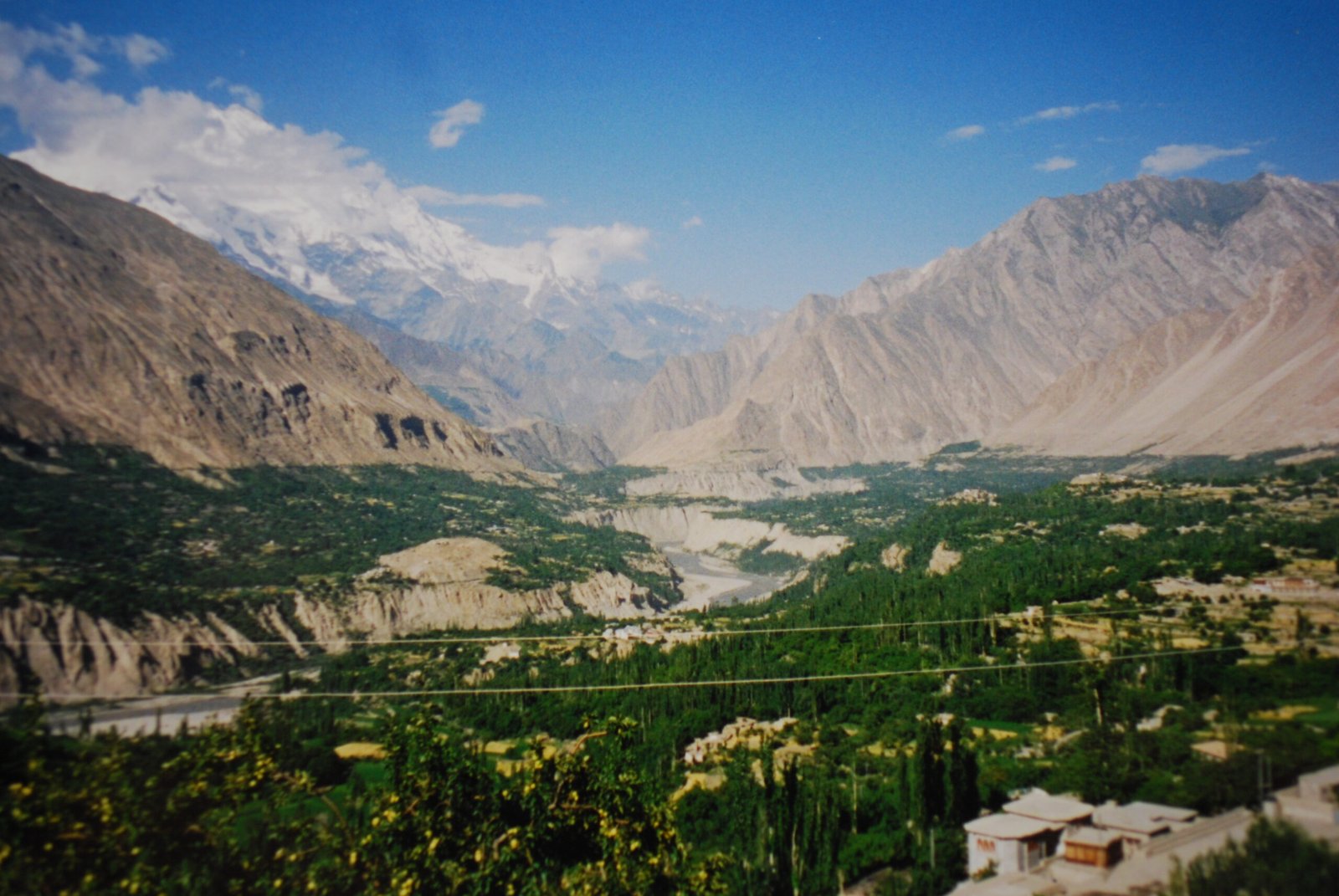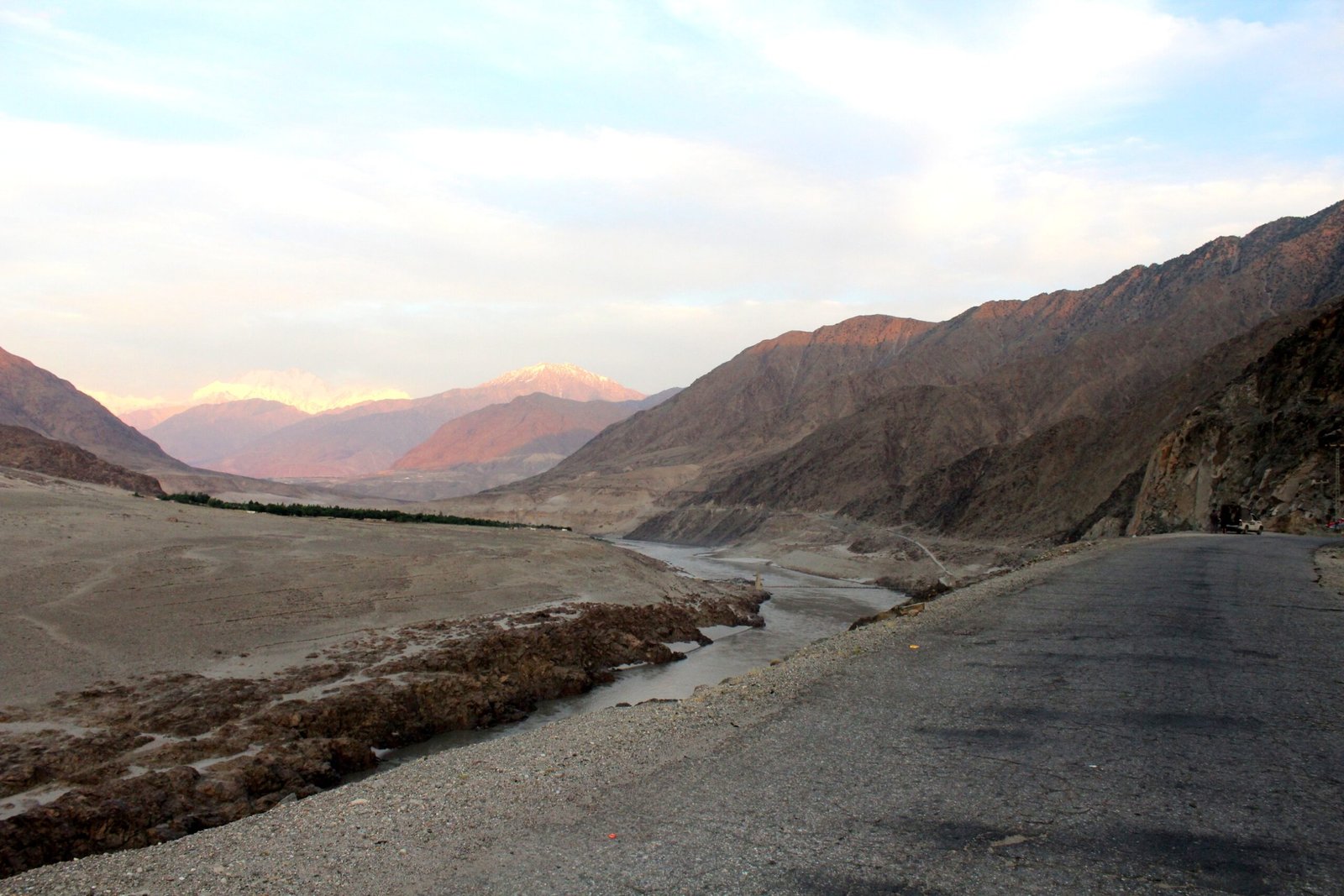
Gilgit-Baltistan is Pakistan’s mountain north: three great ranges — the Karakoram, the Himalaya and the Hindu Kush — ten districts, and more famous valleys than most countries. This guide organises the best places to visit in Gilgit-Baltistan by district, so you can plan a route instead of a scramble: Hunza’s forts and lakes, Nagar’s great Rakaposhi wall, Skardu’s cold desert and lakes, the meadows of Fairy Meadows and Deosai, and the quieter valleys of Ghizer, Shigar and Ghanche that most visitors never reach.
The short answer: If you only have time for the essentials, the best places to visit in Gilgit-Baltistan are Hunza Valley (Karimabad, Baltit and Altit Forts, Attabad Lake, Passu Cones), Skardu (Shangrila, Upper Kachura Lake, the Sarfaranga Cold Desert), Fairy Meadows beneath Nanga Parbat, Deosai National Park, Khunjerab Pass on the China border, and Phander Valley in Ghizer. Give that circuit 10–14 days; add Nagar, Shigar and Khaplu if you have longer.
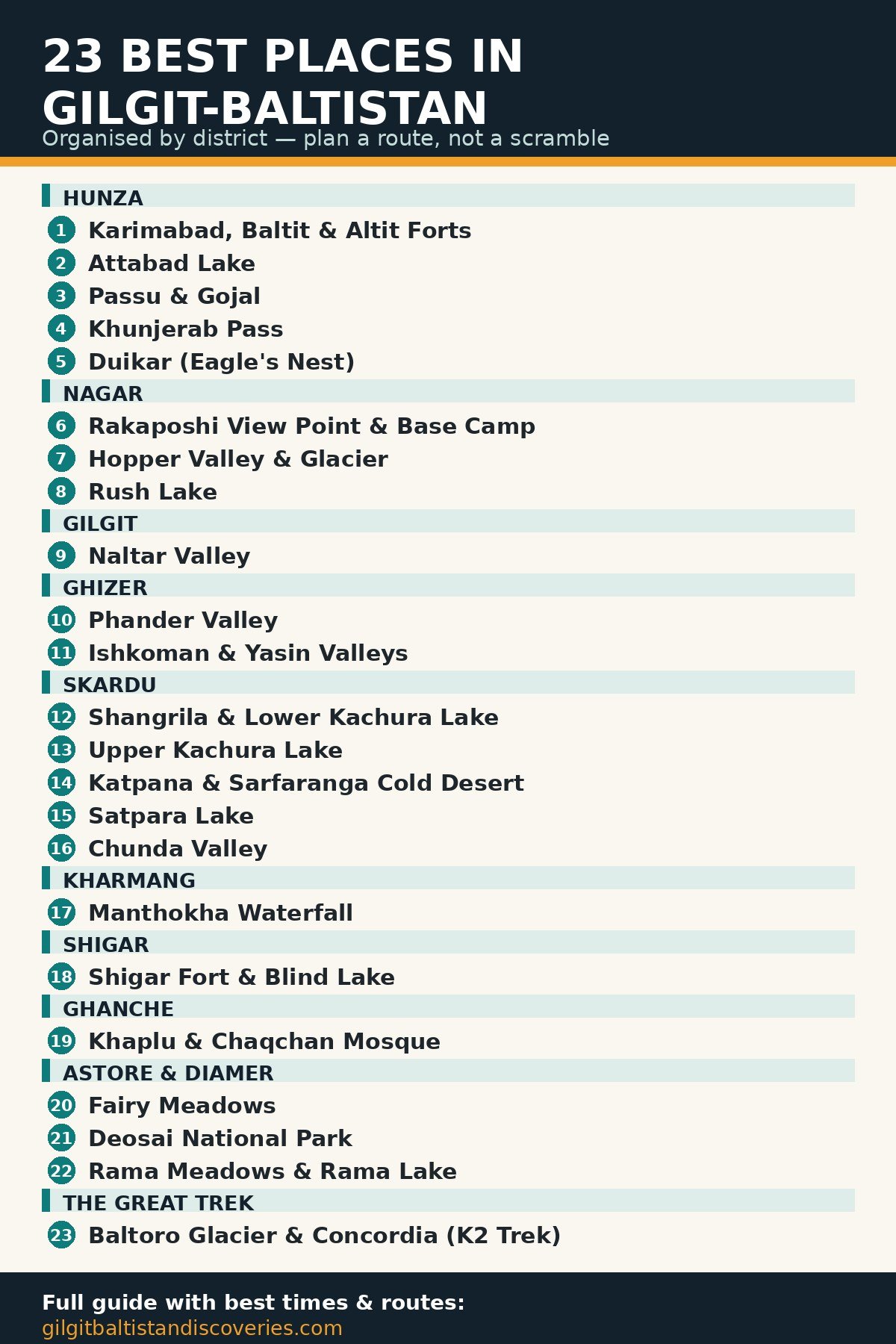
The 23 Best Places at a Glance
| # | Place | District | Best for | Best time |
|---|---|---|---|---|
| 1 | Karimabad, Baltit & Altit Forts | Hunza | History, culture, valley views | Mar–Nov |
| 2 | Attabad Lake | Hunza | Boating, turquoise water, photography | Apr–Oct |
| 3 | Passu & Gojal | Hunza | Passu Cones, glaciers, Hussaini Bridge | Apr–Oct |
| 4 | Khunjerab Pass | Hunza | The China border at 4,693 m | May–Oct |
| 5 | Duikar (Eagle’s Nest) | Hunza | Sunrise/sunset panorama | Year-round |
| 6 | Rakaposhi View Point & Base Camp | Nagar | Closest great-peak viewpoint on the KKH | Apr–Oct |
| 7 | Hopper Valley & Glacier | Nagar | Glacier views, rural valley life | May–Oct |
| 8 | Rush Lake | Nagar | One of the world’s highest alpine lakes (4,694 m) | Jun–Sep |
| 9 | Naltar Valley | Gilgit | Coloured lakes, pine forest, winter skiing | Year-round |
| 10 | Phander Valley | Ghizer | Trout fishing, river meadows | Apr–Oct |
| 11 | Ishkoman & Yasin Valleys | Ghizer | Off-beat trekking, untouched valleys | May–Sep |
| 12 | Shangrila & Lower Kachura Lake | Skardu | The iconic resort lake | Apr–Oct |
| 13 | Upper Kachura Lake | Skardu | Quiet boating, trout, orchards | Apr–Oct |
| 14 | Katpana & Sarfaranga Cold Desert | Skardu | Dunes under snow peaks | Year-round |
| 15 | Satpara Lake | Skardu | Lakeside drive, trout, Deosai gateway | Apr–Oct |
| 16 | Chunda Valley | Skardu | Blossom, village life, quiet views | Mar–Oct |
| 17 | Manthokha Waterfall | Kharmang | GB’s most famous waterfall stop | Apr–Oct |
| 18 | Shigar Fort & Blind Lake | Shigar | Heritage fort-hotel, hidden lake | Apr–Oct |
| 19 | Khaplu & Chaqchan Mosque | Ghanche | Balti heritage, 14th-century mosque | Apr–Oct |
| 20 | Fairy Meadows | Diamer | Nanga Parbat’s Rakhiot Face at dawn | May–Sep |
| 21 | Deosai National Park | Skardu & Astore | The second-highest plateau on Earth | Jun–Sep |
| 22 | Rama Meadows & Rama Lake | Astore | Pine meadows under Nanga Parbat | May–Oct |
| 23 | Baltoro Glacier & Concordia | Shigar (gateway) | The K2 base camp trek | Jun–Aug |
Hunza District
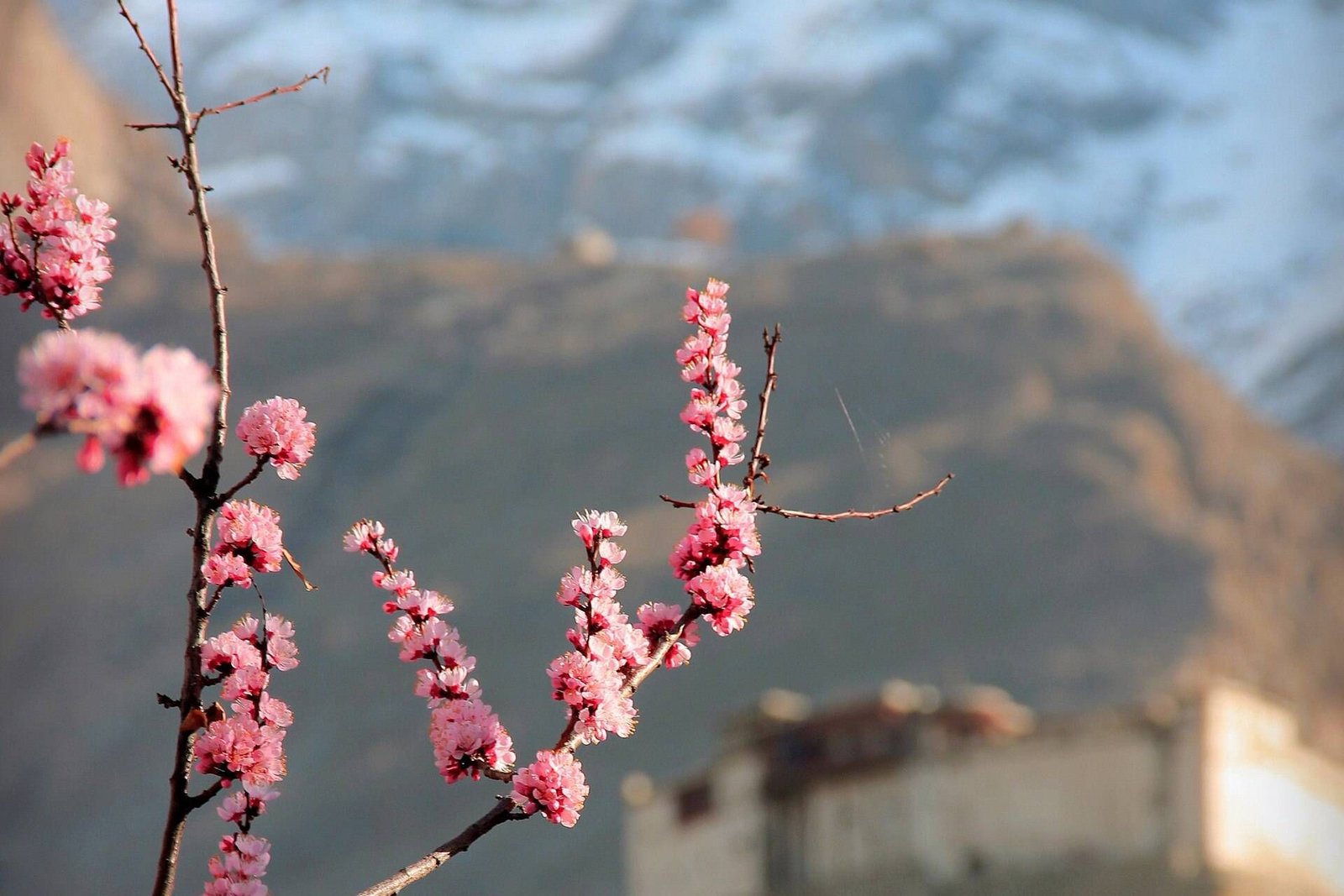
1. Karimabad, Baltit & Altit Forts — Hunza’s capital town is the region’s cultural heart: Baltit Fort, the ~700-year-old seat of the Mirs of Hunza, now an award-winning museum; Altit Fort, older still, with its old town and royal garden below. Both forts are on UNESCO’s tentative World Heritage list. Come in late March–April for apricot blossom or October for the valley’s famous autumn colours — our month-by-month guide to the best time to visit Hunza Valley breaks the seasons down.
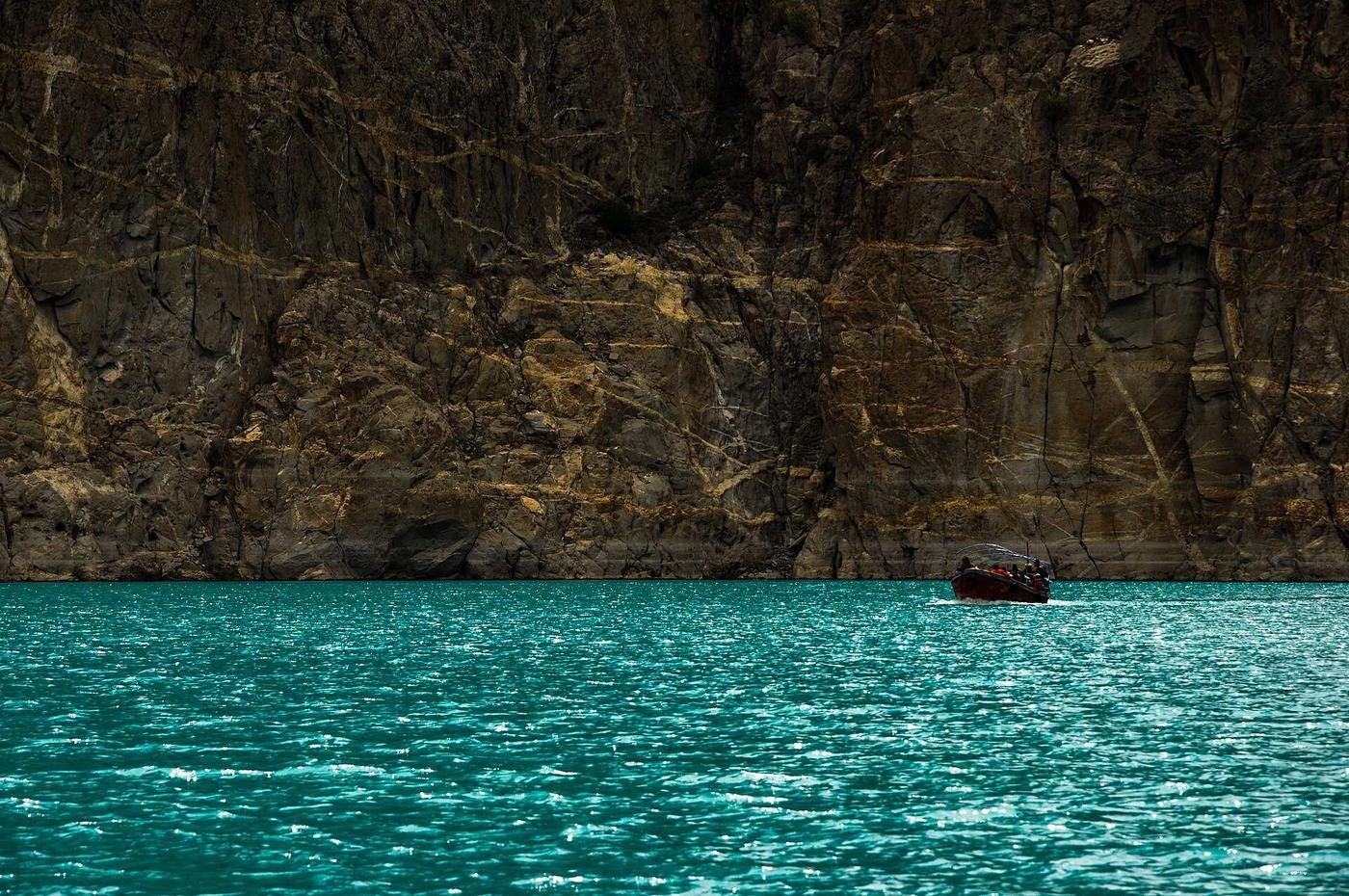
2. Attabad Lake — A lake that did not exist before 2010, formed when a landslide dammed the Hunza River. Its improbable turquoise water, ringed by bare Karakoram walls, is now one of Pakistan’s most photographed places: boat rides, jet skis and lakeside cafés run from the shore villages.
3. Passu & Gojal (Upper Hunza) — The country of the Passu Cones — a row of serrated, cathedral-like peaks — plus the Passu Glacier, Borith Lake and the swaying Hussaini suspension bridge. Gojal is Wakhi-speaking, high and wild, and the last Pakistani valley before China.
4. Khunjerab Pass — At 4,693 m, the highest paved border crossing on Earth, where the Karakoram Highway enters China. The drive from Karimabad climbs past glaciers and ibex country into the Khunjerab National Park; the pass has operated year-round since December 2024, but May–October remains the comfortable season.
5. Duikar (Eagle’s Nest) — The viewpoint village above Karimabad and Altit. On a clear dawn, five 7,000 m peaks — Rakaposhi, Ultar, Golden Peak (Spantik), Ladyfinger and Diran — stand in one panorama. The single best sunrise in Hunza.
Nagar District
6. Rakaposhi View Point & Base Camp — Rakaposhi (7,788 m, “Shining Wall”) rises straight from the Karakoram Highway at Tagaphari/Pisan in Nagar — one of the greatest unbroken mountain walls on Earth, from river to summit. The view point is a simple road stop; the base camp (Tagaphari) is a 2–3 day trek for those who want to sleep beneath it. See our Rakaposhi base camp trek guide.
7. Hopper Valley & Glacier — Nagar’s green side valley: terraced fields and orchards running down to the black Hopper Glacier, with the Golden Peak wall behind. Quieter than Hunza, a generation behind in tourism, and all the better for it. Our Hopper Glacier tour plan covers the route.
8. Rush Lake — At 4,694 m, one of the highest alpine lakes in the world, reached by a 2–3 day trek from Hopper across the Baultar Glacier. The reward on a clear day: a single viewpoint taking in K2, Broad Peak, the Gasherbrums and the whole Karakoram spine. Details in our Rush Lake tour plan.
Gilgit District
9. Naltar Valley — Ninety minutes from Gilgit city, a pine-forested valley of coloured lakes — Satrangi (seven-coloured), Blue Lake and Firoza among them. In winter the same valley hosts Pakistan’s best-known ski slopes. One of the few GB destinations that genuinely works year-round.
Ghizer District
10. Phander Valley — The Ghizer River slows at Phander into a chain of trout-rich lakes and meadows, with the Hindu Raj peaks behind. Phander is GB’s gentle valley: fishing, picnics, and a road west that few tourists take. Our best places to visit in Ghizer goes deeper.
11. Ishkoman & Yasin Valleys — Ghizer’s northern arms: green, glacier-fed valleys reaching toward the passes into Chitral and the Wakhan. This is trekking country for travellers who want GB before tourism — basic facilities, enormous hospitality, and valleys you will likely have to yourself.
Skardu District
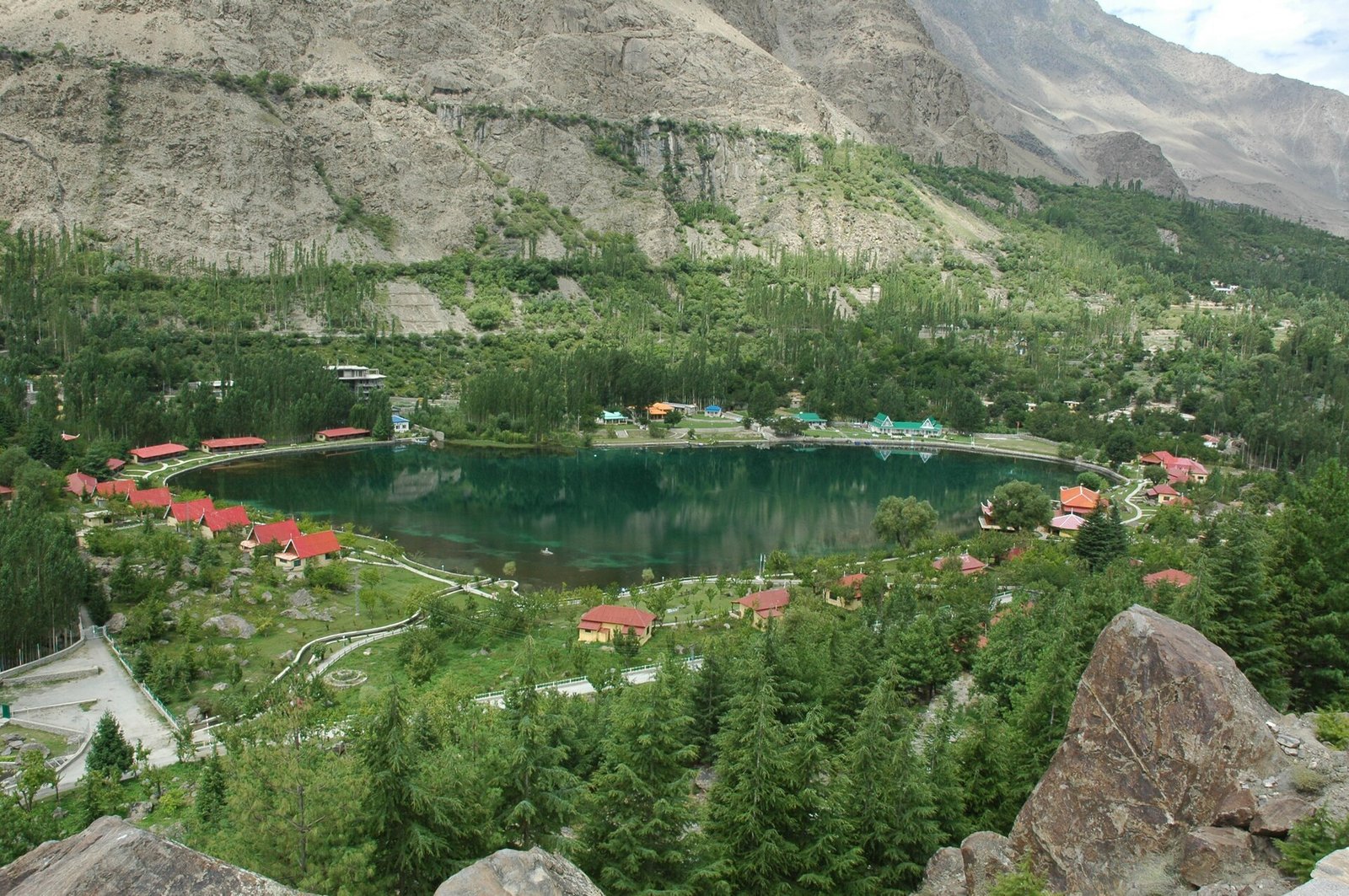
12. Shangrila & Lower Kachura Lake — The postcard of Baltistan: a heart-shaped lake, a resort built around it, and pagoda roofs mirrored in still water 20 minutes from Skardu town. Commercial, yes — and still unmissable on a first trip.
13. Upper Kachura Lake — Lower Kachura’s quieter sibling: a deep, clear lake reached by a short walk through orchards and village lanes, with trout on café menus and boats for hire. Come here when Shangrila feels busy.
14. Katpana & Sarfaranga Cold Desert — Among the highest cold deserts in the world: pale dunes rolling to the Indus, with snow peaks on every horizon. Sarfaranga hosts jeep rallies and desert camps; Katpana pairs its dunes with a small lake. Sunset is the hour. Nearby, Chocolate Rock makes an easy extra stop on the Sermik road.
15. Satpara Lake — A deep blue lake on Skardu’s southern edge, source of the town’s water and the gateway to Deosai. Trout fishing, lakeside picnic spots, and the dam road climbing toward the plateau.
16. Chunda Valley — A small farming valley above Skardu town, famous locally for spring blossom and wide views back over the Indus. The kind of place travellers find on day three, when the big sights are done — and remember longest.
Kharmang District
17. Manthokha Waterfall — A tall, cold waterfall pouring off the cliffs above the Kharmang road, roughly 80 km from Skardu. Every Skardu itinerary stops here; the café at its base serves trout with the spray in the air.
Shigar District
18. Shigar Fort & Blind Lake — Shigar Fort (Fong Khar), the 17th-century palace of the Raja of Shigar, restored as a heritage hotel and museum — the finest building in Baltistan. Pair it with nearby Blind Lake (Zharba Tsho), a reed-fringed lake hidden behind dunes and willows. Shigar town is also the gateway for K2 expeditions.
Ghanche District
19. Khaplu & Chaqchan Mosque — Khaplu, the old capital of the Yabgo kingdom, holds GB’s finest Balti heritage: the Khaplu Palace and the Chaqchan Mosque, built in 1370 and among the oldest mosques in the region, its Tibetan-influenced woodwork intact. Quieter, warmer and greener than Skardu — the connoisseur’s Baltistan.
Astore & Diamer Districts
20. Fairy Meadows — A grass meadow at 3,300 m facing the Rakhiot Face of Nanga Parbat (8,126 m) — the “Killer Mountain”, the ninth-highest on Earth. Getting there is part of the legend: the jeep track from Raikot Bridge to Tato, then a 3–4 hour hike. Our dedicated Fairy Meadows hiking track guide covers distances, times and Beyal Camp.
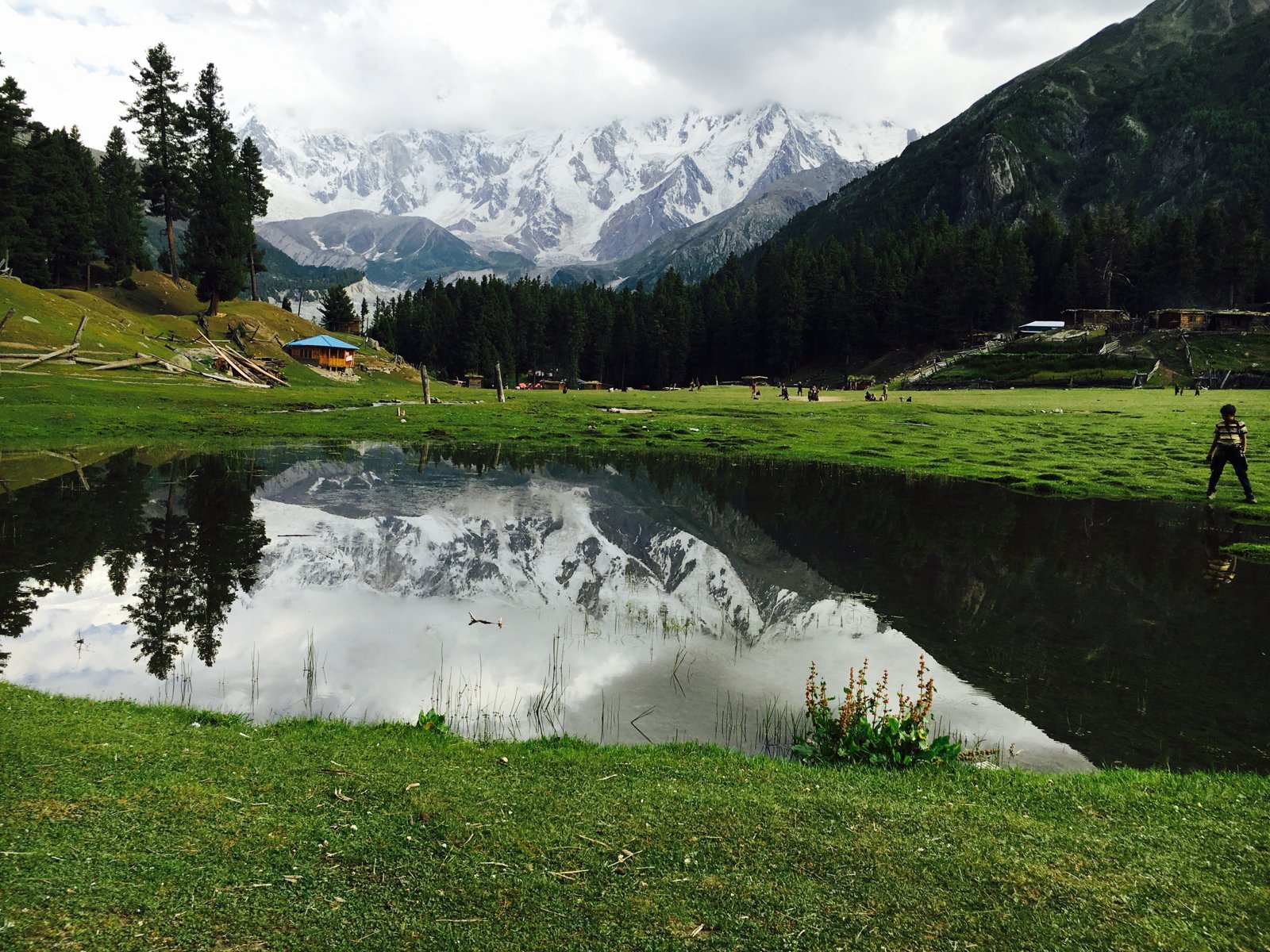
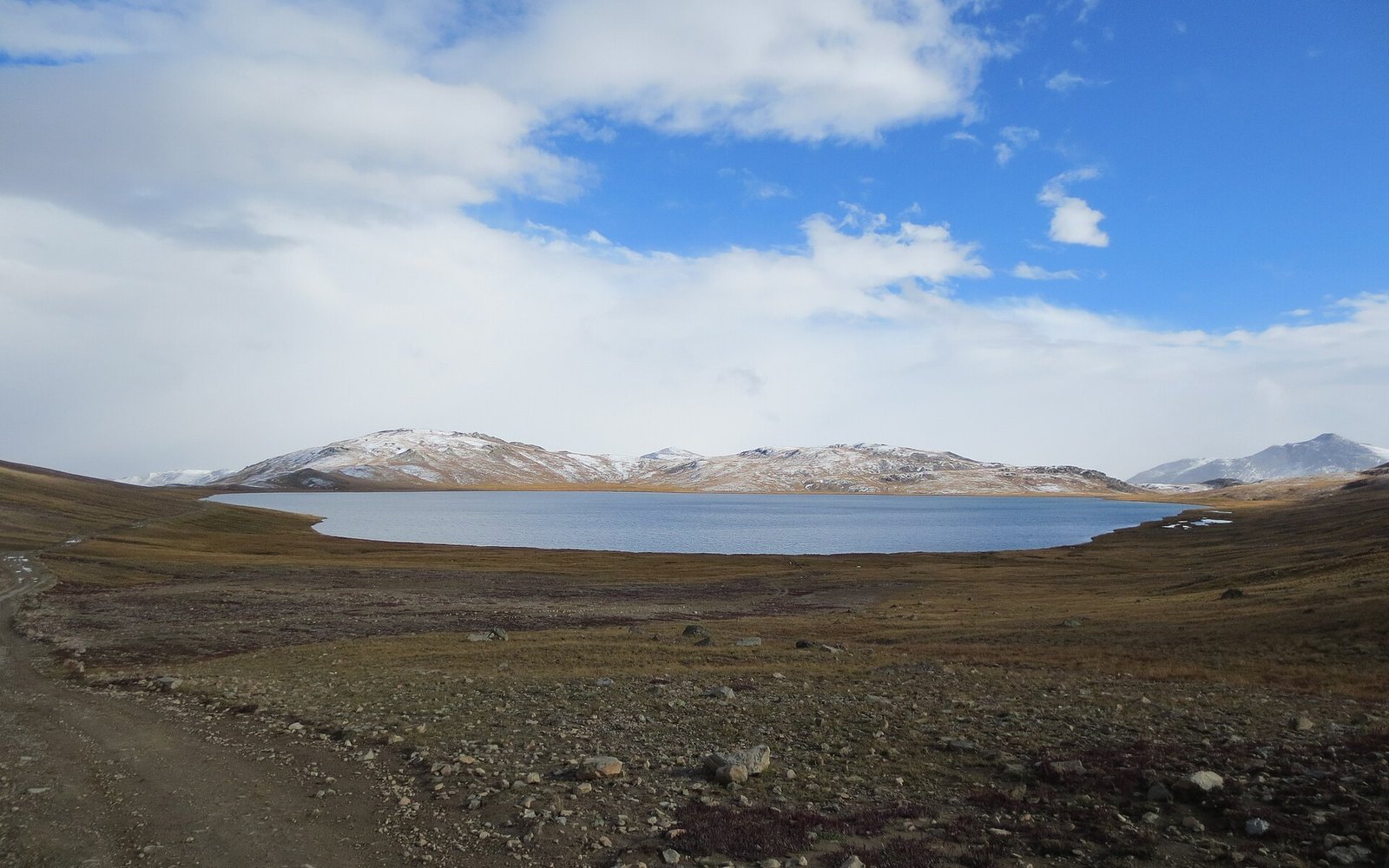
21. Deosai National Park — The second-highest plateau in the world, averaging over 4,100 m: a treeless ocean of wildflowers in July and August, home to Himalayan brown bears, marmots and the mirror of Sheosar Lake. Open only in the short summer — roughly June to September — and reached from Skardu or Astore.
22. Rama Meadows & Rama Lake — Above Astore town, a pine meadow with Nanga Parbat filling the northern sky, and a small alpine lake a few hours’ walk beyond. The softest introduction to the Diamer region — and the usual first night before Fairy Meadows for travellers coming via the Babusar road.
The Great Trek
23. Baltoro Glacier & Concordia (K2 Base Camp Trek) — The 63 km Baltoro is one of the longest glaciers outside the polar regions, and the trek up it to Concordia — the junction beneath K2, Broad Peak and the Gasherbrums — is widely called the greatest mountain walk on Earth. It starts at Askole (Shigar), runs June–August, needs permits and proper preparation: our K2 base camp trek packing list is the place to start planning.
Planning Your Trip Around These Places
How long do you need? Hunza + Nagar alone: 5–7 days. Add Skardu and Baltistan: 10–14 days. Fairy Meadows needs 2–3 days of its own; Deosai is a long day trip or an overnight from Skardu in season. Getting there — flights and road options from the capital are covered in our guide to travelling to Gilgit-Baltistan from Islamabad. What to eat when you arrive — the 26 traditional dishes of Gilgit-Baltistan you will meet on the road. For valley-by-valley detail, see the best places to visit in Skardu, the beautiful places to visit in Hunza and things to do in Nagar Valley.
FAQs
1. What are the best places to visit in Gilgit-Baltistan?
Hunza Valley (Karimabad, Attabad Lake, Passu, Khunjerab Pass), Skardu (Shangrila, Upper Kachura, the Cold Desert), Fairy Meadows, Deosai National Park, Naltar Valley and Phander Valley top most lists. This guide covers 23 places, organised by district.
2. How many days do you need in Gilgit-Baltistan?
At least 7 days for Hunza and Nagar, 10–14 days to add Skardu and Baltistan, and 2–3 extra days for Fairy Meadows. Deosai fits into a Skardu stay between June and September.
3. What is the best time to visit Gilgit-Baltistan?
April to October for most valleys — blossom in spring, full access in summer, autumn colours in October. Deosai and high treks are June–September only; Naltar and the Cold Desert work in winter too.
4. Which is better, Hunza or Skardu?
Hunza for forts, culture and the Karakoram Highway’s great viewpoints; Skardu and Baltistan for lakes, the cold desert and the road to K2. They are different districts with different characters — most travellers combine both in one trip.
5. How do I get to Gilgit-Baltistan?
By air from Islamabad to Gilgit or Skardu (weather-dependent), or by road on the Karakoram Highway or the seasonal Babusar Pass road. There is no railway. Journey times and costs are in our Islamabad-to-GB travel guide.
6. Is Gilgit-Baltistan safe for tourists?
The main tourist valleys — Hunza, Nagar, Skardu, Ghizer — are considered among the safest parts of Pakistan for travellers, and locals are famous for hospitality. Some areas near the Line of Control are restricted and foreign visitors may need an NOC for specific zones; the valleys in this guide are open.
7. What is the most beautiful place in Gilgit-Baltistan?
It is honestly contested: Fairy Meadows at dawn, Deosai in flower season, and the Passu Cones from the Karakoram Highway all have their believers. If you can only pick one, pick Fairy Meadows.