Trophy hunting in Gilgit Baltistan represents one of the world’s most prestigious mountain hunting experiences. The region’s pristine alpine wilderness offers world-class opportunities for hunters seeking Markhor, Ibex, and other prized trophy species.
However, navigating the complex regulatory landscape requires understanding Pakistan’s trophy hunting framework, permit requirements, and seasonal schedules. This comprehensive guide addresses everything international hunters need to know about the 2026-27 trophy hunting season.
Understanding Gilgit Baltistan Trophy Hunting Framework
Official Regulatory Authority and Legal Structure
The Fauna Wing of Gilgit Baltistan (fwegb.gov.pk) serves as the primary regulatory body governing all trophy hunting activities in the region. This government agency manages wildlife conservation while facilitating legitimate hunting opportunities through a carefully regulated permitting system.
Pakistan’s trophy hunting regulations are established under the Wildlife Protection Act, 1975, and subsequent amendments. The framework balances wildlife conservation with sustainable use principles. International hunters must operate within this legal structure to ensure their hunting activities support conservation objectives rather than undermining them.
Gilgit Baltistan operates under a semi-autonomous administrative system, which means hunting regulations differ from other Pakistani regions. Permits issued by the Fauna Wing are territory-specific and non-transferable between provinces. Understanding this distinction is critical for international hunters planning expeditions.
Conservation Through Sustainable Trophy Hunting
Trophy hunting in Gilgit Baltistan generates significant conservation revenue. Permit fees fund wildlife protection programs, habitat restoration, and community development initiatives. When conducted responsibly, trophy hunting creates economic incentives for local communities to protect wildlife rather than exploit it.
The sustainable use model means that trophy hunting actually preserves ecosystems. Hunters targeting premium male animals don’t reduce breeding populations. Revenue generated supports anti-poaching efforts, which protects vulnerable species from commercial poaching. This conservation model has proven effective across multiple wildlife management areas in the region.
Trophy Species Available in Gilgit Baltistan 2026-27
Markhor: The King of Mountain Game
The Markhor represents the ultimate trophy hunting experience in Gilgit Baltistan. This wild goat species features magnificent spiral horns that can exceed 55 inches. The animal’s size, intelligence, and challenging terrain combine to create a hunt of exceptional difficulty.
Markhor populations inhabit the Hindu Kush and Karakoram ranges at elevations between 6,000 and 12,000 feet. The 2026-27 season offers limited quotas distributed across multiple hunting blocks. Premium Markhor permits command prices between $30,000 and $80,000 depending on horn size expectations and hunting area quality.
Physically demanding terrain, extreme altitude, and the animal’s wariness require hunters to be in exceptional physical condition. Most successful Markhor hunts involve 10 to 14-day expeditions with significant trekking at high altitude. Weather conditions and terrain difficulty mean success rates range between 40-60 percent even for experienced hunters.
Ibex: Alpine Challenge
The Himalayan Ibex presents a different challenge than Markhor. These sure-footed cliff dwellers navigate terrain that appears impossible for humans. Hunting Ibex requires technical mountaineering skills and exceptional physical fitness.
Ibex permits are available across multiple hunting blocks throughout Gilgit Baltistan. Permit costs range from $15,000 to $40,000 depending on location and expected trophy quality. The 2026-27 season maintains conservation quotas ensuring sustainable populations.
Ibex hunts typically involve 7 to 10-day expeditions. The hunting terrain exceeds Markhor difficulty. Success rates typically run 30-50 percent due to the species’ exceptional alertness and challenging habitat. Hunters must locate animals in vast alpine landscapes, often at elevations exceeding 13,000 feet.
Urial: Desert Mountain Ram
The Urial (wild sheep) offers a different hunting experience than Markhor or Ibex. These sheep inhabit lower elevation ranges and semi-desert foothills. Urial hunting involves less technical mountaineering but requires long-distance glassing and stalking skills.
Permits are available for the 2026-27 season at costs ranging from $8,000 to $25,000. Urial hunts typically require 5 to 7-day expeditions. The lower elevation and less extreme terrain make Urial hunts suitable for hunters with moderate physical conditioning compared to Markhor and Ibex hunts.
Success rates for Urial typically reach 60-70 percent. The species’ relative abundance in accessible areas and the hunting approach make Urial a reliable choice for trophy hunters seeking a successful expedition.
2026-27 Trophy Hunting Season: Official Dates and Quotas
Seasonal Schedule and Permit Availability
The Fauna Wing releases official hunting season dates typically in June for the following hunting year. The 2026-27 season follows Pakistan’s standard trophy hunting calendar:
Primary Hunting Seasons (2026-27):
Markhor Season: September 1 – November 30, 2026 (three-month window)
Ibex Season: October 1 – December 31, 2026 (four-month window)
Urial Season: August 15 – December 15, 2026 (extended window)
These dates align with animal behavior patterns and weather conditions. September-October represents the premium hunting period when weather is most stable and animal populations are concentrated in accessible areas. November hunting requires excellent weather forecasting due to increasing snow and unstable conditions.
Permit quotas are strictly limited. The Fauna Wing issues permits based on sustainable yield calculations. Each hunting block has assigned quotas preventing over-hunting. The 2026-27 season maintains quota levels comparable to previous years based on population surveys.
Permit Application Process and Requirements
International hunters must apply for permits through registered hunting outfitters. The Fauna Wing does not issue permits directly to individual hunters. This requirement ensures compliance with hunting regulations and proper expedition organization.
The permit application process requires:
Essential Documentation:
- Valid passport with sufficient validity (minimum 6 months beyond travel dates)
- Proof of citizenship from your home country
- Medical certificate confirming fitness for high-altitude expedition
- Professional hunting outfitter contract from a registered company
- Detailed expedition itinerary and hunting block preference
- Proof of insurance coverage (international hunters’ liability insurance)
Application Timeline:
Permits should be applied for 6-8 months before intended hunting dates. The Fauna Wing processes applications on a first-come, first-served basis after quota confirmation. Early application increases access to premium hunting blocks.
Application fees range from $500 to $2,000 depending on species and area. These fees are separate from permit charges. Processing typically requires 4-6 weeks once complete documentation is submitted.
Hunting Outfitters and Professional Services
Selecting Registered Hunting Operators
Hunting outfitters serve as the interface between international hunters and the Fauna Wing. These companies handle permits, logistics, guides, and expedition coordination. Choosing a reputable outfitter dramatically impacts expedition success and safety.
Pakistan maintains a registry of approved hunting outfitters. The Fauna Wing website (fwegb.gov.pk) lists registered companies authorized to conduct trophy hunting expeditions. International hunters should only engage with registered outfitters to ensure regulatory compliance.
Criteria for Evaluating Hunting Outfitters:
Professional Experience: Outfitters should have minimum 10 years trophy hunting experience. Companies with established track records provide greater reliability.
Guide Quality: Experienced hunting guides are critical. Quality outfitters employ guides with extensive mountain hunting knowledge, trophy assessment skills, and emergency response training.
Success Rates: Reputable outfitters maintain transparent success records. Average success rates should be documented and verifiable.
Client References: Established outfitters provide references from previous clients. Speaking directly with previous hunters provides insight into outfitter reliability.
Equipment Standards: Professional outfitters maintain modern expedition equipment including communication devices, medical supplies, and comfortable accommodations.
Safety Record: Safety protocols should include altitude acclimatization schedules, medical evacuation plans, and emergency communication systems.
Typical Outfitter Services and Costs
Professional hunting outfitters provide comprehensive expedition management:
Standard Services Included:
- Permit acquisition and regulatory compliance
- Professional hunting guides (minimum 1:1 ratio)
- Experienced horse handlers and pack animals
- Camp setup and catering
- Trophy processing and preservation
- Transportation coordination
- Emergency medical support access
- Post-hunt trophy handling and export assistance
Cost Structure:
Trophy species directly influences pricing. Markhor expeditions range from $35,000 to $90,000 all-inclusive. Ibex expeditions cost $25,000 to $60,000. Urial expeditions range from $15,000 to $40,000.
These prices typically include all in-country expenses: permits, guides, horses, meals, camping, and trophy care. International airfare is generally excluded. Prices vary based on hunting block selection, expected trophy quality, and season timing.
Premium outfitters with exceptional success records command higher prices but provide superior experiences. Budget outfitters may offer lower costs but sometimes compromise on guide quality and service standards.
PLANNING YOUR 2026-27 EXPEDITION?
Get Expert Guidance from Gilgit Baltistan Hunting Specialists
Planning a trophy hunting expedition to Gilgit Baltistan requires expert knowledge of permits, regulations, outfitters, and logistics. Our team specializes in connecting international hunters with verified, professional hunting services in the region.
Contact us for:
- Outfitter recommendations and verification
- Permit guidance and application support
- Expedition planning and logistics coordination
- Fitness and altitude acclimatization planning
- Detailed expedition cost analysis
- Professional expedition coordination
Email: explorenagartravels@gmail.com
Subject Line: “2026-27 Trophy Hunting Inquiry – [Species Name] – [Preferred Month]”
Our team responds within 24 hours with comprehensive information tailored to your hunting goals, experience level, and budget.
Physical Preparation and Health Requirements
Altitude Acclimatization and Fitness Standards
Trophy hunting in Gilgit Baltistan requires exceptional physical fitness. Hunts routinely occur above 10,000 feet elevation. Poor fitness combined with altitude creates serious health risks including acute mountain sickness (AMS) and high-altitude cerebral edema (HACE).
Professional outfitters require medical clearance confirming cardiovascular fitness. Hunters should consult with physicians experienced in altitude medicine before expeditions. Pre-existing cardiovascular conditions, respiratory issues, or uncontrolled hypertension may disqualify participants.
Recommended Fitness Preparation (3-6 months pre-hunt):
Aerobic Training: 4-5 days weekly of sustained cardiovascular activity (running, cycling, rowing) building sustained effort capacity.
Strength Training: Lower body emphasis including squats, lunges, and step-ups preparing muscles for steep mountainous terrain.
Hill Training: Hiking with weighted packs (20-35 pounds) on progressively steeper terrain replicates expedition demands.
Altitude Training: If possible, training at moderate elevation (5,000-8,000 feet) helps the body begin adaptation before high-altitude hunting.
Acclimatization Schedule:
Reputable outfitters provide acclimatization periods before hunting. Hunters typically arrive 5-7 days before active hunting begins. This period allows gradual elevation exposure. Most outfitters structure schedules with initial days at moderate elevation (8,000-10,000 feet) progressing toward hunting elevations.
Proper acclimatization reduces AMS risk significantly. Hunters who rush from sea level to high-altitude hunting face serious health complications. Professional outfitters emphasize acclimatization as critical to expedition success and safety.
Medical Considerations and Insurance
Comprehensive travel and hunting insurance is mandatory for all international hunters. Insurance should cover altitude-related medical emergencies, evacuation costs, and comprehensive medical treatment.
Standard travel insurance is insufficient. Specialized adventure travel and high-altitude hunting insurance is required. Policies should specifically cover:
Medical evacuation from remote mountains (helicopter evacuation can cost $10,000-$30,000)
High-altitude related illnesses including AMS and HACE
Emergency hospitalization and treatment
Medical evacuation to international medical facilities if necessary
Altitude sickness requires recognition and response. Symptoms include headache, nausea, fatigue, and difficulty sleeping. Mild symptoms often resolve with rest and hydration. Severe symptoms require descent and medical attention.
Professional guides are trained to recognize altitude sickness. Reputable outfitters establish descent protocols if hunters experience serious symptoms. Continuing to hunt with severe altitude illness creates life-threatening situations.
Weapons, Ammunition, and Equipment Requirements
Firearm Regulations and Requirements
International hunters face specific regulations regarding firearms and ammunition in Pakistan. Understanding these requirements prevents legal complications and expedites customs clearance.
Pakistan permits international hunters to import firearms for trophy hunting under temporary import provisions. Weapons must be declared and permitted before entry. The Fauna Wing issues permits for firearm importation as part of the hunting permit process.
Firearm Requirements:
Caliber Standards: Firearms must use appropriate calibers for target species. Markhor and Ibex hunts require minimum .270 Winchester caliber. Smaller calibers are prohibited for safety and ethical reasons.
Rifle Quality: Professional-grade rifles with quality optics are strongly recommended. Hunting at extreme range in thin air requires reliable equipment and superior optics.
Backup Firearms: Many experienced hunters bring backup rifles to expeditions. Equipment failure at critical moments can end expeditions. Backup firearms provide redundancy.
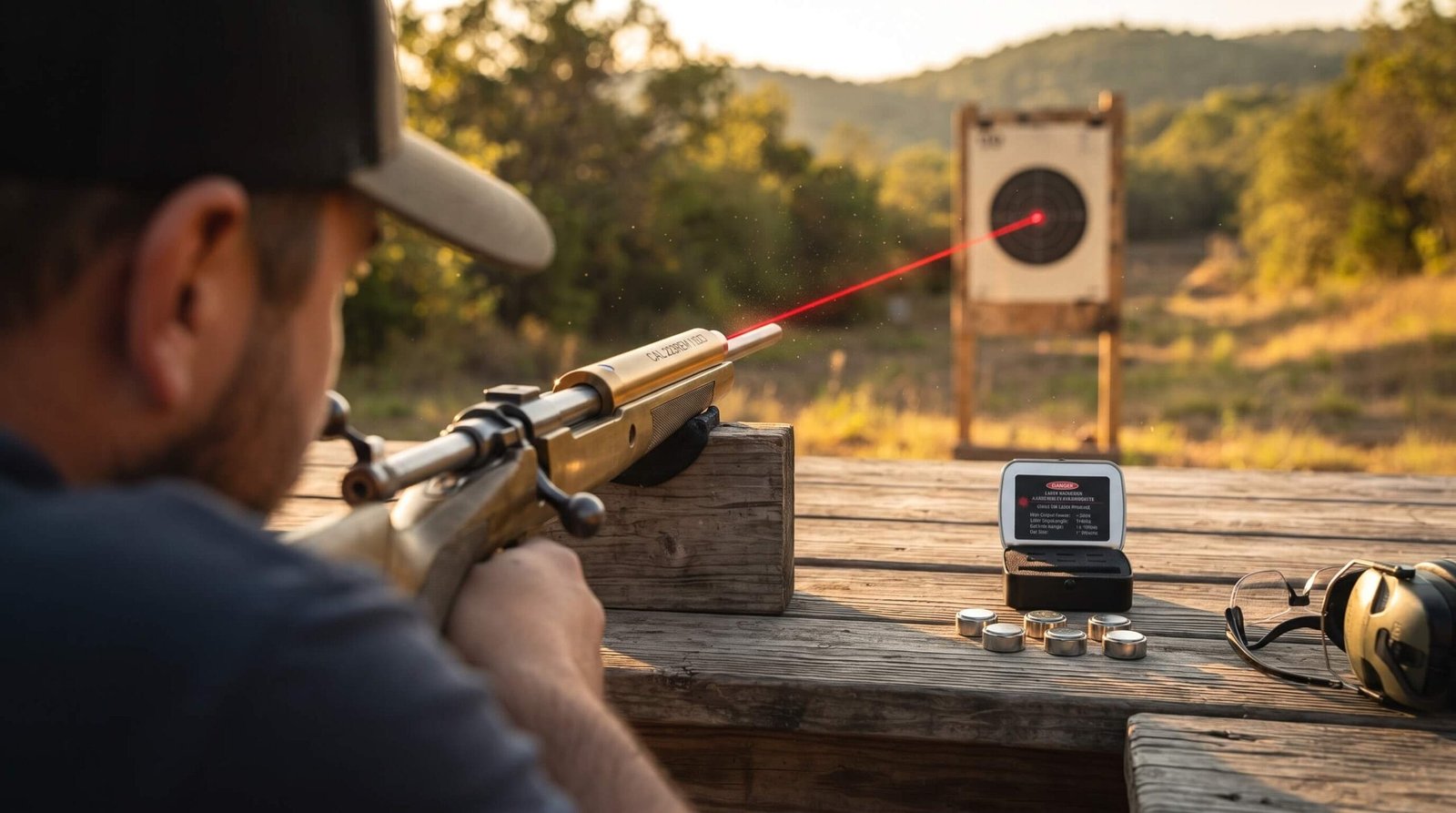
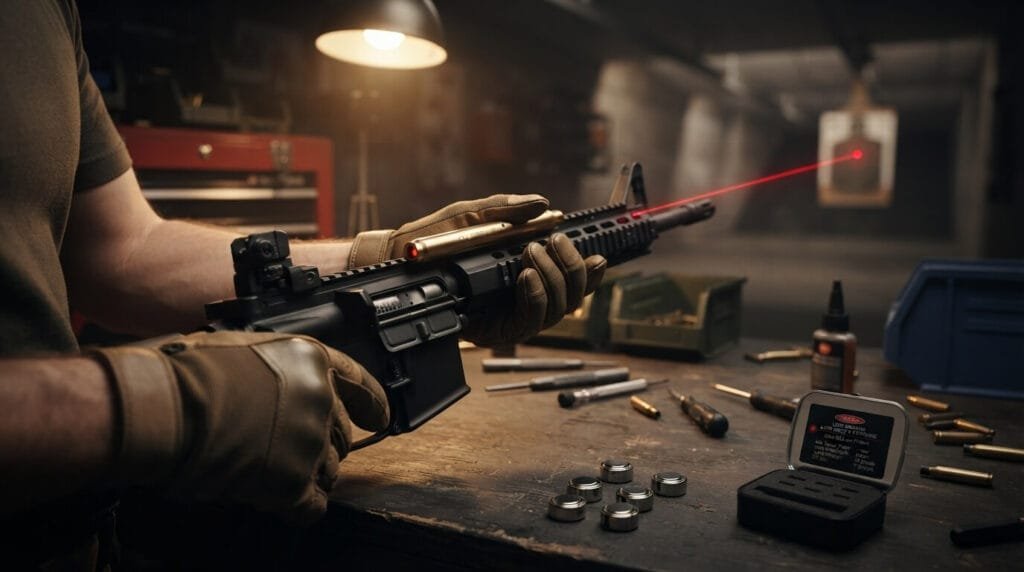
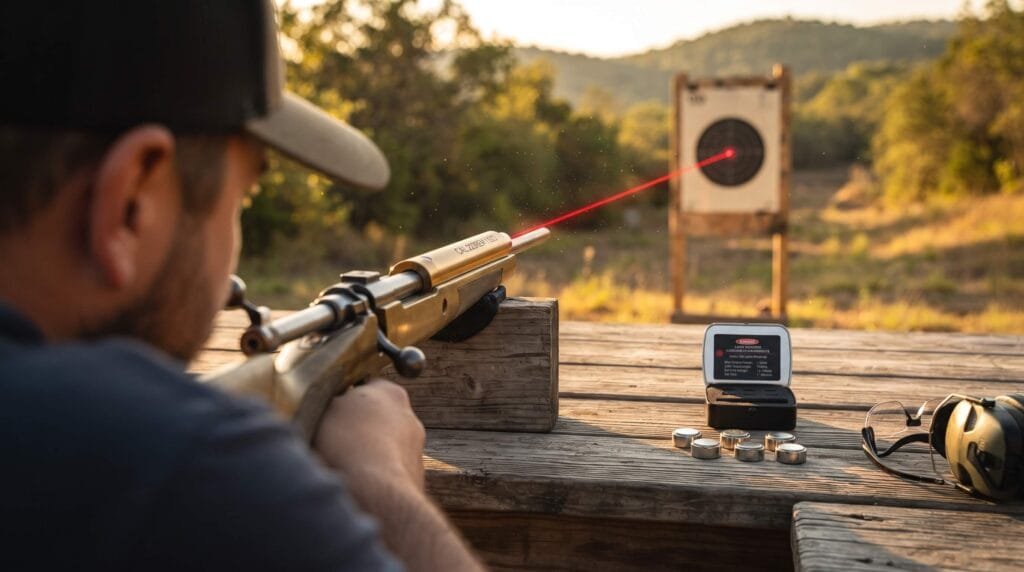
Quality scope systems (6-24x magnification) are essential for precise long-range shooting. Before heading into the field, using a laser bore sighter helps calibrate your optics quickly without wasting expensive ammunition.
Ammunition Considerations:
Ammunition must be appropriate for target species and hunting conditions. Outfitters usually advise specific ammunition for optimal results. Bringing excess ammunition is recommended since replacing ammunition mid-expedition is difficult.
Export ammunition from Pakistan presents regulatory challenges. Most hunters use ammunition acquired before travel. Pakistan’s import/export regulations on ammunition are strictly enforced.
Calibrate your rifle scope easily before hunting using the EZshoot Laser Bore Sight on Amazon.
Essential Expedition Equipment
Beyond firearms, successful hunts require comprehensive gear addressing extreme mountain conditions.
Critical Equipment List:
Clothing: Layered high-altitude clothing system including base layers, insulation, and weather-resistant outer shells. Temperatures vary significantly with elevation changes.
Footwear: Quality mountaineering boots with ankle support are essential. Poor footwear causes blister complications and ankle injuries on technical terrain.
Optics: Binoculars (10×42 magnification minimum) and spotting scopes are essential for locating animals in vast terrain.
Communication: Satellite phones or personal locator beacons provide emergency communication in areas without cellular service.
Camping Equipment: Sleeping bags rated for subzero temperatures (hunts occur in early fall when nights can freeze), sleeping pads, and quality tents.
Medical Supplies: Personal medications, altitude sickness medication (Diamox), blister treatment, pain relievers, and first aid supplies.
Miscellaneous: Maps, compass, headlamps, water treatment supplies, and energy foods.
Professional outfitters usually provide tents, camp equipment, and cooking supplies. Hunters typically bring personal clothing, optics, ammunition, and specialized equipment.
Small Game & Survival Gear
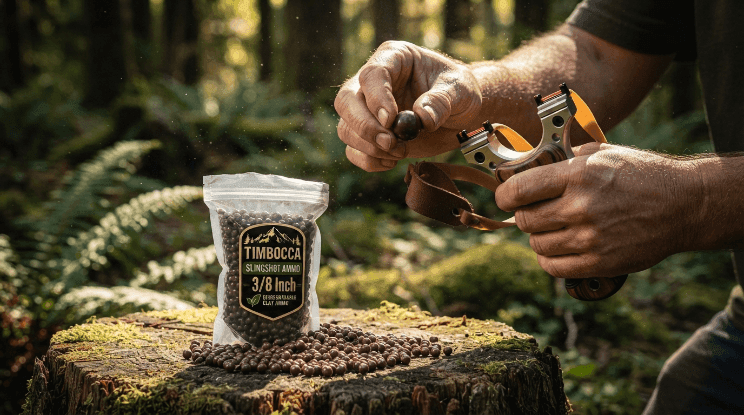
Carry eco-friendly Biodegradable Clay Slingshot Ammo for small game or target practice without leaving non-degradable waste in sensitive mountain habitats.
Cost Breakdown and Budget Planning
Complete Expedition Cost Analysis
Trophy hunting expeditions represent significant investments. Understanding complete costs helps budget planning and prevents financial surprises.
Typical Cost Components:
Permit Costs: $5,000-$15,000 (varies by species and area)
Outfitter Services: $25,000-$90,000 (all-inclusive package)
International Airfare: $800-$3,000 (varies by origin)
Pre-Expedition Travel to Base: $1,000-$3,000
Gratuities and Tips (guides, staff): $1,500-$3,000
Insurance: $500-$2,000 (specialized hunting/altitude insurance)
Equipment (if purchased): $3,000-$10,000 (firearms, optics, clothing)
Trophy Preparation/Export: $1,000-$5,000
Contingency Funds: $2,000-$5,000
Total Budget Expectations:
Budget expeditions: $40,000-$60,000
Mid-range expeditions: $60,000-$100,000
Premium expeditions: $100,000-$150,000+
These estimates are comprehensive and all-inclusive for quality outfitters. Budget outfitters may cost less but may compromise service quality. Premium outfitters with exceptional track records command higher prices.
Payment Structures and Timing
Most outfitters require deposit payments (25-50% of total cost) to secure permits and reserve dates. Final payment is typically due 30-60 days before the expedition.
Some outfitters operate on installment payment plans allowing hunters to spread costs across multiple months. Payment terms vary significantly between operators.
Hunters should verify payment security and establish clear refund policies. Reputable outfitters provide detailed contracts specifying payment terms, service inclusions, and refund conditions.
💰 BUDGET-CONSCIOUS PLANNING?
Get Detailed Cost Analysis for Your Expedition
Understanding the complete financial commitment ensures you budget appropriately for your trophy hunting expedition. Our specialists provide detailed cost breakdowns customized to your hunting goals, species selection, and preferred outfitters.
We help you with:
- Complete expedition cost analysis
- Payment plan options and financing guidance
- Value comparison between outfitter options
- Hidden cost identification and planning
- Return on investment analysis for trophy hunting
- Budget-friendly outfitter recommendations
Email: explorenagartravels@gmail.com
Subject Line: “Budget Analysis Request – [Species] – [Timeframe]”
Our team provides transparent, detailed cost information with no hidden fees or surprise charges.
Practical Planning Timeline for 2026-27 Season
12-Month Pre-Hunt Timeline
Months 1-2 (Planning Phase):
- Research Gilgit Baltistan trophy hunting information
- Evaluate available species and hunting areas
- Review registered outfitter options
- Contact multiple outfitters for quotes and information
- Begin fitness training program
- Schedule medical evaluation
Months 3-4 (Outfitter Selection):
- Compare outfitter proposals and references
- Verify Fauna Wing registration
- Finalize outfitter selection
- Sign contract and submit deposit
- Begin permit application process
- Continue fitness training
Months 5-6 (Permit and Logistics):
- Complete permit applications through outfitter
- Receive permit confirmation from Fauna Wing
- Arrange international travel (flights, visas)
- Finalize firearms and ammunition logistics
- Schedule altitude acclimatization planning with outfitter
- Intensify fitness training
Months 7-9 (Preparation Completion):
- Confirm all logistics with outfitter
- Finalize travel arrangements
- Complete insurance acquisition
- Final medical check-ups
- Brief equipment testing
- Maintain fitness conditioning
Months 10-12 (Immediate Pre-Hunt):
- Confirm expedition final details
- Prepare equipment and packing lists
- Verify all documentation and permits
- Make final travel arrangements
- Final medical clearance
- Prepare physically and mentally for expedition
Following this timeline ensures adequate preparation without last-minute complications.
📅 READY TO START PLANNING?
Begin Your 2026-27 Trophy Hunting Journey Today
The 2026-27 trophy hunting season is rapidly filling. Premium hunting blocks and popular outfitters book 6-8 months in advance. Now is the time to start planning if you want optimal permit allocation and outfitter selection.
Start the planning process with:
- Comprehensive consultation with hunting specialists
- Species and location recommendations based on your experience
- Outfitter vetting and selection guidance
- Timeline development and milestone tracking
- Permit application coordination
- Ongoing expedition planning support
Email: explorenagartravels@gmail.com
Subject Line: “2026-27 Trophy Hunting Expedition – Initial Consultation”
First-time consultations include detailed discovery of your hunting goals, experience level, and preferences. Our team provides customized recommendations based on your unique situation.
Legal and Ethical Considerations
Responsible Hunting Practices
Trophy hunting, when conducted responsibly, contributes to conservation objectives. Ethical hunting practices ensure long-term sustainability and respect for wildlife resources.
Ethical Hunting Standards:
Fair Chase Principles: Hunters should pursue trophy animals using methods providing animals fair opportunity to escape. Long-range shooting from concealment represents fair chase when executed skillfully.
Selective Harvest: Hunters should target mature males with exceptional trophy characteristics. Selective harvesting of premium animals maintains population genetic quality.
Humane Shooting: Clean kills minimizing animal suffering are the ethical standard. Shots should be carefully calculated to ensure quick, humane kills.
Respect for Wildlife: Hunters should maintain deep respect for hunted animals and wild places. Trophy hunting is not sport entertainment but serious engagement with wildlife.
Conservation Contribution: Responsible hunters understand their permit fees and success support conservation. Accepting conservation responsibility is fundamental to ethical hunting.
Export Regulations and Trophy Documentation
International trophy export requires understanding Pakistan’s wildlife export regulations and CITES (Convention on International Trade in Endangered Species) requirements.
Markhor hunting is legal under CITES because Pakistan maintains sustainable populations under quota management. CITES permits are required for international trophy export. Reputable outfitters handle CITES documentation and export permits.
Export Process:
Trophy preparation occurs in-country before export. Professional taxidermists prepare trophies for international shipment. The Fauna Wing issues export permits after verifying sustainable harvest compliance.
Hunters receive documentation package including CITES permits, export permits, and customs paperwork. This documentation enables trophy import into home countries without legal complications.
International shipping companies specialize in hunting trophy transport. Professional handlers ensure trophies arrive safely. Shipping costs typically range from $500-$2,000 depending on destination.
Technology and Modern Hunting
GPS, Mapping, and Navigation Technology
Modern hunting increasingly incorporates GPS technology and digital mapping. Outfitters use GPS navigation to track locations and guide expeditions in roadless terrain.
Hunters should bring GPS devices capable of marking waypoints and recording routes. Smartphone GPS applications with offline map capabilities provide additional navigation redundancy.
Topographic maps of hunting areas should be studied before expeditions. Understanding terrain topography improves hunting strategy and expedition planning.
Communication Technologies
Satellite phones enable emergency communication in areas without cellular service. Most professional outfitters carry satellite communication devices. Hunters should understand outfitter communication protocols.
Personal Locator Beacons (PLBs) provide emergency location signaling if serious incidents occur. Many experienced hunters carry PLBs as backup emergency communication.
Communication technologies enhance safety and provide peace of mind for family members during multi-week expeditions.
Post-Hunt Planning and Trophy Management
Trophy Preparation and Taxidermy
Professional trophy preparation begins immediately after successful hunts. Proper handling prevents damage and ensures trophy quality during the long journey home.
Experienced outfitters employ professional taxidermists managing trophy preservation. Trophies are skinned, cured, and prepared for international shipment under controlled conditions.
High-quality taxidermy services cost $1,000-$5,000 depending on animal size and preservation complexity. Premium taxidermists create museum-quality mounts.
Trophy Display and Documentation
Upon return home, hunters typically commission professional taxidermists to create permanent mounts. These mounts become lifetime reminders of successful expeditions and mountainous terrain experiences.
Documentation includes trophy measurements certified under Boone and Crockett Club standards. Official trophy scores become part of international hunting records.
Some hunters choose to document hunts through professional photographers and videographers. Trophy hunting is increasingly documented for media purposes.
Frequently Asked Questions About 2026-27 Trophy Hunting
Can First-Time Hunters Successfully Hunt in Gilgit Baltistan?
Absolutely. Many successful hunters are first-time international trophy hunters. The critical factors are:
Exceptional physical fitness
Genuine commitment to preparation
Quality outfitter selection
Realistic expectations about difficulty and success rates
First-time hunters should select experienced outfitters with strong guides. Guide quality substantially impacts first-time hunter success.
What is the Realistic Success Rate for Trophy Hunts?
Success rates vary by species and hunting conditions:
Markhor: 40-60% success (most difficult)
Ibex: 30-50% success (technically challenging)
Urial: 60-75% success (most achievable)
Success rates depend on season timing, weather conditions, hunter fitness, and luck. Even premium hunters face unsuccessful expeditions. Hunters should mentally prepare for potential expedition failure.
How Do I Know if an Outfitter is Legitimate and Trustworthy?
Verification steps include:
Check Fauna Wing registration on fwegb.gov.pk
Request client references and contact previous hunters directly
Verify permit acquisition ability through Fauna Wing directly
Review online reviews and hunting forum discussions
Assess contract clarity and payment security
Evaluate insurance and liability coverage
Confirm professional guide credentials
Legitimate outfitters willingly provide verification. Red flags include reluctance to provide references, vague contract terms, or questionable payment structures.
Need help verifying an outfitter? Email explorenagartravels@gmail.com with outfitter name for verification assistance.
What Happens if I Don’t Successfully Hunt a Trophy?
Unsuccessful expeditions still occur despite quality outfitters and hunter preparation. Most outfitter contracts specify:
If unsuccessful hunts occur, permits remain with hunters for potential return expeditions
Some outfitters offer reduced rates for return attempts
Permit costs are typically non-refundable but may apply to future hunts
Guide and outfitter services are charged regardless of success
Hunters should understand upfront that trophy hunting has inherent failure risk. Financial commitment should reflect this reality.
Can Women Hunt Trophy Animals in Gilgit Baltistan?
Yes. Pakistan’s trophy hunting regulations do not restrict female participation. Women successfully hunt Markhor, Ibex, and Urial. Physical requirements are identical regardless of gender.
Female hunters should ensure outfitters have experience with women clients and understand accommodation requirements. Quality outfitters serve diverse hunter demographics successfully.
Conclusion: 2026-27 Trophy Hunting Season Opportunities
The 2026-27 trophy hunting season in Gilgit Baltistan presents extraordinary opportunities for hunters seeking world-class mountain hunting experiences. The combination of exceptional trophy species, pristine wilderness, and sustainable hunting management creates unique value.
Success requires careful planning, quality outfitter selection, serious physical preparation, and realistic expectations. Hunters who invest adequately in preparation maximize success probability while ensuring expedition safety.
Trophy hunting in Gilgit Baltistan transcends simple animal harvesting. The experience encompasses extreme mountain wilderness, genuine wildlife conservation, cultural exchange, and personal transformation. Successful hunters report expeditions fundamentally change their perspective on wildlife, wilderness, and personal capability.
The 2026-27 season represents opportunity for discriminating hunters willing to invest resources and effort in preparation. Contact registered outfitters directly, verify credentials through the Fauna Wing, and begin planning now. Permit allocation is limited, and popular hunting blocks fill months in advance.
Don’t Miss the 2026-27 Trophy Hunting Season
Premium hunting blocks are filling rapidly. Professional outfitters report existing bookings for August-October 2026. Decision-makers are choosing expeditions now.
Take the first step today:
Email: explorenagartravels@gmail.com
Put “2026-27 Expedition Inquiry” in the subject line and include:
- Preferred species (Markhor, Ibex, or Urial)
- Preferred hunting timeframe (month/dates)
- Your hunting experience level
- Budget range (if established)
- Any specific questions or concerns
Our team responds within 24 hours with:
- Customized expedition recommendations
- Verified outfitter options and pricing
- Complete planning timeline
- Answers to all your questions
- Next steps for securing your expedition
Gilgit Baltistan’s trophy hunting legacy extends across generations of hunters. Contributing to this tradition while supporting conservation objectives creates meaningful hunting experiences unavailable elsewhere globally.
The 2026-27 season awaits. Make your decision today.