Last updated: 3 November 2026
Short Answer
Driving from Islamabad to Hunza (Karimabad) is a journey of about 700 km and 16 to 19 hours of driving time via the Karakoram Highway (KKH) through Besham, or about 530 km to Gilgit via the seasonal Babusar route in summer. Do not attempt it in one day: plan 2 days on the road, with an overnight break at Besham or Chilas on the KKH route, or at Naran on the Babusar route, and arrive in Karimabad on the second or third day. The KKH route is open all year and is the reliable winter route; the Babusar route is shorter and more scenic in summer but closes with snow, roughly late May or June to October. This guide is about the drive itself — the stops, the overnight breaks, the fuel points and the slow sections — not about flights or bus timetables, which the site’s How to Get to Hunza Valley guide covers. Check road conditions on the morning you leave: landslides, roadworks and weather can add hours to any estimate here.
Which route should you take: KKH via Besham, or Babusar in summer?
| Route | Distance to Karimabad | Driving time | Season | Best for |
|---|---|---|---|---|
| Karakoram Highway via Besham | About 700 km to Karimabad (about 600 km to Gilgit, then about 100 km to Karimabad) | 16 to 19 hours driving | All year | Winter, first-time drivers, reliability |
| Naran–Babusar route | About 530 km to Gilgit via Babusar, then about 100 km to Karimabad | 11 to 14 hours driving to Gilgit in season | Roughly late May/June to October | Summer scenery, combining Naran and Hunza in one trip |
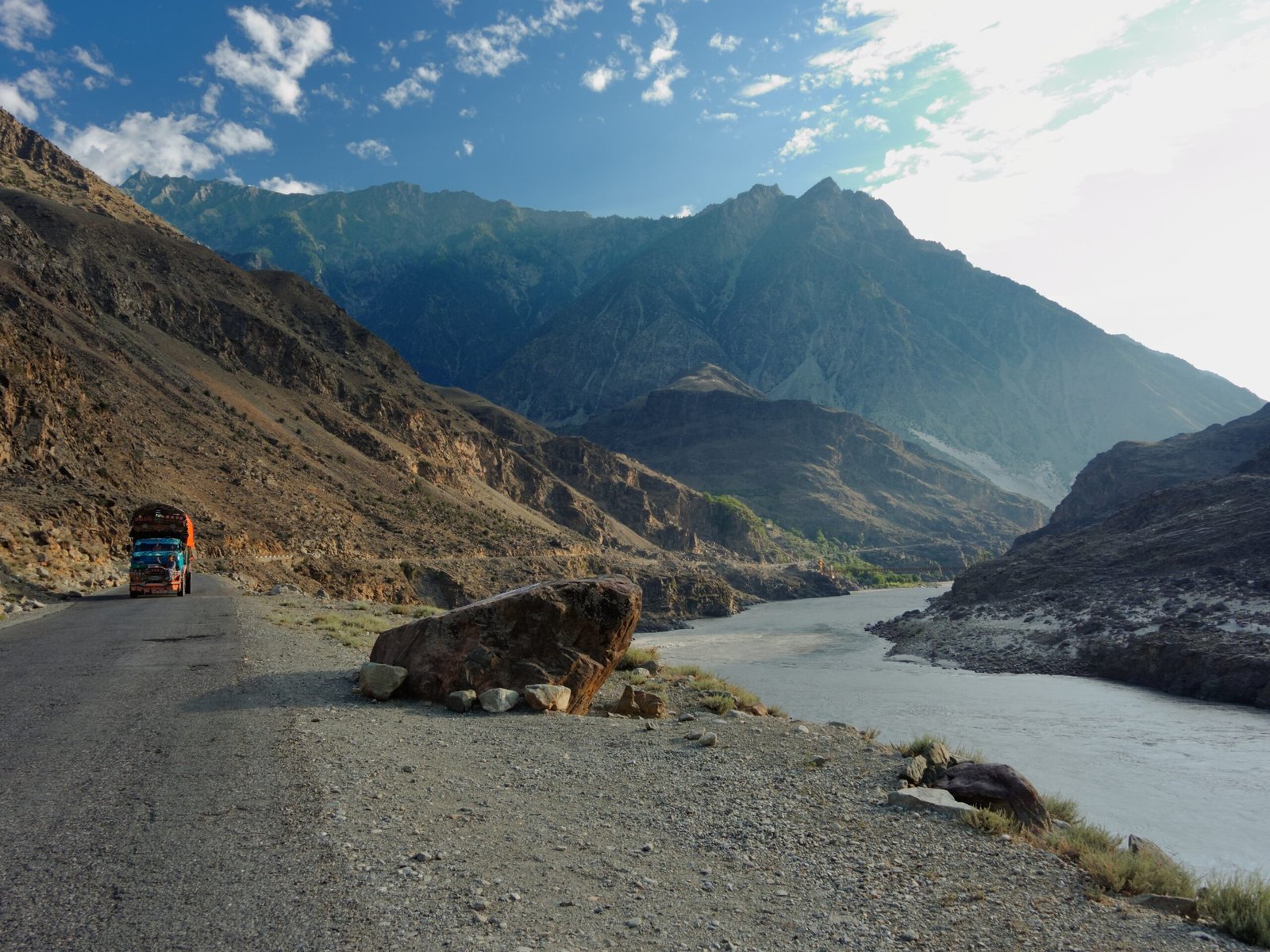
The KKH route is longer but simpler: one highway, fewer decisions, and no pass to close. Its slowest section is Besham to Chilas, where the road follows the Indus River through narrow gorges, with landslide repairs and rolling closures. The Babusar route is shorter and, in summer, more beautiful — Kaghan Valley, Lulusar Lake and the 4,173 m Babusar Top — but it adds a pass crossing, a jeep-track mindset and a hard seasonal limit. In winter, there is no choice to make: take the KKH via Besham.
What are the stops on the Karakoram Highway route, in order?
| Stop | What to expect | Driving note |
|---|---|---|
| Islamabad to Hasan Abdal | The start of the KKH (N-35), leaving the capital’s motorways for the mountain road | Fill fuel and buy supplies here; the road narrows north of here |
| Abbottabad and Mansehra | Hill towns on the Hazara road, with food, fuel and services | A good first break, 2 to 3 hours from Islamabad |
| Besham | A riverside town on the Indus, the usual first overnight break | The road beyond Besham follows the Indus gorge and slows considerably |
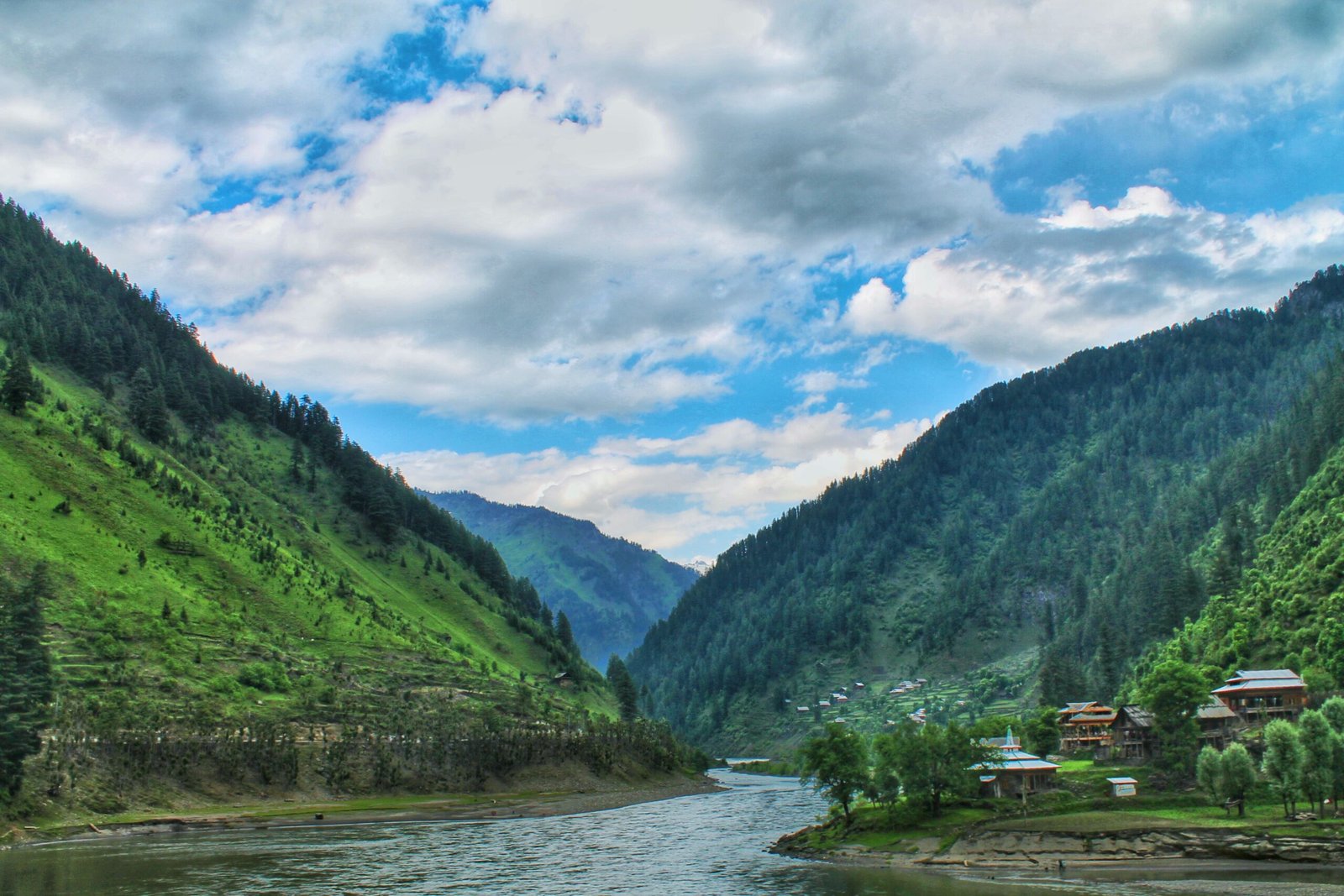
| Dassu and the Indus gorge | Narrow road, landslide-prone sections, and long stretches beside the river | Drive in daylight only; allow extra time for closures |
| Chilas | A hot, dry town on the KKH, about 470 km from Islamabad via Besham, and the common overnight break | Fuel here; the Babusar road also joins the KKH at Chilas in summer |
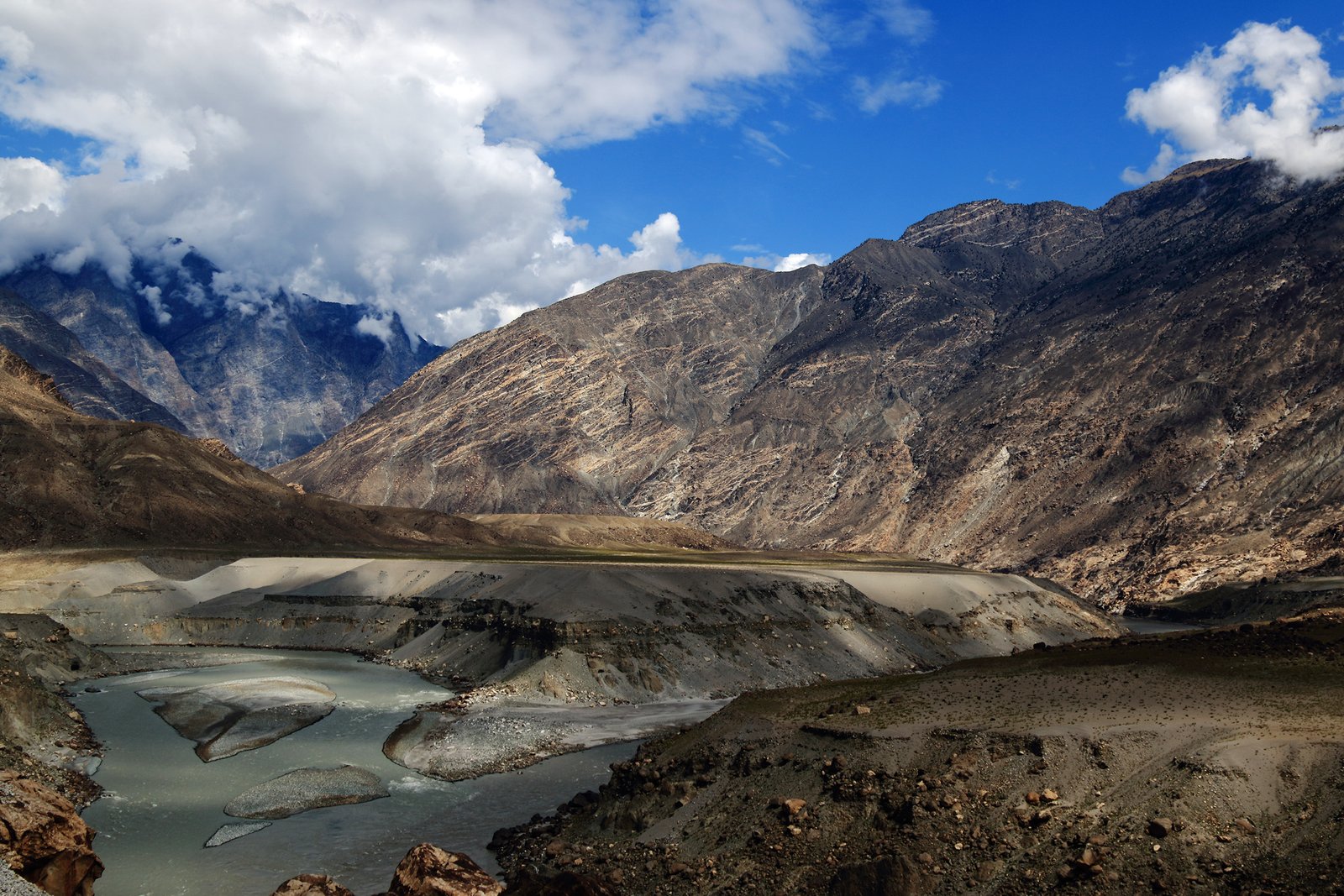
| Junction Point at Jaglot | Where the Indus and Gilgit rivers meet, and where the three great ranges — Himalaya, Karakoram and Hindu Kush — are said to meet | A photo stop, not an overnight stop |
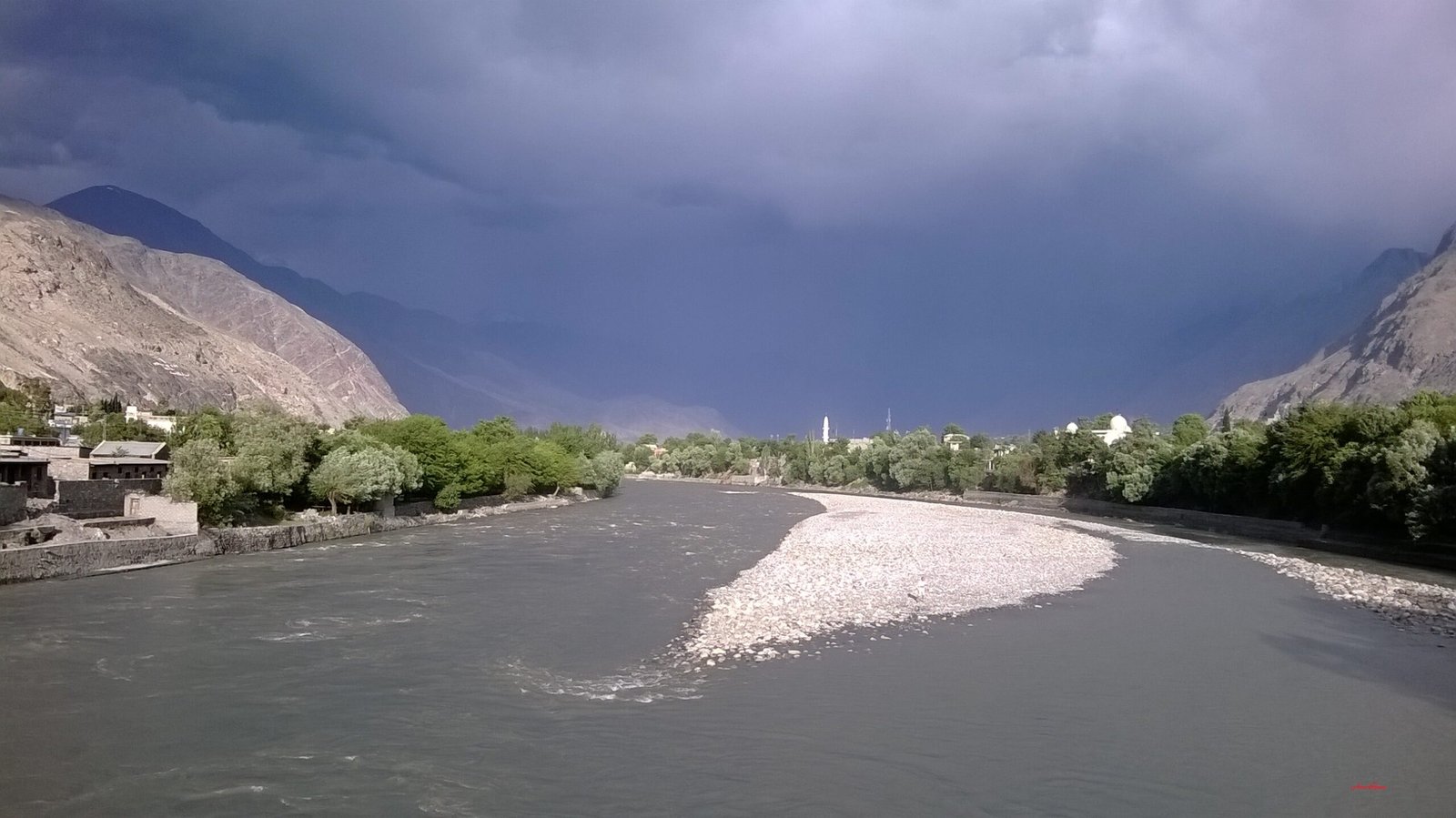
| Gilgit City | The capital of Gilgit-Baltistan, about 600 km from Islamabad via Besham, with bazaars, fuel and services | A useful rest and resupply stop, 2 to 3 hours from Karimabad |
| Rakaposhi Viewpoint | The classic viewpoint of Rakaposhi (7,788 m) on the road north from Gilgit | Stop in clear morning light for the best view |
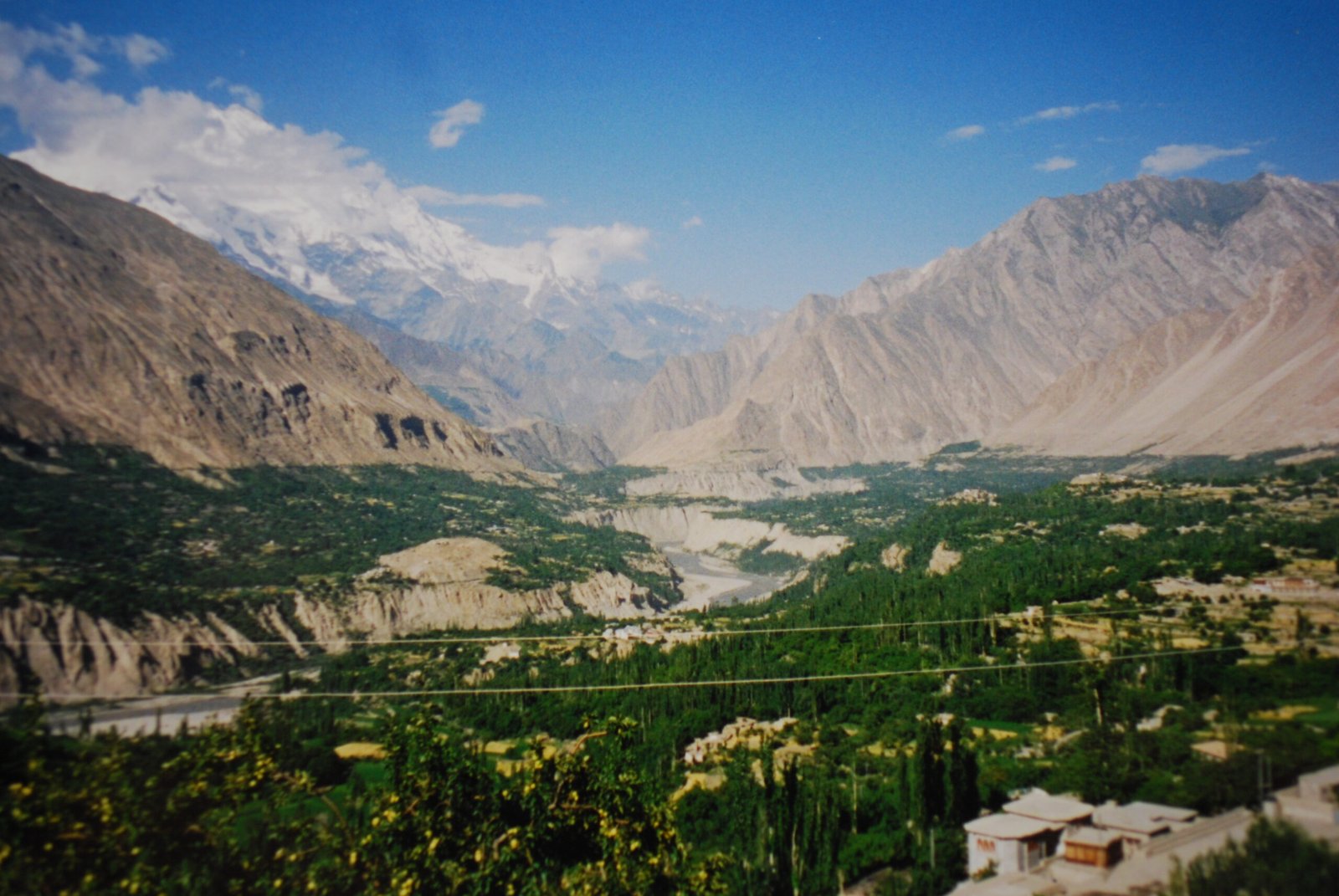
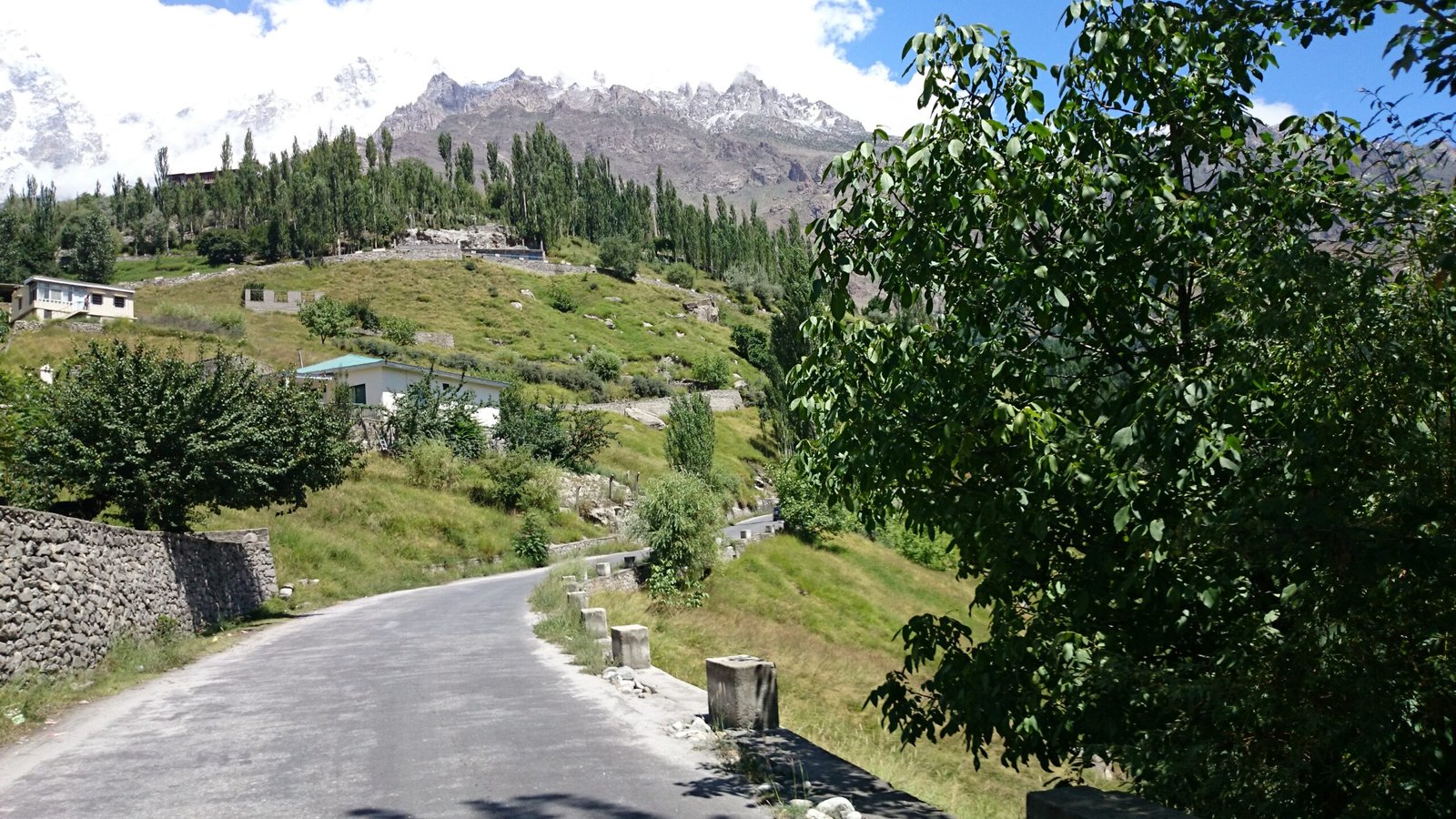
| Karimabad, Hunza | The old capital of Hunza, about 100 km and 2 to 3 hours from Gilgit | The end of the gateway drive; Baltit and Altit forts are here |
What are the stops on the Babusar route, in order?
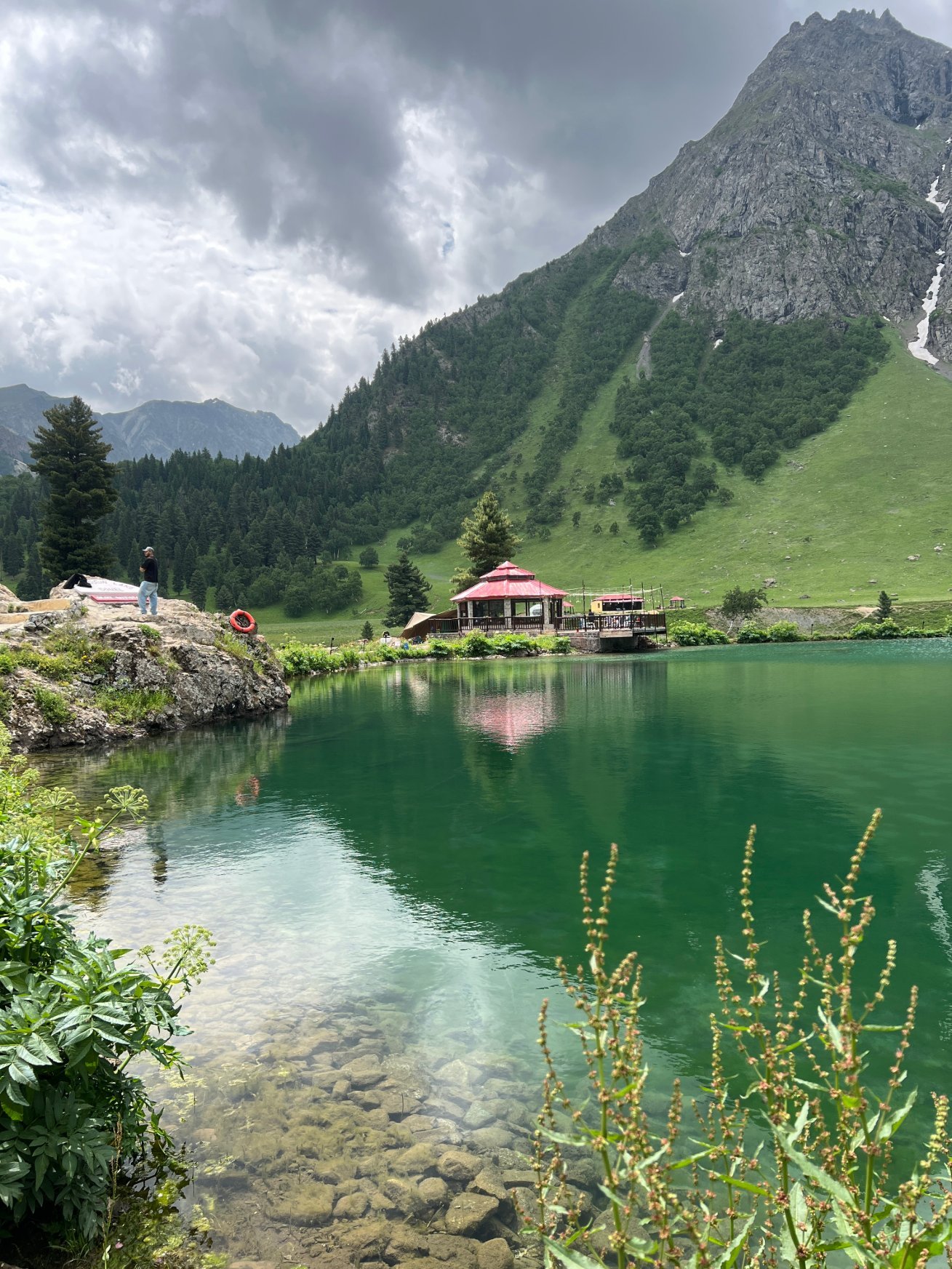
Islamabad to Balakot, then up the Kaghan Valley to Naran (about 240 to 285 km, 6 to 7 hours), overnight in Naran. From Naran, drive north through Batakundi and Jalkhad, past Lulusar Lake (about 48 km from Naran), to Babusar Top at 4,173 m, then drop to Chilas and join the KKH to Gilgit and Karimabad. The Naran to Babusar to Chilas section is about 65 km from Naran to the pass, plus the descent to Chilas, and should be treated as a full day’s drive, not a detour. The Babusar route rewards an extra night in Naran: a morning at Saiful Muluk Lake, then the pass the next day, is a far better trip than a rushed crossing.
Where should you break the journey overnight?
On the KKH route, Besham or Chilas are the standard breaks. Besham suits drivers who leave Islamabad late in the morning and want an early stop; Chilas suits drivers who push further on day one and want a shorter second day to Hunza. On the Babusar route, Naran is the natural break, with the most hotels and services in the upper Kaghan Valley. Gilgit City is also a sensible break if you arrive late: it is better to sleep in Gilgit and drive the final 100 km to Karimabad in daylight than to push on tired. Whatever you choose, book ahead in peak season (June to August), when hotels at Naran, Chilas and Karimabad fill, and avoid planning a night drive on mountain roads: the Besham–Chilas gorge and the Babusar descent are daylight roads.
What should you know about fuel, landslides and driving safety?
Fuel is available at the main towns — Mansehra, Besham, Chilas and Gilgit — but stations become rarer between them, so fill up at each major town rather than assuming the next one will be open. Landslides are the main delay on the KKH, especially on the Besham–Chilas section and after rain; check conditions before departure and again at Besham or Chilas, and carry water, food and a charged phone for a long wait. Drive in daylight, keep to a sensible speed on narrow sections, and give way to heavy vehicles on blind bends. If you are hiring a car and driver, choose a driver who has driven the KKH before: local knowledge of landslide points, fuel stops and overnight towns is worth more than a lower quote. Finally, altitude is modest on this drive until Hunza itself: Karimabad sits at about 2,500 m, so altitude sickness is unlikely on the road, but the Babusar crossing at 4,173 m can cause headaches — take that pass slowly.
A practical 2-day KKH drive plan
Day 1: Leave Islamabad early, drive via Abbottabad and Mansehra to Besham or Chilas, with stops for food and fuel, and overnight at Besham or Chilas. Day 2: Drive from Chilas via Jaglot and Gilgit to Karimabad, with stops at the Junction Point, Gilgit bazaar and Rakaposhi Viewpoint, arriving in Karimabad in the afternoon. With a third day, add a night in Gilgit City, or a Naran detour on the way back in summer. The return journey reverses the plan, with the same overnight logic: do not attempt Karimabad to Islamabad in a single day.
Frequently asked questions
How long does it take to drive from Islamabad to Hunza?
About 16 to 19 hours of driving time via the Karakoram Highway through Besham, covering about 700 km to Karimabad, or about 11 to 14 hours to Gilgit via Babusar in summer. In practice, plan 2 days on the road with an overnight break, since stops, fuel, food and landslide delays add hours to the driving time alone.
Is the Karakoram Highway open all year?
Yes, the KKH via Besham is open all year and is the reliable winter route to Gilgit-Baltistan. It can still be delayed by landslides and roadworks, especially on the Besham–Chilas section, so check conditions before departure even in winter. The Babusar alternative, by contrast, closes with snow outside summer.
Should I drive myself or hire a car and driver?
Hiring a car and driver is the better choice for most visitors, especially first-time drivers on the KKH. A local driver knows the landslide points, the fuel stops and the overnight towns, and can handle the narrow gorge sections. Self-driving is possible with a reliable vehicle and daylight driving, but it adds fatigue to an already long journey.
Where is the best place to break the journey overnight?
Besham or Chilas on the KKH route, Naran on the Babusar route, and Gilgit City if you arrive late. Besham suits an early stop, Chilas shortens the second day, and Naran is the natural break on the summer route. Book ahead in peak season, and avoid night driving on mountain roads.
Can I drive from Islamabad to Hunza in one day?
It is physically possible but not recommended. A single-day drive means 16 to 19 hours behind the wheel, much of it on narrow mountain roads, with no margin for landslides, fuel stops or fatigue. The sensible plan is 2 days, with an overnight break, and a third day if you want to stop properly in Gilgit or Naran.