Short Answer
Naltar Valley, above Gilgit, is Gilgit-Baltistan’s green exception: pine forest, a chain of jewel-coloured lakes, and Pakistan’s main ski slope, all reached by one rough jeep road. Come in June to September for the lakes and forest walks, or in January and February for skiing and the winter sports festival. Allow one night at minimum — a day trip from Gilgit is possible but rushed — and hire a 4×4 from Gilgit, because the road beyond Nomal is unpaved and steep. There are no ATMs in the valley and phone signal fades above Nomal.
Where Naltar sits
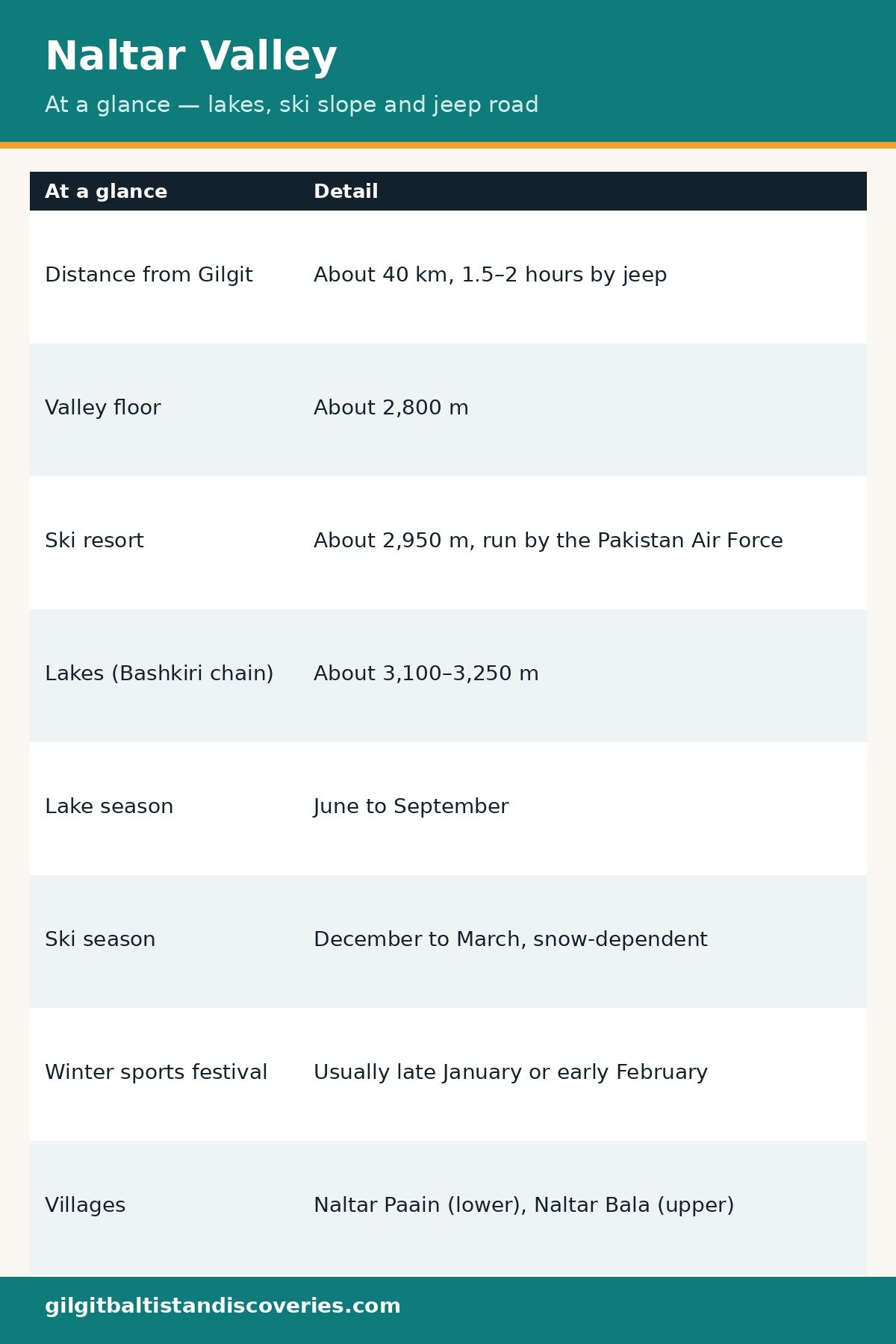
Naltar Valley lies about 40 km from Gilgit city, in Gilgit District, reached by a jeep road that climbs through Nomal to the two main villages, Naltar Paain (lower) and Naltar Bala (upper). The valley floor sits at about 2,800 m, the ski resort at about 2,950 m, and the lakes higher still at about 3,100–3,250 m. That modest altitude still deserves respect on arrival: take the first afternoon easy, and expect cold nights even in July.
| Naltar Valley at a glance | Detail |
|---|---|
| Distance from Gilgit | About 40 km, 1.5–2 hours by jeep |
| Valley floor | About 2,800 m |
| Ski resort | About 2,950 m, run by the Pakistan Air Force |
| Lakes (Bashkiri chain) | About 3,100–3,250 m |
| Lake season | June to September |
| Ski season | December to March, snow-dependent |
| Winter sports festival | Usually late January or early February |
| Villages | Naltar Paain (lower), Naltar Bala (upper) |
The coloured lakes
The Bashkiri chain
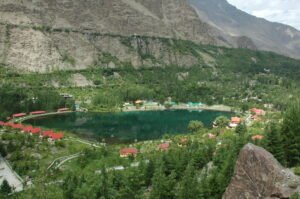
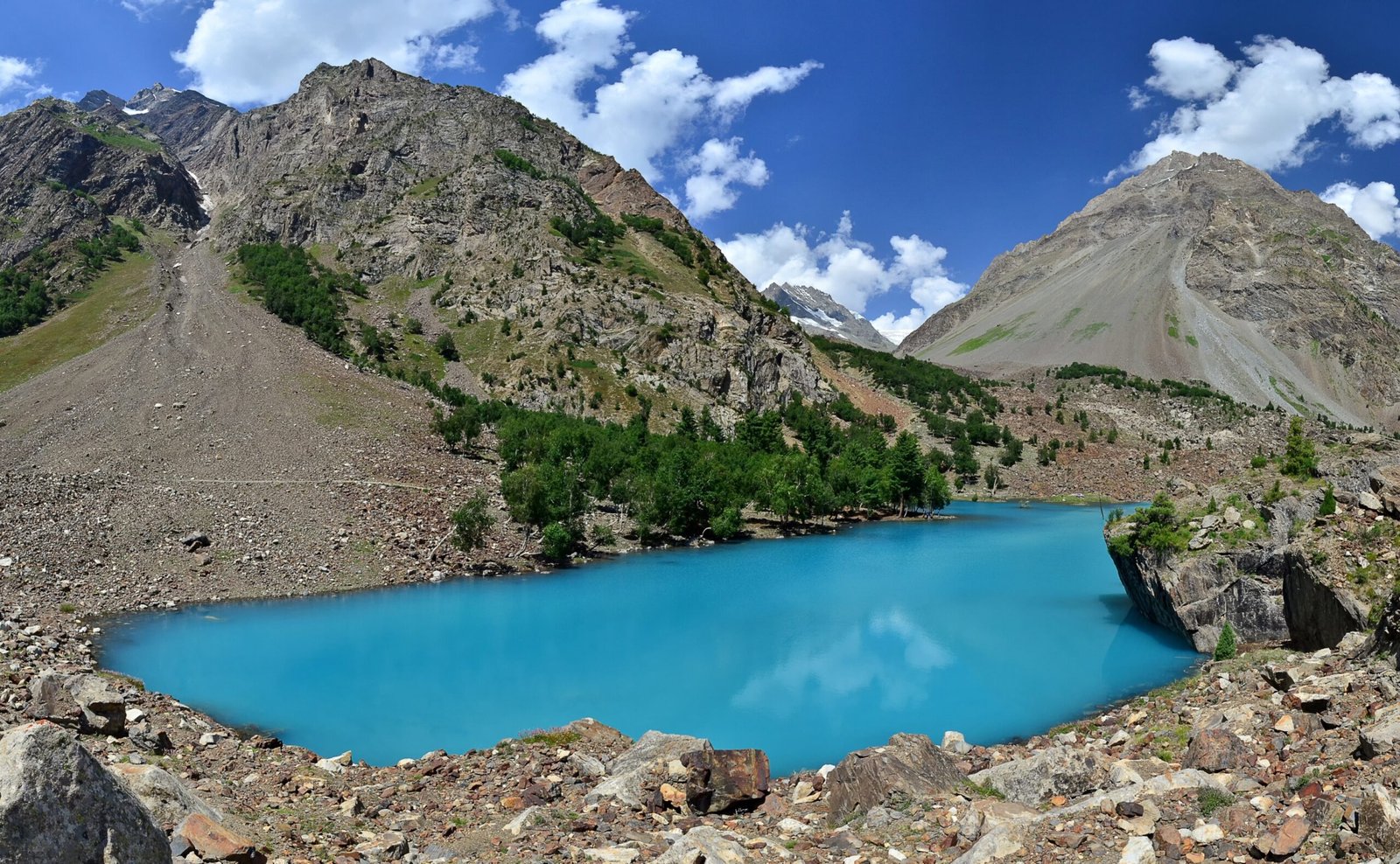
The upper valley holds a chain of small glacial lakes known as the Bashkiri lakes, whose mineral-rich water glows in extraordinary shades — turquoise, deep blue and green — shifting with the light and the season. The most famous is Satrangi Lake, the “seven colours” lake, and the chain also includes Blue Lake and the Feroza and Pari lakes; local naming varies between sources, so ask your driver or guide which lake is which on the day rather than trusting a single map label. The colours are most intense under bright midday sun.
Getting to the lakes
Reaching the lakes means a further jeep stretch beyond Naltar Bala plus a short walk — the exact combination depends on the track’s condition that season. Satrangi Lake is a 3–4 hour return hike from Blue Lake, gaining about 400 m to a wide alpine basin; it is the full-day option and the one worth choosing if you have only one lake day. Shinghu Meadows, a longer hike above Blue Lake, is the classic overnight camping spot, best from July to September.
Skiing in Naltar
The slope
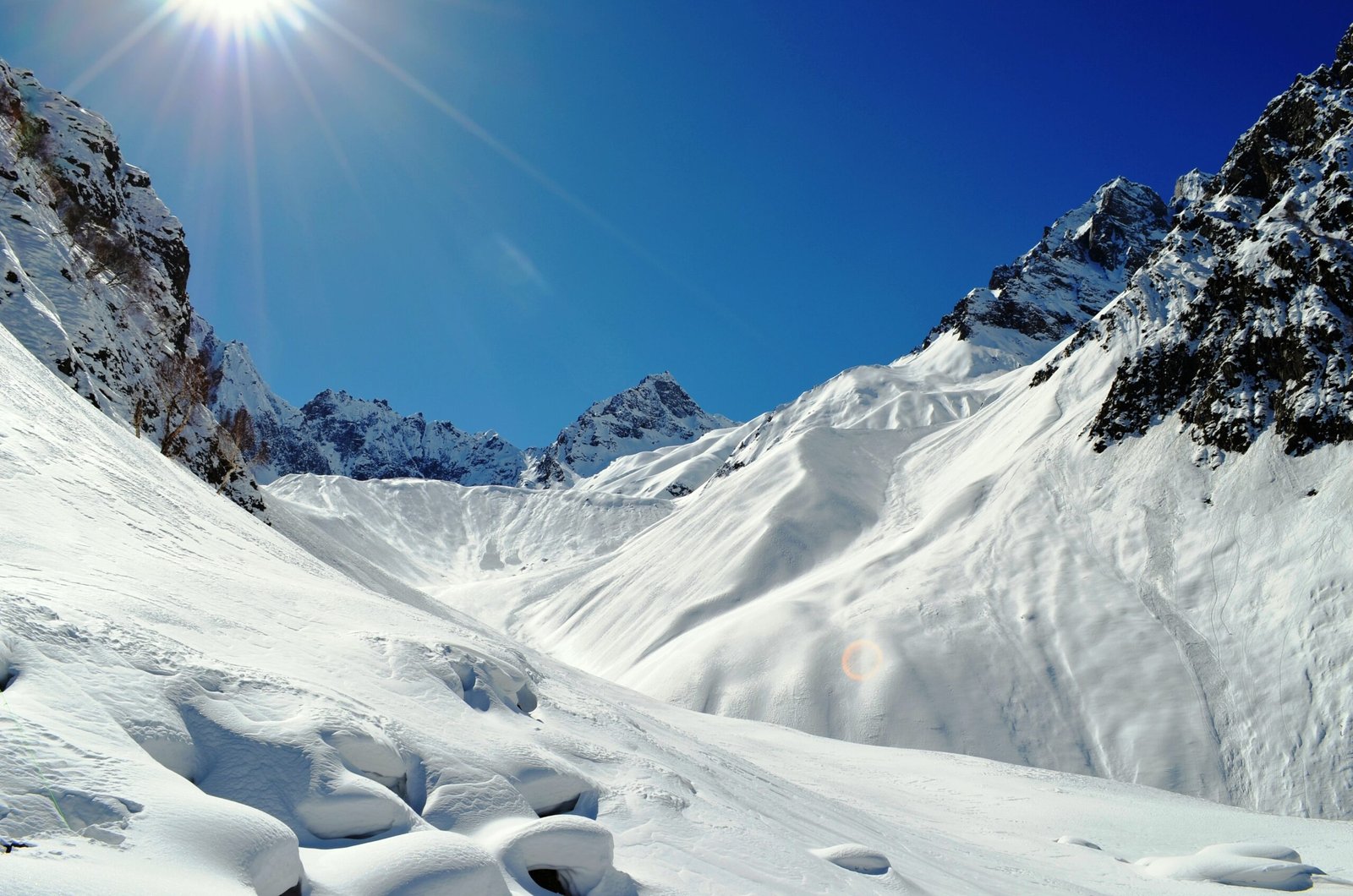
Naltar is the home of skiing in Pakistan. The Pakistan Air Force operates a working ski slope with a chairlift at Naltar Bala, used for national competitions and training, with basic equipment rental, a ski school and a base lodge. It is one of only two ski resorts in the country, and the honest comparison matters: this is a real but modest facility, not a European resort — equipment is limited and best arranged in advance through an operator.
The winter festival
The Winter Sports Festival, organised with the Pakistan Air Force and the Winter Sports Federation of Pakistan, usually runs in late January or early February, with skiing, snowboarding and ice hockey competitions. Winter access from Gilgit stays open in most conditions, and January and February are the genuine ski months. Confirm festival dates locally — they move with snow and the competition calendar.
Forest, wildlife and the sanctuary
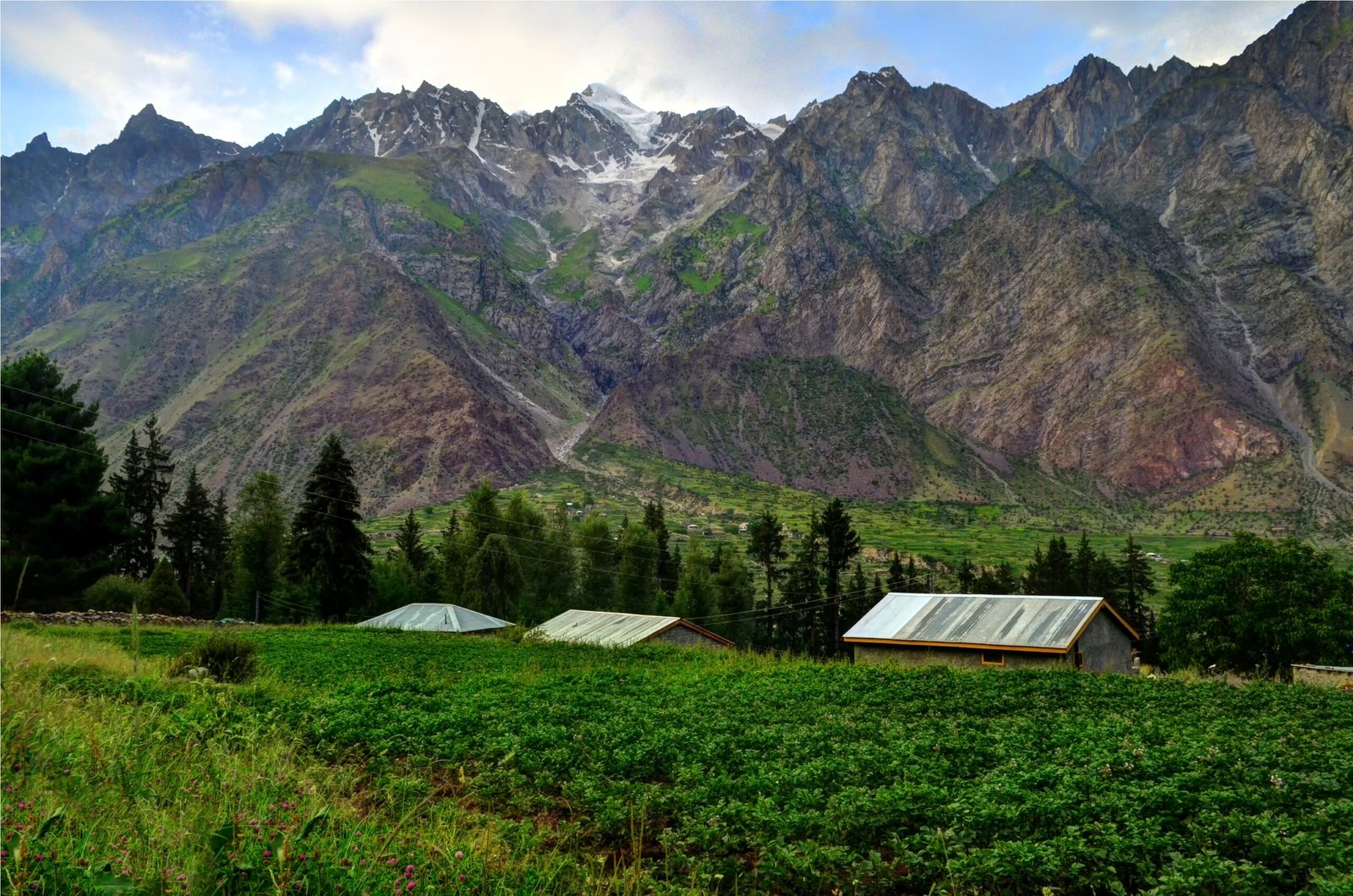
Naltar’s pine forest is the valley’s other character: dense, quiet and a complete contrast to the bare rock of the surrounding Karakoram. The Naltar Wildlife Sanctuary is home to ibex, markhor, red fox and the Himalayan monal, with snow leopards present but rarely seen — treat any wildlife sighting as luck, not a programme item. Birdwatchers report more than 35 species in the valley. Keep to paths, carry out all rubbish, and do not approach livestock or shepherd camps without greeting their owners first.
The jeep road: the honest section
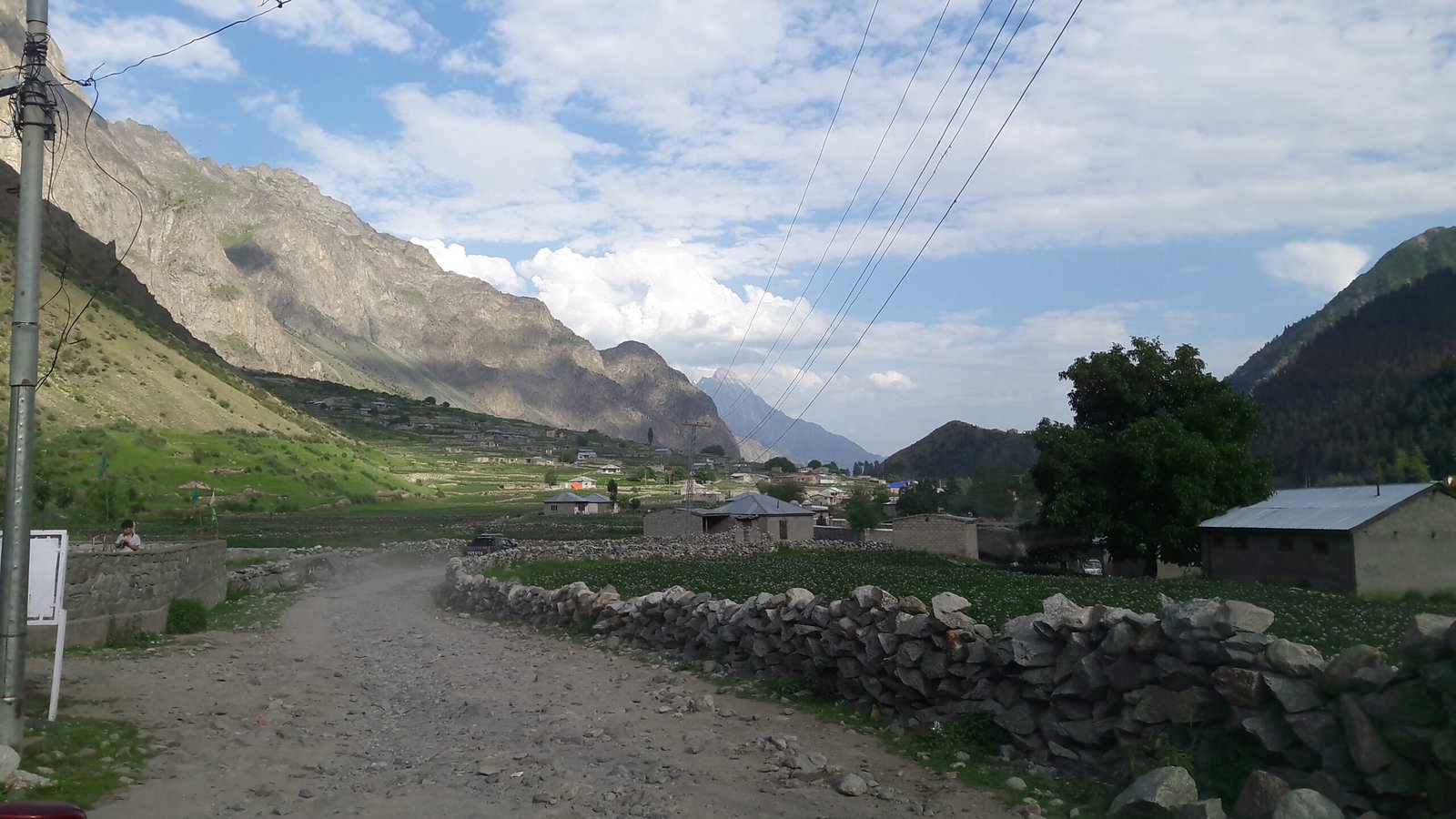
The road from Gilgit to Naltar is the part most guides skip, and it is the part that decides whether your trip works. The paved road ends and the track climbs, unpaved and rough, beyond Nomal; a 4×4 is required, and the drive takes 1.5–2 hours from Gilgit in good conditions. In rain the track gets slippery, and in winter it needs a driver who knows the snow. Hire the jeep in Gilgit through your guesthouse or operator, agree the price before departure, and do not attempt the upper track in a low-clearance car. This is the single most common reason Naltar trips go wrong, and it is entirely avoidable.
Where to stay and eat
Stay in Naltar Bala for the lakes and the ski slope, or in Naltar Paain for a quieter night. Options range from the timber-and-stone rooms of the better lodges in Naltar Bala to basic guesthouses and PTDC-style motels — book through your operator in ski season and in July and August. Food is simple valley cooking from the guesthouse kitchen, with local trout when in season. Heating matters: confirm it before booking in shoulder season, when nights are cold.
Practical tips for Naltar Valley
- One night minimum: A day trip from Gilgit is possible, but the jeep road plus a lake hike makes a long day. One night turns it into a holiday.
- No ATMs, patchy signal: Carry rupees from Gilgit, and confirm jeep, guide and hotel plans before you leave Nomal — phone signal is limited above it.
- Boots for the lake walks: The lake tracks are rocky and uneven. Sturdy, broken-in boots are the single most useful item — the KEEN Targhee 3 is the site’s tested pick for Karakoram trails.
- Combine it: Naltar pairs with a Gilgit city stop on the way in and with Hunza beyond it. For packing, see What to Pack for Northern Pakistan; for season timing across the region, see the Best Time to Visit Hunza Valley guide.
Frequently Asked Questions
Where is Naltar Valley?
Naltar Valley is in Gilgit District, about 40 km from Gilgit city, reached by a 1.5–2 hour jeep ride through Nomal to the villages of Naltar Paain and Naltar Bala.
What are the Naltar lakes?
The Bashkiri lakes are a chain of small glacial lakes above Naltar Bala, including Satrangi (the “seven colours” lake), Blue Lake and the Feroza and Pari lakes, at about 3,100–3,250 m. Their colours shift with light and season.
Can you ski in Naltar?
Yes. The Pakistan Air Force operates a ski slope with a chairlift at Naltar Bala from December to March, snow permitting, with basic rental and a ski school. It is one of only two ski resorts in Pakistan.
Do I need a 4×4 for Naltar?
Yes. The road beyond Nomal is unpaved and steep, and a 4×4 hired in Gilgit is required. Do not attempt the upper track in a low-clearance car, especially in rain or snow.
When is the best time to visit Naltar Valley?
June to September for the lakes, forest walks and camping; January and February for skiing and the winter sports festival. November is snowbound at the upper end, and April to May is the muddy shoulder.
Last updated: 26 October 2026