The Punjab government will spend Rs5.886 billion on the rehabilitation and preservation of eight historic buildings and six bazaars in the Walled City of Rawalpindi, to attract tourists and preserve the culture of the Potohar region. The provincial cabinet, chaired by Chief Minister Maryam Nawaz Sharif, has approved the designation of markets and heritage properties within the Walled City as protected heritage.
Table of Contents
ToggleWhat happened
The Department of Tourism, Archaeology and Museums will execute the project, called the Heritage Conservation and Urban Revitalisation of the Walled City of Rawalpindi. The work covers restoring the area’s historic heritage to its original state, improving building facades, developing pedestrian-friendly streets, moving electrical wiring underground, and rehabilitating public spaces.
The eight buildings designated as protected heritage are the Bagh Sardaran Complex, Jamia Masjid, Haveli Sujan Singh, Haveli Mohan Singh, Krishna Temple, Haveli Durga Niwas, Kalyan Das Mandir and Khurshid Cinema. The protected area spans 2,546 kanals and six marlas and includes Jamia Masjid Road, Purana Qila Bazaar, Sarafa Bazaar, Bhabra Bazaar and Bagh Sardaran Road. The cabinet granted the protected status on the recommendation of the Directorate General of Archaeology.
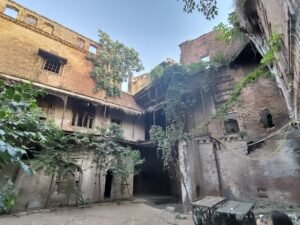
The buildings reflect the Mughal, Sikh and British eras of the city, and many had begun to fade through rapid urbanisation and encroachments. The best known is the 135-year-old Haveli Sujan Singh in Bhabra Bazaar, built in 1890 by Sardar Sujan Singh, with 45 rooms across four storeys, brick masonry, English tiles and Kashmiri wood carvings. Kalyan Das Mandir in Kohati Bazaar, built in 1850, is one of the largest temples in the city. Krishna Temple, built in 1897, is the only functional Hindu temple in the twin cities. Haveli Durga Niwas dates from 1934. No completion date for the project has been announced.
What it means for travellers
Rawalpindi is the gateway city for most trips north: travellers fly into Islamabad, then drive the Karakoram Highway or catch a domestic flight to Skardu or Gilgit. Until now the old city has rarely been a stop in its own right, even though its bazaars and havelis carry three centuries of layered history. If this project is delivered as approved, the Walled City becomes a genuine half-day stop on the way to the mountains, with walkable streets, restored facades and protected buildings to visit.
For now it is a project, not a finished attraction, so travellers passing through should expect restoration work in the old bazaars. The bazaars themselves are open and worth a walk, and the havelis can be seen from the street.
What to watch
Watch for the start of work on the ground and for a completion timeline, which the announcement does not give. Watch whether the project adds visitor facilities, such as guided walks and opening hours, since most havelis are privately owned and not open to visitors. And watch whether the pedestrian streets and underground wiring, the parts that most change the experience of walking the old city, are delivered early or left to the end.
Source: Dawn, “Punjab approves Rs5.886bn project to restore Rawalpindi’s Walled City”, 28 Nov 2026