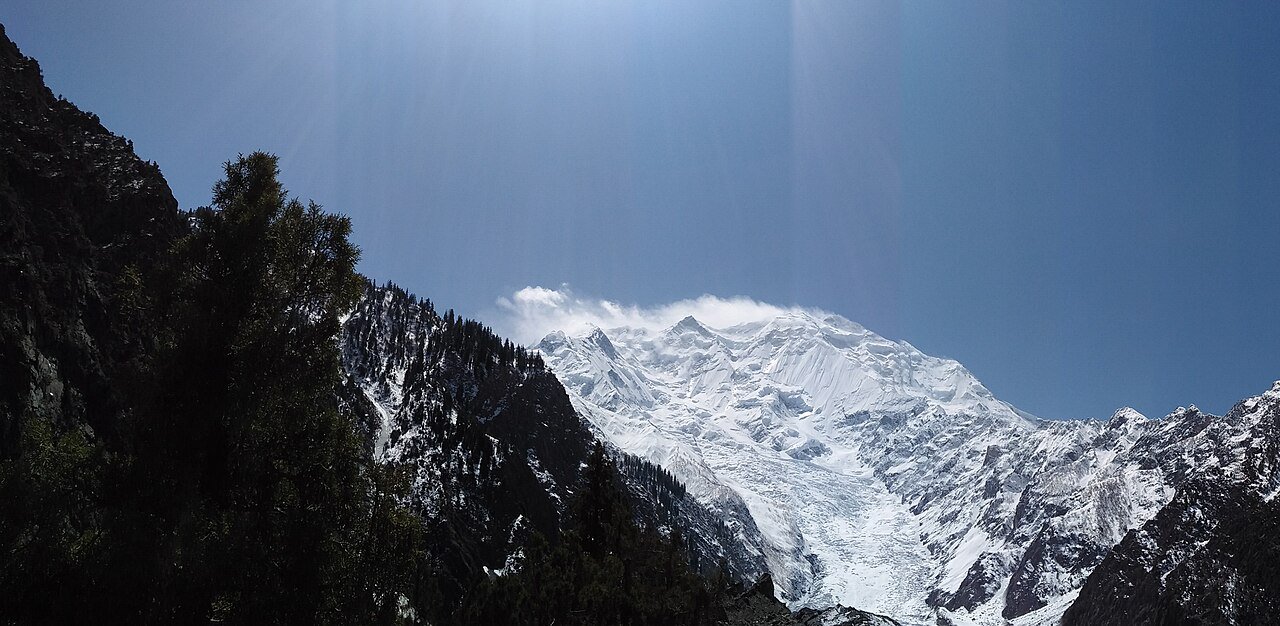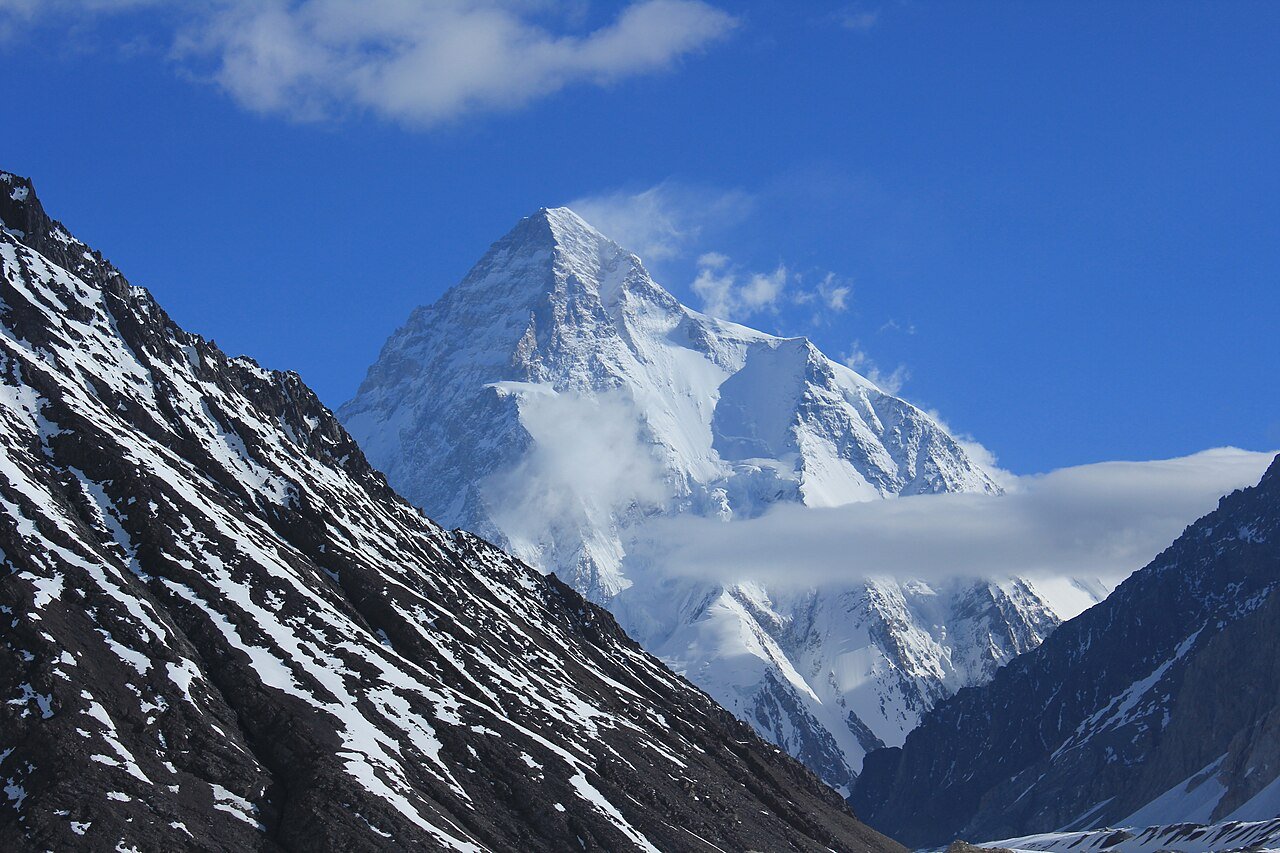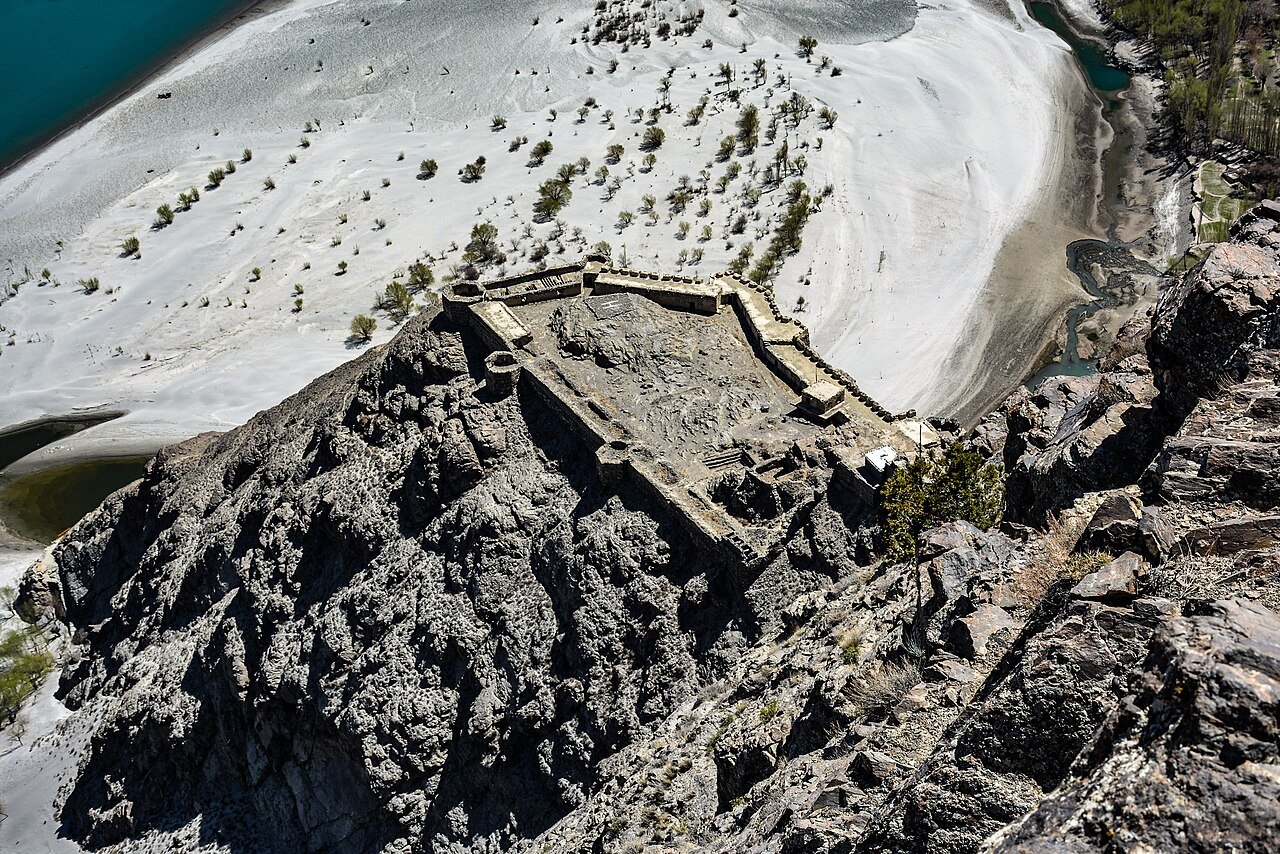
Getting to Hunza Valley is half the adventure — and the half most first-timers get wrong. I have watched travellers land in Islamabad with three days for the whole trip and no idea that the valley sits a full day’s drive up the Karakoram Highway, and I have watched others book a “quick flight” to Gilgit that never left the ground. Hunza is not hard to reach. It is just far, high, and weather-dependent, and the right route depends entirely on what kind of traveller you are.
This guide compares every realistic way to get to Hunza Valley from Islamabad: flying, driving the Karakoram Highway, the seasonal Babusar shortcut, the bus, and a private car with driver. Distances, fares, and drive times are ranges from current operator and guide sources, checked in October 2026 — and where prices move fast, I say so rather than print a number that will be stale by spring. Confirm fares and road status before you book; the “What Can Go Wrong” section at the end tells you exactly how.
Short Answer
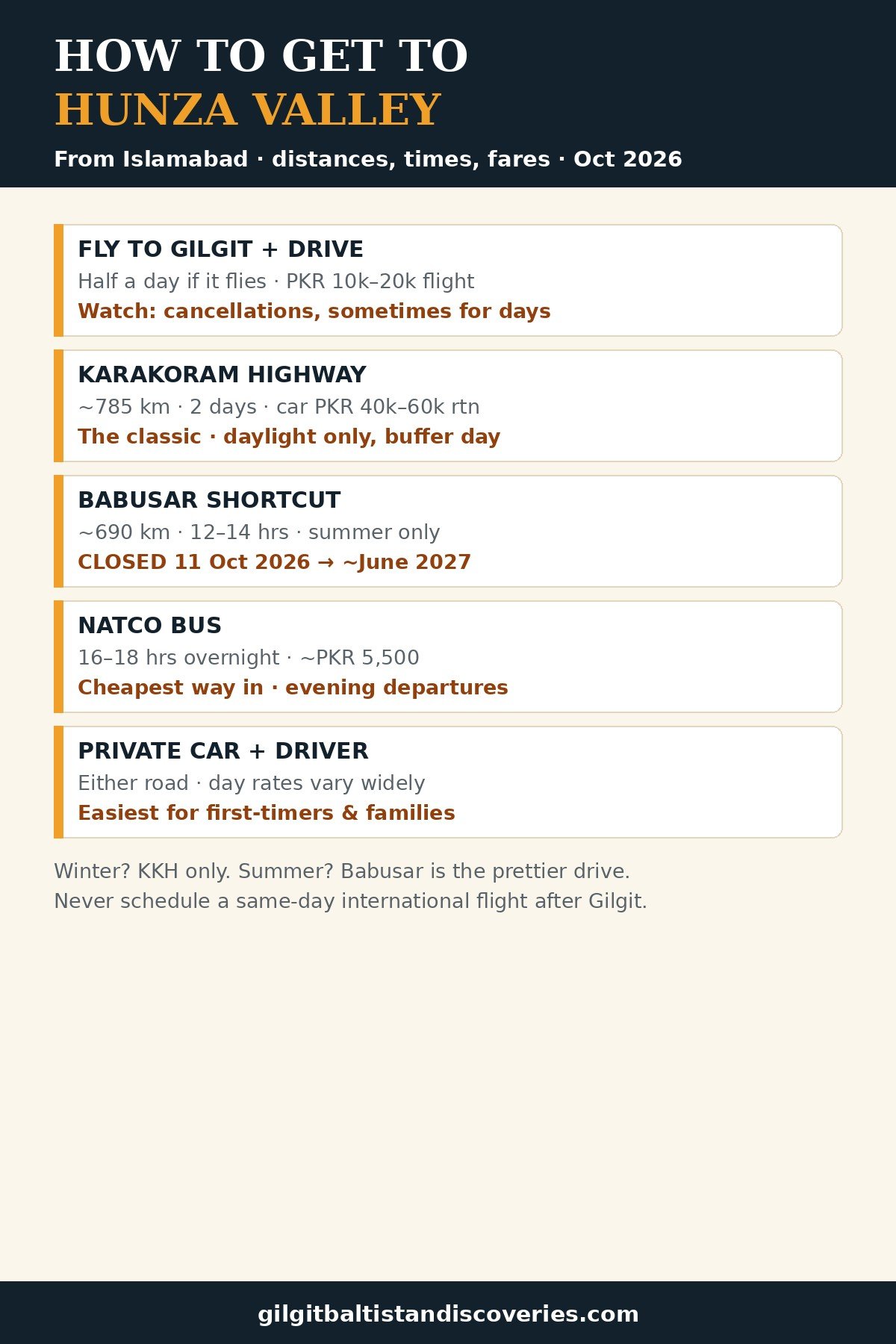
- Fastest: Fly Islamabad to Gilgit (about 1 hour in the air), then drive about 100 km to Karimabad (2–2.5 hours). Total: half a day — if the flight operates. Gilgit flights are cancelled often in mountain weather, so never build a tight itinerary around one.
- Cheapest: NATCO bus from Rawalpindi/Islamabad to Gilgit (around PKR 5,500), then local transport on to Hunza. Slow — 16–18 hours — but a fraction of flying or hiring a car.
- Most scenic: Drive the Karakoram Highway over two days with an overnight stop in Chilas or Besham. It is the journey people write home about.
- Shortest road route: Via Naran and Babusar Pass (about 690 km, 12–14 hours) — but only in summer. Babusar closed on 11 October 2026 for the season and is not expected to reopen until around June 2027. In winter, the Karakoram Highway via Besham and Chilas is the only road in.
- Easiest for first-timers: A private car with driver from Islamabad. You pay more, but someone else handles the mountain road, the checkpoints, and the plan B.
The Routes at a Glance
| Option | Distance (Islamabad → Karimabad) | Time | Indicative cost (per person unless noted) | Best for | Watch out for |
|---|---|---|---|---|---|
| Fly to Gilgit + road | ~45–60 min flight + ~100 km road | Half a day if the flight operates | Flight PKR 10,000–20,000; Gilgit→Karimabad taxi PKR 8,000–12,000 | Short trips, tight schedules | Weather cancellations — sometimes for days |
| Karakoram Highway by road | ~785 km via Besham/Chilas | 15–18 hrs driving, split over 2 days | Private car with driver ~PKR 40,000–60,000 round trip (whole vehicle) | Scenery, slow travel, photographers | Landslides, long days, no night driving |
| Babusar Pass shortcut | ~690 km via Naran/Babusar | 12–14 hrs driving, usually 2 days | Similar to KKH by car; slightly less fuel/time | Summer road trips | Closed 11 Oct 2026 – June 2027; snow can close it early |
| NATCO bus | Same KKH road | 16–18 hrs to Gilgit, plus onward to Hunza | ~PKR 5,500 to Gilgit | Budget travellers, backpackers | Overnight discomfort, fixed evening departures |
| Private car + driver | Either road route | As KKH/Babusar above | Day rates vary widely — see below | Families, first-timers, groups | Confirm what is included (fuel is usually extra) |
Option 1: Fly to Gilgit, Then Drive to Karimabad — the Fastest Way
Pakistan International Airlines (PIA) operates the Islamabad–Gilgit route, with morning departures including PK601 (around 07:00, landing about 08:15) and PK603 (around 11:10). The flight itself is barely an hour, and on a clear morning it is one of the great short flights in the world — Nanga Parbat fills the window as you climb out over the foothills.
Here is the honest part: Gilgit’s airport sits in a mountain valley, and the flight only operates in clear weather at both ends. Cancellations are common — whole days of Islamabad–Gilgit flights have been scrubbed in a single storm, and travellers regularly report being stuck for two or three days waiting for a window. I could not verify any other airline currently serving Gilgit, so treat PIA as the only option and plan accordingly: book the flight, but keep a road backup in mind, and never schedule a same-day international connection out of Islamabad after a Gilgit flight.
Fares run roughly PKR 10,000–20,000 one way depending on season and how early you book; check at booking, because mountain-route fares move. From Gilgit airport, Karimabad is about 100 km up the Karakoram Highway, a 2–2.5 hour drive. A taxi for that leg is commonly quoted at PKR 8,000–12,000 for the car; agree the price before you leave the airport, and if your hotel in Karimabad offers a pickup, take it — it is usually cheaper and removes the one negotiation you do not want jet-lagged.
Option 2: Drive the Karakoram Highway — the Classic Way
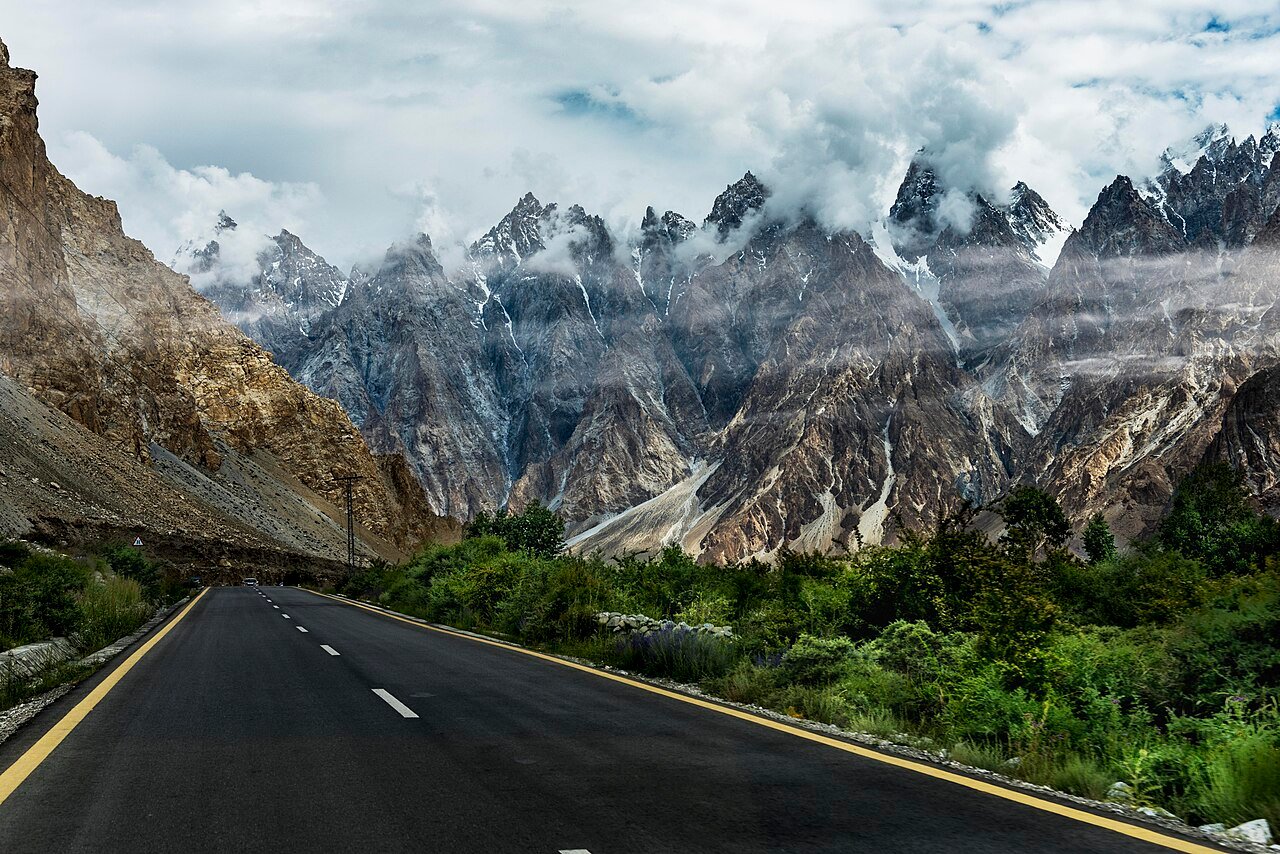
The Karakoram Highway (KKH) is the year-round road to Hunza, and it deserves its reputation. From Islamabad the route runs through Abbottabad, Mansehra, Besham, Dasu and Chilas to Gilgit, then on to Karimabad — roughly 785 km and 15–18 hours of driving via this Besham–Chilas line. Nobody sensible does it in one day. The normal pattern is two days with an overnight stop in Besham or Chilas, then Gilgit and Hunza on day two.
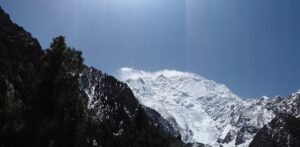
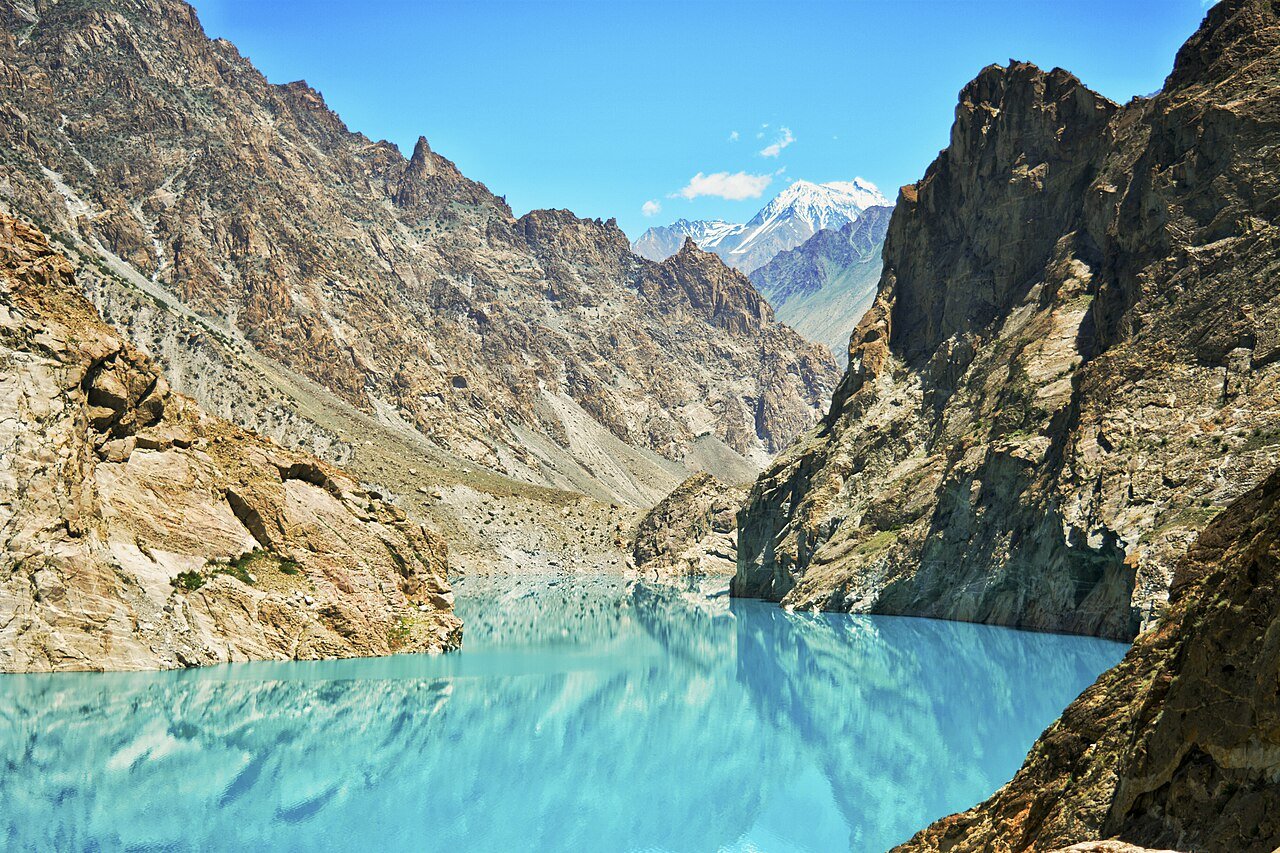
What you actually see, in order, is the trip’s own highlight reel: the green hills above Abbottabad giving way to the Indus gorge at Besham, the long, stark run through Diamer district, the Raikot Bridge — the turnoff for the jeep track to Fairy Meadows — then Gilgit, and finally the climb past Attabad Lake into Karimabad, with Rakaposhi (7,788 m) across the valley.
Two rules for this road. First, travel in daylight only: landslides, narrow sections, and rockfall are real, and night driving on mountain roads is how manageable problems become serious ones. Second, build a buffer day into your itinerary. A landslide clearing can cost you hours, and the road has checkpoints where foreign travellers may be asked to show passports — Hunza itself is an open zone, so no special permit is needed for the valley, but carry your passport and register if officials ask.
Option 3: The Babusar Pass Shortcut — Summer Only, and Closed Right Now
In summer there is a shorter, prettier way: from Islamabad through the Kaghan Valley to Naran, then over Babusar Top (about 4,170 m) to rejoin the Karakoram Highway at Chilas. That cuts the Islamabad–Karimabad run to roughly 690 km and 12–14 hours of driving, usually still split over two days with a night in Naran or Chilas.
Read this part carefully, because it is where out-of-date guides mislead people: Babusar Pass closed on 11 October 2026 after heavy snowfall, and it is shut for the rest of the season. The reliable crossing window is June through September; October is weather-dependent, and this year the snow drew the line on 11 October. Reopening is not a fixed date — the highway authority clears snow and repairs landslide damage when the ridge is safe, which historically means around June 2027. If you are travelling between now and next summer, forget Babusar exists and use the KKH via Besham and Chilas. If you are planning a summer 2027 trip, confirm the pass status in the week you travel — the Khyber Pakhtunkhwa tourism helpline (1422) publishes road status, and it is the check I would trust over any blog post, including this one.
Option 4: Take the Bus — the Cheapest Way
NATCO (the Northern Areas Transport Corporation) runs the workhorse service between Rawalpindi/Islamabad and Gilgit, with buses leaving from Pirwadhai bus terminal in Rawalpindi, typically in the evening. The current listed fare for Islamabad/Rawalpindi to Gilgit is around PKR 5,500, and the journey takes roughly 16–18 hours via the KKH — an overnight run, arriving in Gilgit the next day. Some services continue towards Hunza; many terminate in Gilgit, from where local vans and shared cars cover the last 100 km to Karimabad.
Book ahead in peak season (blossom in April, autumn in October), and confirm the departure time and fare when you book — NATCO timetables and fares have shifted over the years, and older guides quoting PKR 2,000–3,000 are out of date. NATCO’s Islamabad office can be reached on 051-4864041 and Rawalpindi on 051-9334556; the helpline listed for bookings is 05811 920820. Bring snacks, water, a warm layer, and patience: this is the cheapest way up, not the most comfortable, and the overnight leg is best treated as part of the adventure rather than a night’s sleep.
Option 5: Hire a Private Car With Driver — the Easiest Way
For most first-timers, especially families and groups, this is the option I recommend. A car with a local driver removes the three hardest parts of the trip — mountain driving, route decisions when something closes, and negotiating each leg separately — and the driver doubles as a fixer for hotels, stops, and checkpoints.
Costs vary so widely that any single figure would mislead, so here is the honest range picture from current listings: a whole-trip Islamabad–Hunza package with driver is commonly quoted around PKR 40,000–60,000 round trip for the vehicle (not per person). Day rates tell a different story depending on where you hire: a Corolla with driver runs roughly PKR 6,500–8,000 per day from a Gilgit/Hunza operator, a Prado roughly PKR 12,000–20,000 per day, while Islamabad-based long-route packages quote much higher daily rates (Corolla PKR 24,000–30,000, Prado PKR 45,000–55,000). Fuel is usually extra, as are the driver’s food and accommodation on multi-day trips. Get all of that in writing before you pay: vehicle, driver, fuel, tolls, and what happens if a road closes.
Should you drive yourself instead? Physically, yes — the KKH is paved and a normal car can do it in good conditions. Practically, for a first visit, I would not. A local driver knows which sections slide after rain, where the fuel stops are, and how to handle a checkpoint conversation. Save the self-drive for a return trip.
Which Route Should You Actually Choose?
- Short on time (3–4 days): Fly to Gilgit and drive to Karimabad, with a buffer day at the end. If the flight cancels, you still have the road.
- On a budget: NATCO bus up, and fly back if you can — the bus is an experience, but doing it twice eats two days.
- Here for the journey: Two-day KKH drive with a night in Chilas. Stop at Raikot Bridge, Attabad Lake, and every viewpoint your driver suggests.
- Travelling in winter (November–April): KKH only. Babusar is closed, flights cancel more often, and some hotels shut — but the valley is quiet, snowy, and spectacular. Check the seasonal picture before you commit.
- Travelling in summer (June–September): Babusar is open and the Kaghan Valley is at its best — the Naran route is genuinely the prettier drive.
- Travelling in October: The golden month — but check Babusar first. This year’s closure came on 11 October, right in peak autumn colour, and travellers who had planned on it had to reroute via Chilas. Our autumn colour calendar explains why October is worth the extra caution.
What Can Go Wrong — and Your Backup Plan
A landslide blocks the KKH. It happens, especially after rain in the gorge sections. Your backup is time: a buffer day, and your driver’s local knowledge of whether to wait or reroute. There is no alternative highway — patience is the plan.
Your Gilgit flight is cancelled. Rebook for the next morning and keep the road option open; a taxi from Islamabad to Hunza can be arranged at short notice in season, though you will pay a premium for urgency. Never put a Gilgit flight and an international departure on the same day.
Babusar closes early. As it did on 11 October 2026. Reroute via Besham and Chilas — longer, but open year-round. Check the KP tourism helpline (1422) before leaving Naran.
You arrive after dark. Avoid it. Plan every leg to end in daylight, whether that means leaving Gilgit by mid-afternoon for Karimabad or overnighting in Chilas instead of pushing on.
Altitude and weather catch you out. Karimabad sits at about 2,400 m — most people feel fine, but the Khunjerab day trip climbs to 4,693 m, and mountain weather changes fast. Pack layers even in summer; our northern Pakistan packing guide covers the layering system that handles a single day from valley sunshine to high-pass wind chill.
Arriving in Hunza: Karimabad, Aliabad, and Onward
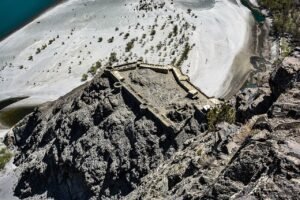
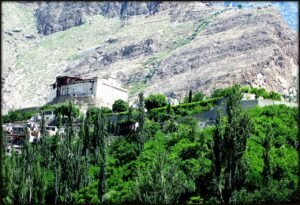
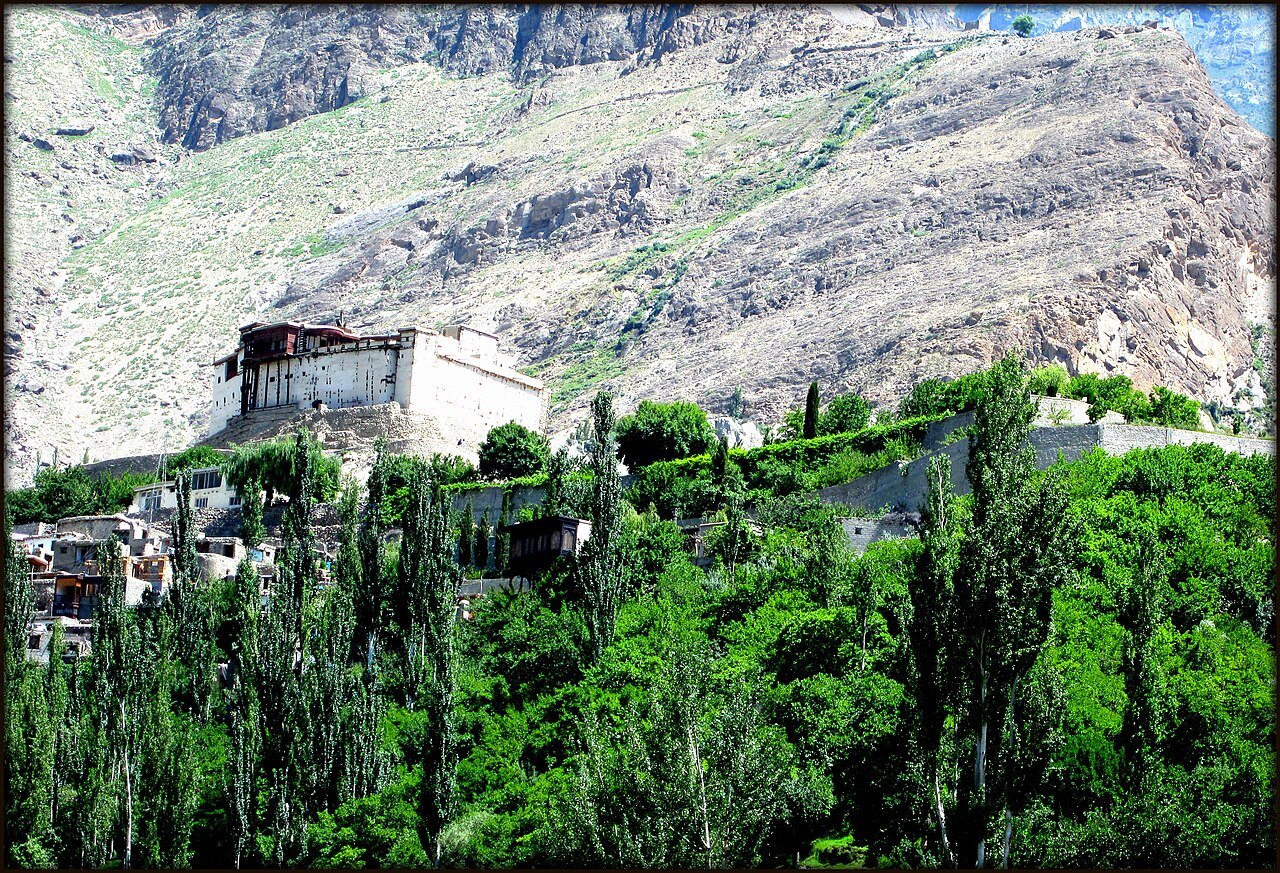
Most travellers base in Karimabad, the old capital above the Hunza River, with Baltit Fort, the bazaar, and the Eagle’s Nest viewpoint within easy reach. Aliabad sits just below it on the highway and is where much of the through-transport stops — if your bus or car drops you in Aliabad, Karimabad is a short local taxi ride uphill. From Karimabad, local vans and taxis run up the valley to Gulmit and Passu in Gojal (Upper Hunza), and on to Sost near the China border; agree fares before you get in, and for the Khunjerab Pass day trip, arrange the car the evening before — drivers leave early and the pass road rewards an early start.
One last practical note: Hunza runs on cash more than cards. There are ATMs in Gilgit and Karimabad, but they are unreliable, so draw rupees in Islamabad or Gilgit before you head up the valley.
Frequently Asked Questions
What is the fastest way to get to Hunza Valley?
Fly from Islamabad to Gilgit (about 1 hour) and drive about 100 km to Karimabad (2–2.5 hours), for a half-day journey in total. The catch is reliability: Gilgit flights are cancelled frequently in mountain weather, sometimes for days, so keep a road backup and a buffer day.
What is the cheapest way to reach Hunza?
The NATCO bus from Rawalpindi/Islamabad to Gilgit, currently listed around PKR 5,500, followed by local transport to Karimabad. The bus takes 16–18 hours overnight, so it costs a day of your trip — but it is a small fraction of the price of flying or hiring a private car.
Is the road to Hunza safe?
The Karakoram Highway is paved and travelled daily by locals, tourists, and freight. The real risks are landslides after rain, narrow gorge sections, and night driving — all manageable by travelling in daylight with an experienced driver and a buffer day. Checkpoints may ask foreign travellers for passports; no special permit is needed for Hunza itself.
Can I drive myself to Hunza?
Yes, in good conditions a normal car can handle the KKH, and the Babusar route in summer. For a first visit, though, a local driver is the better call: they know the slide-prone sections, fuel stops, and checkpoint routines, and they turn a stressful drive into a sightseeing trip. Save self-driving for a return visit.
Is Babusar Pass open now?
No. Babusar Pass closed on 11 October 2026 after heavy snowfall and is shut for the rest of the season, with reopening expected around June 2027. Until then, use the Karakoram Highway via Besham and Chilas, which runs year-round. Confirm pass status on the KP tourism helpline (1422) before any summer trip.
Last updated: October 2026. Fares, flight schedules, and road status change — confirm before you book, especially Babusar Pass status and NATCO departure times.