Last updated: 30 October 2026
Short Answer
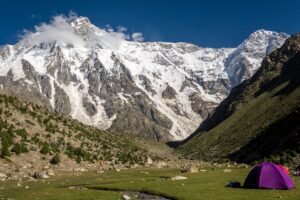
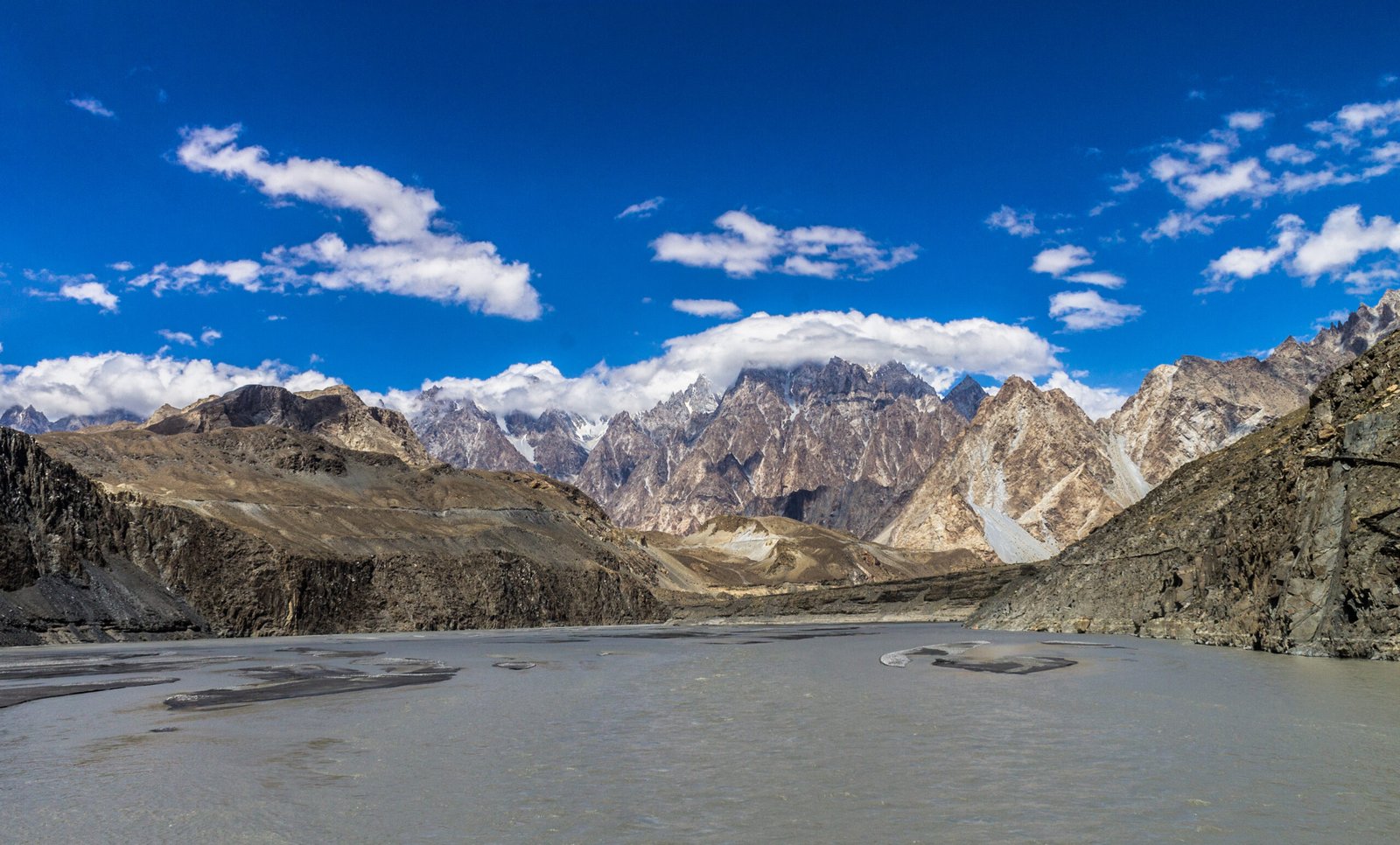
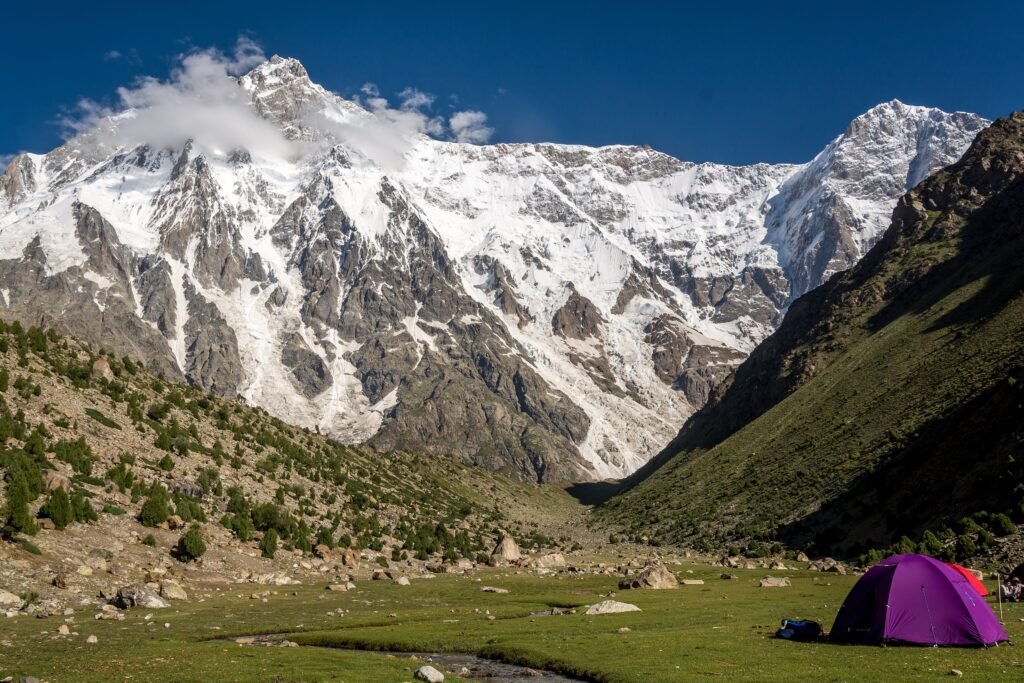
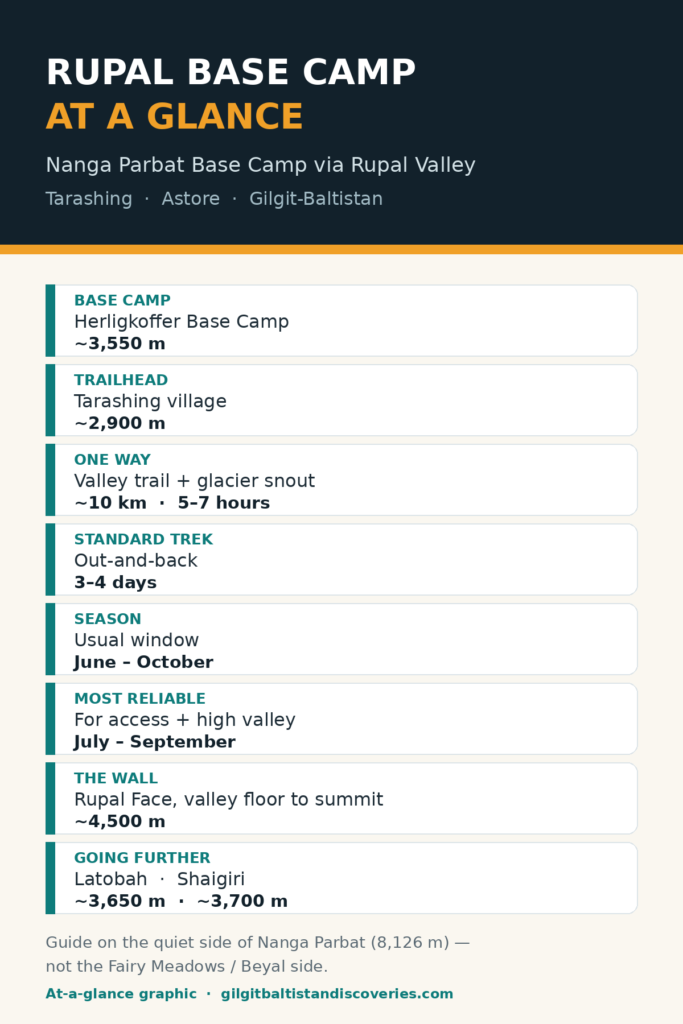
Nanga Parbat has more than one base camp, and the Rupal side is the quiet one. From Tarashing village in Astore (about 2,900 m), a moderate trek of about 10 km and 5–7 hours reaches Herligkoffer Base Camp at about 3,550 m, beneath the Rupal Face — a wall of rock and ice rising roughly 4,500 m from the valley floor to the 8,126 m summit, the largest mountain face in the world. The standard out-and-back takes 3–4 days of trekking, with Latobah and Shaigiri camps for those who want closer views. Go between June and October, travel with a local guide, and do not confuse this with the Fairy Meadows side, which reaches a different base camp on a different face.
Which Nanga Parbat Base Camp Is This?
Nanga Parbat (8,126 m), the world’s ninth-highest mountain and Pakistan’s second-highest, is a huge massif with several faces. Most travellers know the Raikot Face, reached from Fairy Meadows and Beyal — that route is covered in the site’s Fairy Meadows logistics guide. The Rupal Face is the south side, approached through Astore and the Rupal Valley. It is a different valley, a different trailhead and a different view: instead of the Raikot glacier and the Fairy Meadows tourist trail, you get a forested valley, a glacier crossing and a camp directly under the biggest wall on Earth.
The two sides do not connect on foot for ordinary trekkers. The full circuit around Nanga Parbat, via the Mazeno Pass at about 5,400 m, is an 18-day expedition for experienced teams — not an extension you add casually to the Rupal walk. This guide covers the standard Rupal base camp trek only.
How Do You Get to Tarashing?
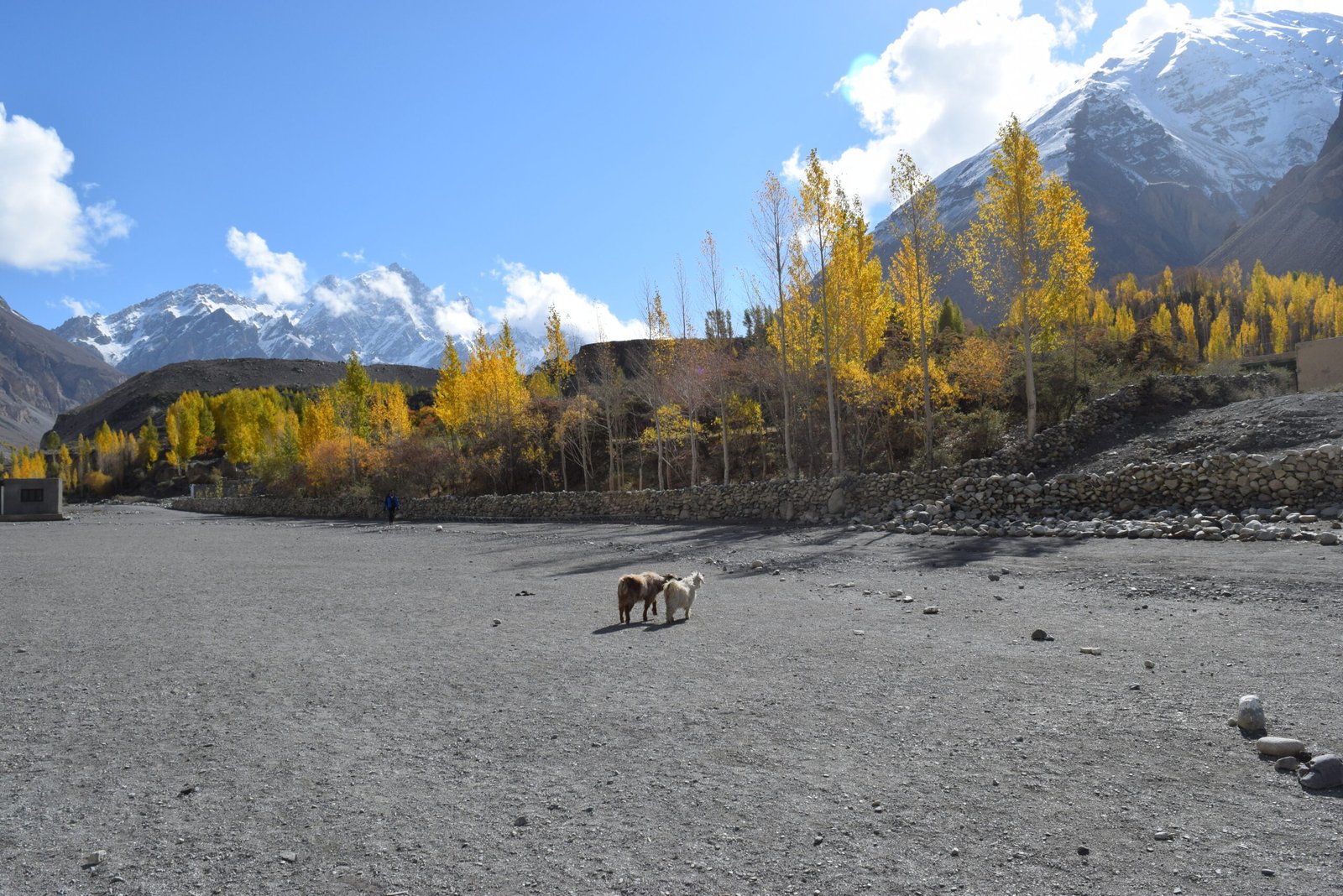
Tarashing (also spelled Tarishing or Trashing) is the last village of the Rupal Valley. The usual approach is Islamabad → Chilas on the Karakoram Highway, then a jeep road to Astore and on to Tarashing. Operator timings put Gilgit to Astore at about 3–4 hours by jeep and Astore to Tarashing at about 2 hours on a rough road of roughly 30 km; Chilas to Tarashing by jeep is commonly quoted at 4–5 hours. Roads in Astore are rough and weather-dependent, so confirm conditions locally and allow a buffer day. For the wider journey north, see how to travel to Gilgit-Baltistan from Islamabad.
What Is the Route, Day by Day?
| Stage | What happens | Approx. altitude |
|---|---|---|
| Tarashing | Village start, acclimatisation night, local guide and porters arranged | ~2,900 m |
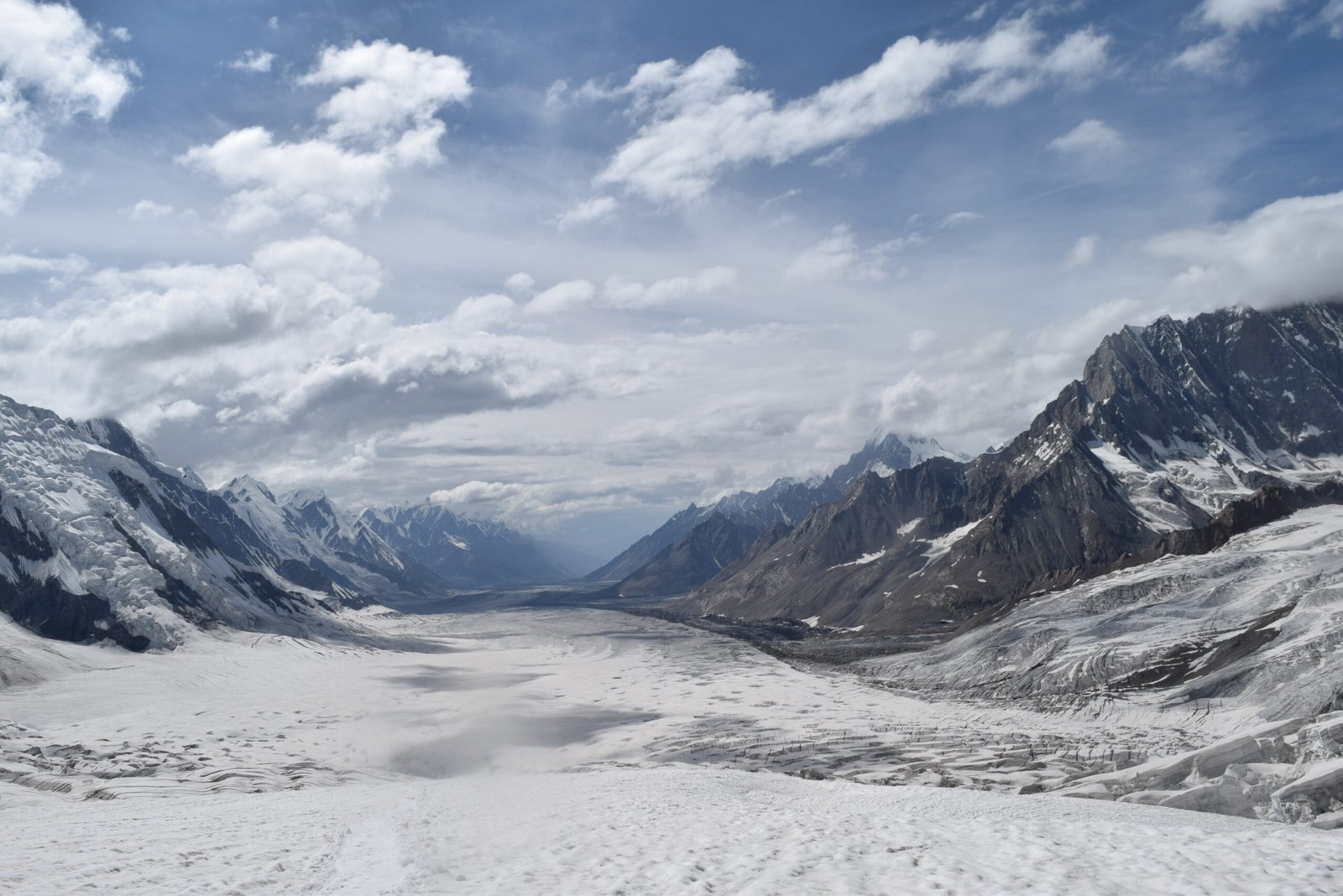
| Tarashing → Herligkoffer Base Camp | Valley trail through fields and meadows, crossing the snout of the Tarashing Glacier; about 10 km, 5–7 hours | ~3,550 m |
| Base camp exploration day | Rest or short walks around the camp, views of the Rupal Face, Rakhiot Peak and Chongra Peaks | ~3,550 m |
| Herligkoffer → Latobah | Cross the Bazhin Glacier to the camp directly under the Rupal Face | ~3,650 m |
| Latobah → Shaigiri | Continue up-valley for closer views of the face and glaciers | ~3,700 m |
| Return | Retrace the route to Tarashing, then jeep out | — |
The standard trek is out-and-back: most walkers go to Herligkoffer Base Camp and return, taking 3–4 days including the return. Extending to Latobah and Shaigiri stretches it to several days and needs better fitness and a guide who knows the glacier crossings. Camps beyond Herligkoffer are rougher and more exposed, and the glacier crossings — Tarashing Glacier on day one, Bazhin Glacier on the way to Latobah — are the technical heart of the route, even though the trek is graded moderate overall.
When Is the Best Time for the Rupal Trek?
June to October is the usual window quoted for the standard route, with July to September the most reliable months for access to Tarashing and the high valley. Some operators narrow the supported-trek season to July–September. Snow can block trails earlier and later in the season, and summer rain can change river and glacier conditions quickly, so keep buffer days and confirm the trail with a local operator before you set out. The best time to visit Gilgit-Baltistan gives the wider seasonal picture.
How Hard Is the Rupal Base Camp Trek?
Moderate — with honest caveats. The height gain from Tarashing to Herligkoffer Base Camp is only about 650 m, and the trail is a walk, not a climb. But the route crosses glacier snouts, the valley is remote, and the altitude (3,550 m and above) is enough to cause headaches and breathlessness if you rush. The glacier crossings need a guide: crevasses and shifting ice are not visible to an untrained eye, and the crossing line changes with the season.
Fitness for 5–7 hour walking days on rough ground is the real requirement, plus broken-in boots and layers for cold mornings at 3,500 m even in summer. If you are new to altitude, spend a night in Tarashing before walking up, keep the first day slow, and descend if symptoms worsen rather than pushing to Latobah.
What Should You Pack?
Standard multi-day trekking kit: broken-in boots with ankle support, layers, waterproof shell, sun protection (glacier glare is strong even on cloudy days), a warm sleeping bag for camping, and water treatment for stream water. A filter bottle is practical on glacier routes; for example, the Sawyer Squeeze. Camping is the norm beyond Tarashing — confirm with your operator whether tents, food and porters are included, or whether you are expected to carry your own kit. Cash is essential: there are no ATMs in the Rupal Valley, and card payments are not an option once you leave Astore.
Do You Need a Guide or a Permit?
A local guide is strongly recommended and, for the glacier crossings and the camps beyond Herligkoffer, effectively essential. Book through a registered operator in Astore or Gilgit, or arrange a guide in Tarashing through local contacts your hotel recommends — do not set out alone onto the Tarashing Glacier. Permit requirements for the Rupal area are not quoted here because they were not verified from an official source for this draft; confirm current permit and fee arrangements with your operator before you travel, as rules for trekking areas in Gilgit-Baltistan change.
No trek price is quoted in this guide for the same reason: operator prices for a supported Rupal trek vary with group size, porters and inclusions, and any single figure would mislead. Get itemised quotes and compare what is included.
Frequently Asked Questions
How long does the Rupal base camp trek take?
The standard out-and-back to Herligkoffer Base Camp takes 3–4 days of trekking from Tarashing, including the return walk. Extending to Latobah and Shaigiri adds days, and the full journey from Islamabad, with road travel to Astore and back, is typically 7–9 days. The full Nanga Parbat circuit via Mazeno Pass is a separate 18-day expedition.
How high is Herligkoffer Base Camp?
About 3,550 m, reached from Tarashing at about 2,900 m. Latobah, the camp directly under the Rupal Face, sits at about 3,650 m, and Shaigiri at about 3,700 m. These are operator-quoted approximations and vary slightly between sources, but the order of magnitude — a moderate-altitude trek, not a 5,000 m expedition — is consistent.
Is the Rupal trek harder than Fairy Meadows to Beyal?
It is quieter and wilder rather than simply harder. Fairy Meadows to Beyal is a busy, well-trodden day hike from an established tourist base. The Rupal trek is a multi-day camping trek with glacier crossings and no tourist infrastructure, so it demands more self-sufficiency and a guide, even though the daily height gain is modest.
What is the Rupal Face?
The Rupal Face is the south face of Nanga Parbat, rising roughly 4,500–4,600 m from the valley floor to the 8,126 m summit. It is described as the largest mountain face in the world. From Latobah you stand directly beneath it — the scale is the whole point of the trek, and no photograph prepares you for it.
Can you see Nanga Parbat’s summit from the Rupal trek?
On a clear day, yes — the massif dominates the head of the valley from Herligkoffer Base Camp onwards, and the Rupal Face fills the view at Latobah. But “clear day” is doing real work here: cloud, dust and summer haze frequently hide the summit, so allow an exploration day at base camp rather than betting on one afternoon.