Last updated: 30 October 2026
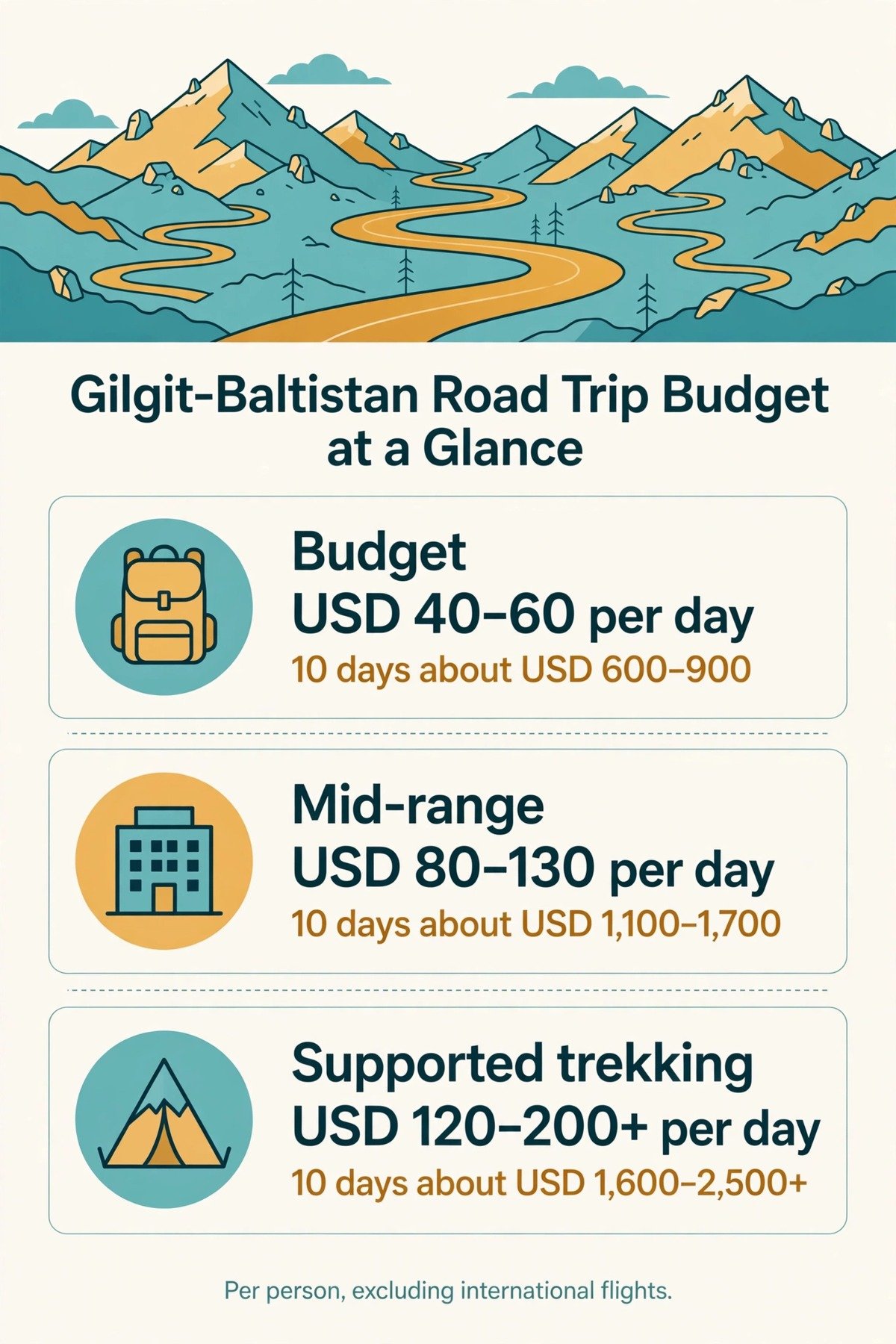
A Gilgit-Baltistan road trip costs roughly USD 40–60 per day on a budget, USD 80–130 per day mid-range, and USD 120–200+ per day for a supported trekking trip (2026 published daily-rate overview, per person, excluding international flights). The budget tier uses guesthouses, local transport and self-guided walks; the mid-range tier uses three-star hotels, private jeep hire and guided day treks; the trekking tier adds full porter and cook support. Your biggest cost levers are transport (private jeep vs shared) and the number of days — not food or entry fees.
Daily Budget by Tier
| Daily cost (per person) | Budget | Mid-range | Supported trekking |
|---|---|---|---|
| Accommodation | Guesthouse | Three-star hotel / good guesthouse | Trek camp + hotel nights |
| Transport | Local transport, shared jeeps | Private jeep hire | Private jeep + porters |
| Food | Local food, self-catering | Restaurants + hotel meals | Full trek meals |
| Activities | Self-guided walks | Guided day treks | Guided trek, full support |
| Total per day | USD 40–60 | USD 80–130 | USD 120–200+ |
What Does a 10-Day Road Trip Cost?
Multiply the daily rate by your days, then add the fixed items. For a 10-day Hunza-to-Skardu circuit:
| Tier | Daily × 10 days | Plus fixed items | Planning total |
|---|---|---|---|
| Budget | USD 400–600 | Domestic travel, insurance | About USD 600–900 |
| Mid-range | USD 800–1,300 | Domestic travel, insurance | About USD 1,100–1,700 |
| Supported trekking | USD 1,200–2,000+ | Domestic travel, insurance, permits | About USD 1,600–2,500+ |
These are planning totals, not quotes: domestic flights, insurance and any guided-trek package sit outside the daily rate and vary most. For valley-by-valley detail, see the Hunza Valley Trip Cost and Skardu Trip Cost guides — this page is the region overview that sits above them, not a repeat of their line items. For a day-by-day shape for the circuit, see the 10-Day Gilgit-Baltistan Road Trip Itinerary.
Where Does the Money Actually Go?
| Category | What drives it | How to control it |
|---|---|---|
| Transport | Private jeep hire is the biggest single cost; shared jeeps are far cheaper | Share every vehicle; split costs across 4–6 people |
| Accommodation | Hotels in Hunza/Skardu cost more than village guesthouses | Mix hotel nights with guesthouses; book ahead in July–August |
| Food | Restaurant meals add up; local food is cheap | Eat local, carry snacks for drives |
| Guides & porters | Daily rates for guides, porters and cooks on treks | Hire locally; agree loads and rates before departure |
| Flights | Domestic flights are weather-dependent and separately priced | Keep buffer days; never book tight connections |
| Insurance | Must cover mountain-road travel and evacuation | Check altitude ceilings and evacuation wording |
How Do the Valley Costs Differ?
- Hunza is the most developed and the most predictable: the widest hotel choice, the most shared transport, and the easiest budgeting. See the Hunza cost guide for tiers.
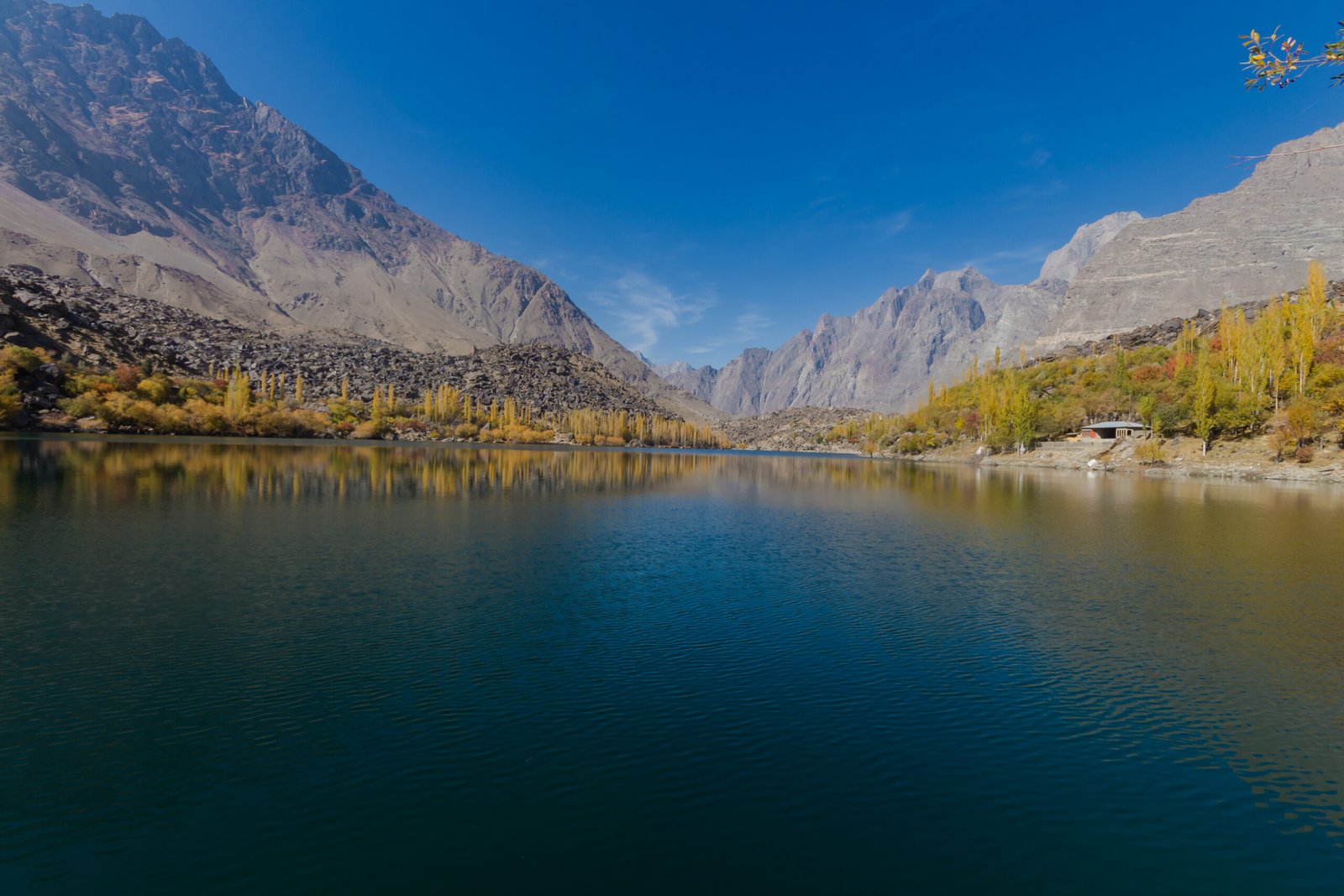
- Skardu has a flight-vs-road fork that changes the total more than anything else: flying saves days but costs more and can be cancelled; driving is cheaper but adds days. See the Skardu cost guide.
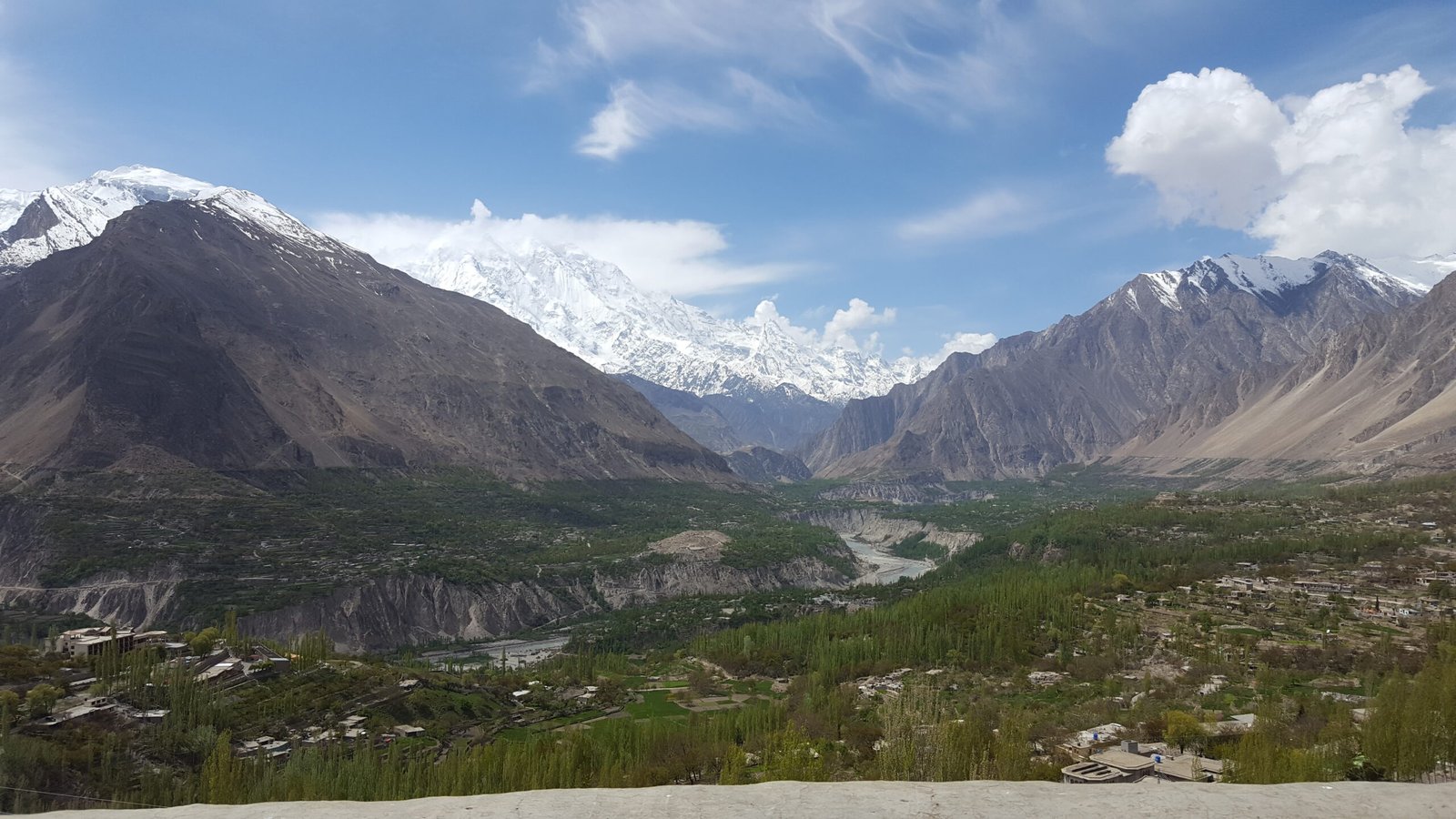
- Shigar, Khaplu and Ghizer are generally cheaper per day than Hunza, with fewer hotels and more guesthouses — but transport days cost the same.
- Trekking routes (K2 Base Camp, Gondogoro La, Rush Lake, Snow Lake) are a different budget class entirely: porter, cook and camp support dominate. See the K2 Base Camp Trek Cost for the expedition benchmark.
- Fairy Meadows concentrates cost into one fixed jeep fare — see the Fairy Meadows Trip Cost guide for why longer stays are better value there.
What Is Not Included in the Daily Rates?
- International flights to Pakistan.
- Visa fee (see the Pakistan Tourist Visa Guide).
- Travel insurance.
- Personal gear and optional activities — see What to Pack for Northern Pakistan.
- Costs from disruption: landslides, flight cancellations and road closures can add hotel nights — keep a cash buffer of at least 2–3 extra days.
How Can You Cut the Budget Without Ruining the Trip?
- Share vehicles: the single biggest saving on any GB road trip.
- Travel in May, June or late September rather than peak July–August for cheaper stays — see the Best Time to Visit Gilgit-Baltistan guide for month-by-month detail.
- Mix guesthouses with hotels instead of defaulting to hotels every night.
- Eat where locals eat, especially in Karimabad, Gilgit and Skardu bazaars.
- Walk the short sights (forts, bazaars, lake shores) instead of hiring a vehicle for every stop.
- Keep the itinerary to two bases (Hunza + Skardu) rather than racing between valleys — fewer transport days means lower cost and a better trip.
- Carry cash in rupees: ATMs are unreliable beyond the main towns, and card payments are rare outside hotels. See the SIM Cards, Cash & ATMs guide.
Cash, Cards and Paying
Cash is king on a GB road trip. Carry enough rupees for jeeps, guesthouses, food and guides, and top up in Gilgit, Hunza or Skardu towns — do not rely on finding an ATM in a side valley. Mobile money is not a substitute for cash on the road. Agree every vehicle and guide price in advance, in rupees, and confirm what is included before departure.
One genuinely useful item for long drives and guesthouses with limited power points: the Anker PowerCore power bank.
Frequently Asked Questions
How much does a Gilgit-Baltistan road trip cost per day?
On a 2026 published daily-rate overview, roughly USD 40–60 per day on a budget, USD 80–130 mid-range, and USD 120–200+ for a supported trekking trip, per person, excluding international flights. Your transport choice moves the total more than any other single factor.
How much should I budget for 10 days in Gilgit-Baltistan?
As a planning total, about USD 600–900 on a budget, USD 1,100–1,700 mid-range, and USD 1,600–2,500+ for a supported trekking trip — daily rates times ten days plus domestic travel and insurance. Valley-by-valley detail is in the Hunza and Skardu cost guides.
Is Gilgit-Baltistan expensive compared to the rest of Pakistan?
Per day it is more expensive than the cities and plains, because transport is by jeep and flights rather than cheap buses and trains, and because side valleys have fewer budget options. It is still good value compared to a guided mountain trip in Europe or North America.
Is it cheaper to fly or drive to Gilgit-Baltistan?
Driving is cheaper in cash but costs days; flying saves days but costs more and can be cancelled by weather. For a 10-day trip, flying in and driving out (or the reverse) is often the best compromise — see the Flights to Skardu guide and the Karakoram Highway guide.
Can I do Gilgit-Baltistan on a backpacker budget?
Yes, on about USD 40–60 per day, using guesthouses, shared jeeps, local food and self-guided walks. The keys are sharing vehicles, travelling outside peak weeks, and keeping the itinerary to two bases instead of racing between valleys.