Short Answer
This 10-day road trip is the full Gilgit-Baltistan circuit in one plan: five days up the Karakoram Highway through Hunza to Khunjerab Pass, then four days across to Skardu, Shigar and Khaplu on the S-1 highway, with a travel day between the two halves. Total driving is roughly 1,100 km, and the two big days — the Khunjerab excursion and the Hunza-to-Skardu transfer — are each given a full day rather than squeezed around sightseeing. The valley guides are the spokes of this plan: read them for depth, and use this itinerary for the order.
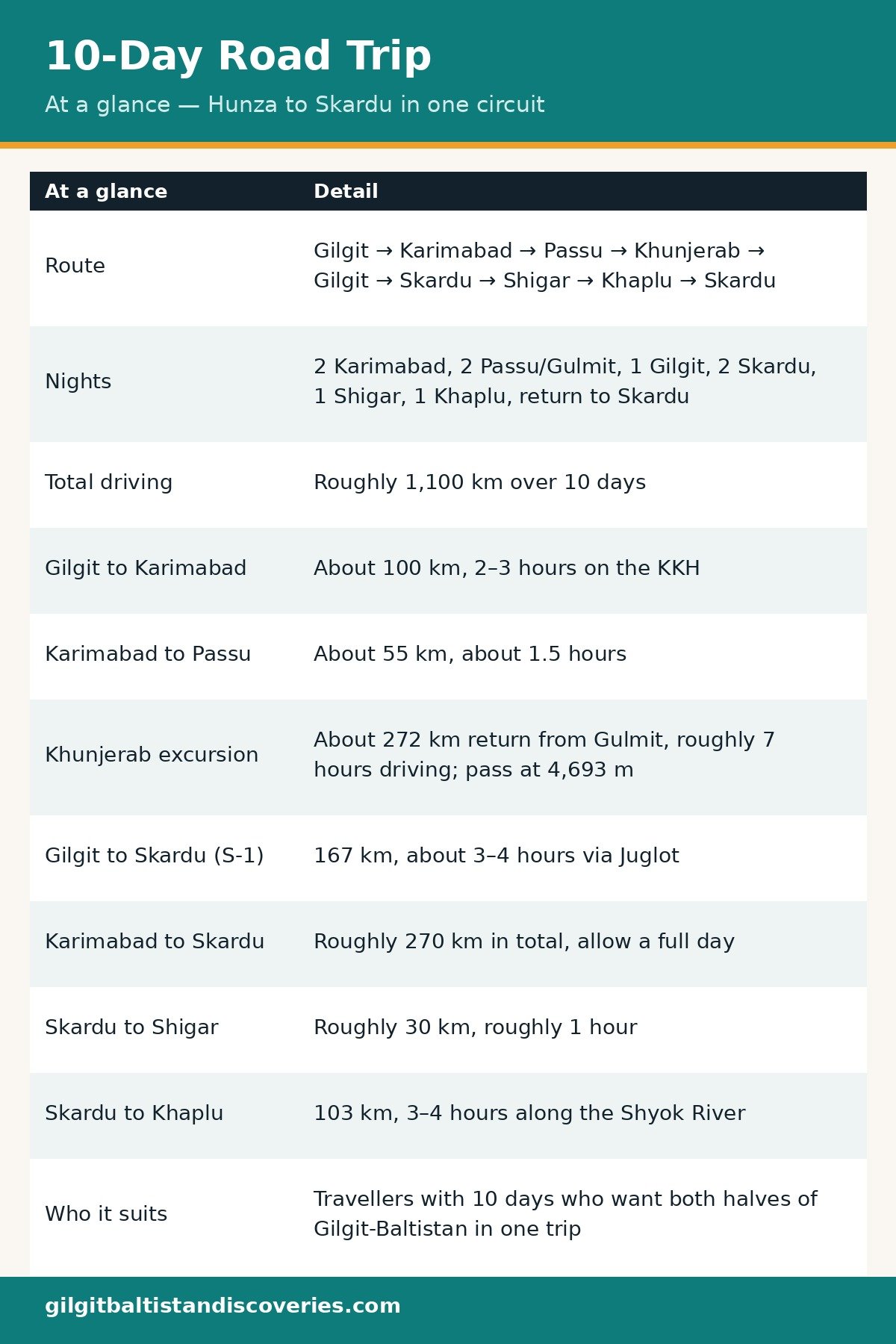
| 10-day Gilgit-Baltistan road trip at a glance | Detail |
|---|---|
| Route | Gilgit → Karimabad → Passu → Khunjerab → Gilgit → Skardu → Shigar → Khaplu → Skardu |
| Nights | 2 Karimabad, 2 Passu/Gulmit, 1 Gilgit, 2 Skardu, 1 Shigar, 1 Khaplu, return to Skardu |
| Total driving | Roughly 1,100 km over 10 days |
| Gilgit to Karimabad | About 100 km, 2–3 hours on the KKH |
| Karimabad to Passu | About 55 km, about 1.5 hours |
| Khunjerab excursion | About 272 km return from Gulmit, roughly 7 hours driving; pass at 4,693 m |
| Gilgit to Skardu (S-1) | 167 km, about 3–4 hours via Juglot |
| Karimabad to Skardu | Roughly 270 km in total, allow a full day |
| Skardu to Shigar | Roughly 30 km, roughly 1 hour |
| Skardu to Khaplu | 103 km, 3–4 hours along the Shyok River |
| Who it suits | Travellers with 10 days who want both halves of Gilgit-Baltistan in one trip |
Days 1–2: Why does the circuit start in Karimabad?
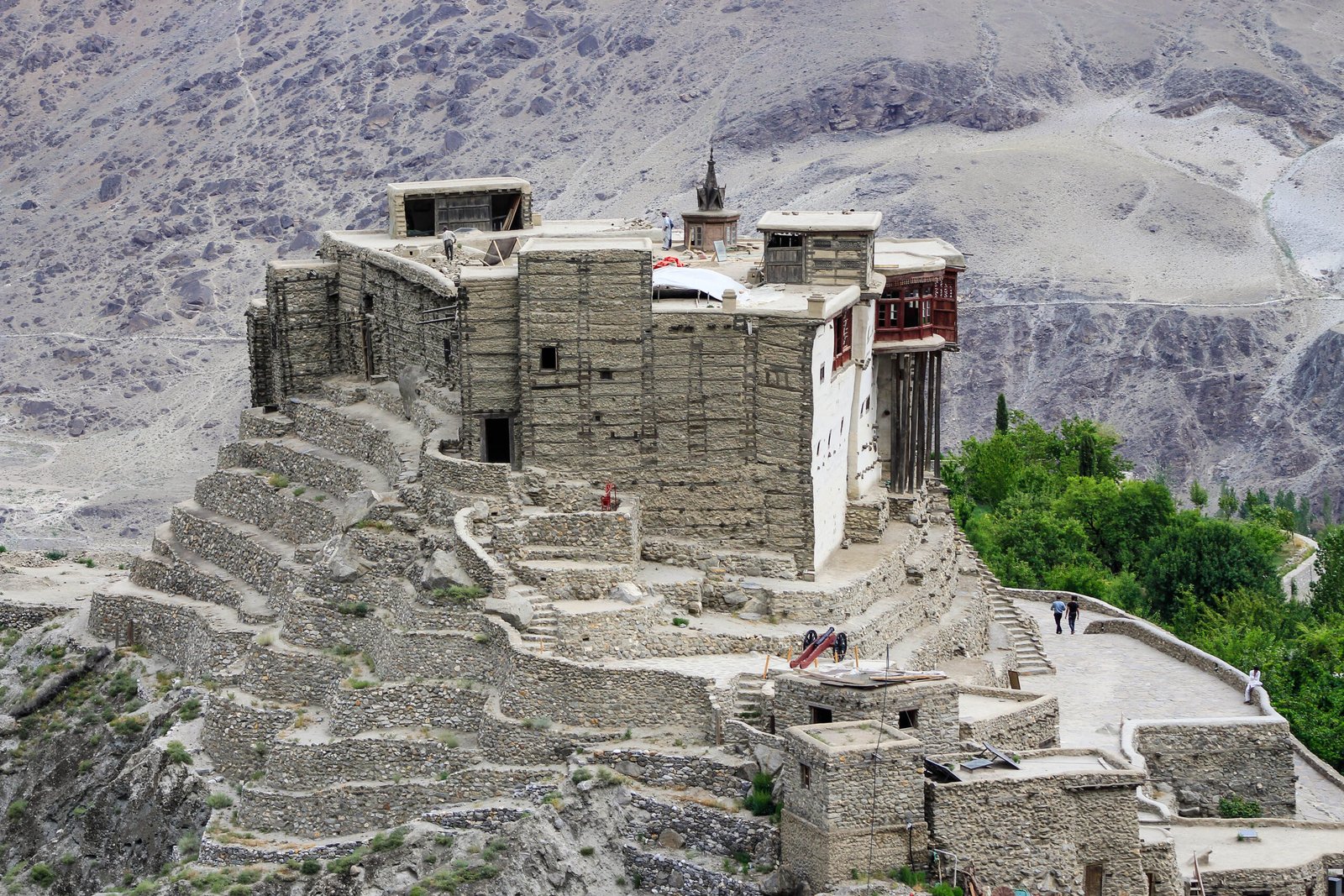
Fly or drive to Gilgit, then drive about 100 km, 2–3 hours, north on the KKH to Karimabad. Two nights here do the same work as in the standalone Hunza itinerary: Altit Fort first, Baltit Fort second, the bazaar in between, and Duikar (Eagle’s Nest) for sunset — with the altitude (about 2,400 m) doing its quiet acclimatisation work before the higher days ahead. Starting in Hunza rather than Skardu is deliberate: the KKH climb is gentler than the Skardu road, and the forts teach you the region’s history before its landscapes take over. Depth on the town: the Karimabad guide.
Days 3–4: What does Upper Hunza add that Karimabad cannot?
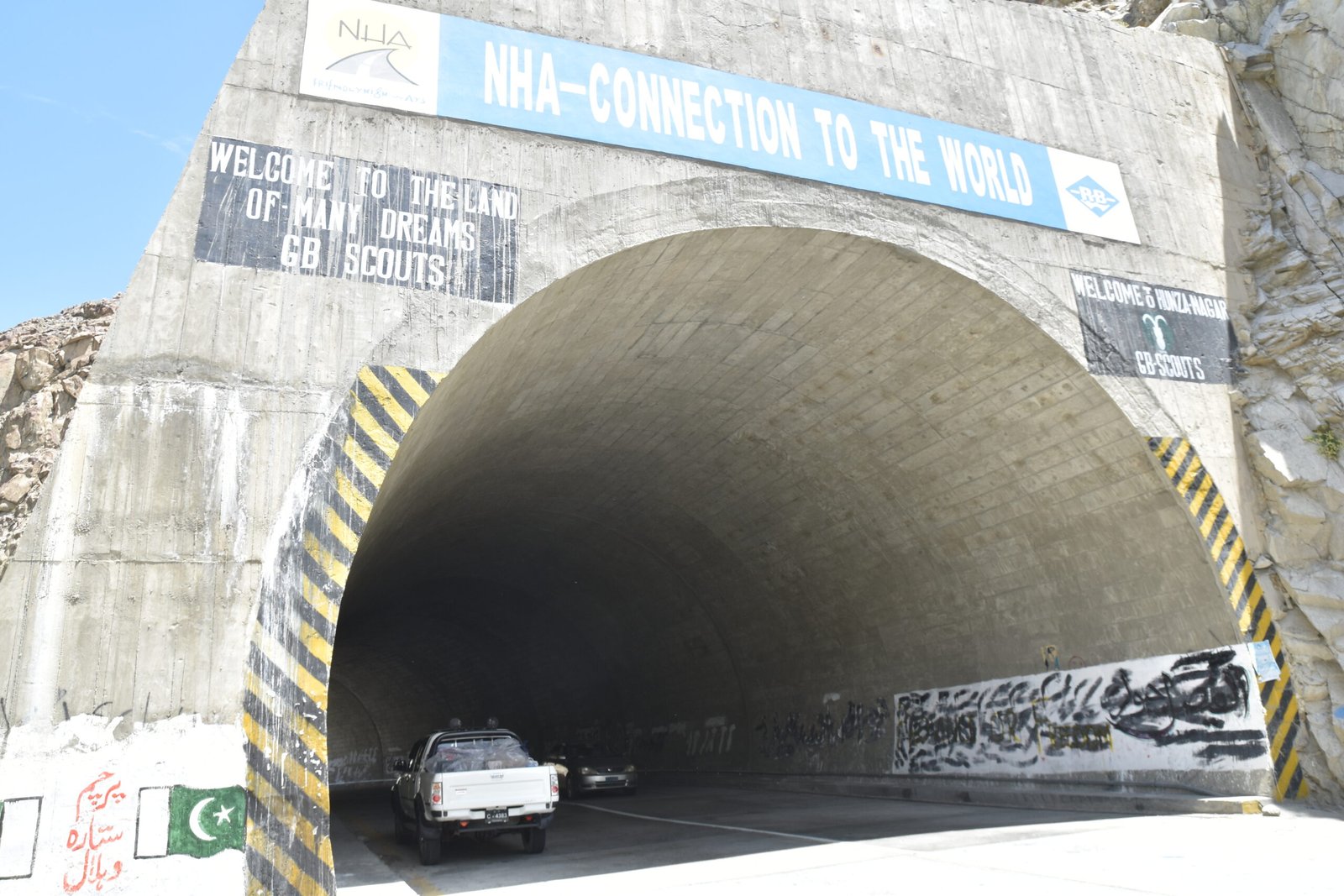
Move your base north: about 34 km to Attabad Lake, formed on 4 January 2010 when a landslide dammed the Hunza River, then on to Gulmit and Passu (about 55 km and 1.5 hours from Karimabad). Day 3 is the lake, the tunnels and the Hussaini suspension bridge; Day 4 is Passu Glacier and Borith Lake. Two nights in Gojal matter because Upper Hunza is a different valley from central Hunza — Wakhi-speaking, glacier-dominated, and the gateway to the Chinese border — and a single day trip from Karimabad flattens it into a photo stop. The Gojal detail lives in the Passu & Gojal guide.
Day 5: Is Khunjerab the circuit’s high point — literally?
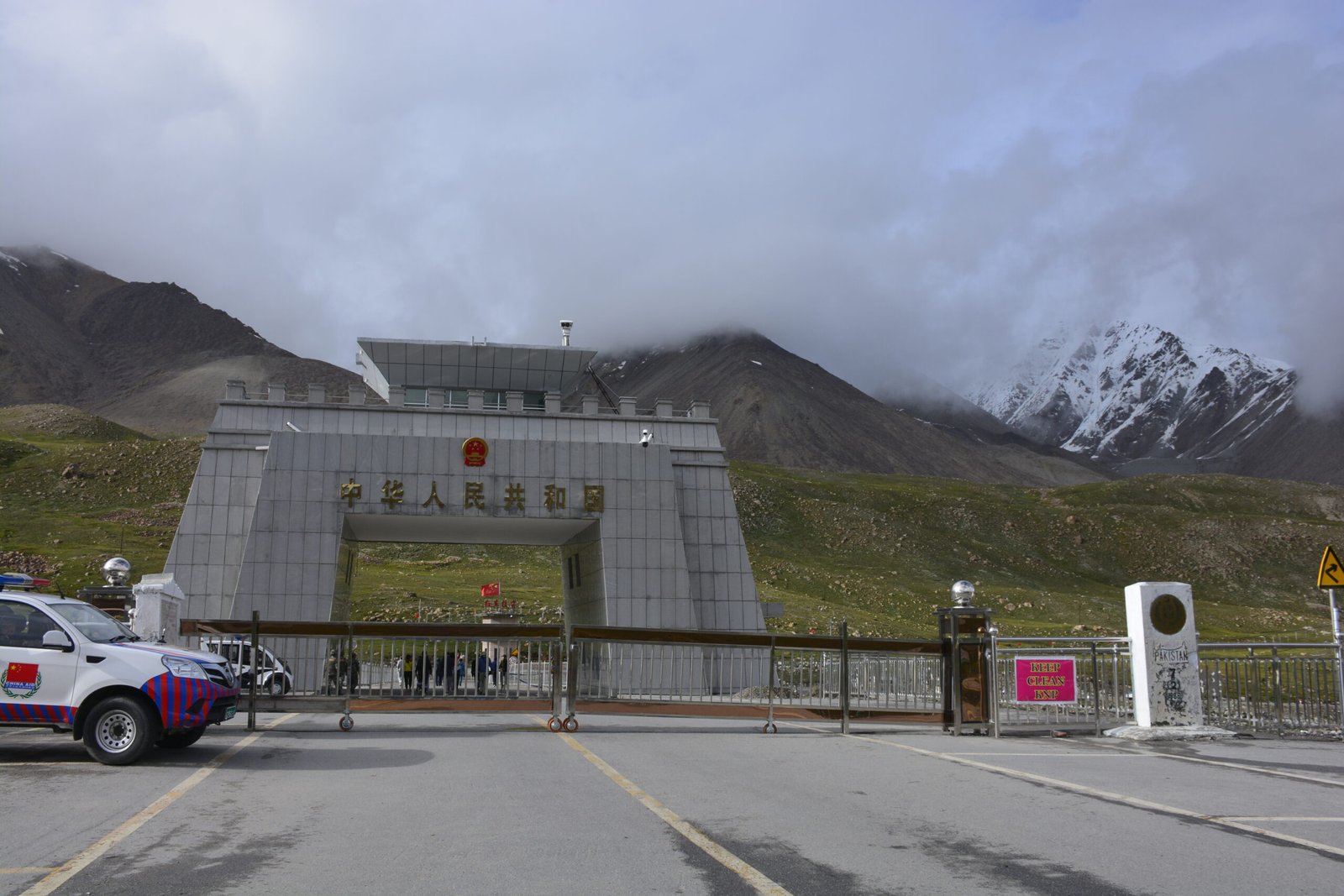
Yes, at 4,693 m it is the highest paved international border crossing in the world, and the day is the circuit’s most demanding drive: about 272 km return from Gulmit, roughly 7 hours behind the wheel, through Sost and Khunjerab National Park to the Pakistan–China border gate. Leave early, walk slowly at the top, and keep the evening free — this is the day altitude is most likely to bite, and the next day is a transfer day, not a sightseeing day, for exactly that reason. Confirm the tourist visiting window locally before you go; trade and tourist access follow different calendars.
Day 6: How do you get from Hunza to Skardu without wrecking the trip?
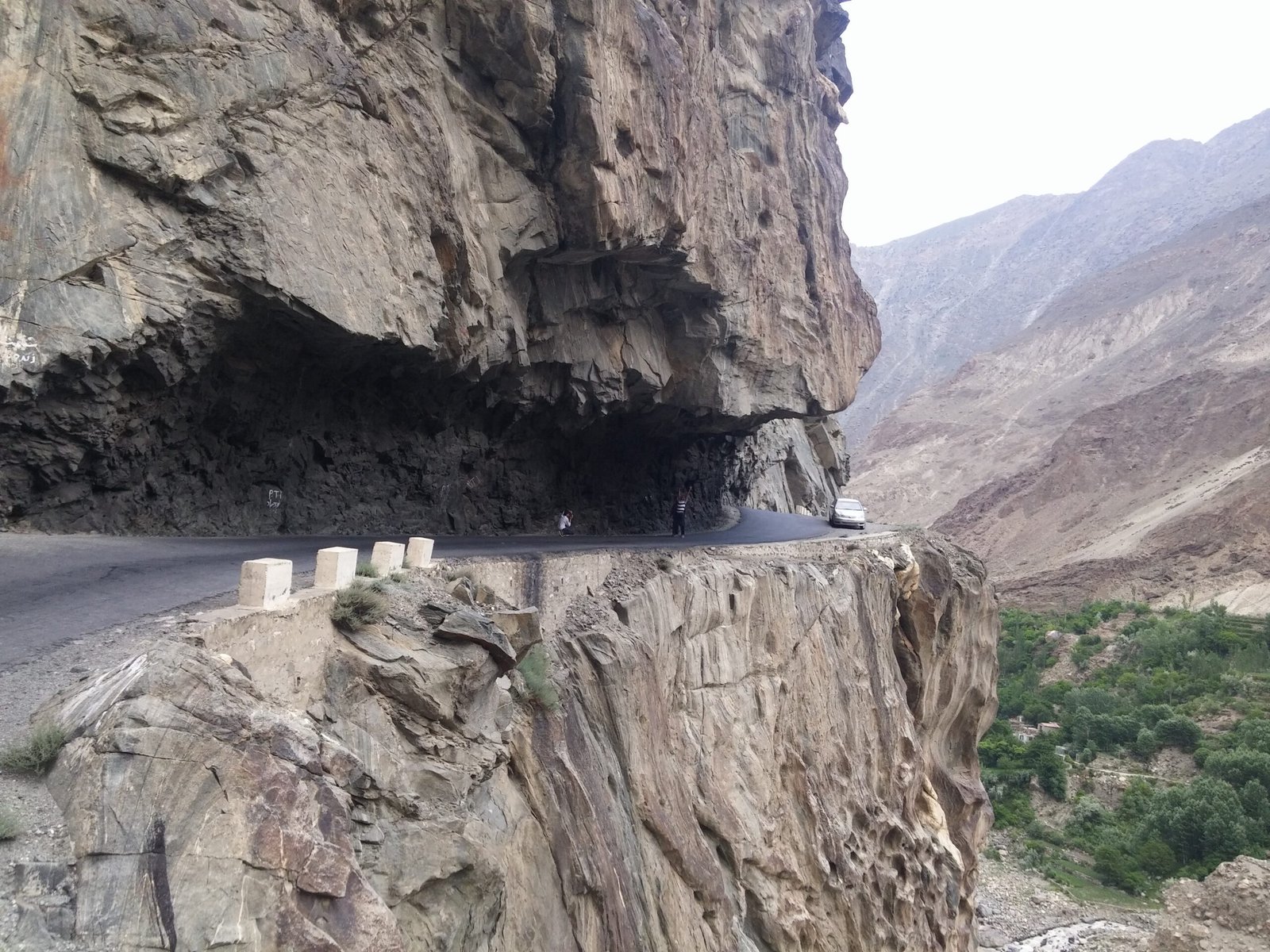
Treat Day 6 as a transfer day, not a sightseeing day. From Passu or Karimabad, drive back to Gilgit (about 100 km, 2–3 hours), then take the S-1 Baltistan Highway from Juglot to Skardu — 167 km, about 3–4 hours on the paved, upgraded road along the Indus. Total for the day is roughly 270 km and 6–8 hours with stops, which is why nothing else is scheduled on it. The S-1 is a real mountain highway with cliff sections and mud-flood exposure, so a local driver earns their fee on this day above all others. Sleep in Skardu; the lakes start tomorrow, not tonight. Logistics for both ends: How to Get to Hunza Valley and How to Get to Skardu.
Days 7–8: Why does Skardu get two nights before Shigar?
Because Skardu town and its lakes are a full day on their own, and rushing them to reach Shigar early is the circuit’s most common mistake. Day 7: Kharpocho Fort above the Indus in the morning, the bazaar in the afternoon, and Skardu at about 2,226 m as a gentler altitude after Khunjerab. Day 8: Satpara Lake (about 8 km), Shangrila Lake (about 32 km, roughly an hour) and Upper Kachura Lake, in that order, returning to Skardu for the night. The town and lakes detail is in Things to Do in Skardu.
Day 9: Why Shigar, then Khaplu — and why sleep in both?
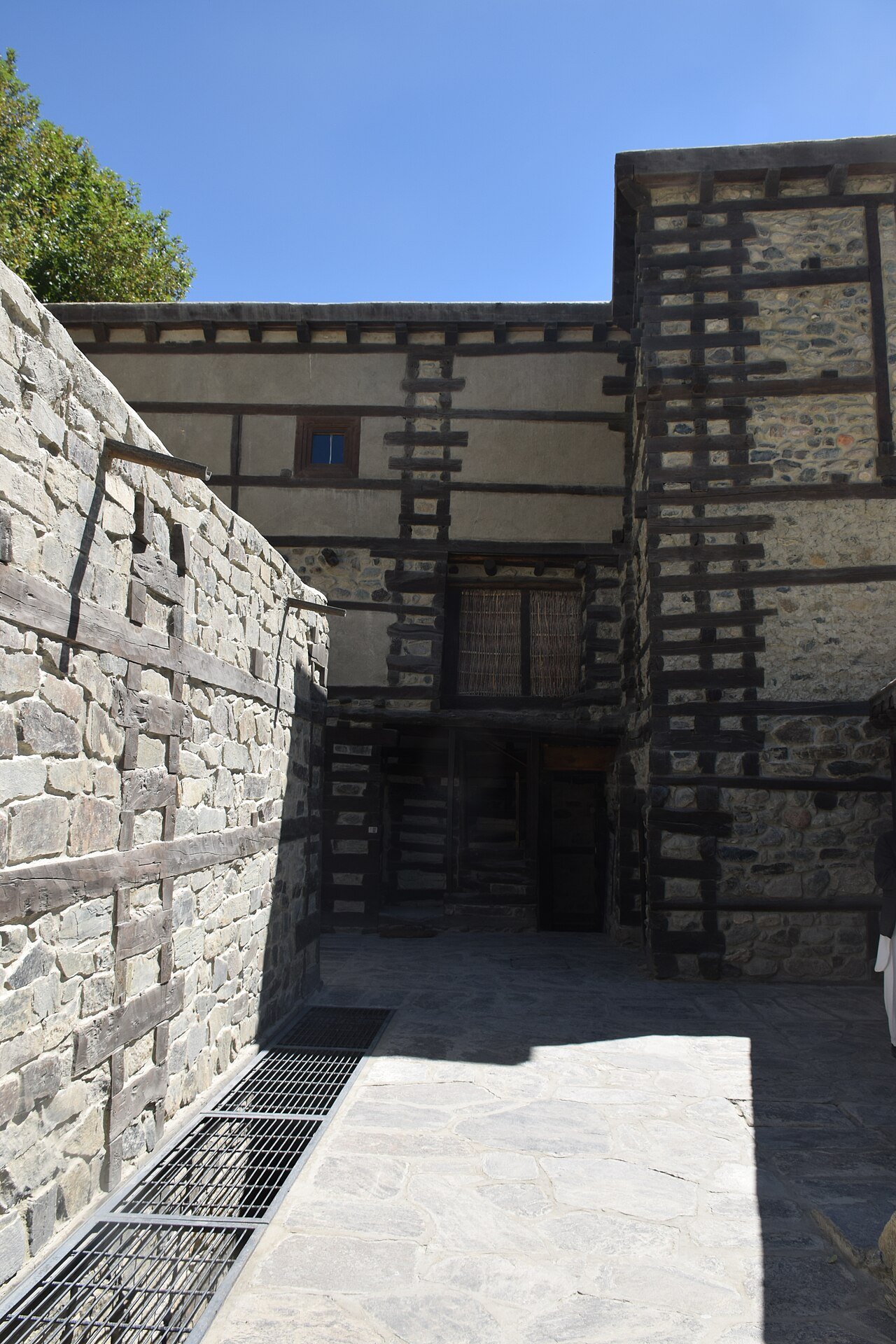
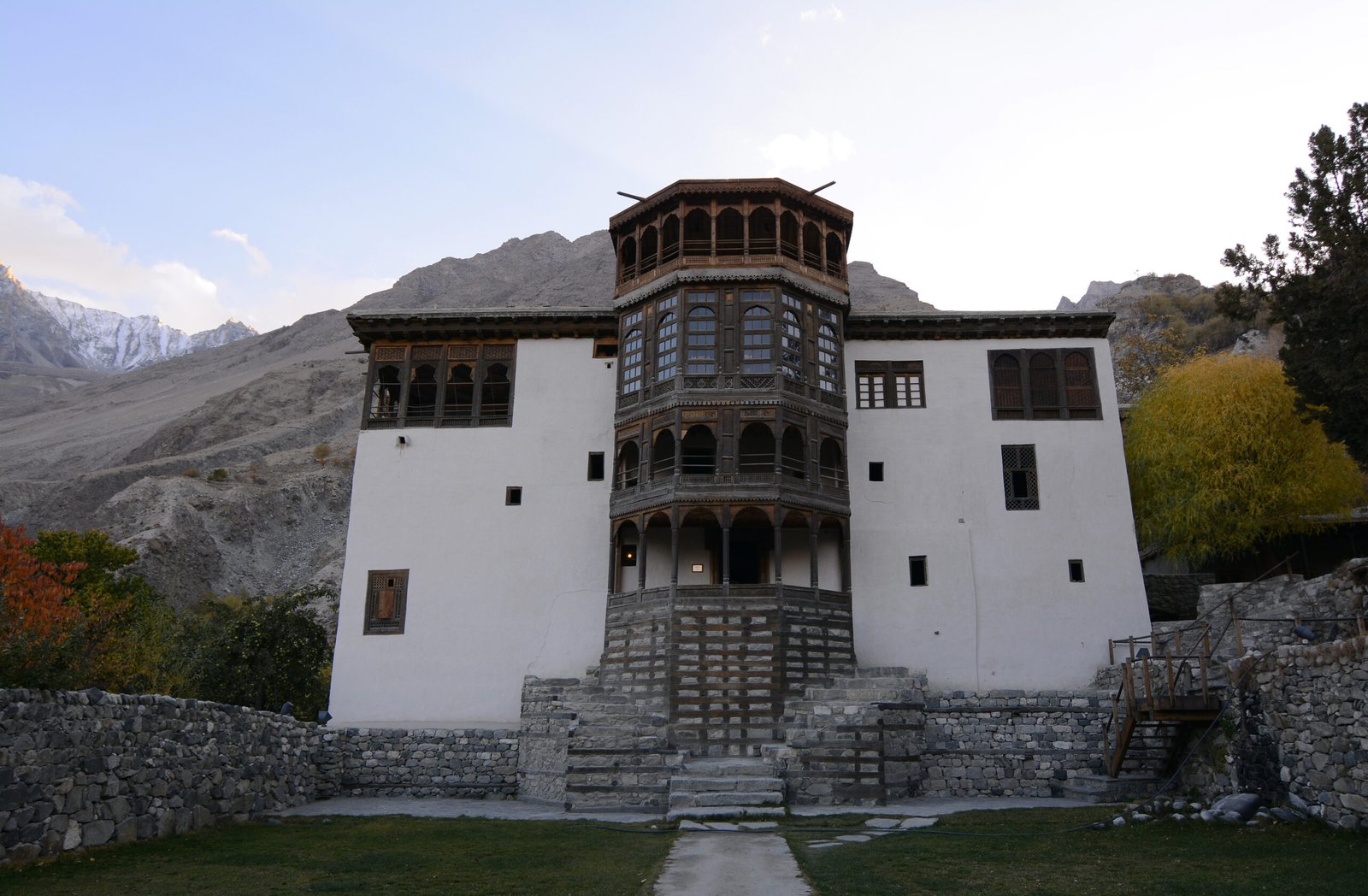
Drive roughly 30 km, about an hour, to Shigar: the 17th-century Shigar Fort in the morning, the Amburiq Mosque in the afternoon, and the Katpana Cold Desert at sunset. Sleep in Shigar, then drive the 103 km, 3–4 hours, along the Shyok River to Khaplu the next morning for the palace and the Chaqchan Mosque, sleeping in Khaplu that night. Sleeping in both valleys — rather than day-tripping both from Skardu — is what turns this from a driving exercise into a Baltistan trip: the evenings in Shigar and Khaplu are when the valleys are quietest and most themselves. The spokes: the Shigar Valley guide and the Khaplu Valley guide.
Day 10: How does the circuit close?
Drive back to Skardu in the morning — 103 km, 3–4 hours — and keep the afternoon free for a final bazaar walk and flight buffer. Skardu’s flights are weather-dependent, so the last afternoon is insurance, not wasted time. If you have extra days, the two honest extensions are Deosai National Park (entrance about 30 km and 1.5–2 hours by 4×4 from Skardu; Sheosar Lake roughly 60 km and 3 or more hours in — see the Deosai National Park guide) and the Nagar side of the Hunza River — Hoper Valley in Nagar District, not Hunza, with its glacier day walk (see the Hoper Valley guide). For when to run this circuit, see the Best Time to Visit Gilgit-Baltistan pillar and the Best Time to Visit Hunza Valley anchor — this itinerary deliberately does not repeat their timing detail.
Practical tips for the 10-day road trip
- One driver for the whole circuit: A driver who stays with you from Gilgit to Skardu knows both highways and both valleys; changing drivers mid-circuit wastes a day on re-briefing.
- Book Khaplu and Shigar before you leave Gilgit: Both valleys have far fewer rooms than Karimabad or Skardu, and the circuit’s logic collapses if you have to retreat to Skardu for a bed.
- Carry cash from Gilgit and top up in Skardu: ATMs thin out north of Aliabad and east of Skardu, and Passu, Shigar and Khaplu run on cash.
- Pack once for 2,200 m and 4,693 m: Layers, sun protection, a water filter and a power bank cover the whole range — see What to Pack for Northern Pakistan, the Sawyer Squeeze and the Anker PowerCore.
- Keep two buffer hours in every driving day: Landslides, checkpoints and photo stops are not delays on this circuit — they are the circuit. A plan with no slack is a plan that fails on Day 2.
- Visas and permits: The open valleys of Hunza and Baltistan need only the standard tourist e-visa for most foreign visitors; Khunjerab’s border checkpoints require passport and visa documents on the day. The general position is in the Pakistan Tourist Visa Guide.
Frequently Asked Questions
Can you do Hunza and Skardu in 10 days?
Yes, and 10 days is the minimum that does both properly: five days for Hunza and Khunjerab, one transfer day on the S-1 highway, and four days for Skardu, Shigar and Khaplu. Fewer days means cutting either Khunjerab or Khaplu, and both cuts damage the trip more than they save.
Why start in Hunza rather than Skardu?
The KKH climb to Karimabad is gentler than the Skardu road, Karimabad’s altitude of about 2,400 m acclimatises you gradually, and the forts give you the region’s history before its landscapes take over. Starting in Skardu reverses that logic and stacks the hardest driving onto the least acclimatised days.
How long is the drive from Hunza to Skardu?
Roughly 270 km in total and a full day: about 100 km from Karimabad back to Gilgit, then 167 km on the S-1 Baltistan Highway from Juglot to Skardu. Allow 6–8 hours with stops, and schedule nothing else that day — it is a transfer day, not a sightseeing day.
Is the Gilgit–Skardu road safe for tourists?
The S-1 is paved and upgraded, and the drive takes about 3–4 hours, but it is still a mountain highway with cliff sections and mud-flood exposure. Travel in daylight, use a local driver, and check conditions locally before setting out, especially after rain or snow.
Should you add Deosai to the 10-day circuit?
Only as an eleventh day. Deosai’s entrance is about 30 km and 1.5–2 hours by 4×4 from Skardu, and Sheosar Lake is roughly 60 km and 3 or more hours in, so it is a full day on its own. Adding it inside the 10 days means cutting either Khaplu or the Khunjerab day.
Last updated: 27 October 2026