Last updated: 11 November 2026
Short Answer
Deosai in winter is closed. The plateau sits above 4,000 m between Skardu and Astore, and from roughly late October or November to May it is buried under several metres of snow, with temperatures around minus 25C to minus 10C and no villages, shops or camps left on it. Both roads in, from Skardu and from Astore, are snow-blocked. There is no winter season to plan for. The visitable window is roughly mid-June to late October, and this guide explains why the plateau shuts, what winter does to it, and when to go instead.
Is Deosai open in winter?
No. Deosai National Park is closed in winter. Our own Deosai National Park travel guide states the season plainly: the park opens roughly from mid-June to late October and is closed under snow from November to May. Some sources put the closing a little earlier, in late October, and the opening a little later, in early May. The exact dates shift every year with snowfall, so always confirm locally before you plan anything around the edges of the season.
That closure is not a soft one. Deosai is one of the highest plateaus in the world, averaging over 4,000 m, and winter there is not a quieter version of summer. It is a different place entirely: frozen, empty and unreachable by road. If a tour operator or a blog post offers you a Deosai winter trip with camps and jeeps, treat it with serious caution, because the park does not work that way in winter.
When does Deosai close, and when does it reopen?
| Month | Conditions on the plateau | Access |
|---|---|---|
| November to May | Closed under snow, several metres deep, temperatures about minus 25C to minus 10C | Both roads snow-blocked, no vehicles |
| Early June | Snow melting, roads being cleared, opening depends on the year | 4×4 only once the road is declared open |
| Mid-June to late October | Open season, green meadows, wildflowers, bears active | 4×4 from Skardu or Astore |
| Late October | First snows return, season ends, camps come down | Roads close again |
In 2026 the park opened for the season on 10 June. That date is a useful anchor, but it is not a promise for next year. A heavy snowfall year can push the opening later, and an early snowstorm can close the plateau in late October while visitors are still planning trips. The rule is simple: if you are travelling in late October or early June, check with a local operator in Skardu or Astore first, and do not assume the road is open just because a date on a website says so.
What is Deosai like in winter?
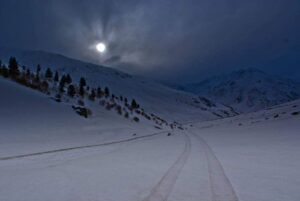
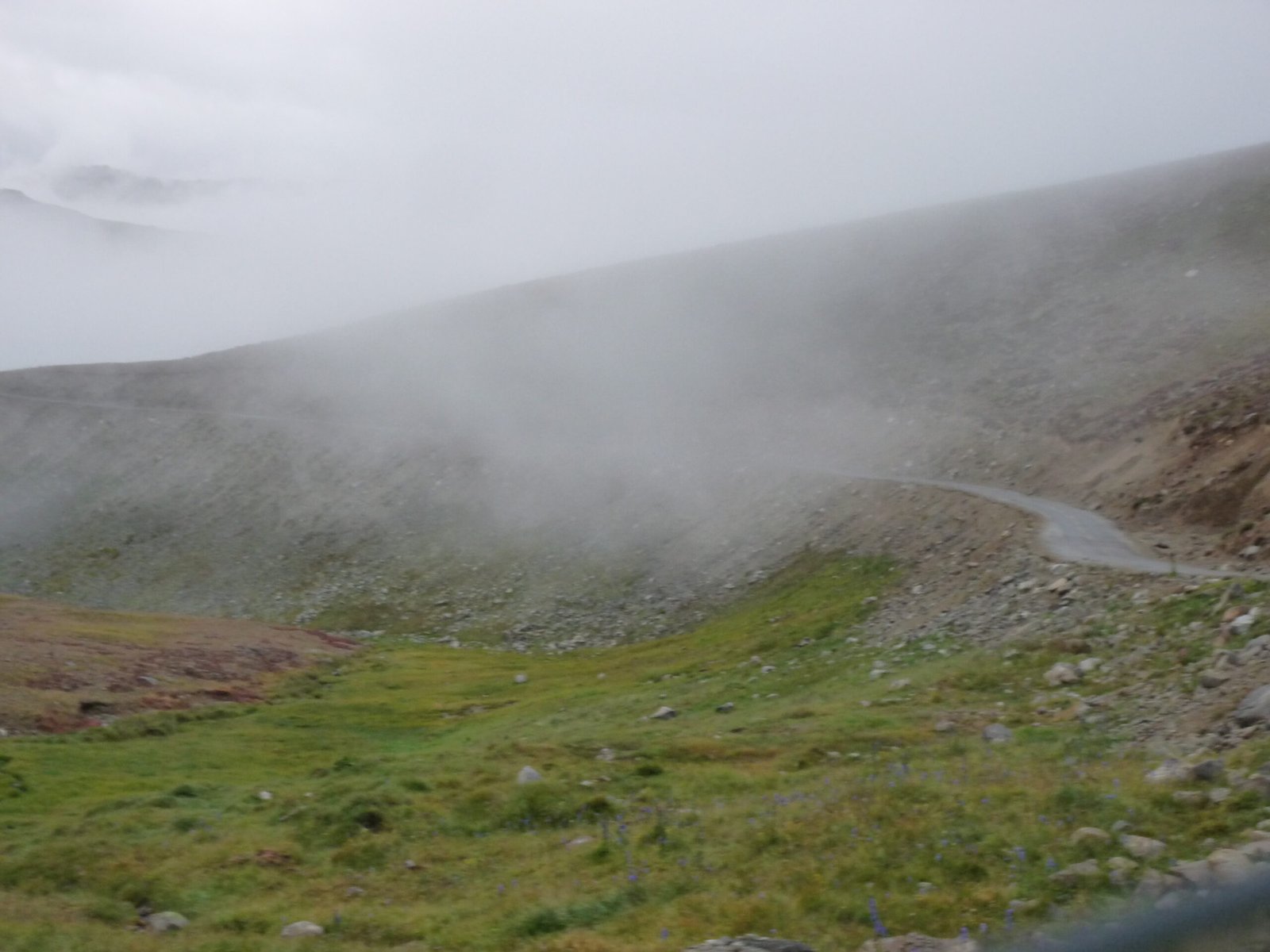
Winter on Deosai is total. Temperatures run about minus 25C to minus 10C in the day and fall to minus 20C or lower at night. Snow lies several metres deep across the whole plateau, and the wind drives it into drifts that bury everything. Avalanche risk is high on the slopes around the plateau. The lakes freeze, the streams freeze, and the meadow that is green and full of wildflowers in August becomes a white desert.
There is nothing and nobody left up there. Deosai has no villages and no permanent settlements at any time of year, and in winter even the seasonal camps are gone. There are no shops, no fuel, no shelter and no infrastructure of any kind on the plateau in winter. The herders leave, the park staff leave, and the plateau is uninhabited until the snow melts. That is the honest picture, and it is why no winter itinerary for Deosai exists: there is nothing to base one on.
Can you reach Deosai on foot or skis in winter?
Technically, the plateau is only reachable on foot or skis once the roads close, but that is an extreme expedition, not a trip. You would be crossing a frozen plateau above 4,000 m in temperatures around minus 25C, with several metres of snow, high avalanche risk, no shelter, no resupply and no rescue nearby. There are no marked winter routes, no huts and no winter support of any kind.
For almost every traveller, the answer is no. If you are an experienced high-altitude ski mountaineer with a full expedition setup, you already know what that involves. For everyone else, including fit trekkers, a winter crossing of Deosai is not a sensible plan. The plateau will still be there in June. Wait for it.
What does Deosai look like in summer instead?
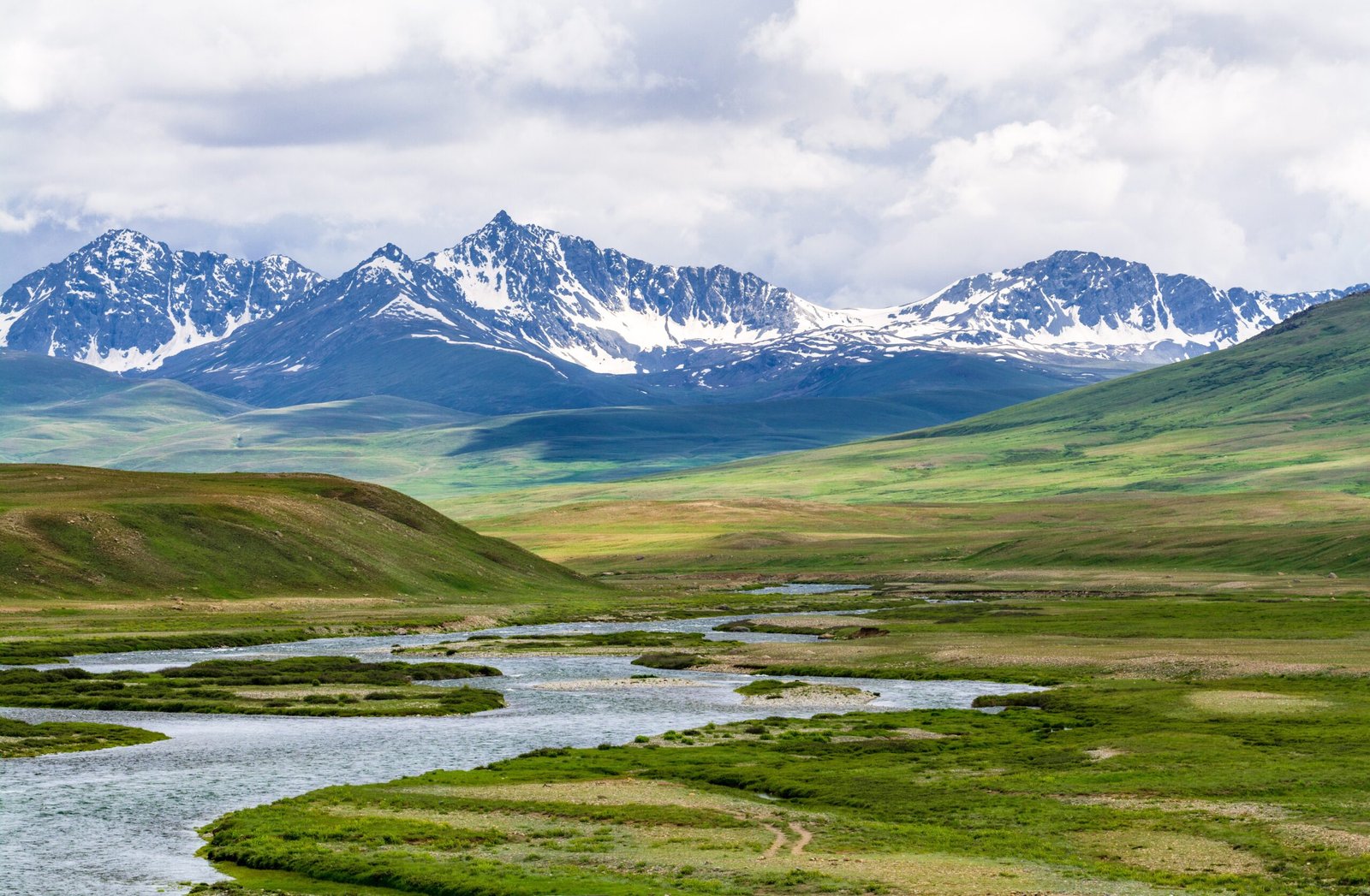
The contrast is the whole story. In the brief summer window the ice melts into a lush alpine meadow covered with thousands of wildflowers, and the park becomes one of the best places in Pakistan to look for the Himalayan brown bear. Late July and August bring the greenest plains and peak bloom. September brings golden autumn scenery and fewer tourists, before the first snow closes the park again.
This is why the summer window matters so much: Deosai gives you about four months a year, and the rest is winter. Our Deosai National Park travel guide covers the summer trip in full, including both routes, what you will actually see, and the camping rule that changed in September 2025. Read that guide before you plan a summer visit, and use this one to understand why winter is not an option.
Deosai in winter vs summer
| Winter (November to May) | Summer (mid-June to late October) | |
|---|---|---|
| Temperature | About minus 25C to minus 10C, nights minus 20C or lower | Mild days, cold nights at 4,000 m |
| Snow | Several metres, whole plateau buried | Gone from the meadows, patches on high slopes |
| Access | Both roads snow-blocked, foot or skis only | 4×4 from Skardu or Astore |
| People | None, plateau uninhabited | Visitors, herders, park staff, camps |
| Wildlife | None visible, bears hibernating | Himalayan brown bear, wildflowers, birds |
| Staying over | Not possible, no camps or shelter | Camps outside the park, no overnight camping inside since September 2025 |
How do you plan a summer Deosai trip instead?
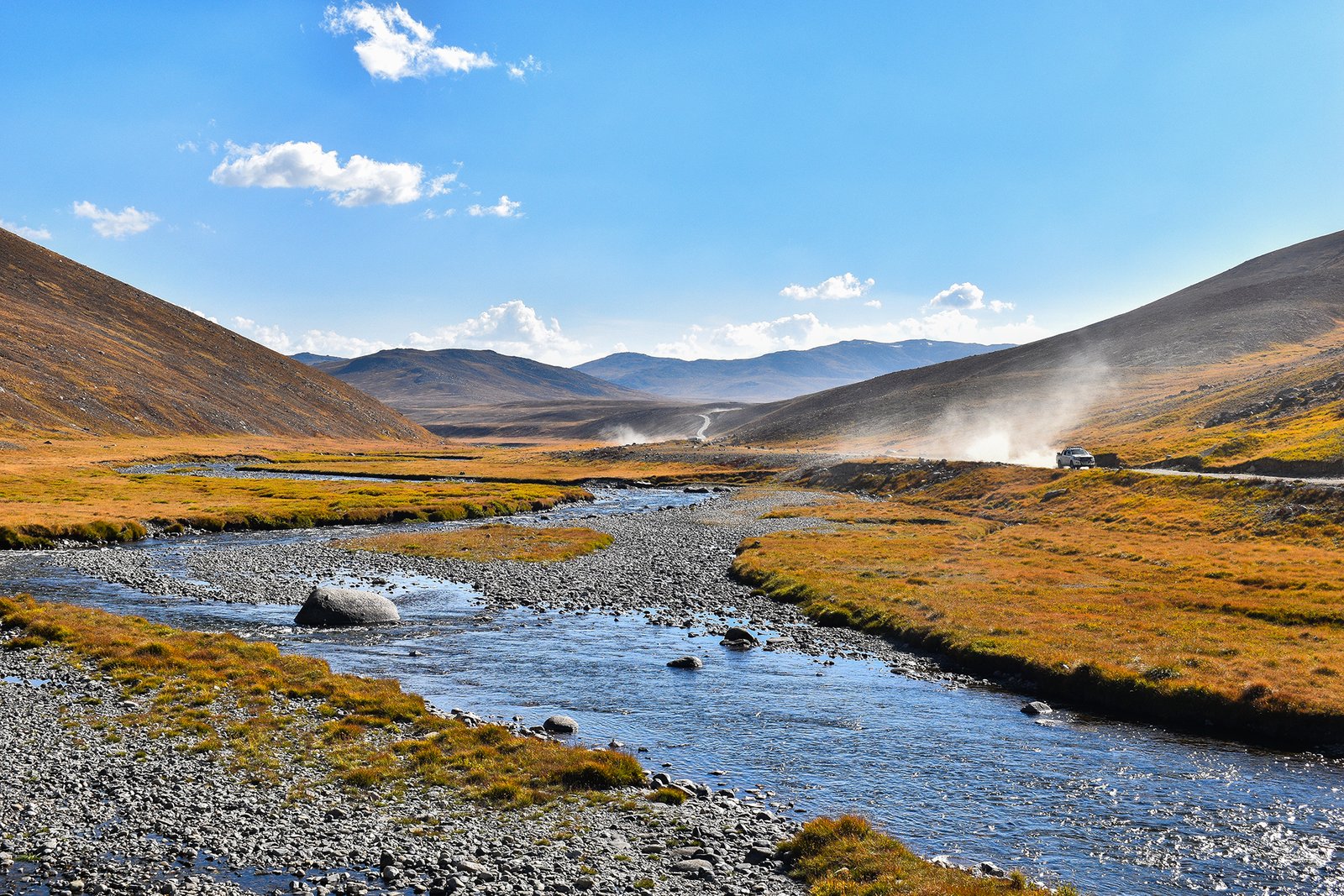
Start from Skardu. Our things to do in Skardu guide covers the town that most Deosai trips start from, and the Astore Valley travel guide covers the other gateway, on the Astore side. Both routes need a 4×4 jeep with a local driver, with no exceptions, and you should allow a full day for the plateau itself.
Book for mid-June to late October, and aim for late July or August if wildflowers are your priority, or September if you prefer golden light and fewer people. Read our best time to visit Gilgit-Baltistan guide to fit Deosai into a wider trip, and our winter in Gilgit-Baltistan guide if you want to understand what the cold season does to the region as a whole.
Pack for cold even in summer. Nights at 4,000 m are cold, and the weather can turn fast. Our what to pack for northern Pakistan guide covers the layers. Cold also drains phone batteries fast at altitude, so carry a power bank. A reliable option is the Anker PowerCore 10000mAh, which is small enough to keep in a jacket pocket.
Disclosure: as an Amazon Associate, we earn from qualifying purchases made through links on this page.
If you are travelling in the cold months, our hotels open in winter in Gilgit-Baltistan guide lists places that stay open when the high country shuts down. Deosai will be closed, but Skardu, Hunza and Gilgit are not.
Frequently Asked Questions
Is Deosai open in winter?
No, Deosai is closed in winter. The plateau is buried under several metres of snow from roughly late October or November to May, and both roads in are snow-blocked. There are no camps, shops or services on the plateau in winter, and no winter season exists to plan around.
When does Deosai close for winter?
Deosai usually closes in late October or November, when the first heavy snow blocks both access roads. The exact date shifts every year with snowfall. Our live Deosai guide states the park is closed under snow from November to May, so confirm locally before travelling near the edges of the season.
Can I visit Deosai in December or January?
No. December and January are the middle of the closure, with temperatures around minus 25C to minus 10C and several metres of snow across the plateau. There is no road access, no accommodation and no one on the plateau. Visit in summer instead, between mid-June and late October.
How cold does Deosai get in winter?
Daytime temperatures run about minus 25C to minus 10C, and nights fall to minus 20C or lower. Wind chill makes it feel colder still. The whole plateau freezes, lakes and streams included, and snow lies several metres deep until the spring melt begins.
Can I ski or trek across Deosai in winter?
Only as an extreme expedition. The plateau is reachable on foot or skis in winter, but that means crossing frozen ground above 4,000 m in deep snow with high avalanche risk and no shelter, resupply or rescue nearby. For almost every traveller, including fit trekkers, it is not a sensible plan.
When is the best time to visit Deosai instead?
The open window is roughly mid-June to late October. Late July and August offer the greenest meadows and peak wildflower bloom, while September brings golden autumn scenery with fewer tourists. In 2026 the park opened on 10 June, but exact dates shift every year with snowfall.