Pakistan has set out plans to make its ancient Buddhist heritage easier for pilgrims and travellers to reach, with a dedicated visa category, meditation zones and organised pilgrimage programmes on the table.
Table of Contents
ToggleWhat happened
At the Gandhara Strategic Dialogue 2026 in Islamabad on Wednesday, senior Buddhist monastics from eight countries joined international experts, diplomats and parliamentarians to discuss the future of Pakistan’s Gandhara heritage. Federal Minister for National Heritage and Culture Aurangzeb Khan Khichi told the gathering that Gandhara was one of the region’s most distinguished centres of Buddhist learning, philosophy, art and culture, and that Pakistan took pride in safeguarding it as a shared responsibility towards the international community and future generations.
The travel proposals reported by The Express Tribune include a dedicated Buddhist visa category, long-term multiple-entry visas for ordained monastics, simplified No Objection Certificate procedures, meditation facilities near important heritage sites, land near key sites for meditation halls and centres of learning, and a dedicated Buddhist heritage zone in Taxila.
Foreign Secretary Asim Iftikhar Ahmad reaffirmed Pakistan’s commitment to preserving Gandhara and making it accessible to Buddhist communities and visitors worldwide, pointing to organised pilgrimage programmes, improved access to heritage sites and stronger exchanges among scholars, museums and monastic communities.
Visiting monastics made their own requests. Vietnamese monk Thich Minh Quang sought land for a meditation hall, Japanese monastic Junsei Terasawa offered to visit Pakistan and work with local communities as soon as land was designated for Buddhist activities, and Cambodian representative Dr Yon Seng Yeath proposed Gandhara Corners at two Pakistani universities.
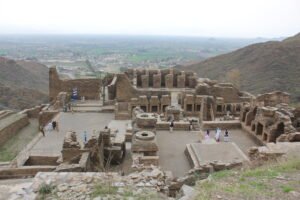
The sites at the centre of the plan are Taxila, Takht-e-Bahi and Swat. Takht-i-Bahi, a Buddhist monastery founded in the 1st century near Mardan, has been a UNESCO World Heritage Site since 1980.
What it means for travellers
Nothing changes at the border yet. These are proposals and plans, not rules in force, and no date has been given for the visa category or the meditation zones. But if they go ahead, Buddhist pilgrims from countries such as Thailand, Vietnam, Japan and Cambodia would face less paperwork, and organised pilgrimage programmes would make Taxila, Takht-e-Bahi and Swat easier to visit as a single heritage circuit.
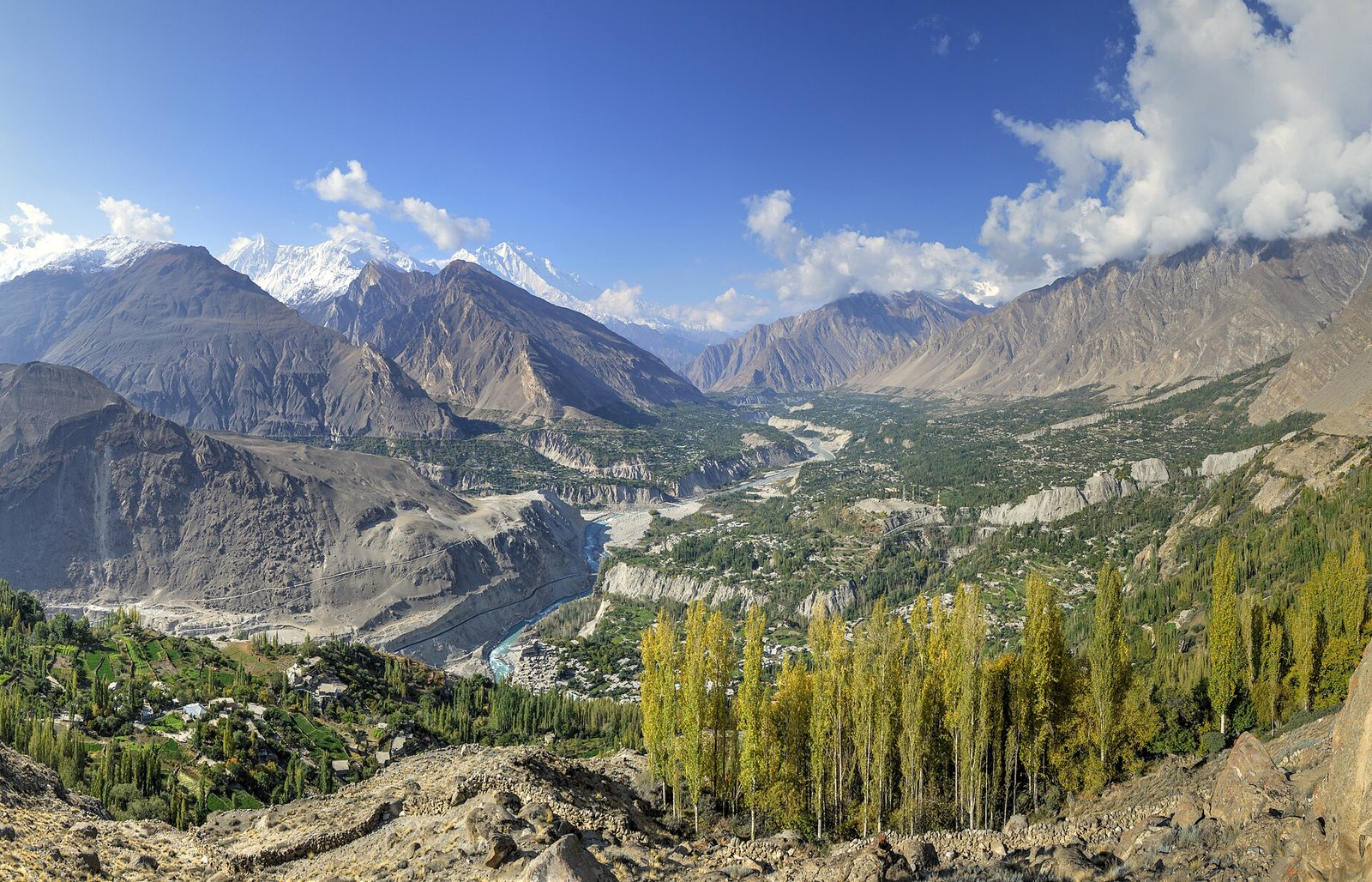
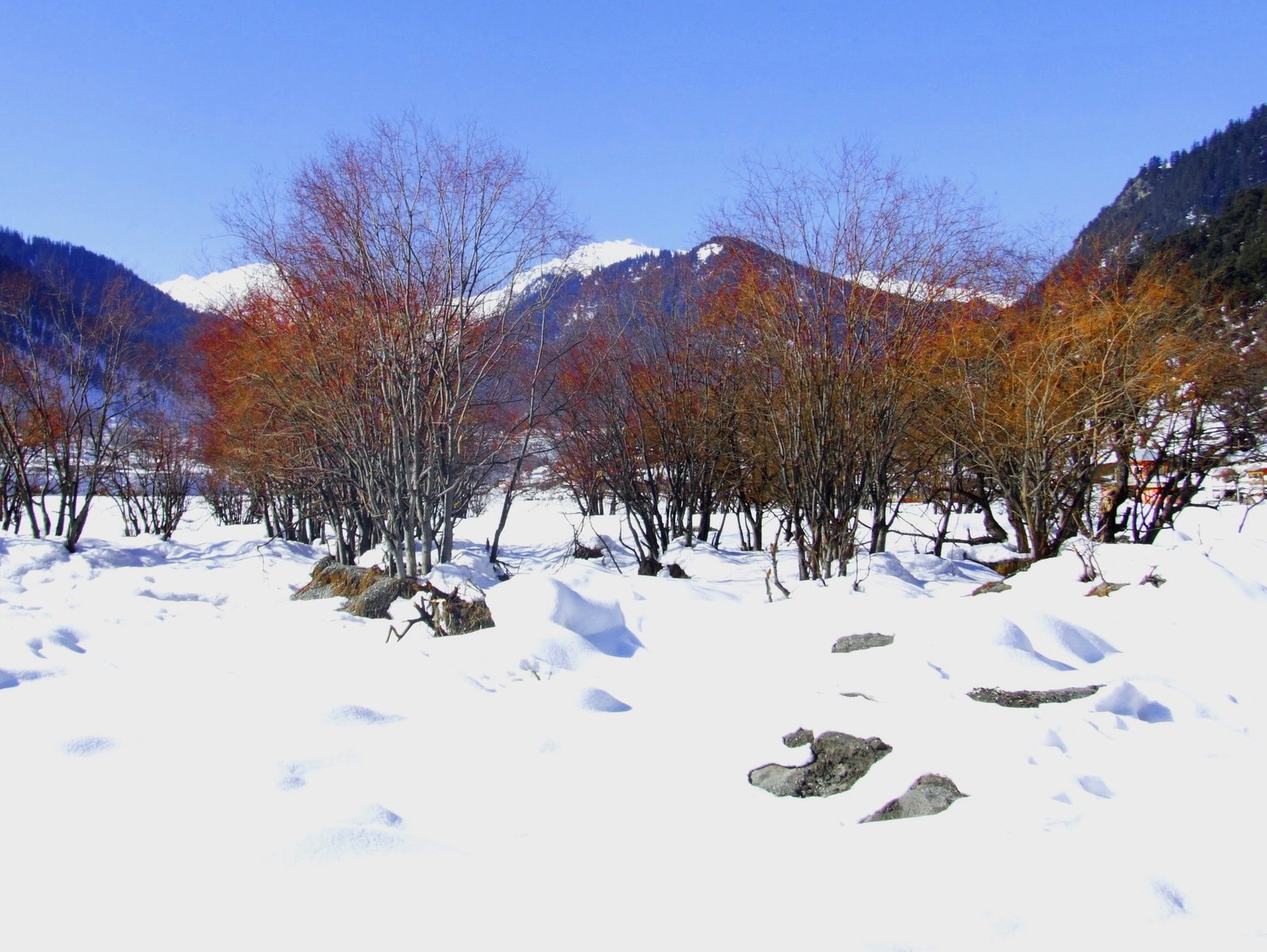
Swat is already a travel destination in its own right, and the Gandhara push gives visitors a second reason to go: ancient Buddhist remains alongside the valley’s mountains and lakes. Meditation facilities near the sites would add a quiet, contemplative stop to heritage itineraries rather than a quick photo stop. Travellers interested in the living heritage of the north can also read our Kalash Valleys and Chitral guide.
What to watch
The dialogue continues with thematic sessions and a concluding session on 20 November, so watch for any formal announcement on the visa category or the Taxila heritage zone. The first real test is whether land is actually allocated for meditation halls, the step the visiting monastics asked for first. Then watch for the Pakistan Tourism Development Corporation’s follow-through on organised pilgrimage programmes and improved site access.
Source: The Express Tribune, 19 November 2026, “Pakistan vows to preserve Gandhara’s buddhist heritage“.