Last updated: 3 November 2026
Short Answer
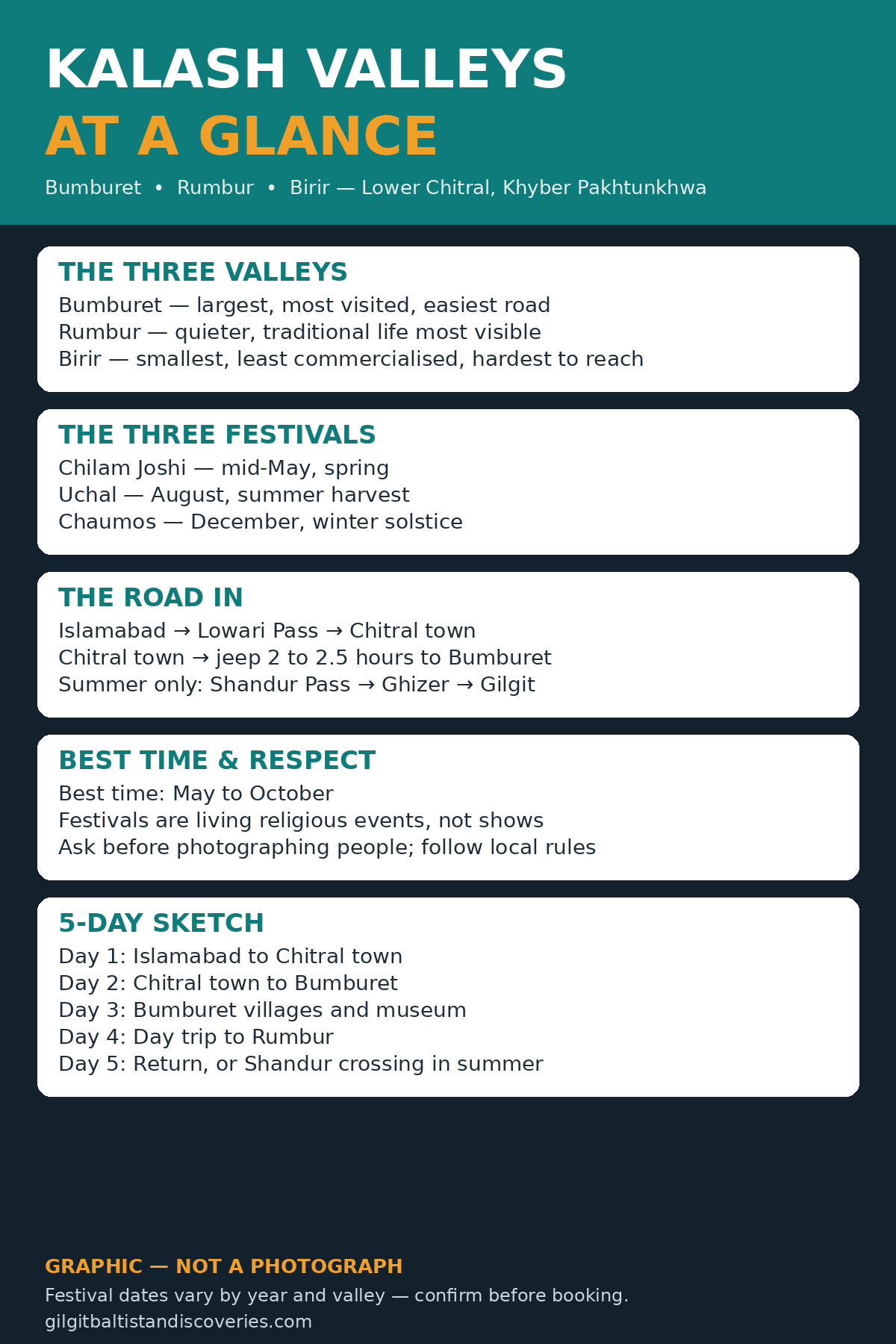
The Kalash valleys — Bumburet, Rumbur and Birir — are three small valleys in Lower Chitral, Khyber Pakhtunkhwa, home to the Kalash people, a community of a few thousand with their own language, Kalasha, and an ancient religion distinct from their neighbours. They are not in Gilgit-Baltistan, and a Kalash trip is a Chitral trip first: fly or drive to Chitral town, then take a jeep 2 to 2.5 hours into the valleys. Allow 4 to 5 days from Islamabad for Chitral town plus two valleys, or 6 to 7 days to add Shandur Pass and the road into Gilgit-Baltistan. The best time is May to October. Time your visit for a festival if you can — Chilam Joshi in mid-May, Uchal in August, or Chaumos in December — but visit with respect: these are living religious festivals, not performances, and the rules of each valley apply to visitors as much as to residents.
Where are the Kalash valleys, and who are the Kalash?
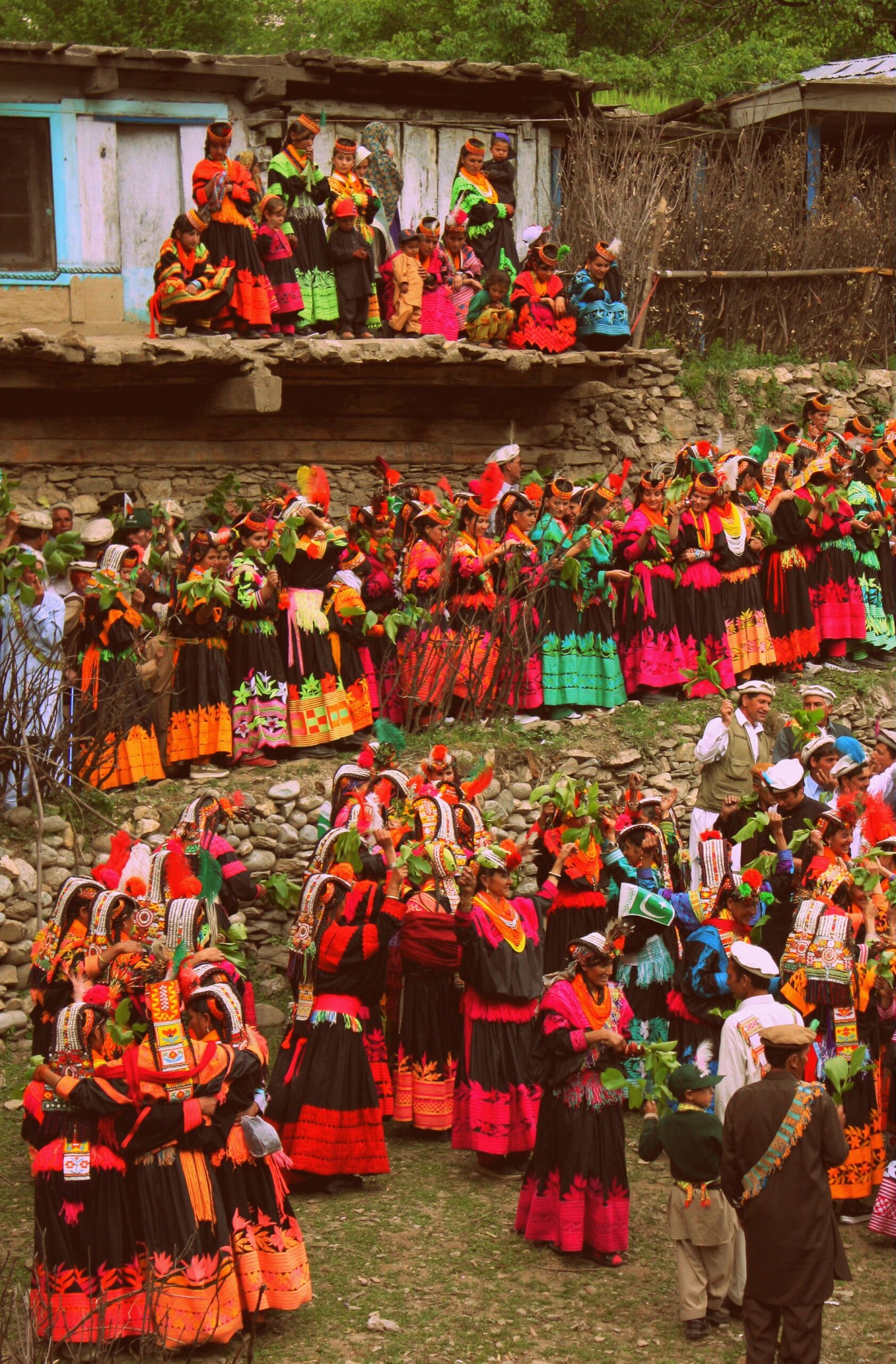
The three valleys sit south of Chitral town, in the Hindu Kush, near the Afghan border. Bumburet is the largest and most visited, with the easiest road and the most guesthouses. Rumbur is quieter and, by most accounts, the valley where traditional life is most visible. Birir is the smallest and least commercialised, and the hardest to reach. Together they are home to a community numbering only a few thousand people who still practise their ancient religion, alongside Kalash people who have converted to Islam; visitors should not assume every resident of a Kalash valley follows the old religion, and should not treat the valleys as a single open-air museum. The Kalasha language belongs to the Dardic group of Indo-European languages. The often-repeated claim that the Kalash descend from Alexander the Great’s army is a popular story, not an established fact, and this guide does not present it as history. What is certain is that the community’s festivals, dress, wooden architecture and village life are unlike anything else in Pakistan, which is why the valleys draw cultural travellers despite the long road in.
What are the three great Kalash festivals?
| Festival | When | What it marks | Best valley to see it |
|---|---|---|---|
| Chilam Joshi (Joshi) | Mid-May, usually 13 to 16 May, with dates shifting slightly by year and valley | Spring: the start of the cultural year, blessing of flocks and shepherds before the move to summer pastures | Bumburet for access; Rumbur and Birir celebrate on slightly different days |
| Uchal (Uchau) | August, usually around 20 to 22 August | Summer harvest, with day and night dancing | Bumburet and Rumbur |
| Chaumos (Chitrimas) | December, around the winter solstice, usually mid- to late December | Winter: the longest and most sacred festival, purification and the turning of the year | Rumbur and Bumburet; winter travel is hard, so only committed visitors should attempt it |
Exact festival dates are set by the community each year, so confirm the current year’s dates before booking. During festivals, guesthouses in Bumburet fill early, and day visitors from Chitral town add to the crowds. Outside festival time, the valleys are quiet, and a visit is about village walks, the Kalasha Dur Museum in Bumburet, and the landscape itself.
How do you get to Chitral and the Kalash valleys?
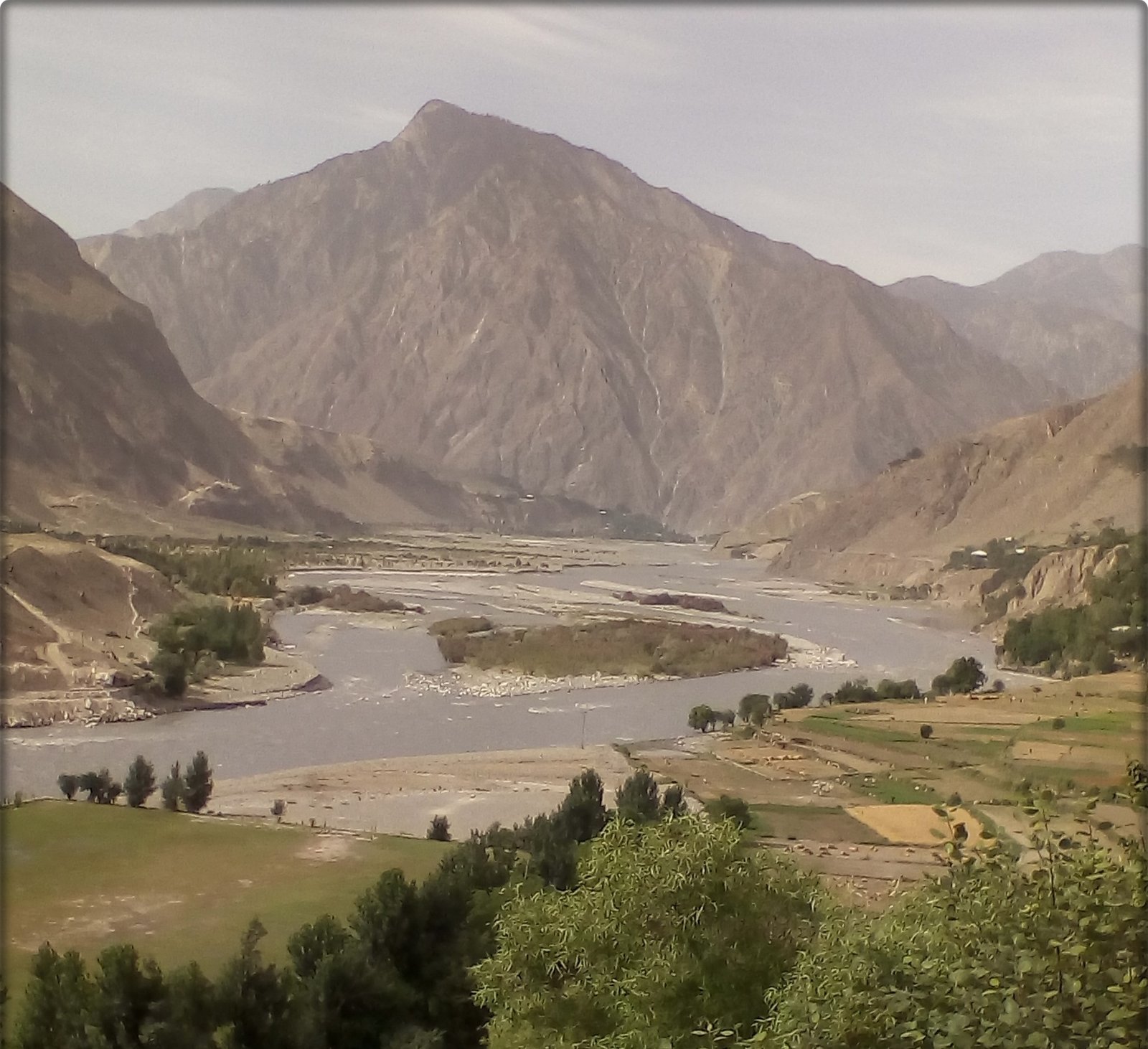
From Islamabad, the usual route is by road through Swat and Dir, over the Lowari Pass (3,118 m) to Chitral town, or by air to Chitral when flights operate. The road journey is long — a full day or more — and the Lowari Tunnel has improved the route, but winter snow and landslides can still disrupt it, so check conditions before departure. From Chitral town, hire a jeep for the valleys: about 2 to 2.5 hours to Bumburet, with Rumbur and Birir reached by rougher tracks. A local driver is strongly recommended; the valley roads are narrow, steep and unpaved in places, and a driver who knows the valleys also knows which village tracks are open. There is no railway, and public transport into the valleys is limited to shared jeeps and vans that run when full. If you are continuing to Gilgit-Baltistan, the Shandur Pass road (about 3,700 m) links Chitral, via Mastuj, to Ghizer and Gilgit in summer, roughly June to September, and is itself a full day’s jeep journey — do not treat it as a shortcut.
What should you see in Chitral town and on the way?
| Stop | What it is | Allow |
|---|---|---|
| Chitral town, fort and Shahi Mosque | The district capital under Tirich Mir (7,708 m), the highest peak of the Hindu Kush, with a fort, mosque and bazaar | Half a day to a day |
| Chitral Gol National Park | A protected valley near Chitral town, known for markhor | Half a day, with a guide |
| Bumburet Valley | The main Kalash valley: villages, the Kalasha Dur Museum, guesthouses and festival grounds | 2 nights |
| Rumbur Valley | The quieter Kalash valley, with a stronger sense of traditional village life | 1 to 2 nights, or a day trip from Bumburet |
| Birir Valley | The smallest and least visited Kalash valley | A day trip, if the track is open |
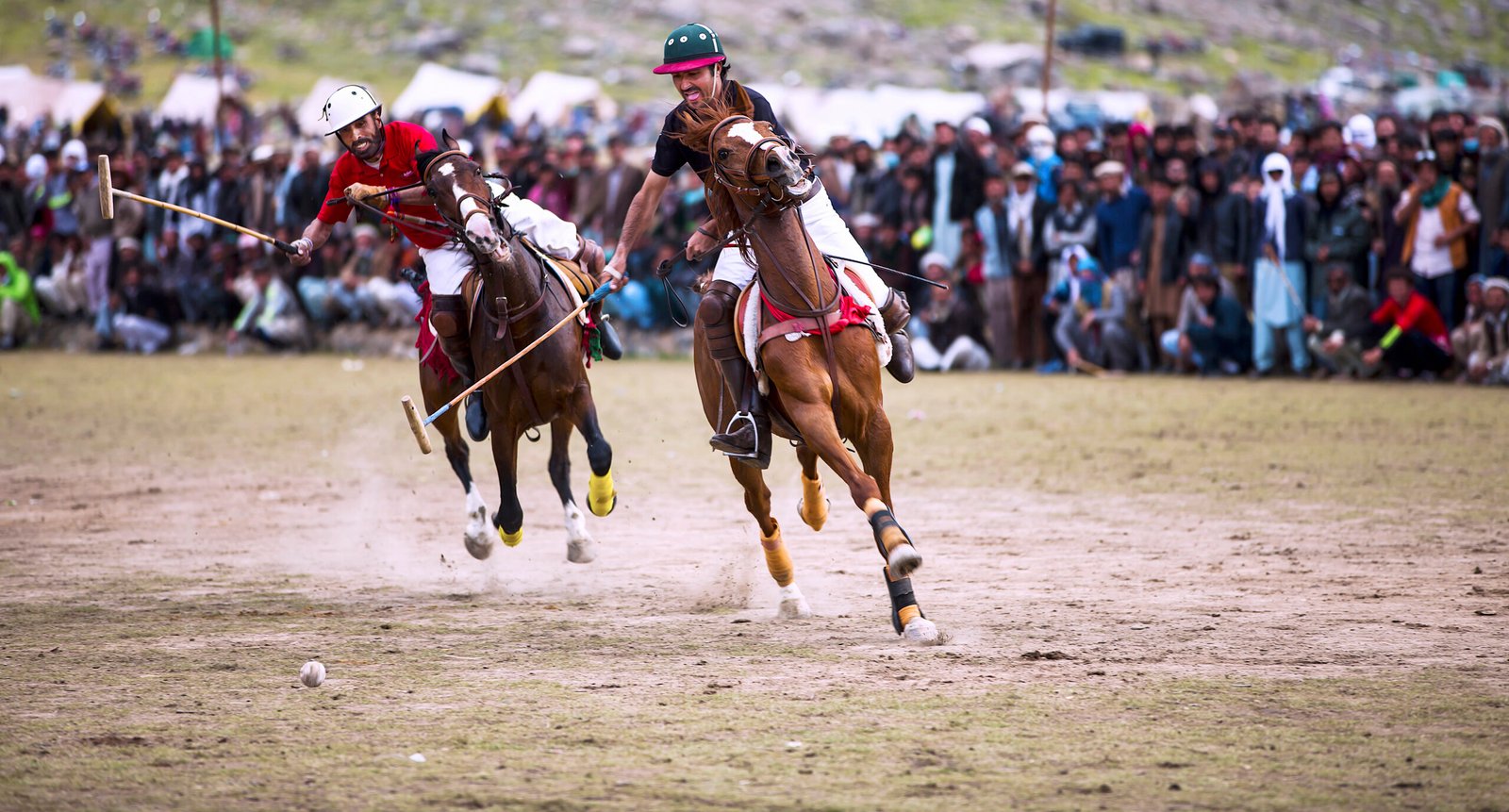
| Shandur Pass | The 3,700 m plateau between Chitral and Ghizer, home to the world’s highest polo ground and the July Shandur Polo Festival | A full day’s drive each way in summer only |
Chitral town deserves a night at each end of a Kalash trip, not just a pass-through: the bazaar, the fort and the views of Tirich Mir reward a slow afternoon, and the town is where you arrange jeeps, confirm festival dates and buy supplies.
How should visitors behave in the Kalash valleys?
Respect is the practical rule, not an abstraction. Ask before photographing people, especially women, and accept a refusal without argument. Dress modestly in villages, keep noise down near holy places (known as malosh sites, usually on the outskirts of villages), and do not enter homes, temples or restricted areas uninvited. During festivals, follow the guidance of local hosts and guides: some dances and rituals are open to visitors, others are not, and the distinction is theirs to make. Buy from local guesthouses, shops and guides rather than bringing everything from Chitral town, and do not haggle aggressively over small sums in a community of a few thousand people. Finally, do not present the Kalash as a curiosity: they are a living community facing real pressures, and the most useful thing a visitor can do is to travel quietly, spend locally and leave the valleys as they found them.
A practical 5-day Kalash itinerary
Day 1: Islamabad to Chitral town by road or air, overnight in Chitral town. Day 2: Chitral town in the morning — fort, mosque and bazaar — then jeep to Bumburet in the afternoon, overnight in Bumburet. Day 3: Bumburet villages and the Kalasha Dur Museum, with an afternoon walk to a neighbouring village. Day 4: Day trip to Rumbur, returning to Bumburet, or overnight in Rumbur if you prefer a quieter night. Day 5: Return to Chitral town and onward travel, or, in summer, begin the Shandur Pass crossing towards Ghizer and Gilgit-Baltistan. Festival visitors should add a day in Bumburet and book guesthouses well ahead, since festival accommodation is limited.
Frequently asked questions
When is the best time to visit the Kalash valleys?
May to October is the main season. Mid-May is the most popular window because Chilam Joshi falls then, but it is also the busiest. June to September offers the best combination of open roads, green valleys and the chance to continue over Shandur Pass. Winter visits are possible to Chitral town but hard in the valleys.
How many days do I need for the Kalash valleys?
Allow 4 to 5 days from Islamabad for Chitral town plus Bumburet and Rumbur, including travel days. Add a day for Birir and another day or two if you plan to cross Shandur Pass into Gilgit-Baltistan. A single day trip from Chitral town to Bumburet is possible, but it gives you the road, not the valleys.
Do I need a guide for the Kalash valleys?
A guide is not formally required, but a local guide or driver is strongly recommended. Valley roads are rough, festival customs are specific, and a local host can explain what is open to visitors and what is not. For festival visits and for Birir, a guide moves from recommended to essential.
Is it respectful to visit during a Kalash festival?
Yes, if you visit as a guest rather than a spectator. Festivals are open to visitors, and the community welcomes respectful guests, but photography, dress and access rules are set locally. Ask your host what is permitted that day, follow it exactly, and remember that you are attending a religious event, not a show staged for tourists.
Can I combine the Kalash valleys with Gilgit-Baltistan?
Yes, in summer, via Shandur Pass. The road from Chitral via Mastuj crosses the 3,700 m pass into Ghizer, then continues to Gilgit and Hunza. Allow a full day for the crossing, travel by jeep, and confirm the pass is open before leaving Chitral. In winter the pass is closed, and the combination requires returning to Islamabad first.
Related guides
- Gilgit-Baltistan Festival Calendar: Polo, Harvest and Shandur Dates
- Swat Valley Travel Guide: Malam Jabba, Kalam and the Switzerland of Pakistan
- Phander Valley & Ghizer: The Greenest Valley in Gilgit-Baltistan
- Is Gilgit-Baltistan Safe for Tourists? An Honest 2026 Answer
- Pakistan Tourist Visa Guide: E-Visa, Fees, and What Actually Gets Approved
- 12 Unique Things to Do in Chitral Valley