You’re tired. Your boss just approved your work-from-anywhere policy (finally), and you’ve been staring at the same office walls for three years. You’ve heard Bangkok is the perfect place to reset cheap living costs, world-class food, zero humidity in November, and wifi that actually works. But there’s a problem: you have no idea where to start.
This isn’t a listicle of “101 things to do.” This is the guide I wish I had before my first trip to Bangkok the stuff that actually matters when you’re a professional who wants to explore without losing your mind (or your laptop).
Why Bangkok Is Actually Perfect for Young Professionals (Not Just Backpackers)
Here’s the thing about Bangkok that caught me off guard: it works for everyone.
Sure, Khaosan Road is there if you want to party until 4 AM with backpackers named Brad. But there’s also a thriving coworking scene, excellent coffee culture, high-speed internet in neighborhoods like Sukhumvit and Thonburi, and restaurants that would cost $60+ in New York but here run you $8.
Download Bangkok Travel Guid e PDF Free
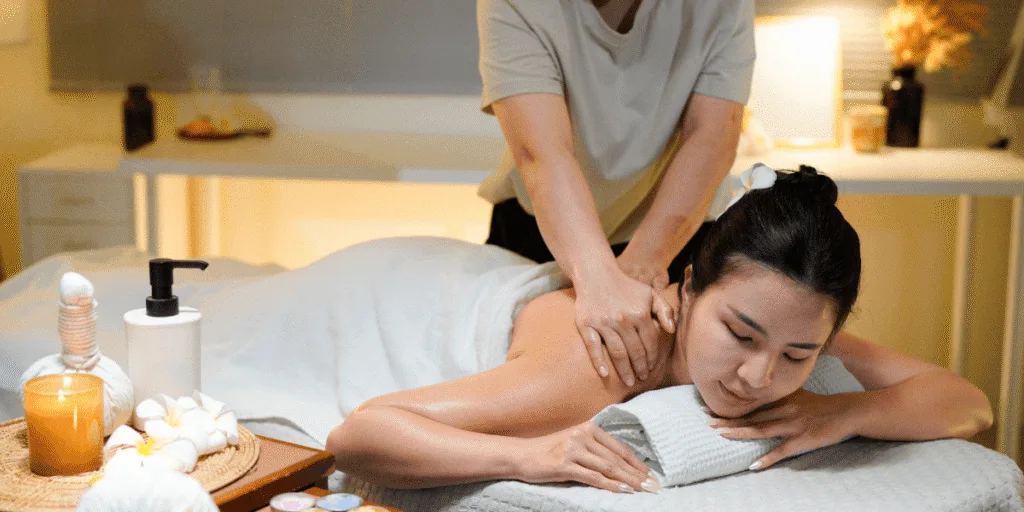
The real reason Bangkok wins? Time freedom. You can work 6-10 AM (while it’s cool), explore 10 AM-2 PM, take a 2-hour Thai massage ($7), work again 4-7 PM, then grab dinner at a floating market. Try doing that in your home city.
Bangkok in 2025 has matured. It’s not just a party destination anymore, it’s a legitimate base for professionals who want to work smarter, live better, and actually breathe.
The Bangkok Reality Check (What Nobody Tells You)
Before I get into the highlights, let’s be honest about what you’re walking into:
The Heat: November-February? Perfect. March-May? Your shirt will be wet within 30 minutes of leaving your apartment. This isn’t an exaggeration. Locals literally call it “hell season.”
The Humidity: Even in cool season, Bangkok is humid. Your hair will get weird. Your laptop charger might develop that sticky feeling. This is normal.
The Smells: Bangkok smells like a mix of street food, tropical flowers, exhaust fumes, and sewage. Sounds gross? It’s actually kind of wonderful after a few days. Your nose adjusts.
The Crowds: Rush hour on the BTS (Sky Train) is shoulder-to-shoulder. People will step on you. It’s not personal; it’s just how 10 million people get around daily.
The Scams: They exist. But they’re mostly obvious if you’re paying attention (overpriced tuk-tuks to gem shops, “friendly locals” offering deals). Basic street smarts = you’re fine.
Why this matters: You’re not here for Instagram. You’re here to work, eat well, and explore a genuinely weird and wonderful city. Accept the chaos, and you’ll love it.
Part 1: When Should You Actually Go?
This matters more than you think, especially if you’re working.
November to February: The Sweet Spot (But Busier)
Weather: 20-28°C (68-82°F), sunny, comfortable
This is peak season, and there’s a reason. The weather is perfect. You can actually sit outside without sweating through your shirt. The air quality is decent. Everyone comes here.
Pros:
- Perfect working weather (you won’t be drained by 10 AM)
- Festivals: Loy Krathong (November) is genuinely magical—thousands of floating candles on water
- Outdoor coworking is actually viable
- Best for productivity
Cons:
- Hotels are 2-3x more expensive
- Every restaurant has a line
- Flights are pricier
- Coworking spaces are packed
- More tourists = less “real Bangkok”
Best time to go within this window: Early November (before Loy Krathong crowds) or late February (prices drop, weather still perfect)

March to May: The Underrated Option (Cheapest)
Weather: 30-40°C (86-104°F), bone dry, absolutely brutal
I’m not going to sugarcoat this: it’s hot. Like, “you’ll take three showers a day” hot. Like, “the plastic on your passport might melt” hot.
Pros:
- Cheapest accommodation (50% off peak prices)
- Fewer tourists = authentic Bangkok
- Coworking spaces empty out (you get a desk)
- Restaurants less crowded
- Songkran Festival (April): Thai New Year, water fights, celebrations everywhere
- If you work nights/early mornings, you can avoid peak heat
Cons:
- Heat is genuinely challenging for productivity
- Air quality worsens (burning season in surrounding areas)
- Some small shops close for renovation/break
- You’ll be a sweaty mess by 11 AM
Who should go: Budget-conscious professionals, night owls, people with flexible work hours, experienced travelers
Top 10 Places to visit in Thailand
June to October: Rainy Season (Best Kept Secret)
Weather: 25-28°C (77-82°F), afternoon showers, lush and green
This is when locals take vacations. Prices drop 40-50%. Coworking spaces are basically empty.
Pros:
- Cheapest option (hotels 60% off peak)
- Fewer tourists = authentic experiences
- Green city (everything blooms)
- Rain keeps Bangkok cooler
- Perfect for focus work (indoors + peaceful)
- Longer work day possible (less heat drain)
Cons:
- Afternoon showers (usually 1-2 hours)
- Humid
- Some flooded streets in September (rare but happens)
- A/C becomes your workspace
Who should go: Remote workers who can work from cafes, budget travelers, people seeking authentic Bangkok
My take: If you’re serious about productivity, September-October is the move. Prices are insanely cheap, the city is quiet, and you can actually get things done.

Part 2: Where to Actually Live (Not Just Sleep)
Choosing your neighborhood is the decision that determines your Bangkok experience.
Sukhumvit: The Digital Nomad Hub
Best for: Remote workers, networking, modern amenities, nightlife
Sukhumvit is where the remote work culture lives. It’s a long stretch of BTS line with numbered sois (side streets), each with its own vibe.
The Reality:
- Soi 4: Backpackers, beer bars, late-night chaos. Skip if you value sleep.
- Soi 11 & 13: Coworking spaces, young professionals, mid-range restaurants. This is where you want to be.
- Soi 38-39: Night markets, street food, local restaurants. Actual Bangkok hanging out.
- Soi 49-55: More upscale, quieter, where serious remote workers live.
- Nana & Asoke stations: Business district, higher rents, corporate vibes.
What you get:
- Coworking spaces: Hubba, HUBBA, Punspace (all solid)
- Wifi: Generally excellent (Thai fiber internet is legit)
- Food: Every type of cuisine, street stalls, 5-star restaurants
- Nightlife: Rooftop bars, Thai clubs, Western bars
- Cost: $40-80/night for decent condo
Pro tip: Avoid Soi 4 entirely. Choose Soi 11/13 area if you want community, Soi 49+ if you want quiet, Soi 38-39 if you want local vibes.
Silom: Business District (Underrated for Remote Workers)
Best for: Serious professionals, quieter nights, excellent food, work-first vibe
Silom has matured beyond its “go-go bar” reputation. It’s actually where Bangkok professionals work and live.
The Reality:
- BTS access is excellent (Si Lom and Chong Nonsi stations)
- Tons of coworking spaces (some cheaper than Sukhumvit)
- Better restaurants than Sukhumvit (less tourist-focused)
- Nightlife exists but doesn’t invade your sleep
- More of a “real Bangkok” feeling
What you get:
- Coworking: Hubba, WeWork, local spaces
- Wifi: Business-grade (this area is corporate infrastructure)
- Food: Thai, Japanese, Indian, local spots with zero tourists
- Noise level: Much quieter than Sukhumvit
- Cost: $35-70/night (cheaper than Sukhumvit)
The downside: Less expat community (can feel isolating), fewer Western social events, nightlife is more local (which is good or bad depending on your vibe).
My recommendation for professionals: If you’re serious about getting work done, Silom beats Sukhumvit. You trade nightlife for productivity and authenticity.
Chinatown (Yaowarat): The Food Lover’s Base
Best for: Foodies, budget travelers, authentic Bangkok, night energy
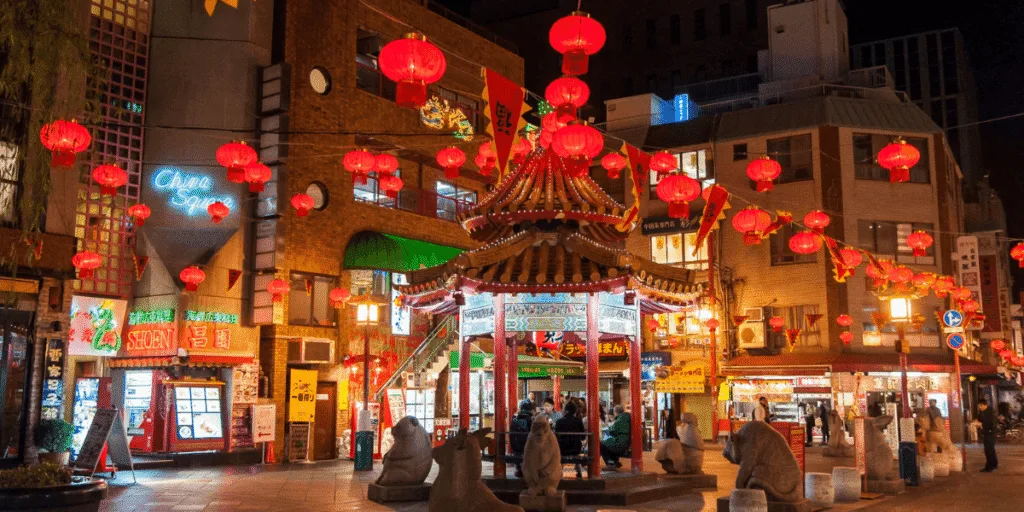
This is where Bangkok actually lives. No tourists on most streets, just locals eating, shopping, living.
The Reality:
- Streets are cramped and chaotic
- Wifi is hit-or-miss in budget accommodations
- Food is extraordinarily cheap ($1-3 meals)
- Energy peaks at night (not during work hours)
- More language barrier (fewer English speakers)
What you get:
- Accommodation: $20-40/night (seriously cheap)
- Food: Best street food in the city
- Experience: Actual Bangkok, not tourist Bangkok
- Wifi: Unreliable in budget spots
- Coworking: Basically none
Who should stay here: Budget travelers, experienced Asia travelers, foodies, people who work at night.
Skip if: You need reliable wifi, quiet mornings, or modern workspace.
Thonburi: The Hidden Gem
Best for: Work-life balance seekers, riverside calm, local culture, Instagram lovers
Across the Chao Phraya River from central Bangkok, Thonburi is where you realize Bangkok doesn’t have to be chaos.
The Reality:
- Quieter than any other neighborhood
- Canals (khlongs) instead of streets in some areas
- Temples everywhere
- Local vibe, minimal tourists
- Getting to Sukhumvit takes 20+ minutes
What you get:
- Accommodation: $40-70/night
- Food: Local Thai, not touristy
- Vibe: Peaceful, authentic, slow
- Wifi: Good in modern condos
- Coworking: Very few options
Who should stay here: People working flexible hours, couples, experience-seekers, yoga/wellness focus.
The tradeoff: You sacrifice convenience for peace. Worth it? Depends on your work style.
Part 3: How to Actually Work in Bangkok (The Professional Stuff)
This is where Bangkok shines for remote workers. Here’s the real talk:
Internet Reliability
The Good News: Thailand’s fiber internet is genuinely excellent (faster than most US cities).
The Setup:
- Rent a condo with fiber included (most do)
- Speed: Usually 100 Mbps+ (plenty for Zoom calls)
- Backup: Get a 4G SIM card ($10/month unlimited) for your phone as backup
- Cost: Included in rent or ~$10-15/month if separate
Reality Check: In 6+ months in Bangkok, I had maybe 2-3 internet outages totaling 2 hours. It’s legit.
Coworking Spaces (If You Need Community)
Top options:
- Hubba: Multiple locations (Sukhumvit, Silom). $10-15/day, decent community, good coffee
- WeWork: Professional, expensive ($300+/month), excellent facilities
- Punspace: Affordable ($8-12/day), local vibe, smaller community
- HUBBA: Similar to Hubba, good alternative
Real talk: Most remote workers here work from home or cafes, not coworking spaces. Coworking is useful for:
- Changing environment
- Meetings with video calls (professional background)
- Community/networking
- When your home wifi dies
Budget: $300-400/month if you need daily coworking, $0 if you’re comfortable at home cafes.
Cafe Culture (Where Most People Actually Work)
Bangkok’s cafe scene is fantastic for working. Real talk:
What you need:
- Laptop
- Coffee ($2-3 per cup)
- Decent wifi (all modern cafes have it)
- Outlet (they’re everywhere)
Best cafes for work:
- Sukhumvit: Gaysorn, EmQuartier (ground floor cafes), specialty coffee shops on Soi 11
- Silom: Silom area has tons of cafes
- Chinatown: Local cafes, zero tourists, authentic vibe
- Thonburi: Riverside cafes, peaceful
Real situation: You’ll spend $2-3 on coffee, stay 3-4 hours, and nobody cares. Refunds are common.
Bonus: Working from a cafe here costs less than a coworking space and includes the experience of Bangkok around you.
Part 4: The Food That Actually Matters
This is why you’re really here, even if you don’t know it yet.
Bangkok food culture is obsession-worthy. You’ll arrive thinking you like Thai food. You’ll leave thinking about pad thai at 2 AM back home.
The Must-Try Dishes (Real Talk)
I’m not listing 30 dishes. I’m telling you the 5 that will change your life:
1. Pad Thai from a Street Stall
- Not fancy Pad Thai. Street stall Pad Thai.
- Cost: $1-1.50
- Look for: A vendor with a crowd, working a metal wok over charcoal fire
- Where: Yaowarat (Chinatown), Sukhumvit Soi 38
- Why: It’s noodles, shrimp, eggs, bean sprouts, tamarind. Simple. Perfect.
- Real experience: You’ll see them make it in 60 seconds. You’ll eat it standing up. It’ll blow your mind.
2. Som Tam (Green Papaya Salad)
- This is a weapon for your palate
- Cost: $1-2
- Reality: It’s spicy. Dangerously spicy if you ask for “Thai spicy.”
- Where: Anywhere in Chinatown, or any Thai restaurant
- First-timer hack: Say “less spicy” (not pedophile, just less spicy)
- Why: It’s fresh, crunchy, sour, and alive.
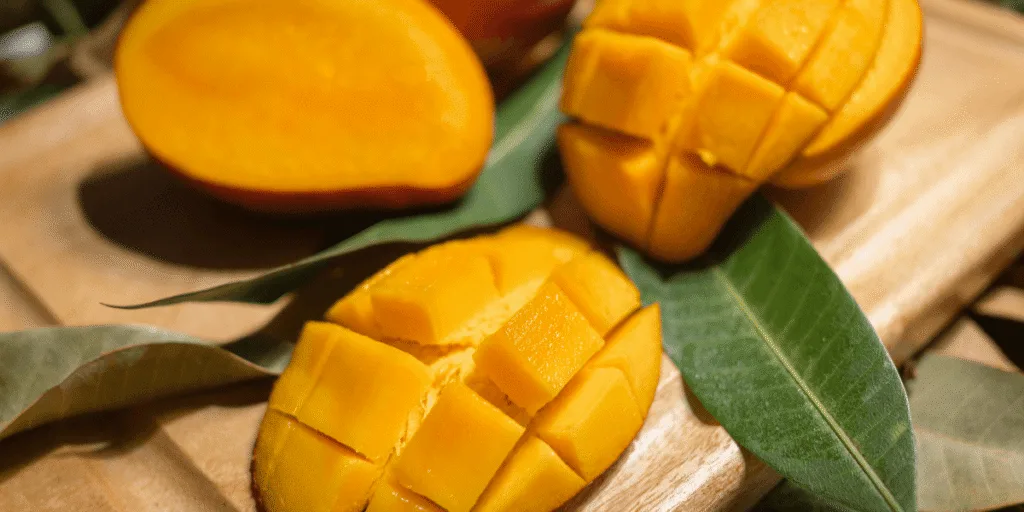
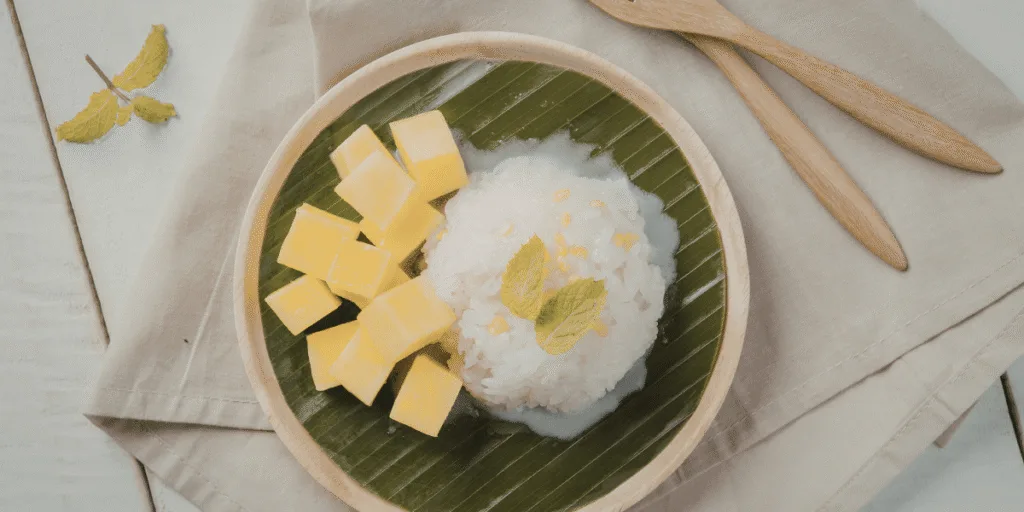
3. Mango Sticky Rice
- Thailand’s dessert masterpiece
- Cost: $1.50-2
- Best season: April-June (when mangoes are perfect)
- Why: Sweetness, creaminess, and perfectly ripe mango. That’s it. That’s the magic.
4. Tom Yum (Hot & Sour Soup)
- Warming, complex, addictive
- Cost: $2-4 depending on protein
- Where: Any restaurant, but best at local shops
- Why: Lemongrass, galangal, lime, chili. Every element matters.
5. Satay (Grilled Meat on Sticks)
- Criminally underrated
- Cost: $0.50 per stick
- Where: Night markets, street corners
- Why: Charred meat + peanut sauce + pickled vegetables. Simple perfection.
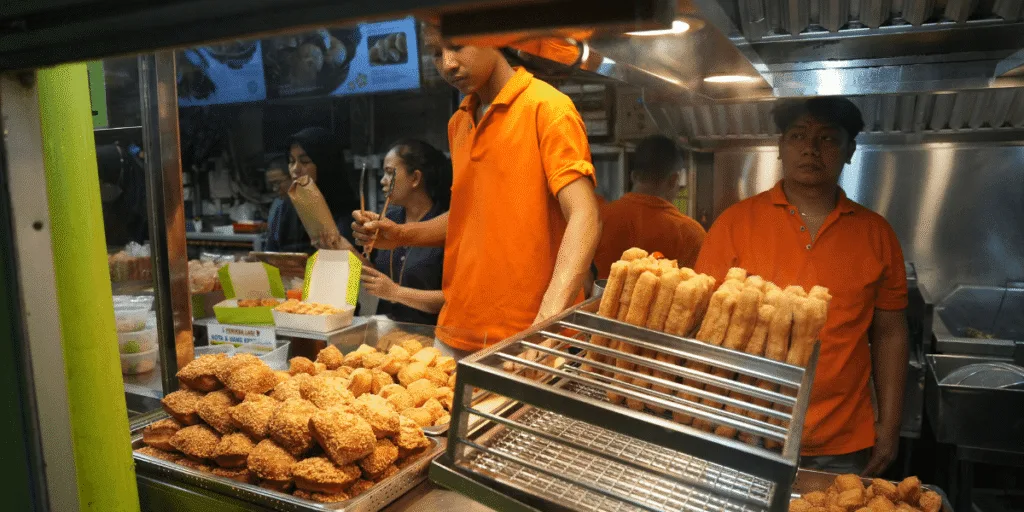
Where Professionals Actually Eat
For work lunches (quick, good, cheap):
- Local office building food courts ($1.50-3)
- Street stalls on your soi (literally outside your door)
- Grab (food delivery app, works perfectly here)
For evening exploration:
- Chinatown night markets (9 PM-midnight, chaotic, authentic)
- Sukhumvit Soi 38 evening market (more organized, still authentic)
- Restaurant row on Sukhumvit (if you want Western-fusion)
Budget reality:
- Cheap eats: $1-3/meal
- Mid-range restaurant: $8-12/meal
- Western/fancy: $20-40/meal
How I actually eat: Breakfast at home ($1-2), lunch at office food court ($2-3), evening street food exploration ($5-8). Total: ~$8-13/day.
Part 5: What to Actually Do (Beyond Tourist Traps)
The “Authentic Bangkok” Layer (Not the Backpacker Version)
You don’t need to visit the Grand Palace. I’ll say it. It’s crowded, expensive ($15), and you’ll spend 3 hours in line for 20 minutes inside.
What you should actually do:
Morning: Work until 11 AM, then escape the heat
Mid-Day Energy (11 AM – 2 PM):
- Visit smaller temples (Wat Pho is better than Grand Palace, or Wat Saket for a quieter vibe)
- Thai massage ($7/hour, game-changing)
- Explore a neighborhood on foot (Sukhumvit Soi 11-13, Chinatown back streets)
- Coffee/breakfast at a cafe you discovered
Afternoon (2 PM – 5 PM):
- Work again, or rest
- This is rest time. Accept it. Bangkok is hot. Your body needs recovery.
Evening (6 PM – 11 PM):
- Explore food/markets
- Find a rooftop bar (if you’re into it)
- Wander a neighborhood
- Eat dinner slowly, like a local
The actual “attractions”:
- Floating Markets (outside Bangkok, day trip): Damnoen Saduak (touristy) or Amphawa (local, go evening)
- Temples: Wat Pho, Wat Saket, Wat Benchamabophit (local prayers at 5 AM is surreal)
- Chao Phraya River Dinner Cruise: Yeah, it’s touristy, but the Chao Phraya at sunset is genuinely beautiful
- Muay Thai: Watch a match (Rajadamnern or Lumpinee Stadium). Cost: $10-20
- Rooftop Bars: Vertigo, Sky Bar, whatever. One is worth it for the view
- Chatuchak Market: Only if you’re there Saturday-Sunday. 27,000 stalls of chaos.
The “Real Bangkok” Layer (What Locals Actually Do)
- Khlong exploration: Take a long-tail boat through canals (Thonburi). Cost: $30-50 for a few hours. You’ll see houses, temples, daily life.
- Neighborhood walks: Pick a soi and explore. Talk to people. You’ll find 10 random restaurants better than anything you planned.
- Community events: Night markets by neighborhood (each area has different ones)
- Temples at prayer time: Go at 5 AM and watch monks chant. It’s peaceful and real.
- Local hangouts: Ask your condo staff where they eat. Follow that.
Part 6: Practical Details Nobody Mentions
Money Stuff
Currency: Thai Baht (฿)
- 1 USD = ~33 Baht (approximately)
- 1 EUR = ~36 Baht
ATMs: Everywhere. Withdraw cash. Cards work, but cash is king in markets/street food.
Costs (realistic for professionals):
- Accommodation: $40-80/night (nice condo)
- Food: $8-20/day (including eating out)
- Coworking/activities: $100-200/month
- Total: $1,500-2,500/month for a comfortable life
That’s 50-70% cheaper than most Western cities.
Phone/Internet
Get a SIM card immediately:
- Cost: $1-3 (AIS, True, or DTAC providers)
- Data: $5-10/month unlimited 4G
- Keep your home country number via WhatsApp/Google Voice
- Local Thai number works for Grab, food delivery, etc.
Transportation
The BTS (Sky Train):
- Fastest, most reliable, air-conditioned
- Cost: $0.70-1.50 per trip
- Get a Rabbit Card (rechargeable, works everywhere)
- Operating: 6 AM – midnight
MRT (Underground):
- Goes places BTS doesn’t
- Cost: Similar to BTS
- Works similarly to BTS
Grab (Rideshare):
- Works perfectly (better than Uber in most places)
- Cheap ($2-5 for most trips)
- Use it liberally; it’s not expensive here
Tuk-Tuks:
- Negotiate price first
- Generally $2-4 for short distances
- Useful for late nights when BTS closes
- Tourist trap if you don’t negotiate
Visas & Legality
Tourist Visa:
- 60 days on arrival (most nationalities)
- Extendable to 90 days at immigration office
- Cost: $0 on arrival, ~$1-2 if extending
Visa Run Scams: Ignore them. You’re a tourist. You’re fine.
Weed & Partying: Legal gray area. Just don’t be stupid. It’s not worth it.

Part 7: Safety & The Real Talk
Bangkok’s crime rate for tourists is actually low. Here’s what matters:
Don’t do:
- Leave your drink unattended at clubs (happens everywhere)
- Walk around flashing expensive gear
- Venture into obviously sketchy areas alone at night
- Trust strangers offering “deals”
Do do:
- Use Grab instead of random taxis
- Keep copies of documents separate
- Trust your instincts
- Walk around during day/evening without paranoia
The scams you’ll hear about:
- “Gem shop” tuk-tuk drivers (just say no)
- Overpriced bars in Patpong (tourist traps)
- Fake watches/goods (obviously fake, avoid)
- Friendly “guide” offering you deals (skip it)
Real risk level: Lower than most major cities. You’re fine.
Part 8: First Week Timeline (To Actually Use)
Day 1 (Arrival Day)
- Land, get SIM card at airport ($3)
- Take Grab/taxi to accommodation
- Rest/settle in
- Explore your soi (side street) in evening
- Early dinner, early bed (jet lag)
Day 2
- Work normal morning hours
- Explore neighborhood on foot (11 AM – 1 PM)
- Rest/lunch
- Work afternoon
- Evening street food exploration
Day 3
- Work morning
- Visit a nearby temple (no entrance fee)
- Thai massage (yes, spend the $7)
- Work afternoon if you want
- Explore a different food area
Day 4
- Work morning
- Floating market day trip (or explore another soi)
- Afternoon rest
- Work if needed
- Evening rooftop bar or market
Day 5
- Work morning
- Chatuchak Market (Saturday/Sunday) OR back to your favorite market
- Thai cooking class (optional, $25-40)
- Evening with new people (coworking/cafe friends)
Day 6-7
- By now, you have a rhythm
- Work feels normal
- You know your favorite cafe/street stall
- You’ve made local friends somehow
Part 9: The Real Question: Should You Actually Go?
Bangkok works for you if:
✅ You can work remotely (or take time off)
✅ You value experience over comfort
✅ You’re curious about different cultures
✅ You want cheap living costs
✅ You can handle chaos + humidity
✅ You’re open to food you’ve never tried
Bangkok doesn’t work if:
❌ You need total peace and quiet
❌ You can’t handle heat/humidity
❌ You require everything to be clean/orderly
❌ You’re not flexible with plans
❌ You need English everywhere
❌ You get sick easily (usually fine, but be aware)
Final Truth
Bangkok will surprise you. You’ll arrive thinking “this is intense.” By day 3, you’ll be sitting at a night market eating som tam, working on your laptop from a cafe, or having a conversation with a local you just met.
You’ll realize that life doesn’t have to be this hard. Rent doesn’t have to be half your income. Food doesn’t have to be processed. Pace doesn’t have to be insane.
And that’s the real magic of Bangkok. It’s not the temples or the food or the chaos. It’s the realization that you can live differently. Better. Cheaper. Slower. While still getting your work done.
So pack light, get a SIM card, and stop overthinking it. Bangkok is waiting.
Quick Reference: Bookmark These
Essential Apps:
- Google Maps (offline maps: download your area)
- Grab (rideshare)
- LINE (messaging, most Thais use this)
- WhatsApp (stay connected home)
- Google Translate (emergency only, locals speak English)
- XE Currency Converter
Essential Websites:
- Agoda (accommodation)
- ThailandElite.com (visa info, if needed)
- Bangkokpost.com (local news)
Numbers to Know:
- Emergency: 911
- Tourist Police: 1155
- US Embassy: +66-2-205-4000
Best Neighborhoods Summary:
- For work: Silom or Sukhumvit Soi 49+
- For social: Sukhumvit Soi 11-13
- For food: Chinatown/Yaowarat
- For peace: Thonburi
Before You Leave This Article
Do this right now:
- Bookmark this page
- Start pricing accommodation on Agoda
- Check if November-February works for your schedule (sweet spot)
- Get a coworking day pass if you need one ($10-15)
- Join a Bangkok expat group on Facebook for real community advice
Questions? Drop them in the comments. Real people with real Bangkok experience will answer.
Your next adventure is literally a flight away. Stop planning and start packing.
PIN THIS FOR LATER: This guide gets updated every 6 months with new neighborhoods, restaurants, and real feedback from people who’ve actually lived here (not just visited). Follow us for updates.