Last updated: 10 November 2026
Short Answer
Rattu Ski Resort is not a public resort. It is the Pakistan Army’s high-altitude ski school at Rattu Cantonment in Astore District, Gilgit-Baltistan, at about 9,000 ft (2,743 m). The ski season runs from January to March, with two slopes, one beginner nursery slope and one advanced slope. Visitors need prior permission to enter, there is minimal public accommodation, and no fixed public prices are published.
Rattu is a century-plus old cantonment between the Kalapani and Mir Malik rivers. The Army High Altitude School, known as AHAS, is based there. It was established in December 1987 to train troops in high-altitude and mountain warfare, including skiing. Tactical exercises run at 12,000 to 16,000 ft at the base of Nanga Parbat and Rakaposhi. That is the setting for this ski school, and it shapes everything about a visit, from permission to lodging to the level of skiing on offer.
| Fact | Detail |
|---|---|
| Location | Rattu Cantonment, Astore District, Gilgit-Baltistan |
| Altitude | About 9,000 ft (2,743 m) |
| Ski school | Army High Altitude School (AHAS), established December 1987 |
| Season | January to March |
| Winter snowfall | Three to six feet |
| Slopes | 2, one beginner nursery slope and one advanced slope (Tatanka) |
| Daytime temperature | About -9C, down to about -15C at night |
| Drive from Gilgit or Skardu | 6 to 7 hours, final stretch about 2 hours by jeep |
| Mobile signal | None in the area |
| Permission | Required in advance, military training centre |
| Public prices | None published |
Where is Rattu Ski Resort and what is it?
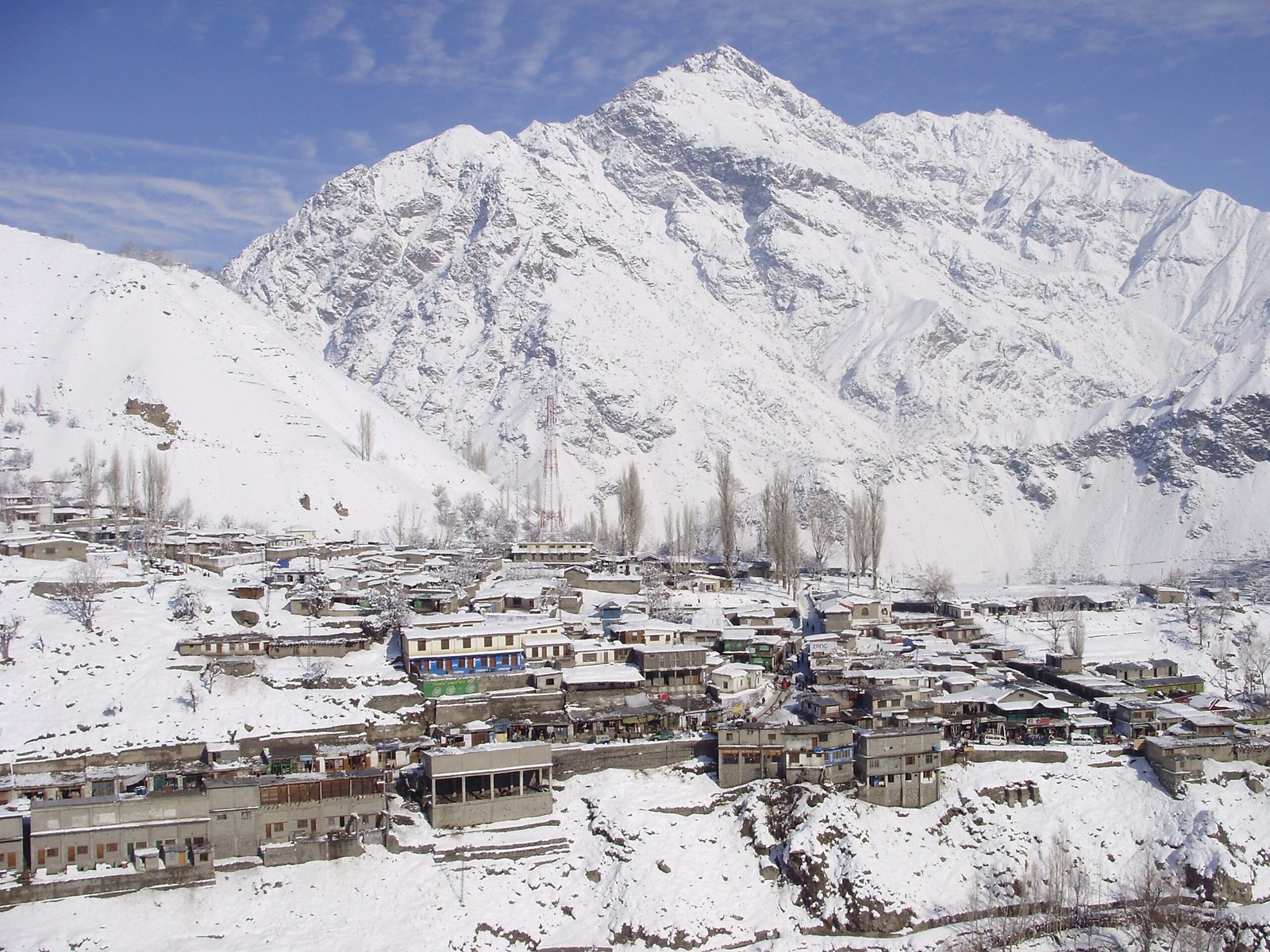
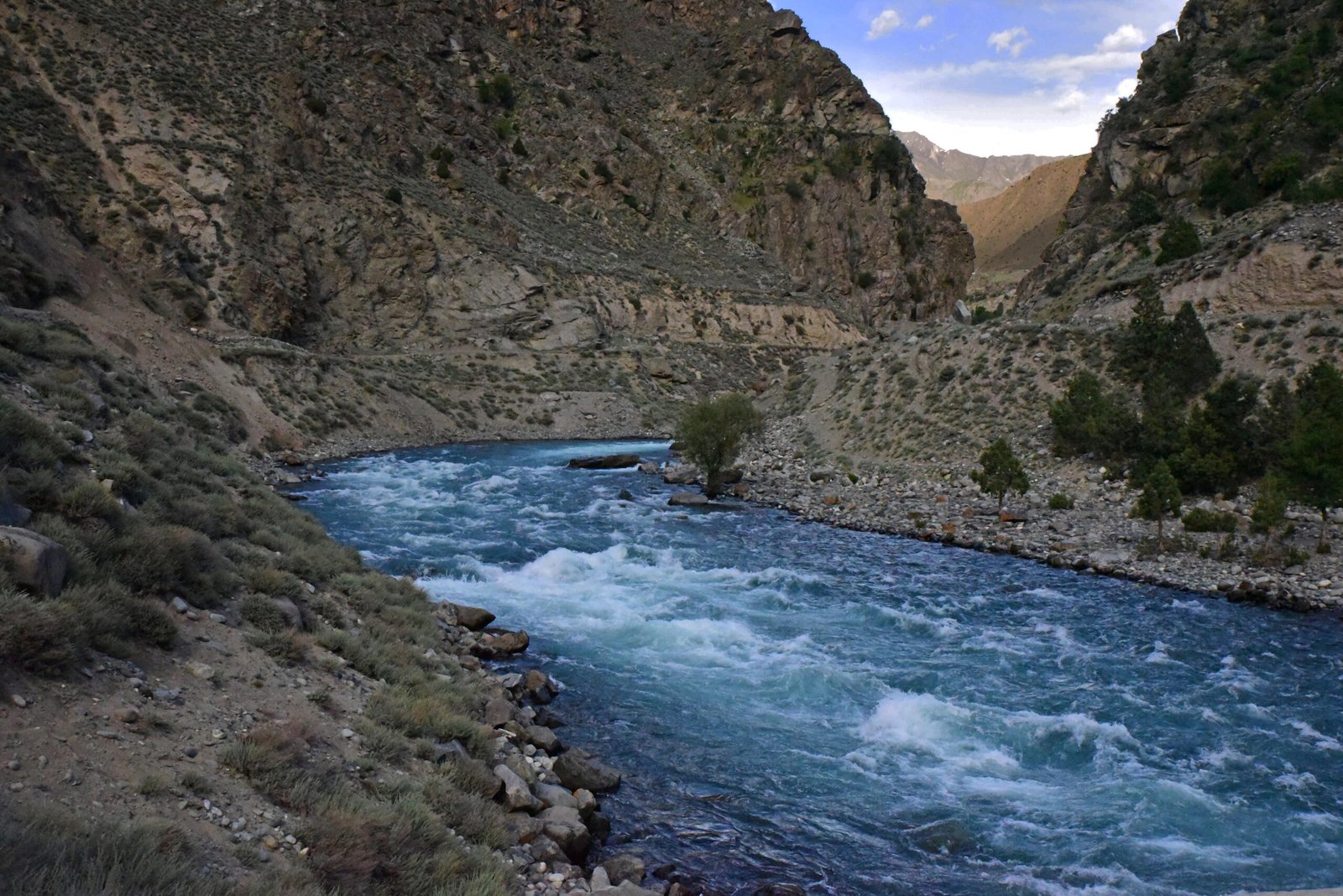
Rattu Cantonment sits in Astore District, Gilgit-Baltistan, at about 9,000 ft (2,743 m) above sea level, between the Kalapani and Mir Malik rivers. It is a century-plus old cantonment, and the Army High Altitude School has been based there since December 1987. The school trains troops in high-altitude and mountain warfare, and skiing is part of that training. Tactical exercises run at 12,000 to 16,000 ft at the base of Nanga Parbat and Rakaposhi.
That makes Rattu very different from a commercial ski resort. There are no ticket windows, no rental shops and no public lift passes. The slopes exist to train soldiers, and civilian visits happen only with permission. If you are planning a wider trip to the district, our Astore Valley travel guide covers the valley around Rattu.
When is the ski season at Rattu?
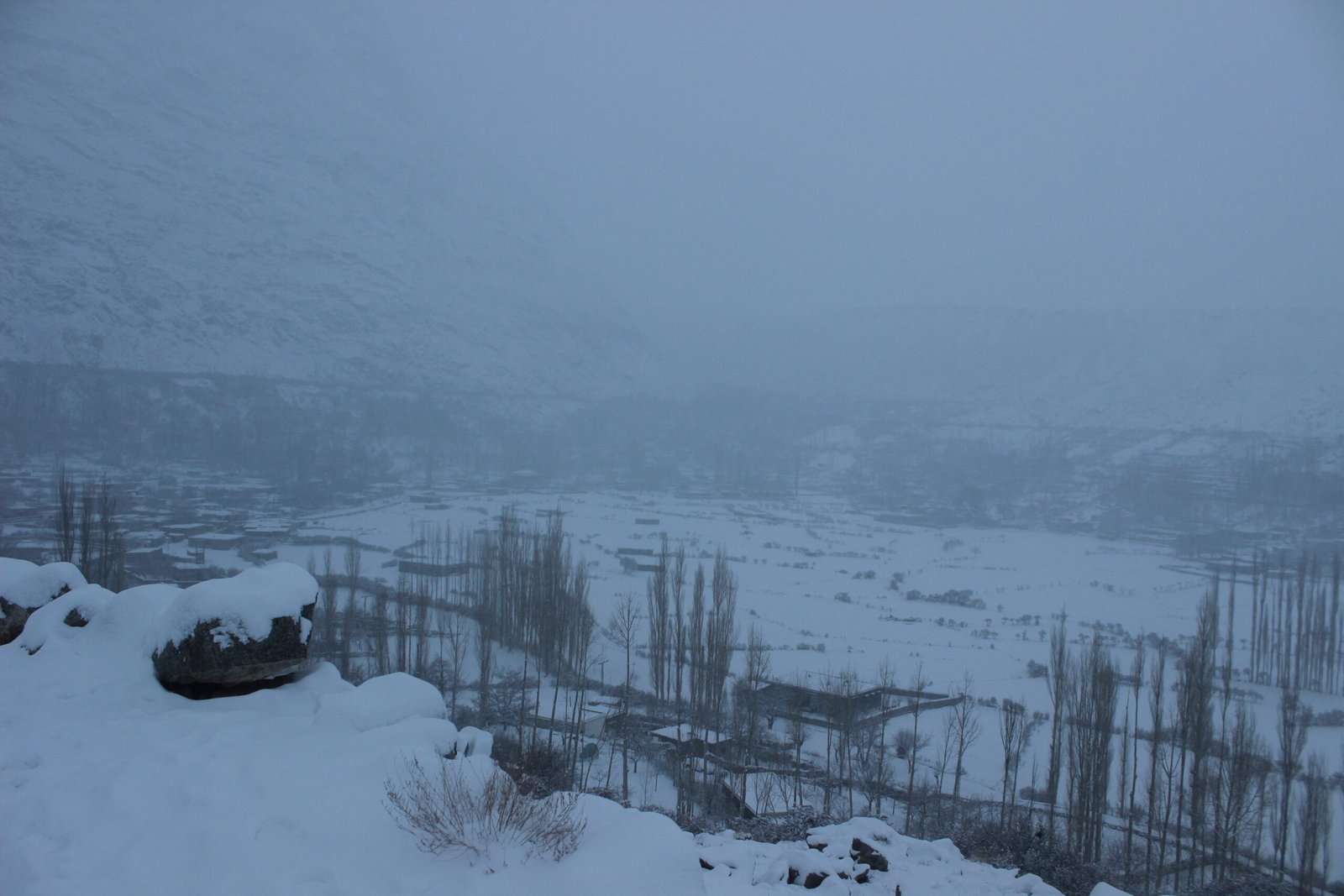
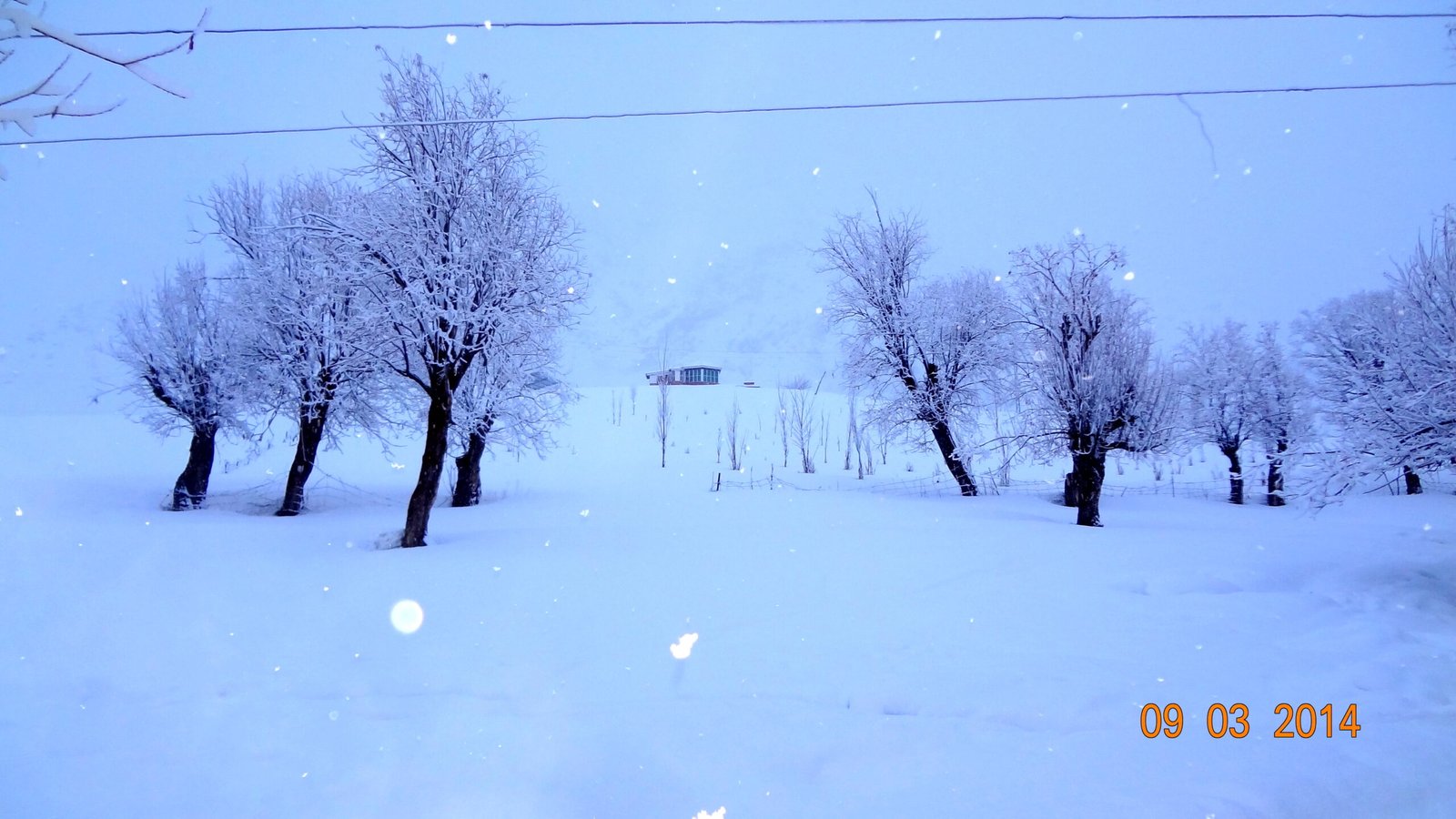
The ski season at Rattu runs from January to March. Rattu receives three to six feet of snow during winter, which is what makes the slopes usable in those three months. Outside that window there is no reliable snow for skiing, so plan your trip inside January to March.
For the wider seasonal picture across the region, see our guide to the best time to visit Gilgit-Baltistan, and our guide to winter in Gilgit-Baltistan for what the cold season means for travel across the region.
What are the slopes like at Rattu?
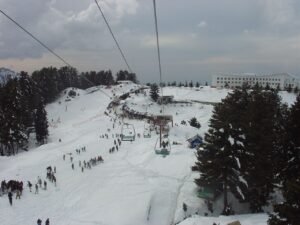
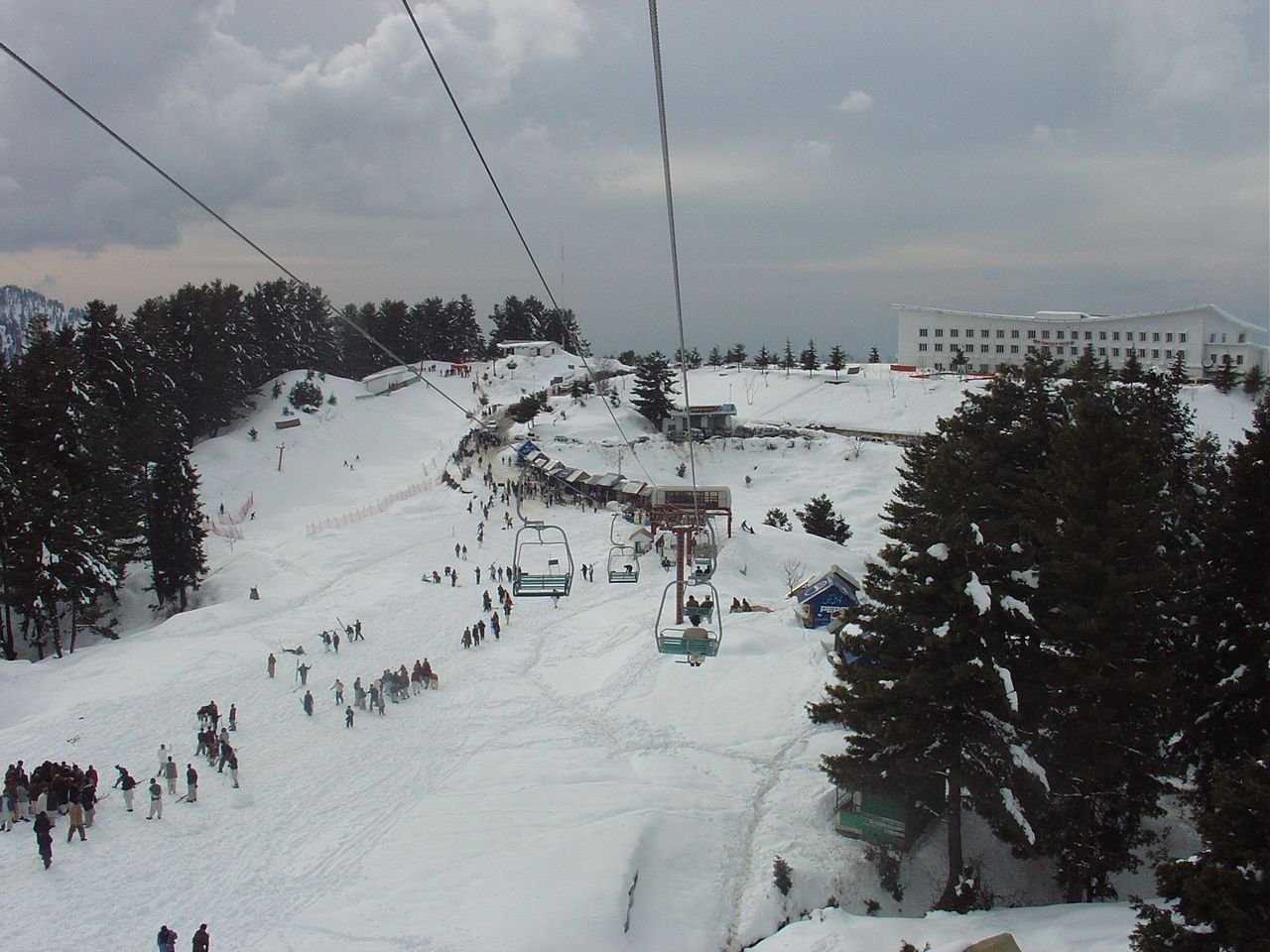
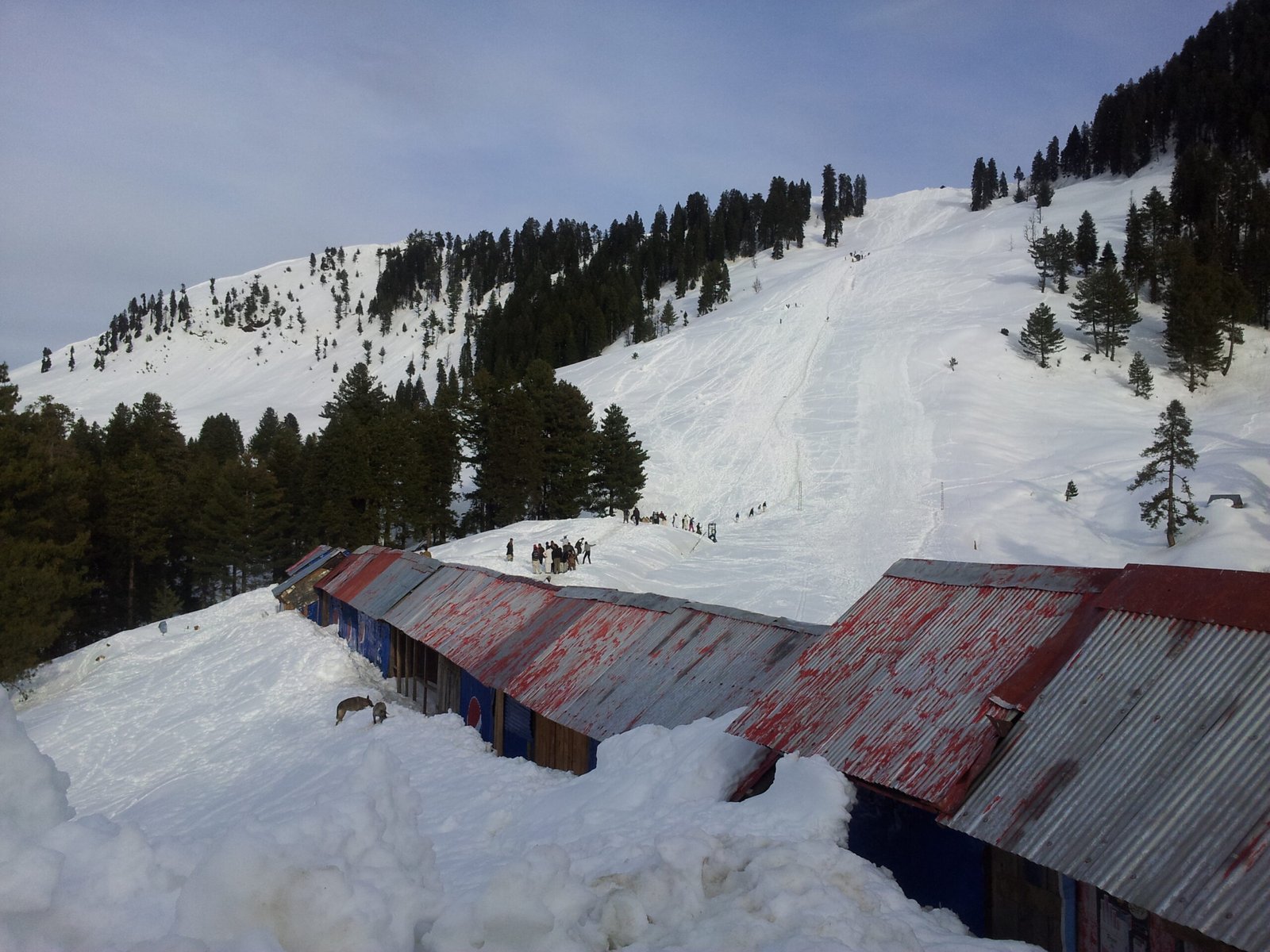
The Army High Altitude School has two slopes. One is a beginner nursery slope and the other is an advanced slope, called the Tatanka slope in a firsthand account. Day and night skiing has been run on these slopes during training camps.
Rattu is best for skilled skiers. The advanced slope and the high-altitude setting suit people who already ski well, and the school also runs ski training programmes. Adventure Edge (Pvt) Ltd has run basic and advanced ski training programmes at Rattu in collaboration with the Army High Altitude School. Rattu is also a gateway for remote ski touring towards Rupal Valley, which is a serious undertaking for experienced ski tourers only.
If you want a more straightforward resort ski trip in Gilgit-Baltistan, our Naltar Valley ski guide covers a far more accessible option.
How do you get to Rattu?
Rattu is 6 to 7 hours by road from Gilgit or Skardu, and road conditions are variable through winter. The final stretch takes about 2 hours by jeep. There are no mobile signals in the area, so arrange your transport and confirm your plans before you leave the main towns. Once you are on the road to Rattu, you cannot call ahead to fix a missed connection.
Because the drive is long and the last stretch is by jeep, leave early in the day and build in buffer time. Winter road conditions can slow the journey, and there is little margin for delays when the final 2 hours need a jeep.
Do you need permission to ski at Rattu?
Yes. Rattu is a military training centre, not a public resort, and visitors need prior permission. A firsthand account from the LUMS Adventure Society in February 2020 describes contacting the commandant in charge in advance and receiving permission to stay. That is the route to follow. Check access permissions and coordinate with local tourism offices before planning any trip.
Do not travel to Rattu on the assumption that you can arrange entry when you arrive. Permission is the first step, and everything else, transport, lodging and skiing, depends on it being granted first.
What is the weather like at Rattu?
Expect serious cold. Temperatures sit at about -9C during the day and fall lower at night, down to about -15C. With three to six feet of winter snow on the ground, the cold is constant rather than occasional, so warm layers and proper winter clothing are not optional.
Medical facilities are available on site, which matters at 9,000 ft in these temperatures. Even so, anyone with a health condition affected by cold or altitude should check with a doctor before planning a trip. For general winter travel advice across the region, see our guide to winter in Gilgit-Baltistan.
Where do you stay at Rattu?
There is minimal public accommodation at Rattu. Visitors who receive permission stay in rooms with army-grade sleeping bags and heating. That is the lodging on offer, and it is functional rather than comfortable in the hotel sense.
Most travellers base themselves in Gilgit or Skardu before the drive, and stay options in the towns are far wider. Our guide to hotels open in winter in Gilgit-Baltistan lists places that stay open through the cold season. Confirm where you will sleep before you travel, because there is no walk-in lodging at Rattu.
What should you pack for Rattu?
Pack for about -9C days and about -15C nights, with layers you can add and remove as you ski and rest. Warm base layers, an insulated jacket, waterproof outer layers, warm gloves, a hat that fits under a helmet, and sturdy winter boots are the core of the kit. Sunglasses or goggles matter too, because snow glare at altitude is strong.
Because there are no mobile signals in the area and the trip involves a long road journey, a charged power bank is worth carrying. An Anker PowerCore portable charger keeps a phone alive for maps, photos and emergency use on the road. Disclosure: as an Amazon Associate, we earn from qualifying purchases made through links on this page.
For a full cold-weather packing list, see our guide on what to pack for northern Pakistan.
What should you know before you go?
| Topic | What to know |
|---|---|
| Permission | Required in advance. Contact the commandant in charge and coordinate with local tourism offices. Do not travel without it. |
| Prices | No fixed public prices are published. Costs are arranged through the training camp or operator and must be confirmed before going. |
| Accommodation | Minimal public accommodation. Permission holders stay in rooms with army-grade sleeping bags and heating. |
| Mobile signal | None in the area. Arrange transport and plans before you leave Gilgit or Skardu. |
| Weather | About -9C by day, down to about -15C at night. Three to six feet of winter snow. |
| Skill level | Best for skilled skiers. The advanced Tatanka slope and the Rupal Valley ski-touring gateway are for experienced skiers only. |
| Medical | Medical facilities are available on site. |
| Training | Adventure Edge (Pvt) Ltd has run basic and advanced ski training programmes at Rattu with the Army High Altitude School. |
Is Rattu the right ski trip for you?
Rattu suits a narrow group of travellers, skilled skiers who want a high-altitude, army-run ski school experience and are willing to arrange permission in advance. It does not suit a casual ski holiday. There is no public resort infrastructure, no fixed prices, no walk-in lodging and no mobile signal.
Be honest with yourself about that before you plan. If you want a simpler ski trip, Naltar is the better first choice, and our Naltar Valley ski guide explains why. If Rattu is the trip you want, start with permission, confirm every cost, and plan around the January to March season.
Frequently Asked Questions
Can anyone ski at Rattu Ski Resort?
No. Rattu is a military training centre, not a public resort, so you need prior permission before you go. A firsthand account from February 2020 describes contacting the commandant in advance and receiving permission to stay. Check access permissions and coordinate with local tourism offices before planning any trip.
When is the best time to ski at Rattu?
The ski season runs from January to March, when Rattu receives three to six feet of snow. Daytime temperatures sit around minus 9C and fall to around minus 15C at night, so the cold is serious. Plan your trip inside this three month window, because outside it there is no reliable snow for skiing.
How do you get to Rattu?
Rattu is about 6 to 7 hours by road from Gilgit or Skardu, and road conditions vary through winter. The final stretch takes about 2 hours by jeep. There are no mobile signals in the area, so arrange transport and confirm your plans before you leave the main towns.
What are the slopes like at Rattu?
The Army High Altitude School has two slopes, one beginner nursery slope and one advanced slope known as the Tatanka slope. Day and night skiing has been run on these slopes during training camps. The resort suits skilled skiers best, and it also serves as a gateway for remote ski touring towards Rupal Valley.
Where do you stay at Rattu?
There is minimal public accommodation at Rattu. Visitors who receive permission stay in rooms with army grade sleeping bags and heating, and medical facilities are available on site. Most travellers sleep in Gilgit or Skardu before the drive, so confirm where you will stay before you travel.
How much does a ski trip to Rattu cost?
No fixed public prices are published for Rattu, so there is no ticket price or package rate we can quote. Costs are arranged through the training camp or operator, and you must confirm every cost before you go. Do not travel on an assumed budget, because transport, permission and lodging all need advance confirmation.