Last updated: 6 November 2026
Short Answer
Chapursan Valley is the far north of Hunza — a high, remote Wakhi valley in Gojal, close to the Afghan Wakhan Corridor, that most travellers never reach. The valley sits at about 3,000–3,800 m, with seven main villages ending at Zood Khun, the last inhabited village before the border. You get there by 4×4 jeep only, from Sost or Passu — about 3 hours from Sost, about 6 hours from Karimabad. The draws are the Baba Ghundi shrine, the Wakhi culture, and treks toward the Irshad Pass and the Pamir. The best time is May to October. No NOC is reported as needed for the valley itself, but this is a border area: carry your passport, expect an army checkpoint near the shrine, and confirm permissions locally before you go.
Chapursan Valley at a Glance
| Fact | Detail |
|---|---|
| Where | Upper Hunza (Gojal), Hunza District, Gilgit-Baltistan — near the Afghan Wakhan Corridor |
| Elevation | About 3,000–3,800 m; Zood Khun (last village) about 3,500 m |
| People | Wakhi — an Iranian ethnic group also found in Afghanistan, Tajikistan and China |
| Villages (7 main) | Yarzerech, Raminj, Kirmin, Kil, Reshit, Sher-e-Sabz, Zood Khun |
| Access | 4×4 jeep only from Sost or Passu; shared jeeps run from Sost about twice a day |
| Times | Sost to Zood Khun about 3 hours by jeep; Karimabad to Zood Khun about 6 hours; Gilgit to Zood Khun about 8 hours |
| Best time | May to October |
| Key sights | Baba Ghundi shrine, Zood Khun village, Irshad Pass treks, Wakhi villages |
| Border note | Near the Afghan border — carry your passport, expect checkpoints, confirm locally |
Where Chapursan Is — and Why So Few Go
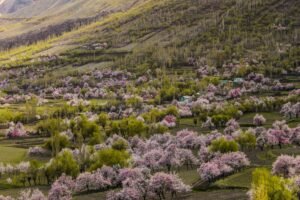
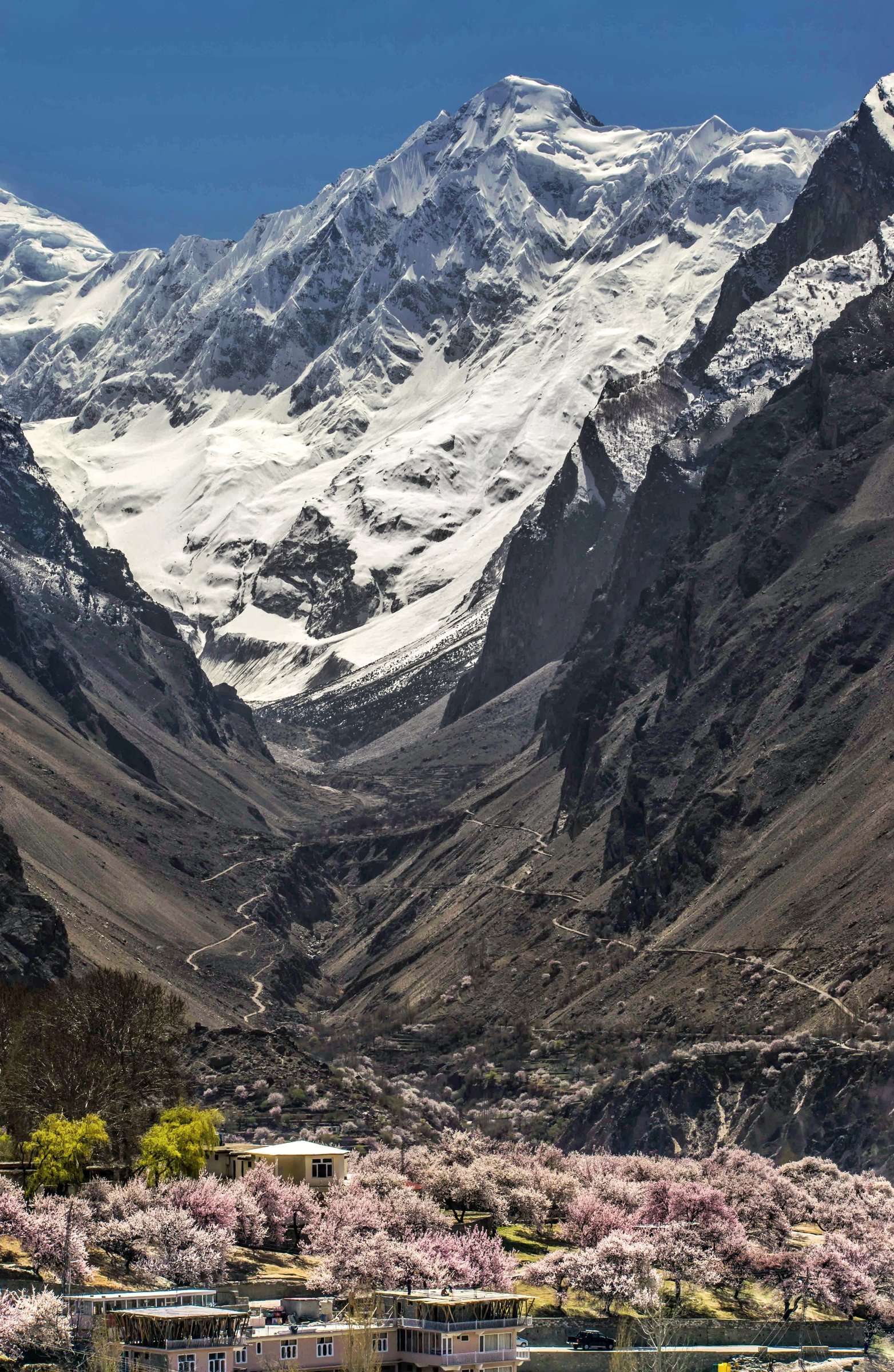
Chapursan (also spelled Chipursan) sits in the far north of Pakistan, in Gojal, Upper Hunza, hard against the Wakhan Corridor in Afghanistan. It is one of the most beautiful regions in the country — and one of the least visited — because getting there takes a deliberate effort: a jeep-only road off the Karakoram Highway at Sost, the last Pakistani town before the Chinese border, and then hours of rough track through villages that see very few outsiders.
The valley is home to the Wakhi people, whose language and culture connect them to the mountains of Afghanistan, Tajikistan and China. Chapursan is the most remote expression of that culture in Pakistan: small stone villages, summer pastures, and a way of life that has changed far more slowly than Karimabad’s.
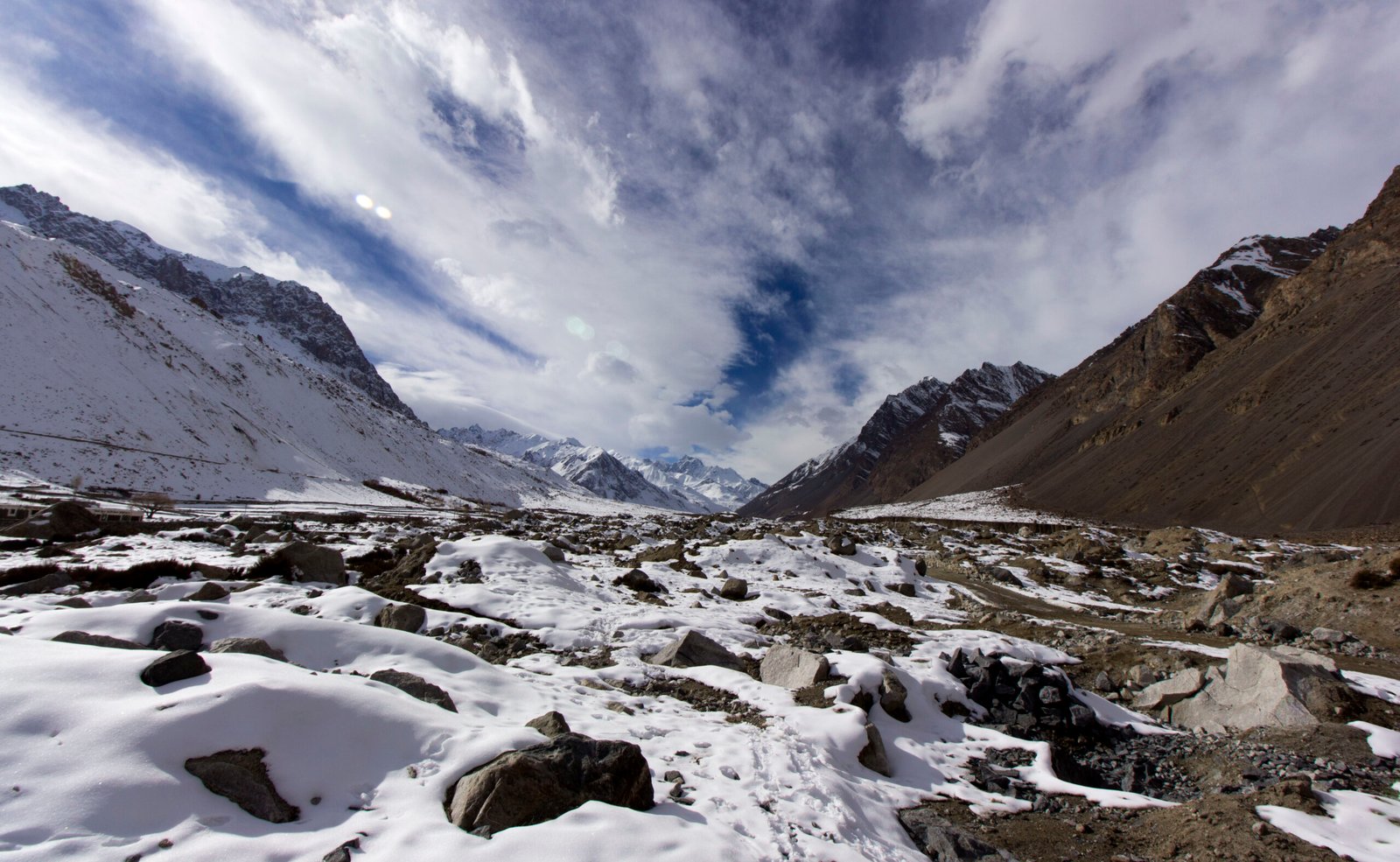
The Villages, in Order
The road from Sost climbs into the valley and passes the villages in sequence:
- Yarzerech — the first village of Chapursan, about an hour from Sost.
- Raminj, Kirmin, Kil — small Wakhi villages along the valley road.
- Reshit — a larger village with a guesthouse; a natural overnight stop.
- Sher-e-Sabz (Sheresubz) — a guesthouse village, often the first night’s stay on a Chapursan trip.
- Zood Khun — the last inhabited village, at about 3,500 m, and the base for the valley’s treks. Most visitors stay here, in one of its guesthouses.
Beyond Zood Khun, the road ends and the high country begins: the Irshad Pass toward the Pamir Plateau, and the Chillinji Pass (5,335 m) route from the Ishkoman/Broghil side.
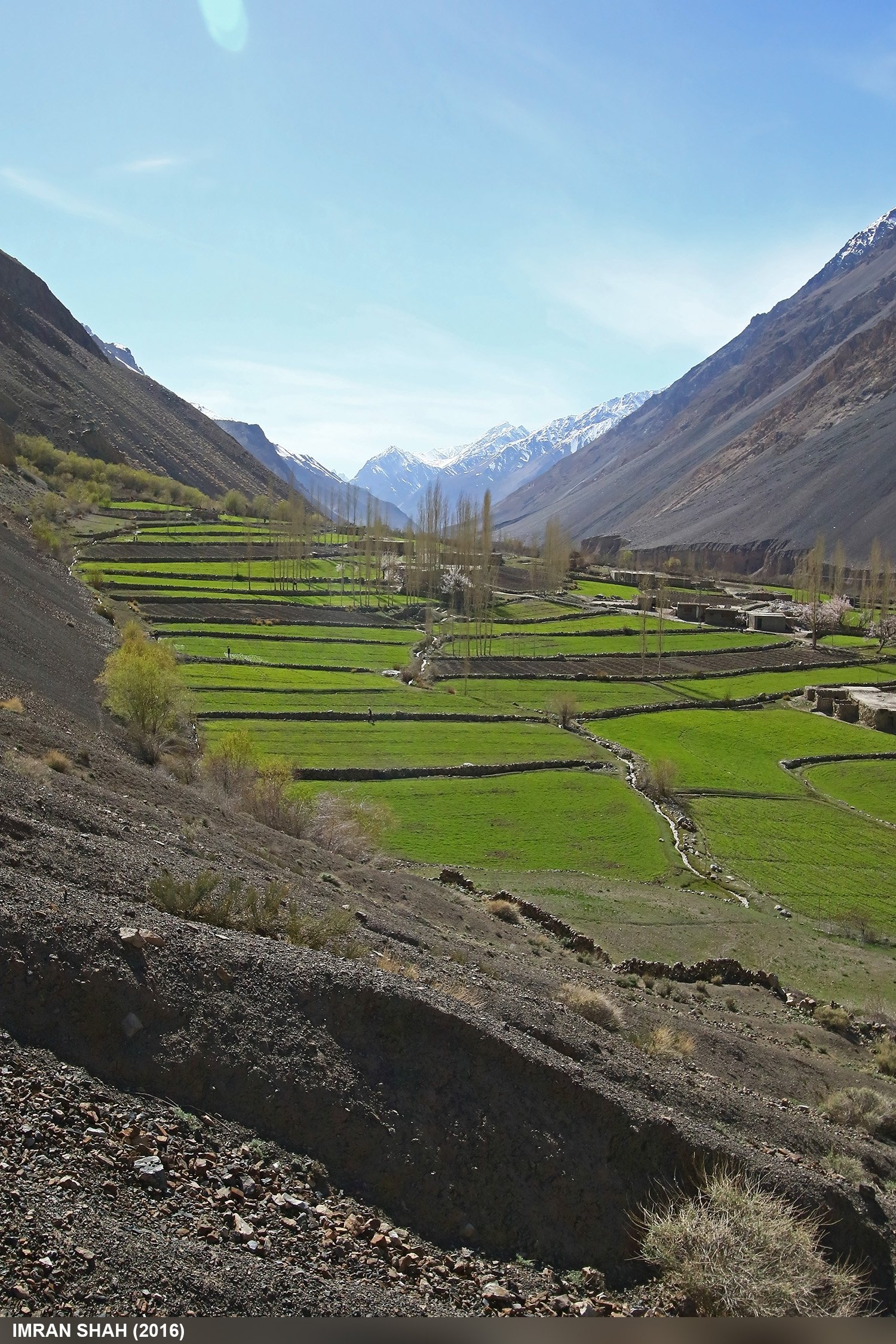
What to Do in Chapursan
- Visit the Baba Ghundi shrine. The valley’s spiritual centre, about 2 hours from Zood Khun, is the shrine of the Sufi saint Baba Ghundi, who is believed to have come from Afghanistan to preach Islam in Hunza and to have died here. The annual Baba Ghundi festival draws hundreds of pilgrims. Between June and September you may meet Kyrgyz traders from Afghanistan, who cross the Irshad Pass with yaks, horses and sheep to trade with the villagers.
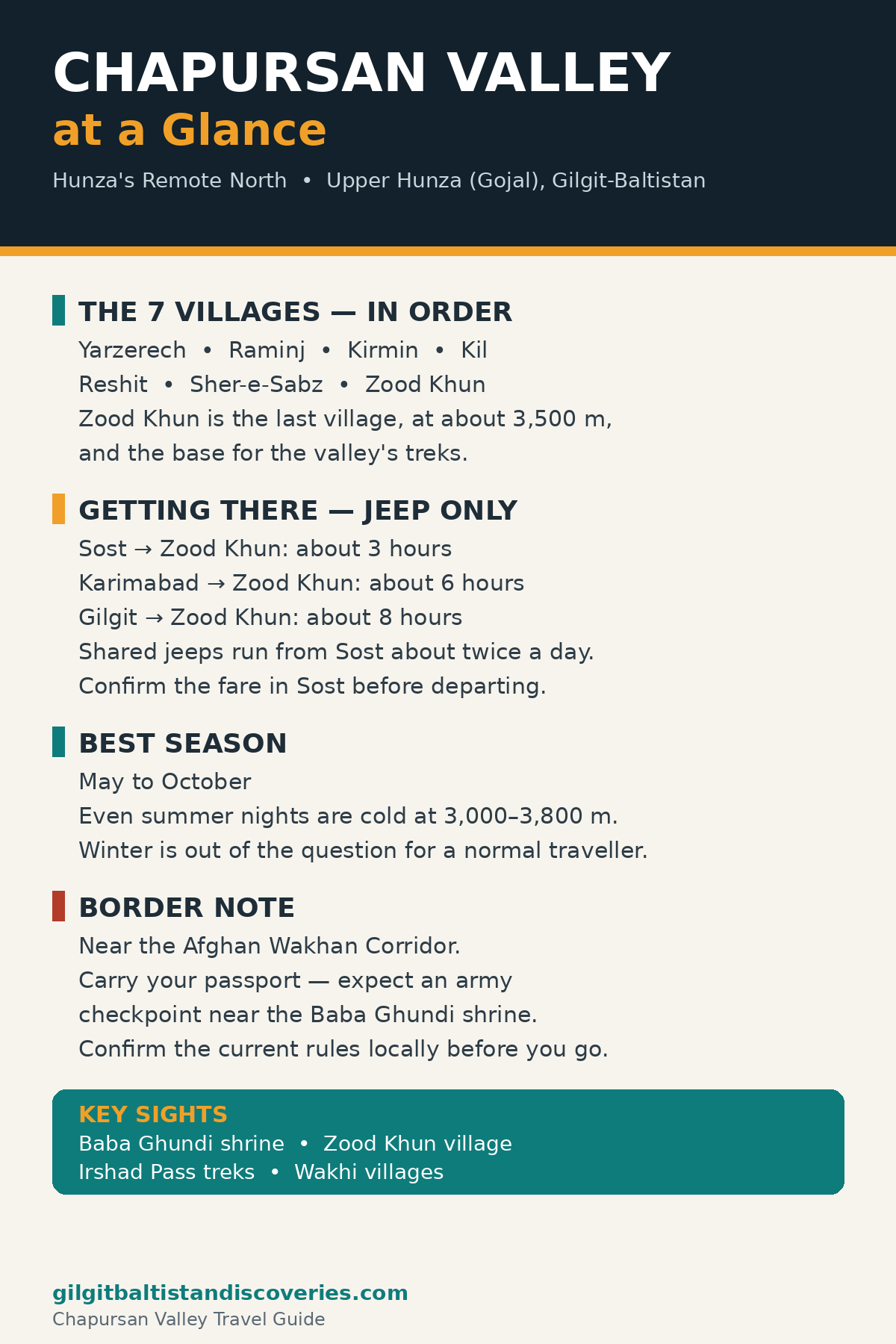
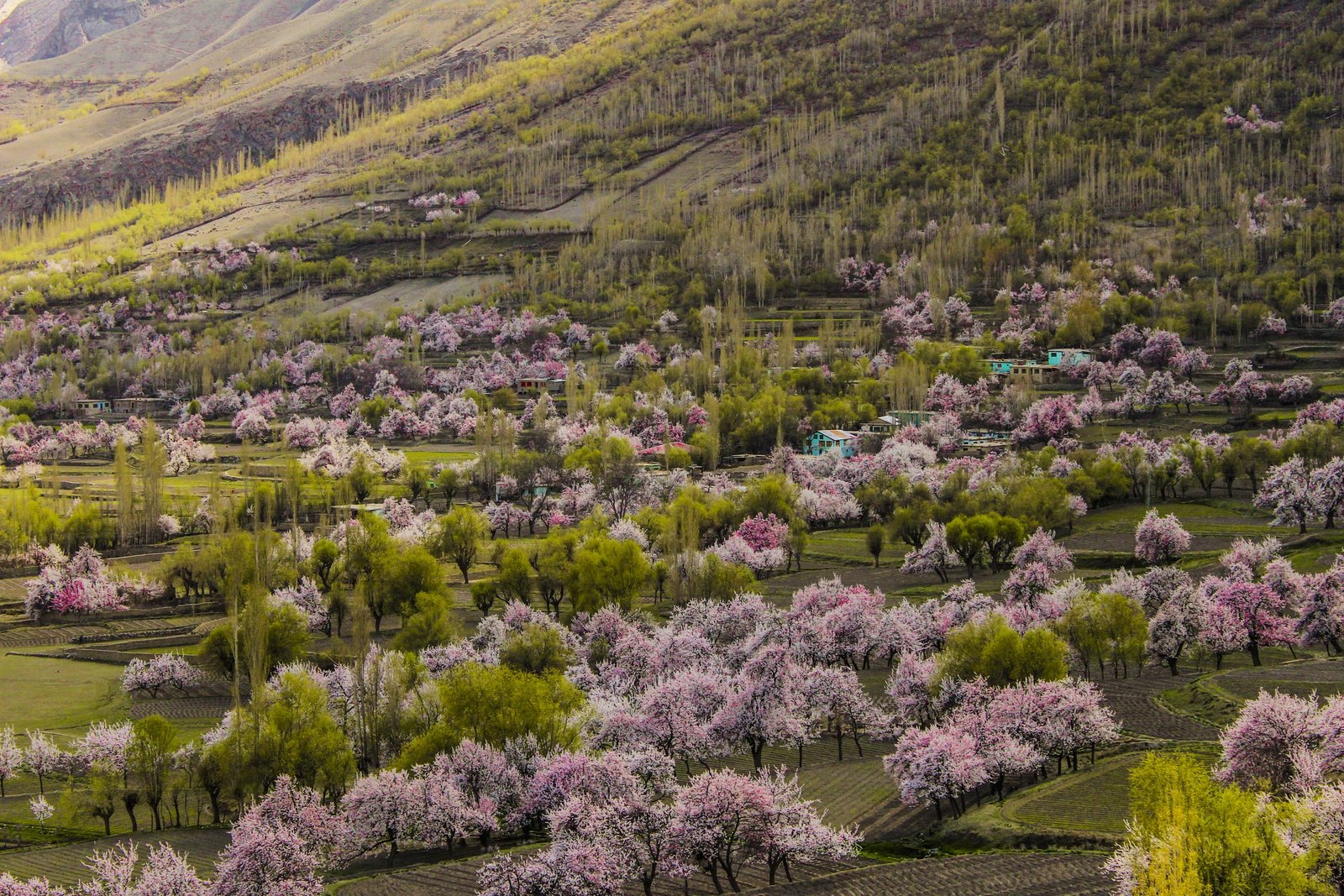
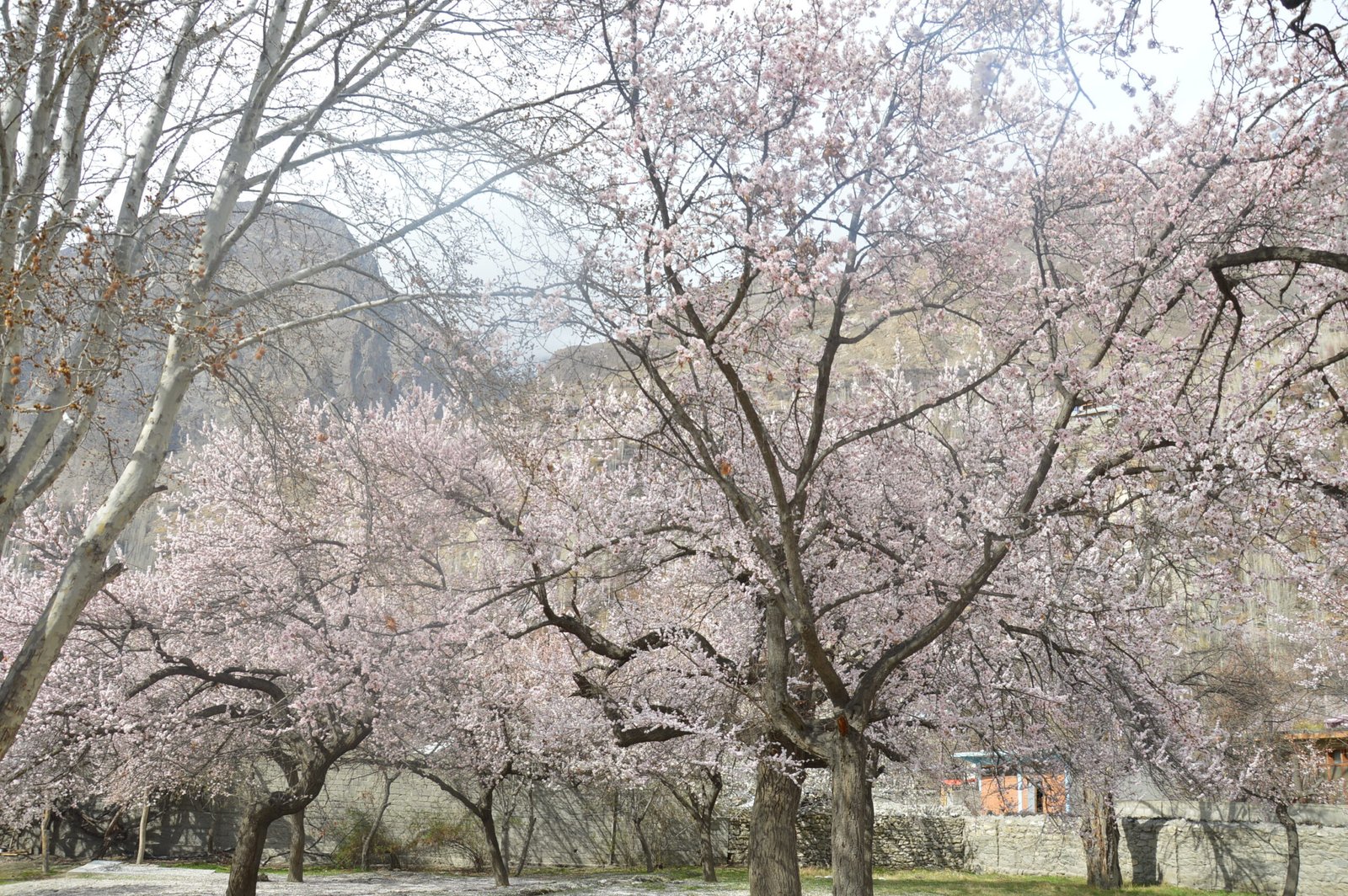
- Walk the villages. Chapursan’s pleasure is slow: stone houses, irrigation channels, apricot orchards, and Wakhi hospitality. Talk to your guesthouse hosts — in a valley this remote, they are the guidebook.
- Trek toward the Irshad Pass. Zood Khun is the base for treks toward the Irshad Pass and the Pamir Plateau — multi-day, high-altitude walking that needs a local guide, proper acclimatisation and a permit check. Do not attempt it solo.
- Cross from the Chillinji Pass. The serious trekking route into Chapursan comes over the Chillinji Pass (5,335 m) from the Ishkoman Valley and Broghil, via the Chotoboi Glacier — a 14-day-class expedition, not a day walk. If you arrive this way, Chapursan is the reward at the end, and the jeep road back to Sost is the way out.
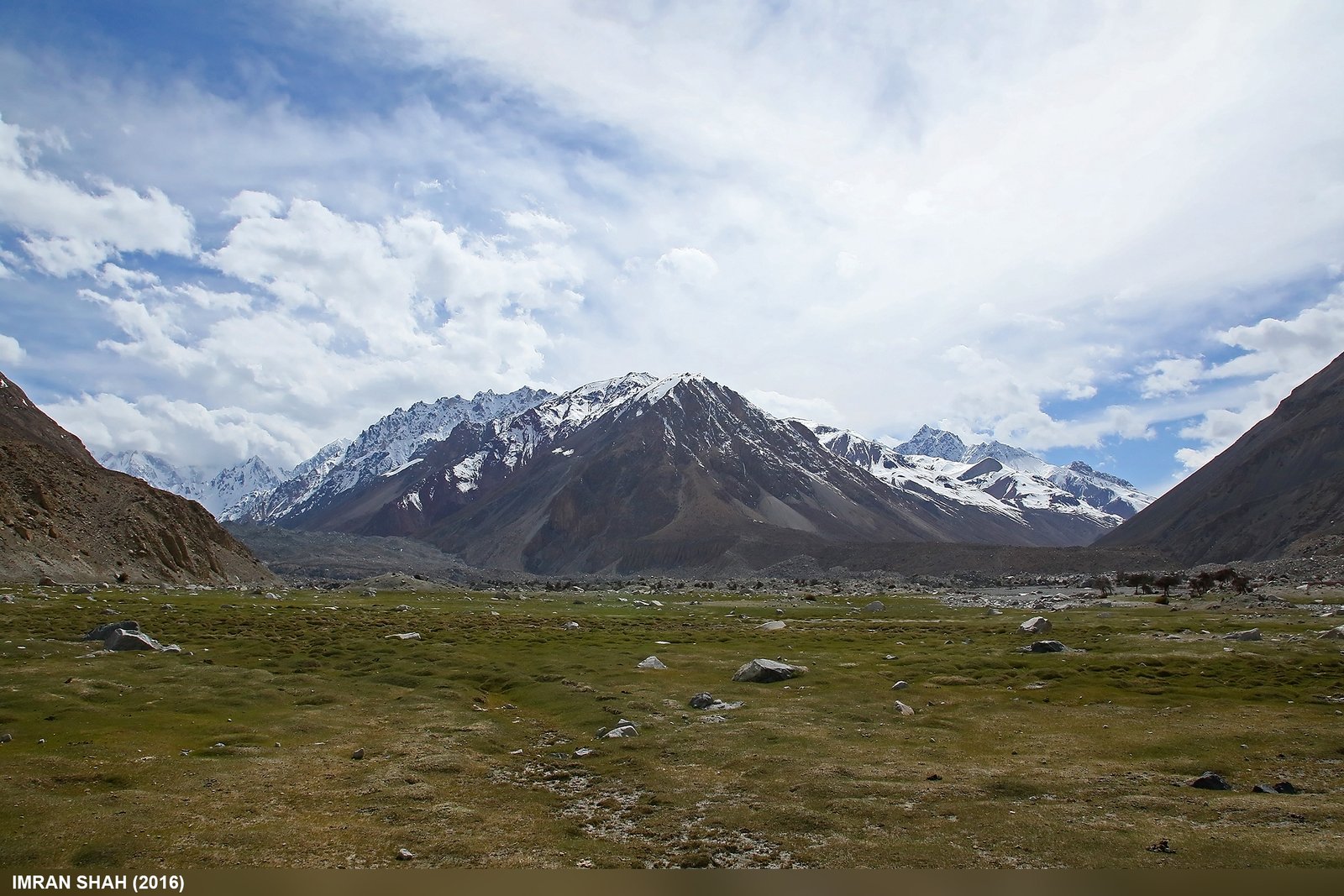
Getting There: The Practical Picture
- Route: Islamabad → Gilgit → Karimabad → Passu → Sost on the Karakoram Highway, then the jeep-only Chapursan road from Sost. From Karimabad to Zood Khun is about 6 hours; from Gilgit, about 8 hours.
- Jeeps: hire a local 4×4 jeep from Sost or Passu — regular vehicles cannot handle the rugged track. Shared jeeps run from Sost to Chapursan about twice a day. Confirm the fare in Sost before departing; it is a remote route and prices are set locally.
- Bikes: the road from Sost is off-road, but bikes can be rented in Gilgit or Karimabad and are the most flexible way to reach the valley if you are an experienced rider.
- Permits: no NOC (No Objection Certificate) is reported as needed to visit Chapursan Valley itself. At the Baba Ghundi shrine, close to the Afghan border, there is an army checkpoint — they will ask for your passport. NOCs, where they are required for further areas, can only be obtained in Gilgit, so sort that out before heading north. Confirm the current position locally before you go — this is a sensitive border area and rules can change.
- Where to stay: guesthouses in Zood Khun (the usual base), Reshit and Sher-e-Sabz. Do not expect hotel choice — expect a bed, a meal and a host who knows the valley.
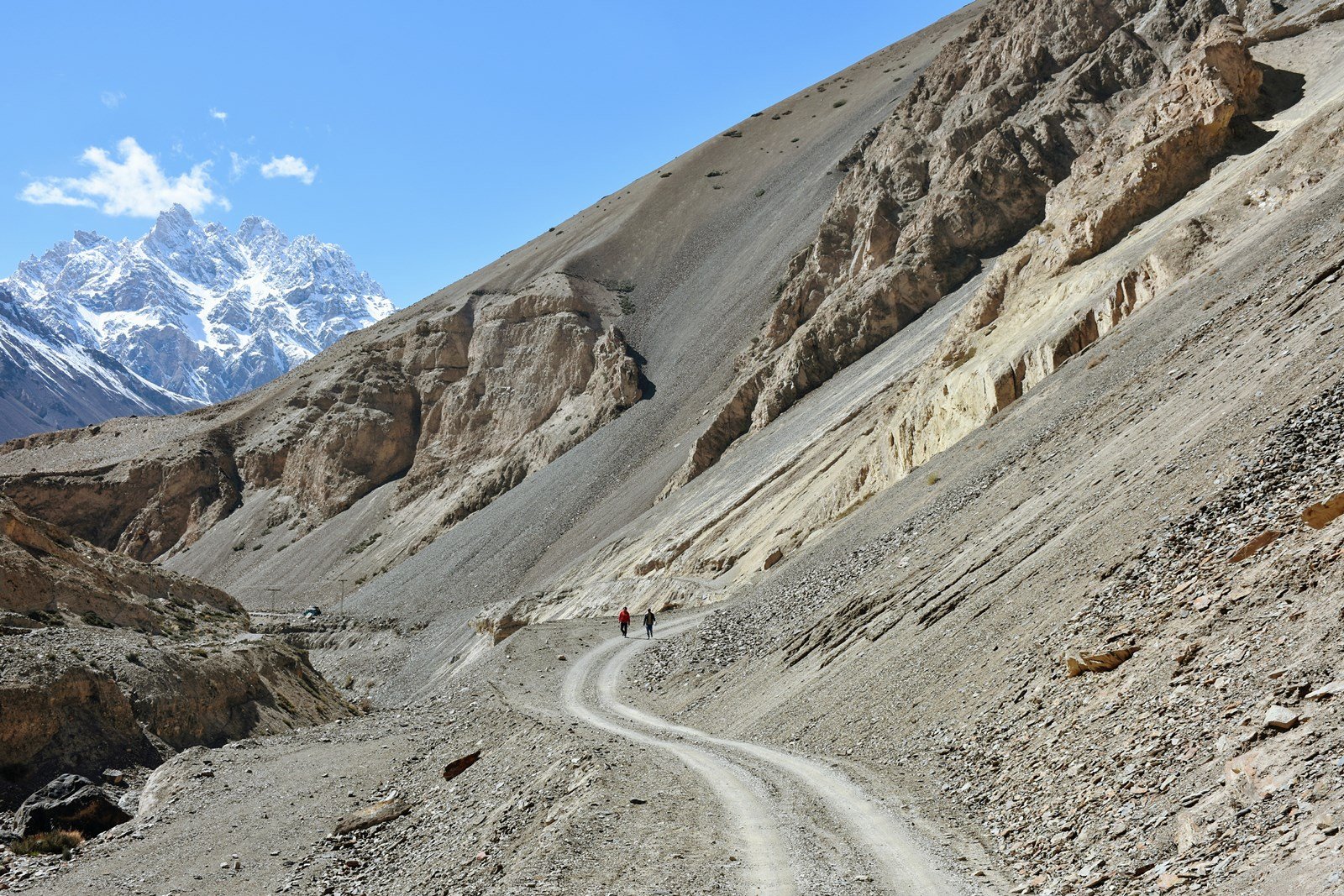
Best Time and What to Pack
Disclosure: As an Amazon Associate, we earn from qualifying purchases made through links on this page, at no extra cost to you.
- Best time: May to October. The valley is at 3,000–3,800 m, so even summer nights are cold; winter is out of the question for a normal traveller.
- Pack: warm layers for cold nights, sturdy walking boots, sun protection (the altitude sun is fierce), cash (no ATMs, no card payments), and your passport. A Sawyer Squeeze water filter is useful for village water on treks.
More Guides for Upper Hunza
- Passu & Gojal Travel Guide
- Karimabad Travel Guide
- How to Get to Hunza Valley
- Is Gilgit-Baltistan Safe for Travellers?
- Patundas Trek: Meadows Above Passu
- Batura Glacier Trek
Frequently asked questions
Where is Chapursan Valley?
In Upper Hunza (Gojal), Hunza District, Gilgit-Baltistan, near the Afghan Wakhan Corridor — the far north of Pakistan, reached by jeep from Sost.
Do I need a permit to visit Chapursan?
No NOC is reported as needed for the valley itself, but there is an army checkpoint near the Baba Ghundi shrine where you will be asked for your passport. Confirm the current rules locally — it is a border area.
How do I get to Chapursan Valley?
By 4×4 jeep from Sost or Passu (about 3 hours from Sost to Zood Khun, about 6 hours from Karimabad). Shared jeeps run from Sost about twice a day.
What is the best time to visit Chapursan?
May to October. Winter is too cold and the high valley is effectively closed to normal travel.
What is Baba Ghundi shrine?
The shrine of the Sufi saint Baba Ghundi, who is believed to have brought Islam to the Hunza region and died in Chapursan. It is the valley’s spiritual centre and the site of an annual festival.
Is Chapursan the same as Chipursan?
Yes — the same valley, spelled both ways. Chapursan is the spelling used in this guide.