Last updated: 11 November 2026
Short Answer
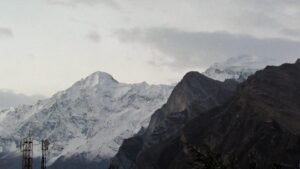
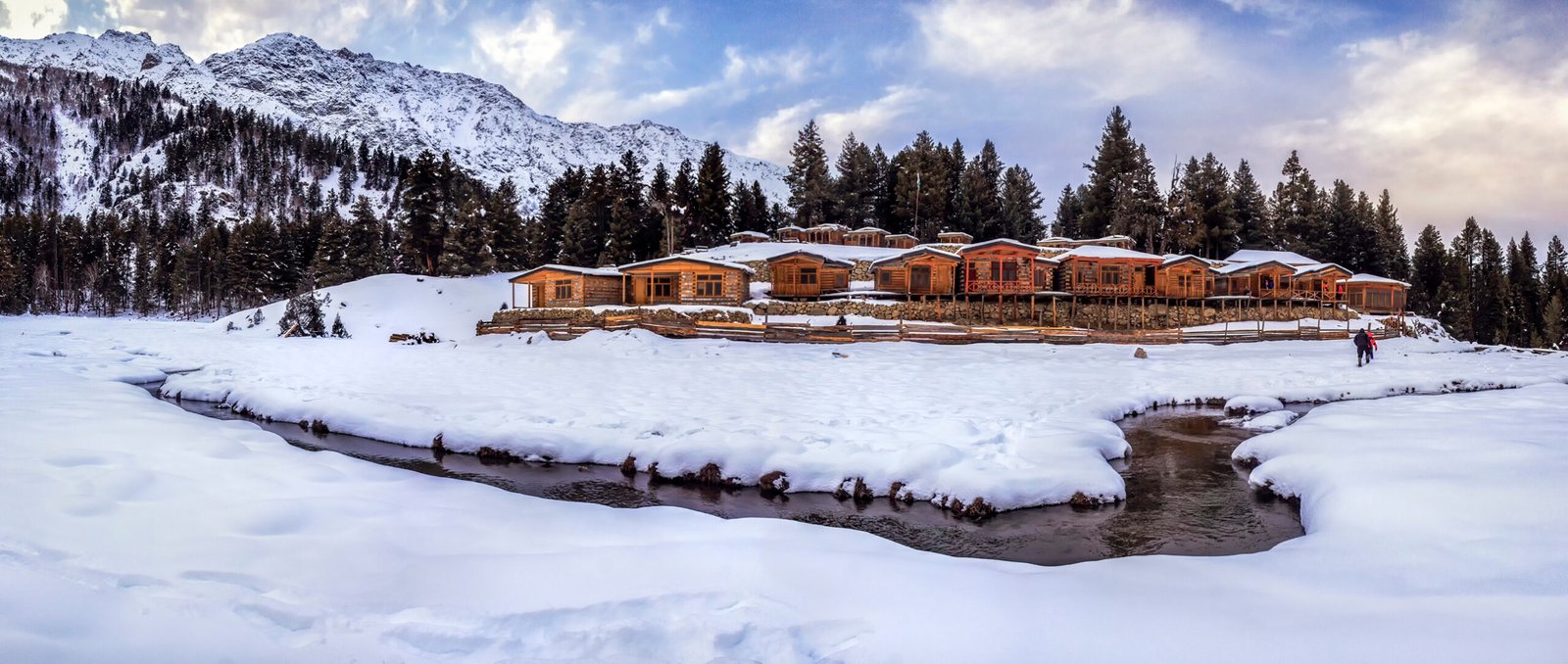
Hunza Valley in winter, from December to February, is a quieter, colder and more beautiful version of the valley most travellers know from summer. The peaks wear snow, the bazaars empty out, Attabad Lake starts to freeze, and the crowds disappear. Karimabad sits at about 2,500 m and stays accessible and functional all year, with guesthouses open, the bazaar operating and local life carrying on. Both forts stay open, the viewpoints still work, and hotel prices run about 40 to 50 percent cheaper than in peak season. The trade off is real cold, icy roads and closed high passes, so this guide is about what stays open, what closes, and how to plan a winter trip that works.
When is winter in Hunza Valley?
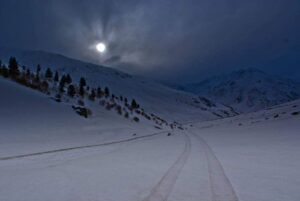
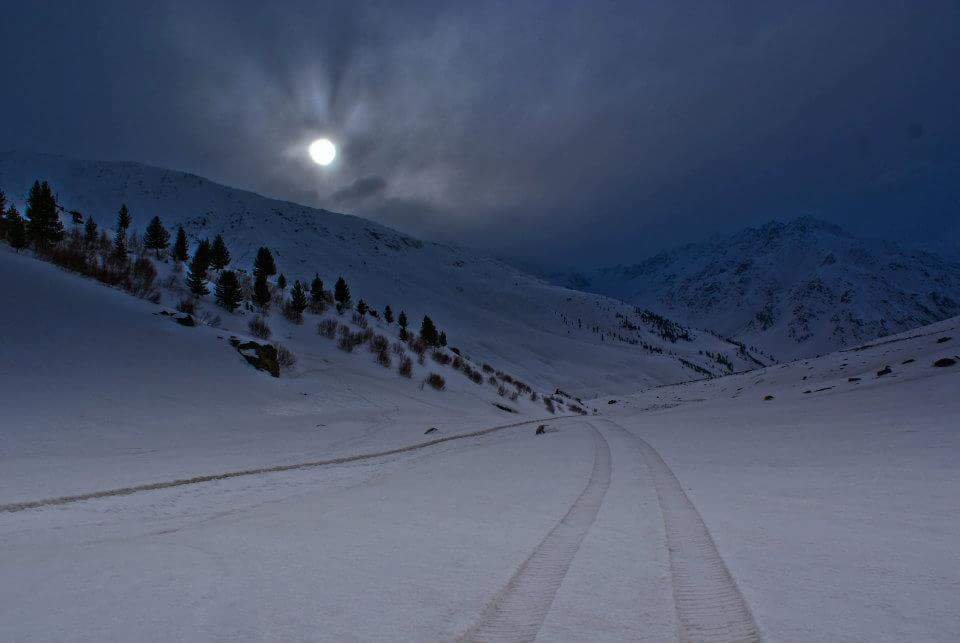
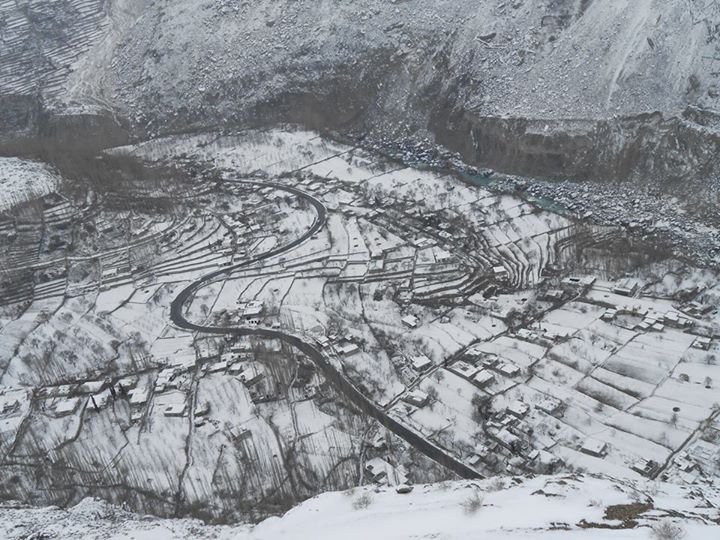
Winter in Hunza runs roughly from November to February, with December to February the heart of the season. Snow usually arrives in the upper valleys first, then settles over Karimabad and the lower villages by December. The coldest stretch is mid December to late January, when nights at town level drop to about -5C to -10C. By late February the days start to lengthen and the snow line begins to retreat, though the high peaks stay white.
| Month | What to expect |
|---|---|
| November | First snow in the upper valleys, cold nights, most places still open, very few tourists |
| December | Snow settles over Karimabad, Salgirah lights on 13 December, lakes start to freeze |
| January | Coldest month, frozen lakes at their best, clearest winter light, fewest visitors |
| February | Days lengthen, snow still deep in the upper valleys, the best month for frozen lakes |
| March | Thaw begins in the lower valleys, roads improve, blossom season approaches |
How cold does Hunza get in winter?
Days at town level run about -5C to 5C, and nights drop to about -5C to -10C. Upper areas are far colder and snowbound, so do not plan to go high without a local guide and proper gear. The surprise for first timers is the sun: on a clear winter day, temperatures at town level can reach 5 to 10C in direct sun, and the air is dry and still. Mornings and evenings are the coldest hours, and shaded slopes stay icy long after the sun has warmed the open ground. Dress in layers, keep a warm jacket for the evenings, and expect your water bottle to freeze overnight if you leave it outside.
How do you get to Hunza in winter?
The Karakoram Highway to Hunza stays open year round, weather permitting, but winter driving on it is a different matter from summer. Expect ice in shaded sections, especially in the narrow stretches between Gilgit and Karimabad, and occasional closures after heavy snowfall. Drive only in daylight, carry chains if you are driving yourself, and ask locally about conditions each morning rather than trusting yesterday’s all clear. Babusar Pass is closed all winter, so the Karakoram Highway is the only road route in and out. Flights to Gilgit are weather dependent in winter, and a westerly wave can ground them, so build a buffer day into any plan that depends on flying out.
What stays open in Hunza in winter?
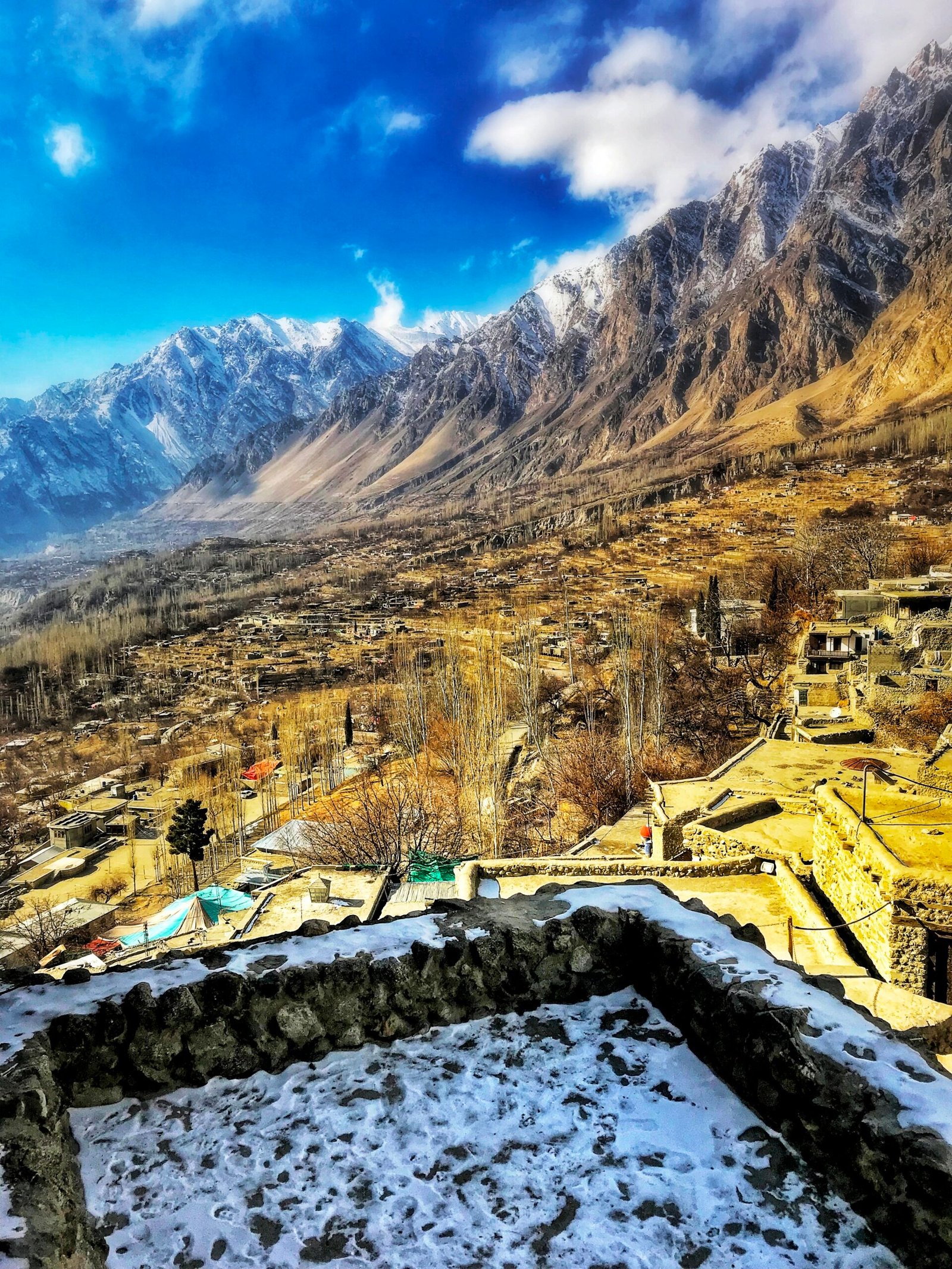
More than most travellers expect. Karimabad stays functional all year: guesthouses stay open, the bazaar operates, and local life carries on. Baltit Fort and Altit Fort both stay open through winter, and the fort courtyards under snow are some of the best photographs in the valley. The Eagle’s Nest viewpoint is usually accessible, though the jeep road can be icy, so ask about conditions before you set off. Photography in winter light with snowcapped peaks is exceptional, and the empty trails mean you can walk the village lanes alone. For the wider valley in the warmer months, see our 7-day Hunza Valley itinerary.
| Stays open | What closes |
|---|---|
| Baltit Fort and Altit Fort | Khunjerab Pass trips for tourists |
| Karimabad bazaar and guesthouses | Borith Lake area, the Passu road can be icy |
| Eagle’s Nest viewpoint, conditions permitting | Chapursan Valley |
| Village walks and photography | Most high-altitude treks |
| Attabad Lake viewpoints | Boats on Attabad Lake in deep winter |
What closes in Hunza in winter?
Khunjerab Pass is officially open year round for trade, but tourist trips there are not assured from November to April, so treat it as closed for tourists in winter. The Borith Lake area is usually out of reach, because the Passu road can be icy, and Chapursan Valley is effectively closed for the season. Most high-altitude treks are off the table, and the passes to the high meadows are snowbound. None of this stops a good winter trip, because the valley floor is where the forts, the villages and the lakes are, and all of those stay within reach.
Can you see frozen lakes in Hunza in winter?
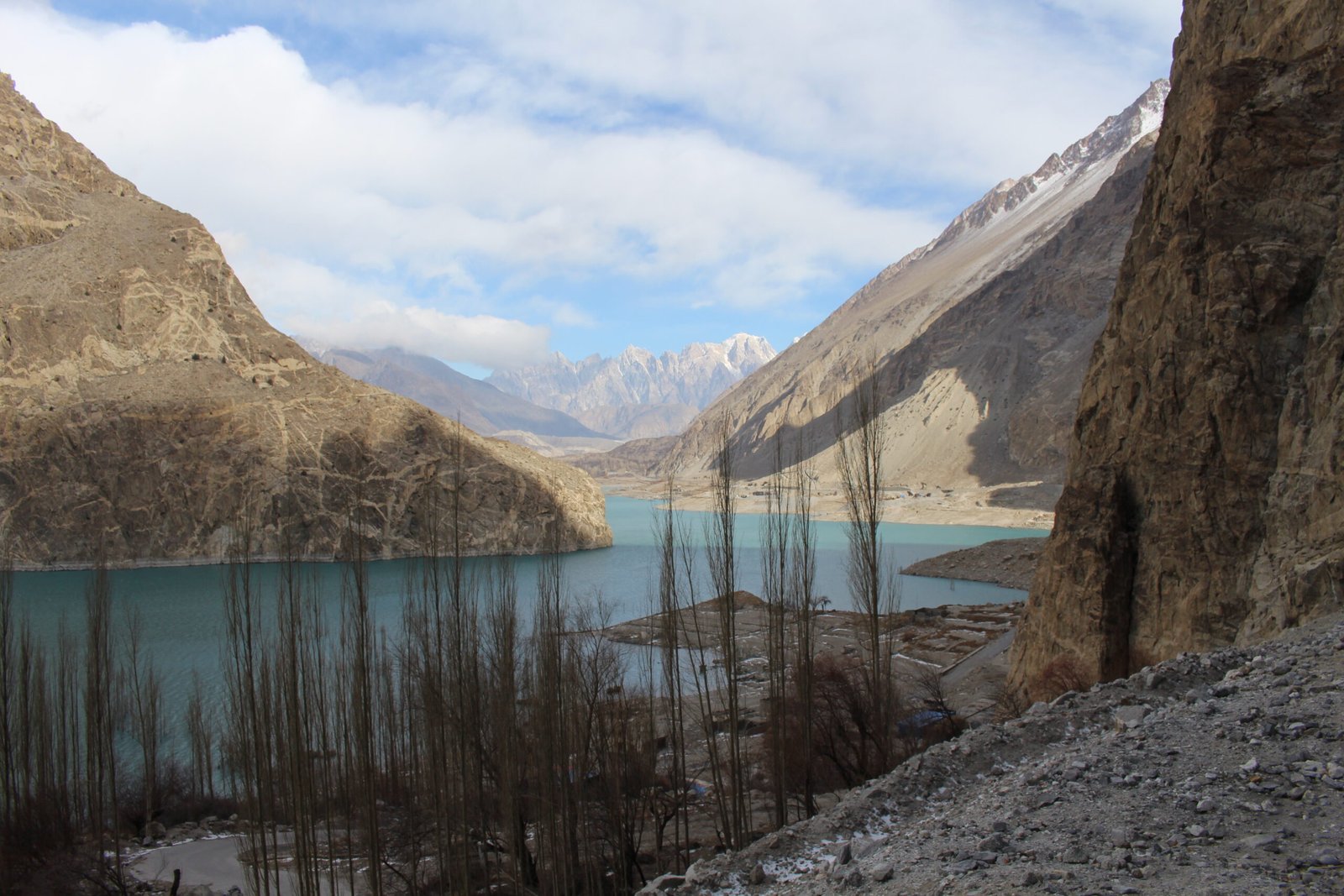
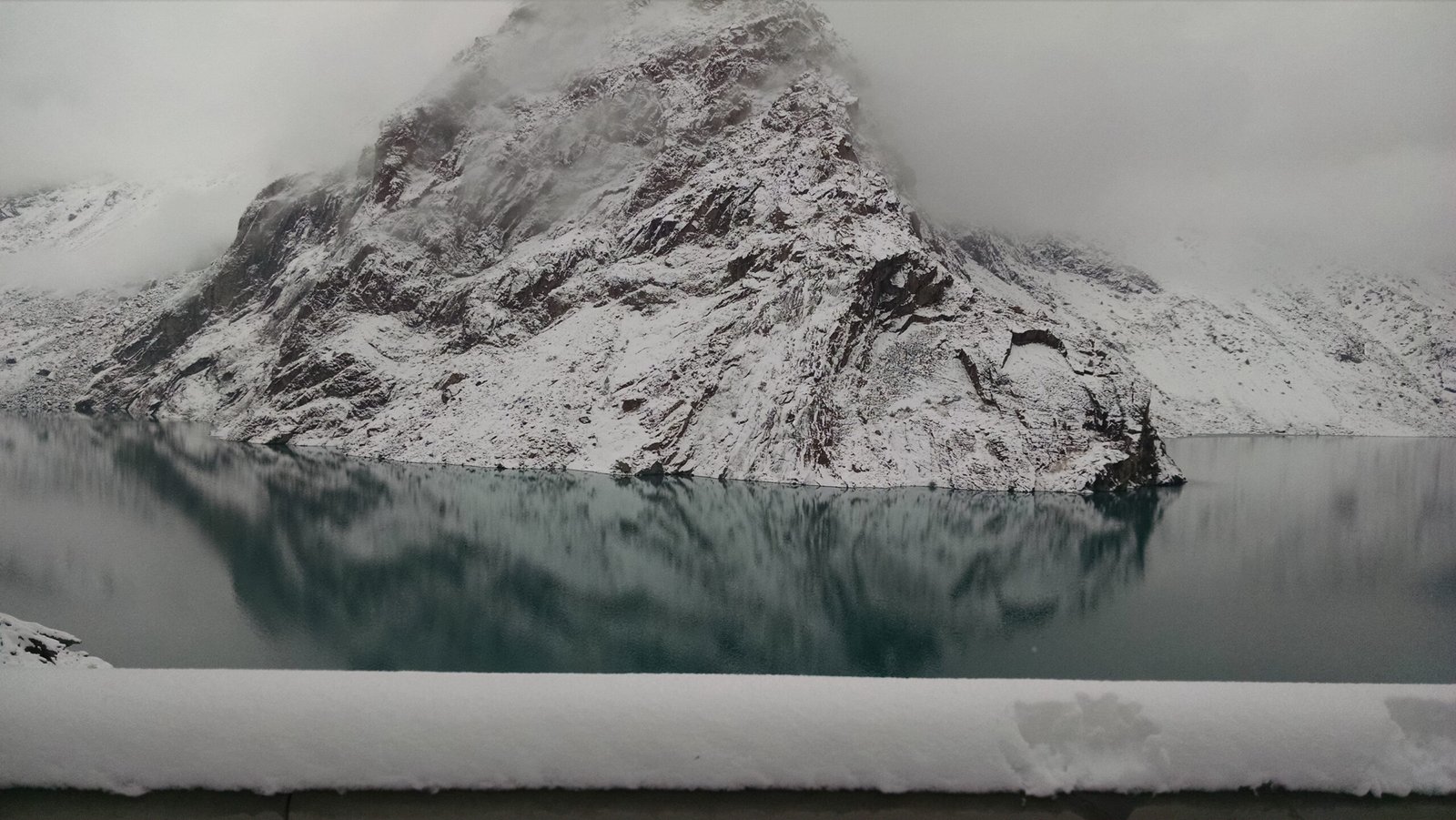
Yes, and they are one of the best reasons to come. Attabad Lake partially freezes in deep winter, with ice creeping over the bays, and boats stop in the depths of the season, so plan to see it from the shore rather than from a boat. In nearby Ghizer, shallow Khalti Lake freezes hard most winters and has become the centre of Gilgit-Baltistan’s winter-sports scene, with ice skating and ice hockey and local winter festivals. The frozen-lake season generally peaks from late December through February. For more on the cold season across the region, see our winter guide for Gilgit-Baltistan.
Where should you stay in Hunza in winter?
Many hotels in Hunza close for the season or run skeleton service, so do not assume your summer hotel is open. Guesthouses and homestays with wood stoves become the accommodation of choice in winter, warmer, cheaper and better company, and they are usually the places that stay open. Accommodation in winter runs about 40 to 50 percent cheaper than peak season, so a comfortable room with heating is affordable. Confirm heating before you book, ask whether hot water runs all day, and prefer a place with a wood stove in the common room, because that is where the evenings happen. See our best hotels in Hunza Valley for the summer options, and our hotels open in winter across Gilgit-Baltistan for places that stay open through the cold season.
What is there to do in Hunza in winter?
Snow trekking, snowshoeing, photography and village walks are the winter activities that work well here. The valley floor trails stay walkable, the light is low and sharp, and the villages are quiet enough that a walk through Karimabad or Altit feels like your own. In December the Ismaili villages of Hunza and Ghizer light up for Salgirah on 13 December, marking the birthday of the Aga Khan, with strings of lights tracing villages and ridgelines, a sight worth timing a trip around. Skiing is in nearby Nagar Valley, not in Hunza itself, so for resort skiing see our Naltar Valley ski guide, and for backcountry skiing see our skiing in Hunza guide.
What should you pack for a winter trip to Hunza?
Pack for cold and wet weather even in the valleys, because daytime temperatures drop by several degrees during a wet spell and snow is forecast over the hills. Warm layers, a waterproof shell, sturdy footwear and a warm hat matter more than usual, and the evenings call for a proper insulated jacket. Cold drains phone batteries fast, so keep a power bank warm in an inside pocket and charge it indoors overnight. See our what to pack for northern Pakistan guide for the full list, and for the best time to plan any trip to the region, see our best time to visit Gilgit-Baltistan guide.
Disclosure: as an Amazon Associate, we earn from qualifying purchases made through links on this page. The Anker PowerCore portable charger is a useful piece of kit for winter trips, because cold weather drains phone batteries and charging points are not always close by.
Frequently Asked Questions
Is Hunza Valley worth visiting in winter?
Yes, if you like quiet places and cold weather. Winter brings snow-covered peaks, empty bazaars, frozen lakes and prices about 40 to 50 percent lower than peak season. The forts stay open and the light is superb for photography. The trade off is real cold, icy roads and closed high passes, so it suits unhurried travellers, not tight schedules.
How cold does Hunza get in winter?
Days at town level run about -5C to 5C, and nights drop to about -5C to -10C. Upper areas are far colder and snowbound. Clear winter days can reach 5 to 10C in the sun at town level, so layers matter more than one heavy coat. Mornings and evenings are the coldest hours, and shaded ground stays icy.
Can you reach Hunza by road in winter?
Yes, the Karakoram Highway stays open year round, weather permitting, but expect ice in shaded sections and occasional closures after snowfall. Babusar Pass is closed all winter, so the highway is the only road in and out. Drive in daylight, ask about conditions each morning, and keep a buffer day in your plan.
What stays open in Hunza in winter?
Baltit Fort and Altit Fort stay open, Karimabad bazaar and guesthouses operate, and the Eagle’s Nest viewpoint is usually accessible, though the jeep road can be icy. Village walks and photography work well all winter. What closes is the high country, Khunjerab trips, Chapursan Valley and most high-altitude treks.
Where should you stay in Hunza in winter?
Guesthouses and homestays with wood stoves are the best choice, because many hotels close or run skeleton service. Confirm heating and hot water before you book, and prefer a place with a wood stove in the common room. Winter rates run about 40 to 50 percent cheaper than peak season.
Can you see Attabad Lake frozen in winter?
Yes, Attabad Lake partially freezes in deep winter, with ice creeping over the bays, and boats stop in the depths of the season, so see it from the shore. For hard frozen ice, Khalti Lake in nearby Ghizer freezes most winters and hosts ice skating and ice hockey. The frozen-lake season peaks from late December through February.