Last updated: 4 November 2026
Short Answer
If you can only visit one valley first, choose Hunza for the easier, gentler introduction to Gilgit-Baltistan, and Skardu for the wilder, more dramatic one. Hunza is the valley of forts, orchards and roadside viewpoints: its highlights sit close together along the Karakoram Highway, and its main town, Karimabad, sits at around 2,400 m. Skardu is the gateway to the high Karakoram: bigger lakes, a cold desert, the Shigar and Khaplu forts, and the road to Deosai and K2 — but its airport is weather-dependent and its best experiences sit higher and further apart. Both valleys are in Gilgit-Baltistan, not in Khyber Pakhtunkhwa, and both deserve a trip in their own right. If you have 12–14 days, do both; if you have a week, start with Hunza.
What kind of trip is each valley?
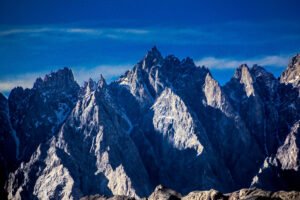
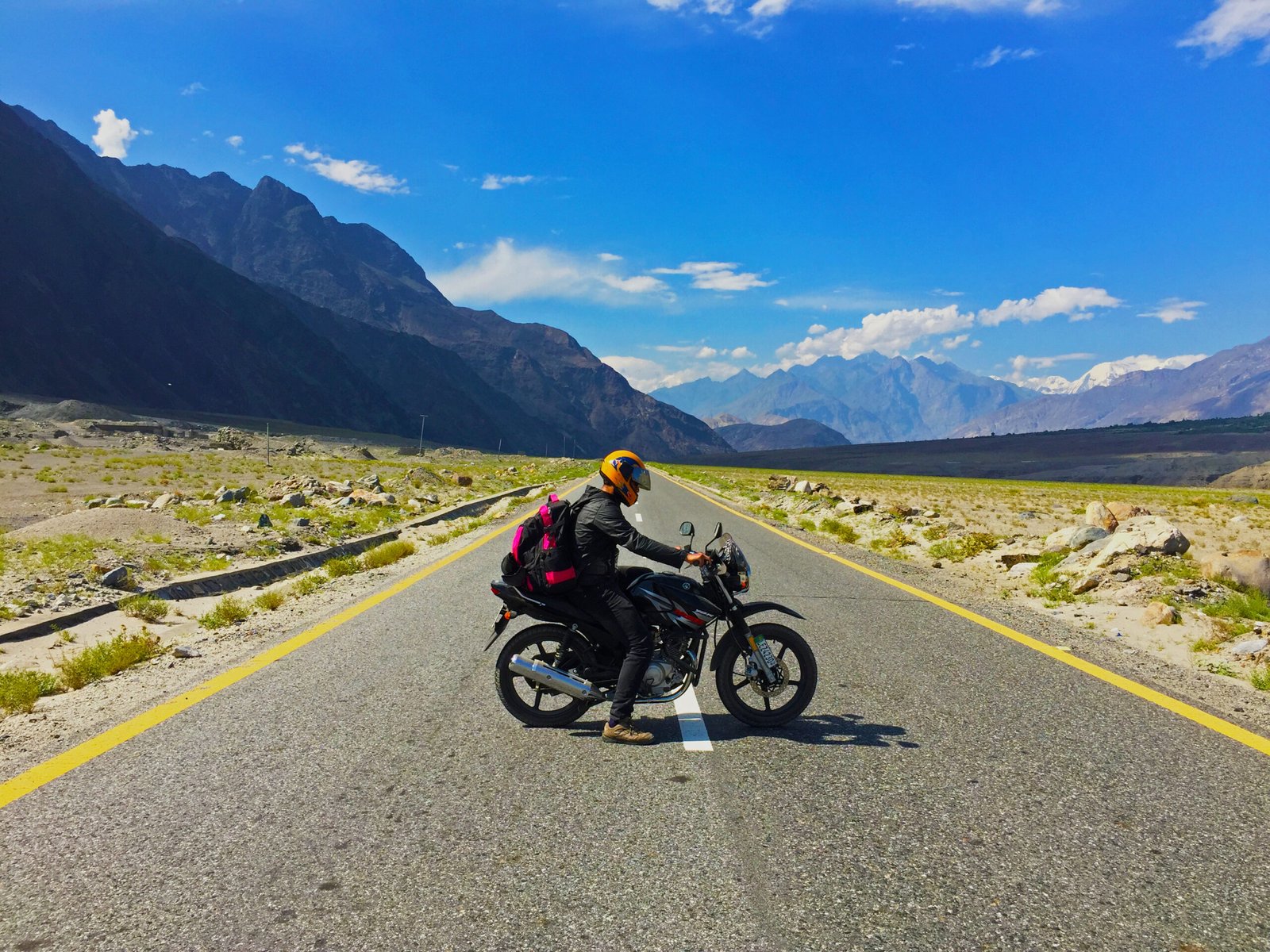
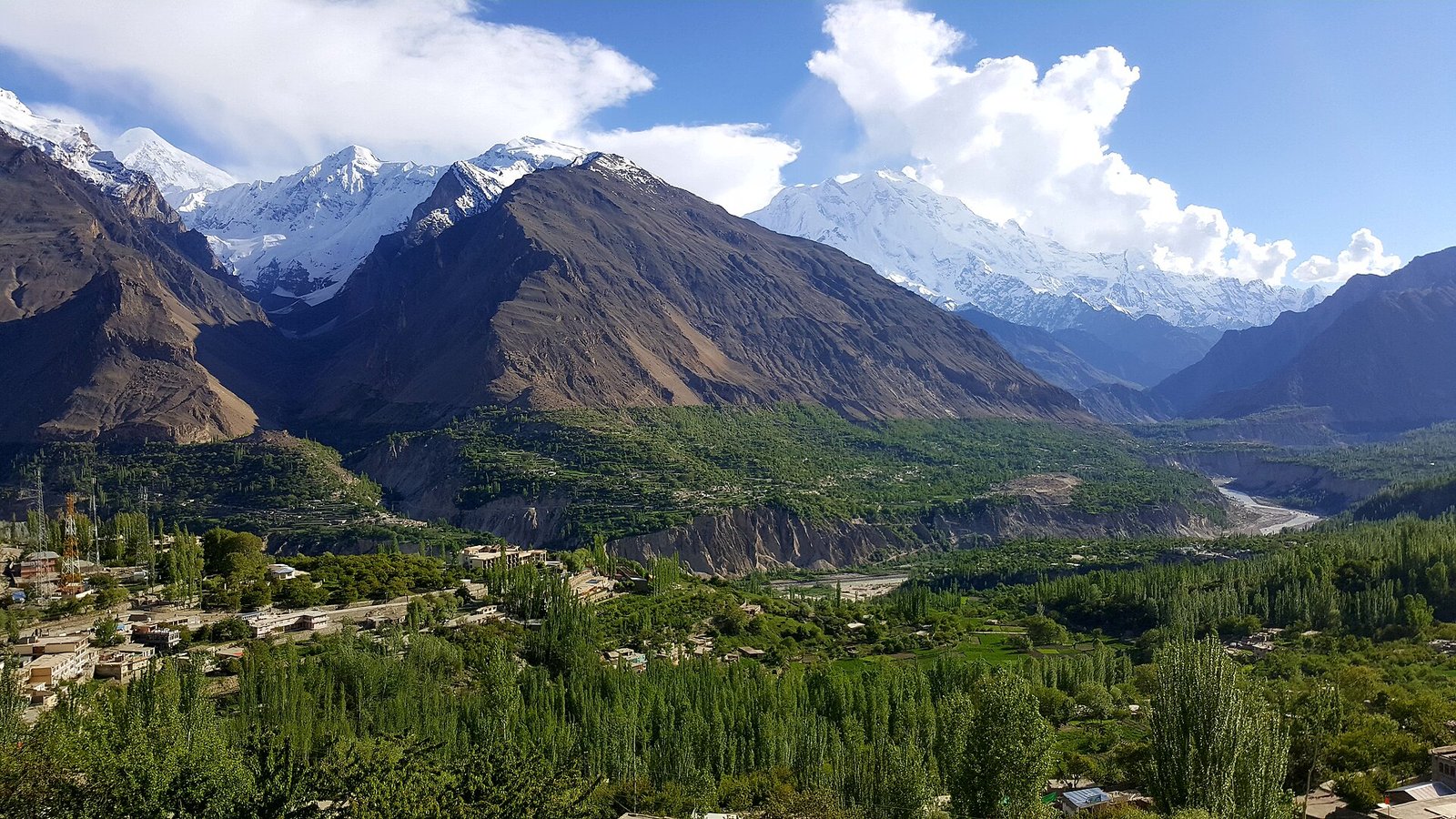
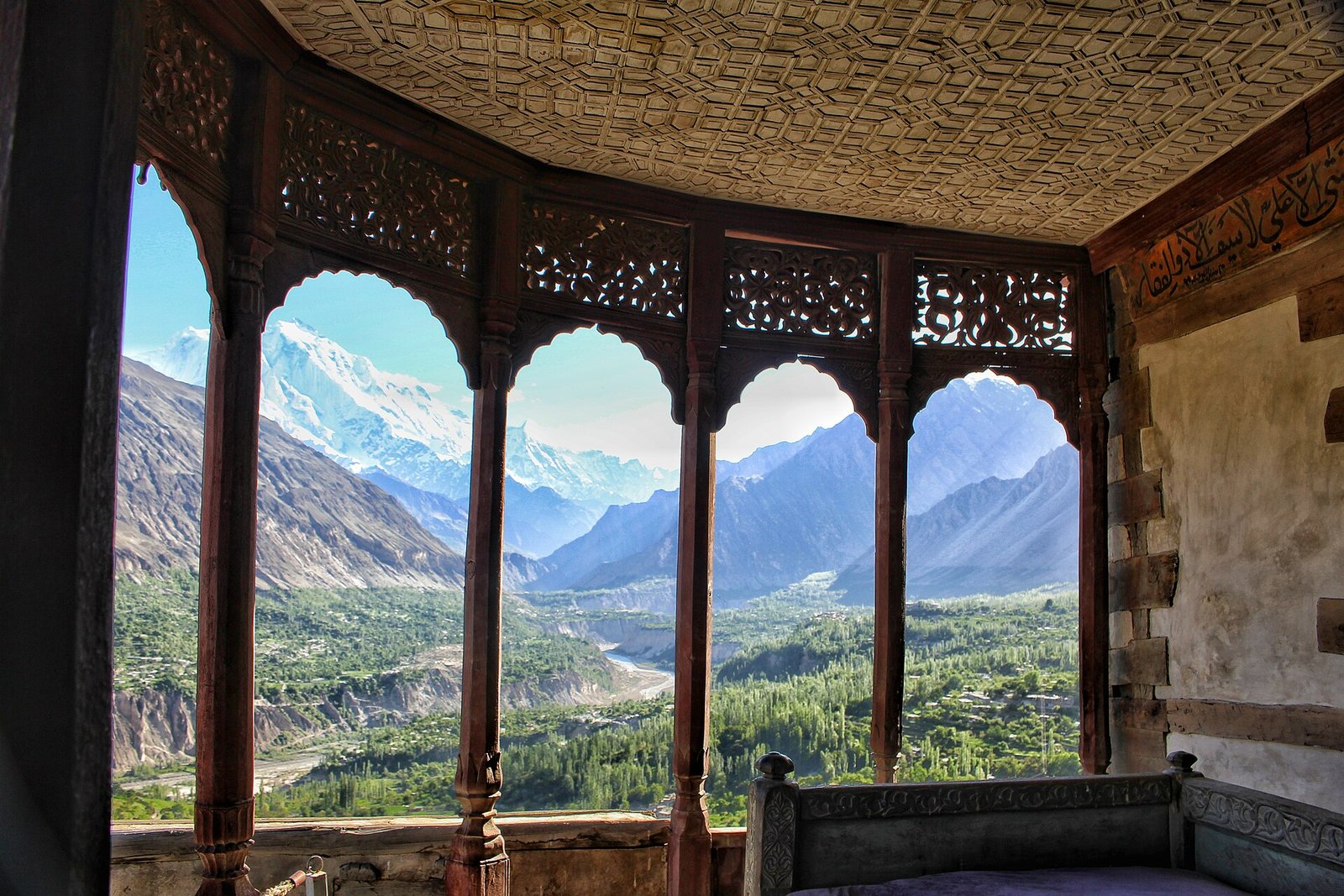
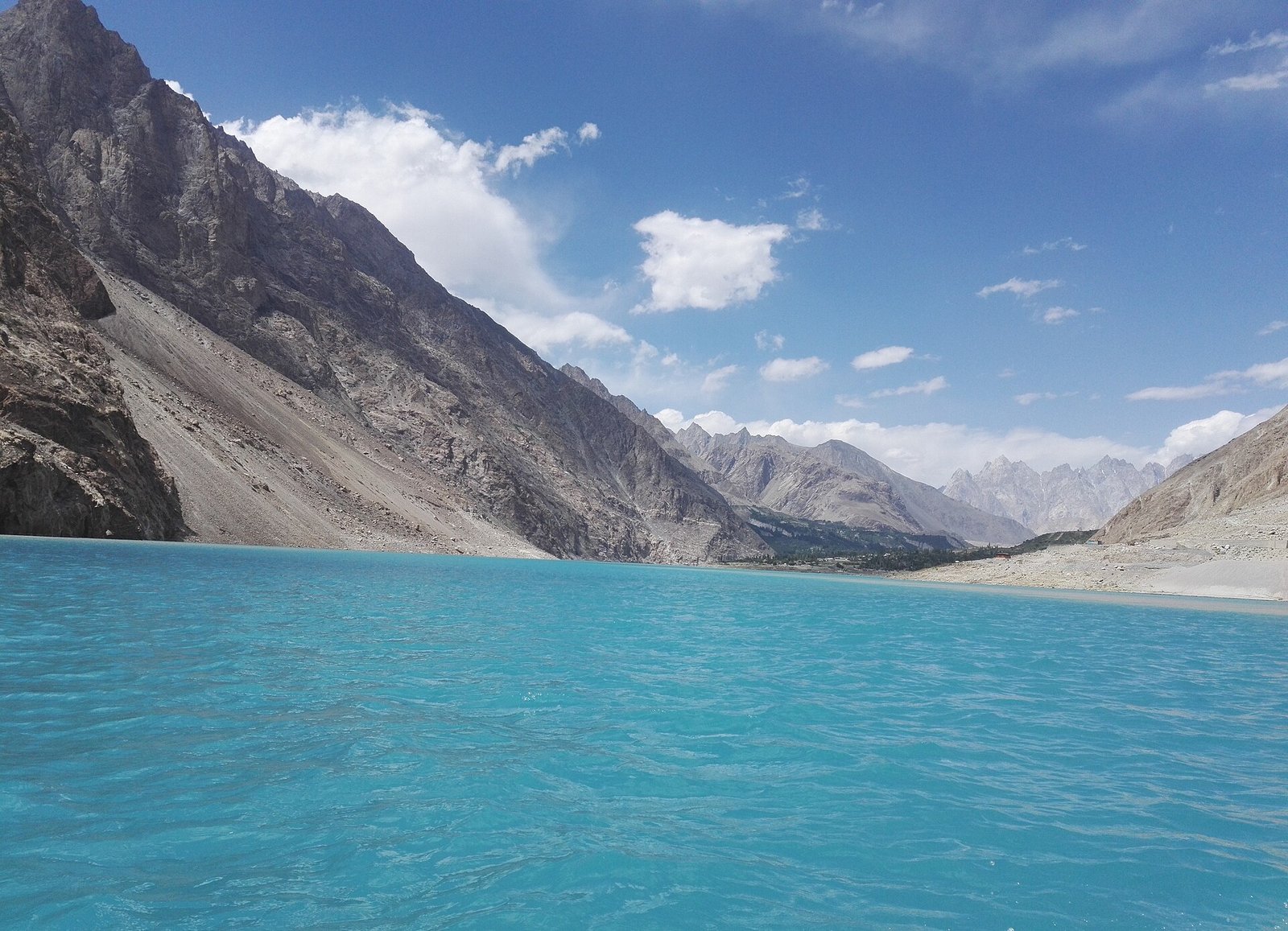
Hunza feels like a valley you can settle into. Karimabad is a compact, walkable town of stone lanes, apricot orchards and cafés, with Baltit Fort above it and Altit Fort a short walk away. From there, the Karakoram Highway runs north past Attabad Lake — a turquoise lake that did not exist before a 2010 landslide dammed the Hunza River — to the Passu Cones and on to Khunjerab Pass on the Chinese border. Almost everything on the classic Hunza route is a short drive from the highway.
Skardu feels bigger and wilder. The town sits in a broad valley where the Indus and Shigar rivers meet, ringed by peaks that rise to 4,500–5,800 m. Its headline sights are spread out: the Kachura lakes, the Sarfaranga Cold Desert’s dunes, Shigar Fort, Khaplu and the Deosai Plains. Skardu rewards travellers who are happy with longer drives, jeep tracks and a looser plan — and it is the only sensible base for the K2 Base Camp trek.
How do you get to each valley?
This is where the two valleys differ most, and it should shape your decision.
Hunza is reached by road. From Islamabad, the Karakoram Highway (KKH) via Besham runs about 700 km to Karimabad and takes roughly 16–19 hours of driving, usually split over two days with an overnight stop. The KKH via Besham is open year-round, though snow and landslides can add delays. In summer, the shorter Babusar Pass route (about 530 km to Gilgit) is an option, but it is seasonal — roughly late May or June to October. There is no airport in Hunza itself; the nearest is Gilgit, about 100 km (2–3 hours) south of Karimabad, and Gilgit flights are themselves weather-dependent.
Skardu can be reached by air or by road, and both routes carry a warning. Flights from Islamabad to Skardu take about an hour when they operate, but mountain weather means cancellations are normal — plan buffer days and keep the road as your fallback. By road, Skardu is reached from Gilgit via the Jaglot–Skardu road, or in summer via Babusar and Chilas; the Deosai route between Skardu and Astore is a high summer-only track, open roughly June to October.
Which valley has the better scenery?
There is no honest winner here, because the scenery is different in kind.
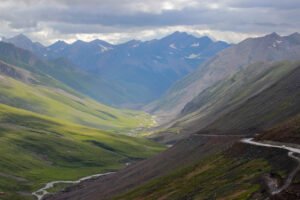
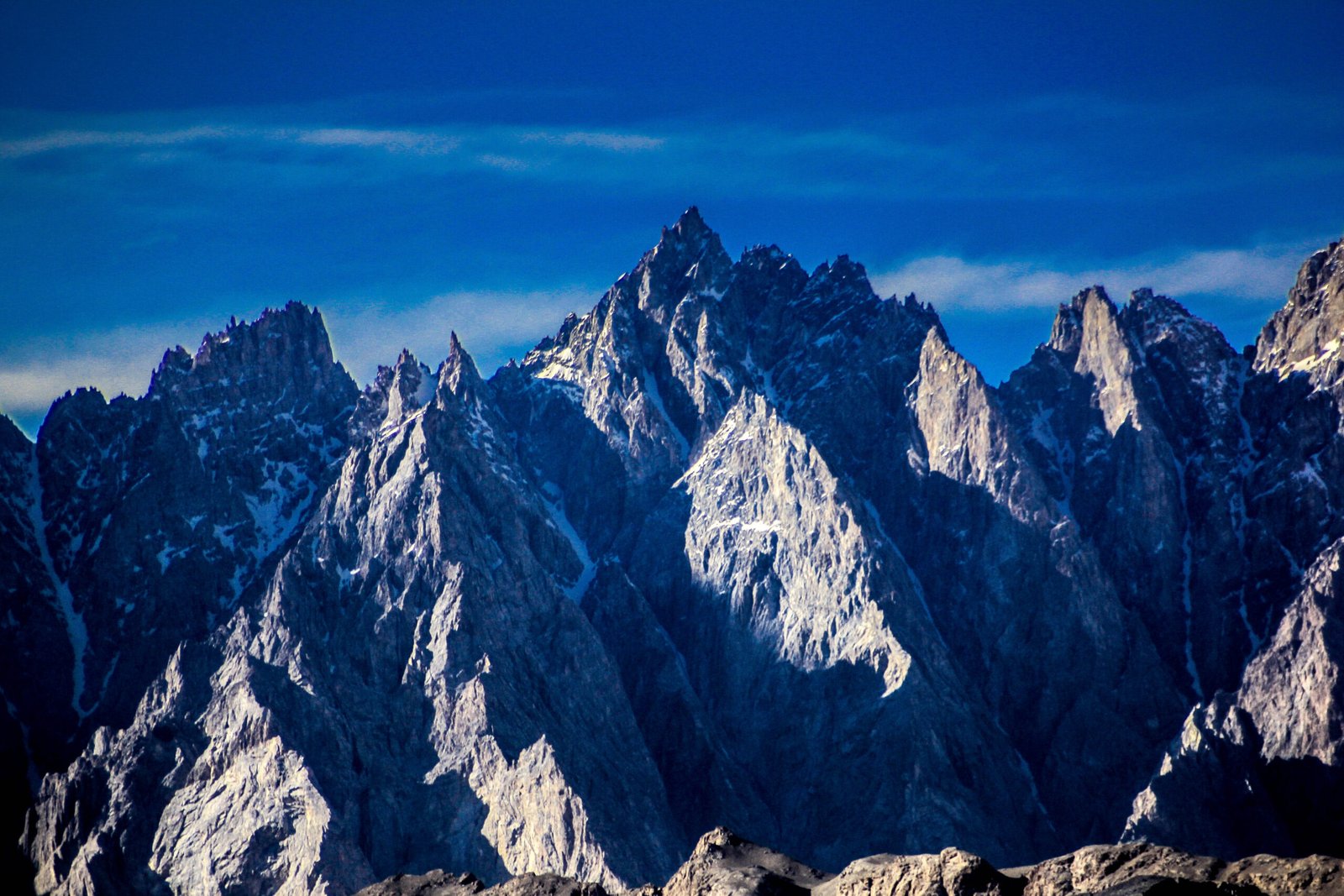
Hunza’s beauty is vertical and composed: green terraces and orchards in the foreground, 7,000 m peaks such as Rakaposhi, Ultar Sar and Ladyfinger behind them, and the Passu Cones’ jagged ridgeline further north. The viewpoints — Duikar (Eagle’s Nest) above Karimabad at sunrise, the Rakaposhi viewpoint, the Attabad Lake shore — are easy to reach and famously photogenic.
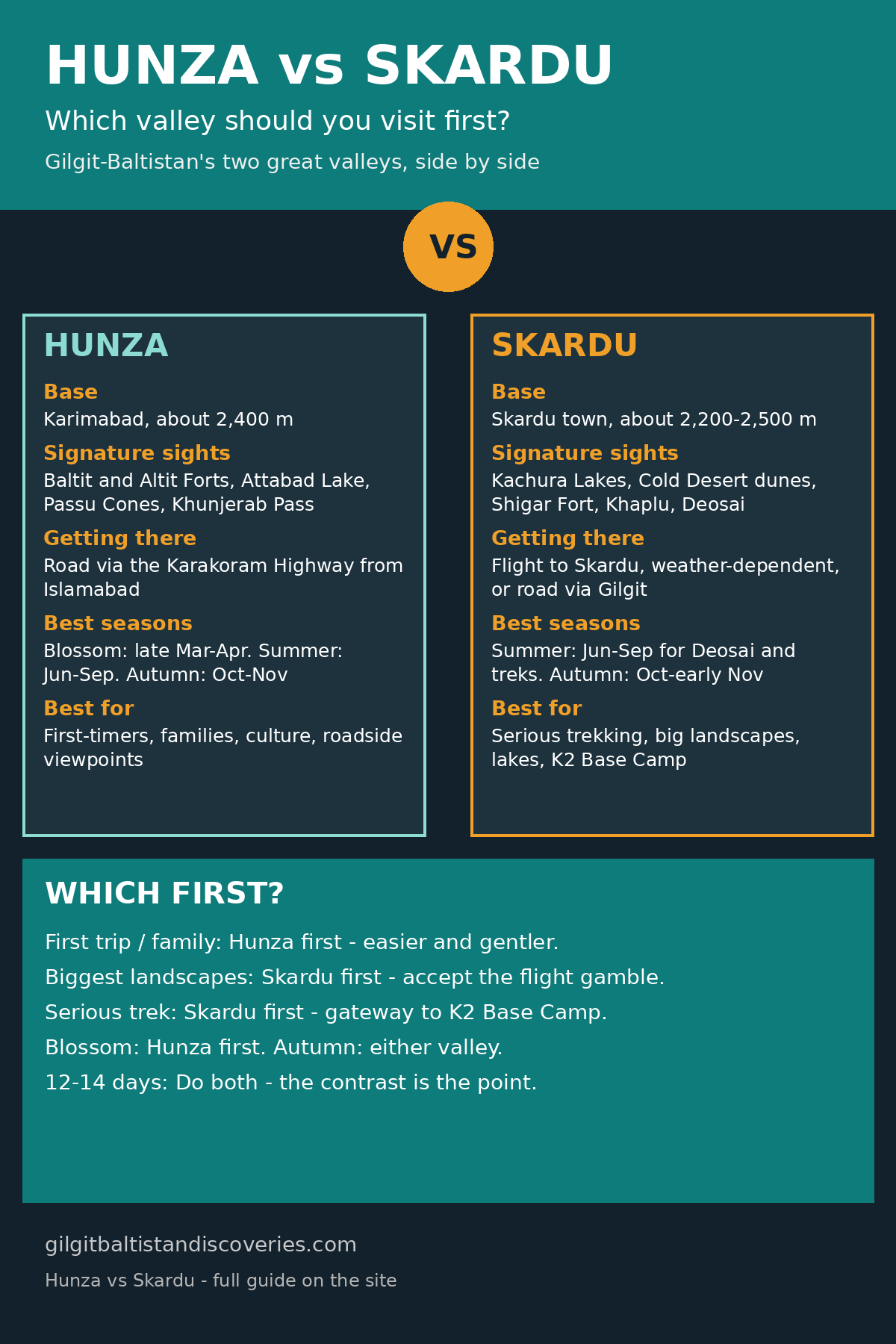
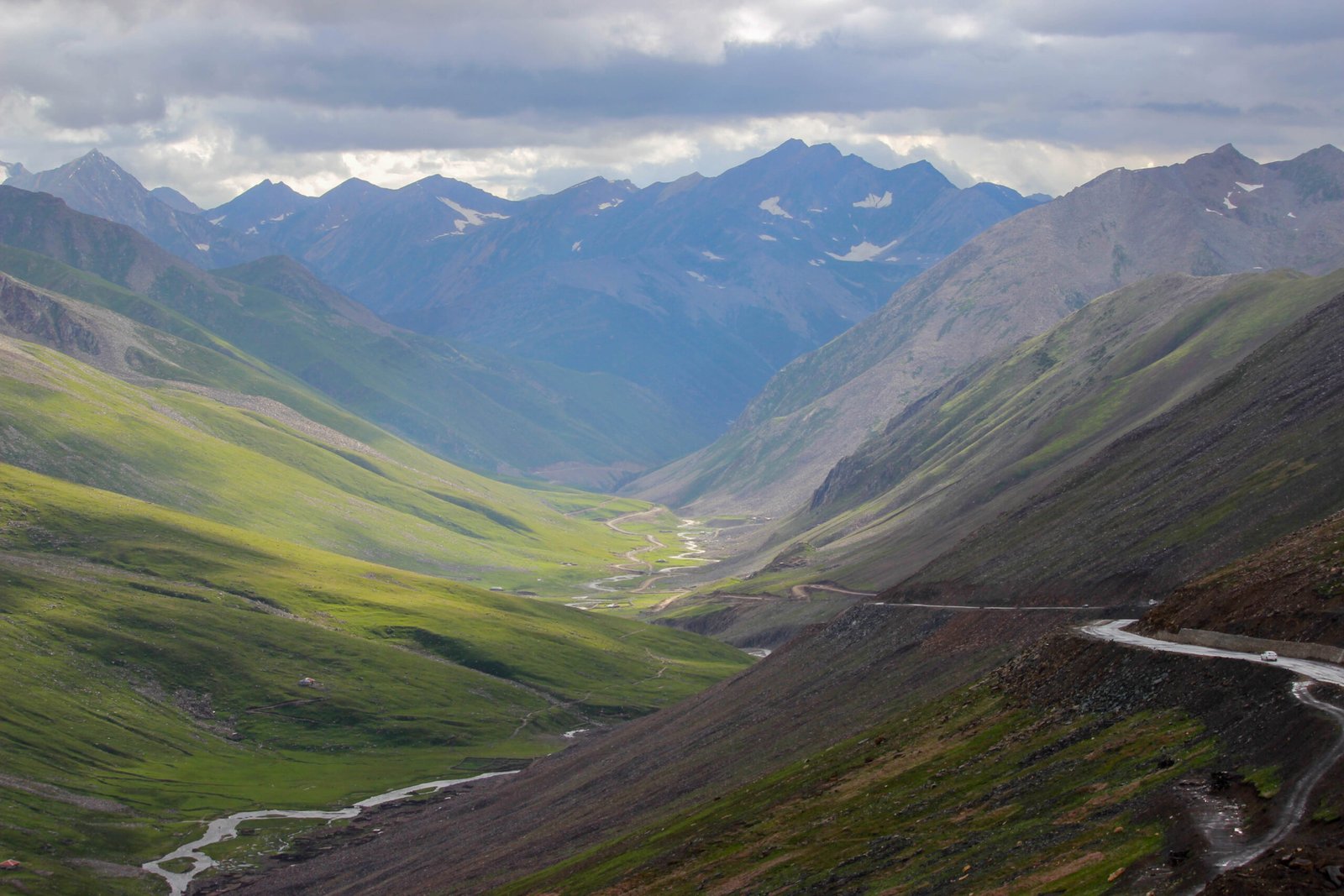
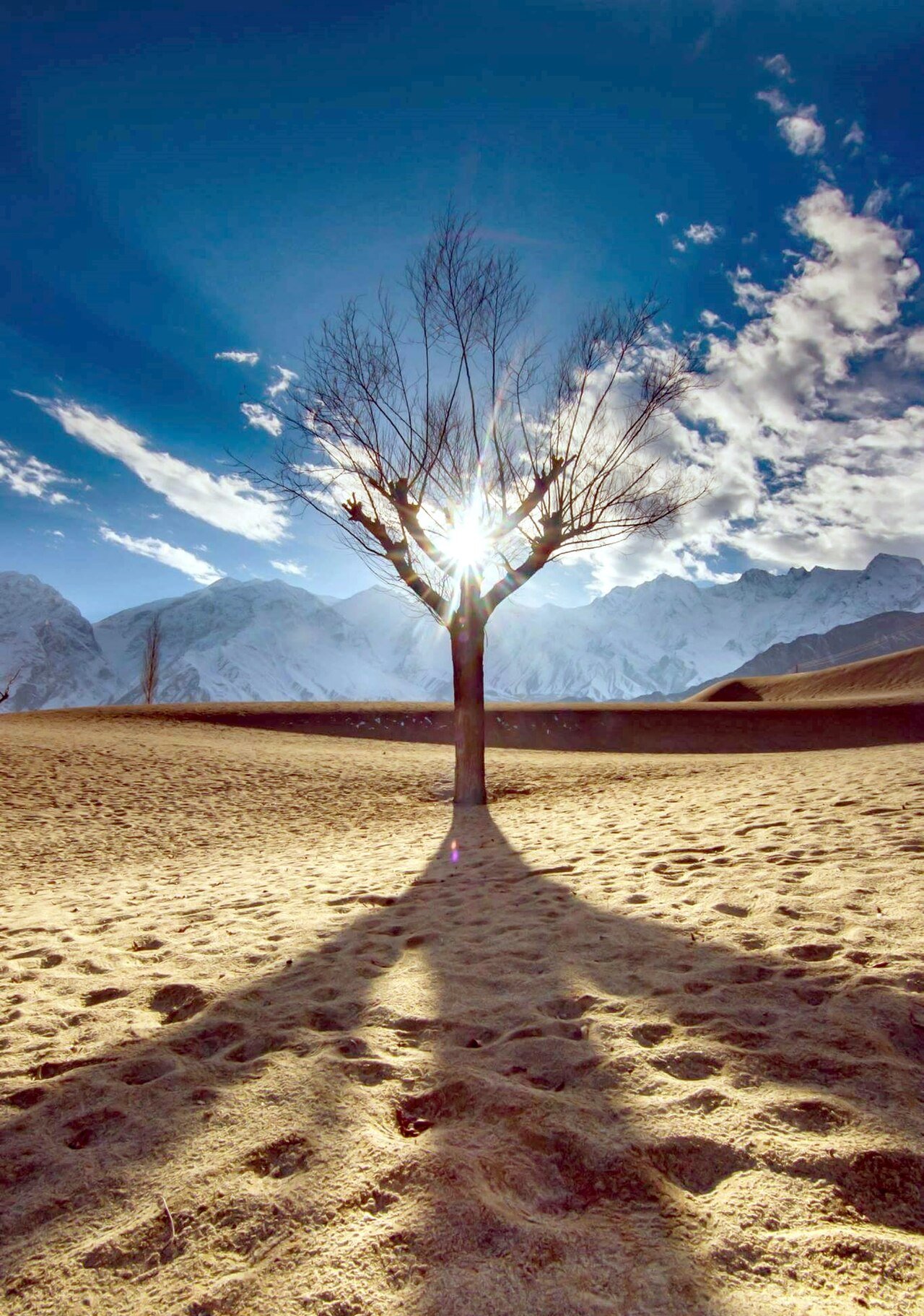
Skardu’s beauty is on a grander, emptier scale: wide river plains, the dunes of the Cold Desert against snow peaks, the deep blue of Satpara and the Kachura lakes, and the treeless expanse of Deosai. Photographers chasing drama tend to prefer Skardu; travellers chasing the classic postcard tend to prefer Hunza.
How does altitude compare?
Both valleys sit at real altitude, so take the first day easy in either one, drink plenty of water and avoid rushing to the highest points on arrival.
Karimabad sits at around 2,400 m (sources vary between roughly 2,400 m and 2,600 m depending on where in the terraced town the measurement is taken). Skardu town sits at roughly 2,200–2,500 m — again, sources vary by measurement point. The valley floors feel similar; the difference is what you do next: Hunza’s day trips climb to Khunjerab Pass at 4,693 m, the highest paved border crossing in the world, while Skardu’s climb to the Deosai Plains, averaging about 4,114 m. Both are high enough for altitude symptoms, so in either valley, spend a night or two at valley level before heading to the passes or the plateau.
When is the best time to visit each valley?
The seasons run broadly in parallel, with a few valley-specific twists.
Spring blossom (late March to April) is Hunza’s signature season: cherry, apricot and almond trees flower beneath snow peaks, and the valley is at its most celebrated. Skardu blossoms too, but Hunza owns this season in most travellers’ minds.
Summer (June to September) is the main season for both, and the only season for Deosai and the high treks. Deosai’s road typically opens in June — in 2026 it opened on 10 June — and closes with snow in late October or early November.
Autumn (October to early November) is superb in both valleys, with a slightly different rhythm: central Hunza peaks in mid-to-late October, while Skardu and Shigar peak from mid-October into early November. Skardu’s autumn days run mild, around 15–20°C, with gold poplars around the Kachura lakes.
Winter (December to February) is possible in both valleys but is a different kind of trip: snow, short days, fewer open hotels and plans that can change at short notice. Skardu’s Cold Desert works in winter, and Hunza’s lower villages stay accessible, but neither valley is a first-timer’s winter choice.
What about trekking and adventure?
Hunza suits day walks and short hikes: the trails around Karimabad, the glacier viewpoints above Passu, and the walks between Upper Hunza’s villages. It is the valley for travellers who want mountain walking without committing to an expedition.
Skardu is the trekking valley. It is the base for the K2 Base Camp trek, which needs about two weeks including approach and buffer days, and for Deosai jeep safaris and Baltoro routes. If a serious trek is the reason for your trip, Skardu is not just the better choice — it is the only choice of the two.
Which valley is easier for families and first-timers?
Hunza, clearly. Its sights are closer together, its roads are better, its town is walkable, and its hotels, cafés and guides are geared to visitors. Skardu works with children too, but the longer drives, jeep tracks and higher day trips demand more patience and more buffer time.
Hunza vs Skardu at a glance
| Hunza | Skardu | |
|---|---|---|
| Main base | Karimabad (~2,400 m) | Skardu town (~2,200–2,500 m) |
| Signature sights | Baltit and Altit Forts, Attabad Lake, Passu Cones, Khunjerab Pass (4,693 m) | Shangrila and Upper Kachura Lakes, Cold Desert, Shigar Fort, Khaplu, Deosai Plains (~4,114 m) |
| Getting there | Road via the KKH, ~700 km / 16–19 h from Islamabad to Karimabad; nearest airport Gilgit | Flight to Skardu (weather-dependent, cancellations normal) or road via Gilgit/Babusar |
| Best for | First-timers, families, culture, roadside viewpoints, blossom and autumn colour | Serious trekking, big landscapes, lakes, desert dunes, K2 Base Camp |
| Ideal first-trip length | 5–7 days | 5–7 days (longer with Deosai or a trek) |
| Best seasons | Late Mar–Apr (blossom), Jun–Sep, Oct–Nov (autumn) | Jun–Sep (Deosai and treks), Oct–early Nov (autumn) |
| Watch out for | Long road journey; Khunjerab altitude on day trips | Flight cancellations; longer drives between sights; Deosai road closes with snow |
The verdict: which valley should you visit first?
- First trip to Gilgit-Baltistan, or travelling with children or older relatives: Hunza first. It is easier to reach reliably, easier to move around, and delivers the classic northern Pakistan experience with the least friction.
- You want the biggest landscapes and the best photography: Skardu first, and accept the flight gamble or the longer road journey as part of the adventure.
- You are coming for a serious trek: Skardu first — it is the gateway to K2 Base Camp and the Baltoro, and no Hunza itinerary substitutes for that.
- You are coming for blossom season or autumn colour: Hunza first for blossom; either valley for autumn, with Skardu peaking slightly later.
- You have 12–14 days: do both. Travel up the KKH to Hunza, then loop back through Gilgit to Skardu and Deosai (in season), or reverse the order. The two valleys complement each other, and the contrast is the point.
Whichever you choose first, the other valley is the reason to come back. Hunza teaches you to love the mountains gently; Skardu teaches you how big they really are.
Frequently asked questions
Is Hunza better than Skardu?
Neither valley is objectively better — they suit different trips. Hunza is easier, more compact and richer in forts and culture, while Skardu is wilder, grander and the base for serious trekking. Most travellers who visit both say Hunza is the better first trip and Skardu the more dramatic second one.
Can I visit Hunza and Skardu in one trip?
Yes, if you have 12–14 days. A common route runs up the Karakoram Highway to Hunza, then back through Gilgit to Skardu, adding Deosai in summer. With fewer than 10 days, pick one valley and enjoy it properly rather than rushing both.
Is Skardu or Hunza cheaper to visit?
This guide carries no prices, because transport and hotel rates change by season and by operator. As a rule, Hunza’s road-based journey is more predictable to budget for, while Skardu’s flight can save a day but may be cancelled, forcing a last-minute road alternative.
Which valley is better in winter?
Both are possible in winter but neither is ideal for a first visit. Expect snow, short days and fewer open hotels in both valleys. Skardu’s Cold Desert and Hunza’s lower villages stay accessible, but high routes such as Deosai and Khunjerab are winter propositions only for experienced travellers.
Do I need a permit for Hunza or Skardu?
Foreign visitors do not normally need a special permit for Hunza, Skardu or the main tourist routes in Gilgit-Baltistan, but rules can change and trekking regions near sensitive borders may have their own requirements. Check the current position with a Gilgit-Baltistan local operator before you travel.