Last updated: 9 November 2026
Short Answer
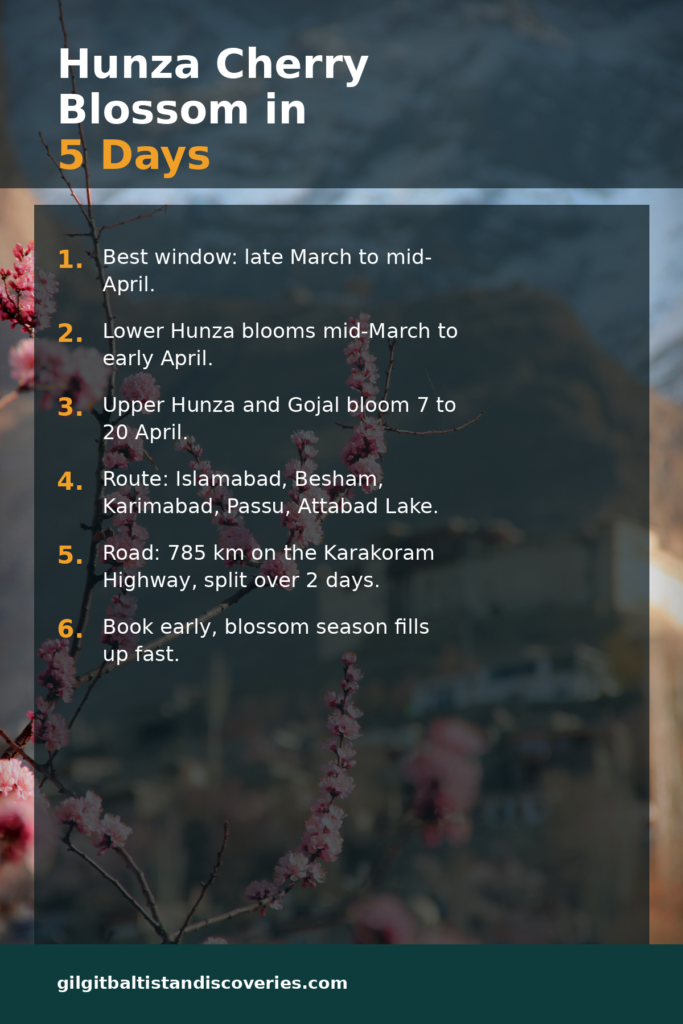
The best Hunza cherry blossom trip runs 5 days from Islamabad in late March to mid-April. Drive the Karakoram Highway to Karimabad over two days, spend a full day on Baltit and Altit Forts, then chase the bloom uphill to Duikar, Ghulkin, Passu and Attabad Lake. Babusar Pass is closed until around June 2027, so the spring route goes via Besham. Bloom moves uphill with the season, so your exact week decides which valley is at its best.
The 5 Days at a Glance
| Day | Route | What you do |
|---|---|---|
| 1 | Islamabad to Besham (or Chilas) | Full day on the Karakoram Highway, overnight on the road |
| 2 | Besham to Karimabad | Drive through Dasu, Chilas, Raikot Bridge and Gilgit, arrive in Karimabad |
| 3 | Karimabad | Baltit Fort, Altit Fort and blossom walks in the lower valley |
| 4 | Duikar, Ghulkin, Passu and Attabad Lake | Sunrise at Eagle’s Nest, then up the valley to Gojal |
| 5 | Karimabad toward Islamabad | Long drive back down the Karakoram Highway, overnight in Besham or Chilas |
When should you go to Hunza for cherry blossom?
Blossom does not happen all at once in Hunza. The valley climbs from about 2,000 metres at the river to over 2,400 metres at Karimabad and higher still toward Gojal, and the bloom follows the altitude uphill as spring warms. That is the whole trick of this itinerary. You start low and finish high, so you meet the bloom wherever it is that week.
| Zone | Typical bloom window |
|---|---|
| Lower Hunza, Karimabad, Aliabad and Altit | Mid-March to early April |
| Central Hunza | Late March to early April |
| Upper Hunza and Gojal, Ghulkin, Passu and Attabad Lake | 7 to 20 April |
| Sweet spot for the whole valley | Late March to mid-April |
These are typical ranges, not promises. Bloom shifts a week or two each year with winter snow and spring temperatures, so confirm conditions locally before you travel. Our full timing guide is the Best Time for Cherry Blossom in Gilgit-Baltistan, and the valley by valley detail is in our Cherry Blossom in Hunza Valley guide.
Pick your week
Travel 20 to 28 March. Lower Hunza is in full bloom and upper Hunza is still bare. Day 3 is your peak day. If your dates cover 21 March, Navroz is celebrated at Karimabad Polo Ground, and the valley has a festival feel.
Travel 29 March to 6 April. Central Hunza is at its peak, lower Hunza is still good, and upper Hunza is just starting. This is the safest week if you can only pick one, because something is blooming at every altitude.
Travel 7 to 18 April. Upper Hunza and Gojal are at their peak, from 7 to 20 April. Lower Hunza blossom is fading by then, but the orchards are still pretty and the crowds are thinner. Day 4 becomes your best day, not Day 3.
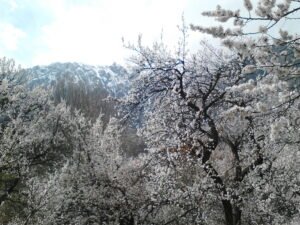
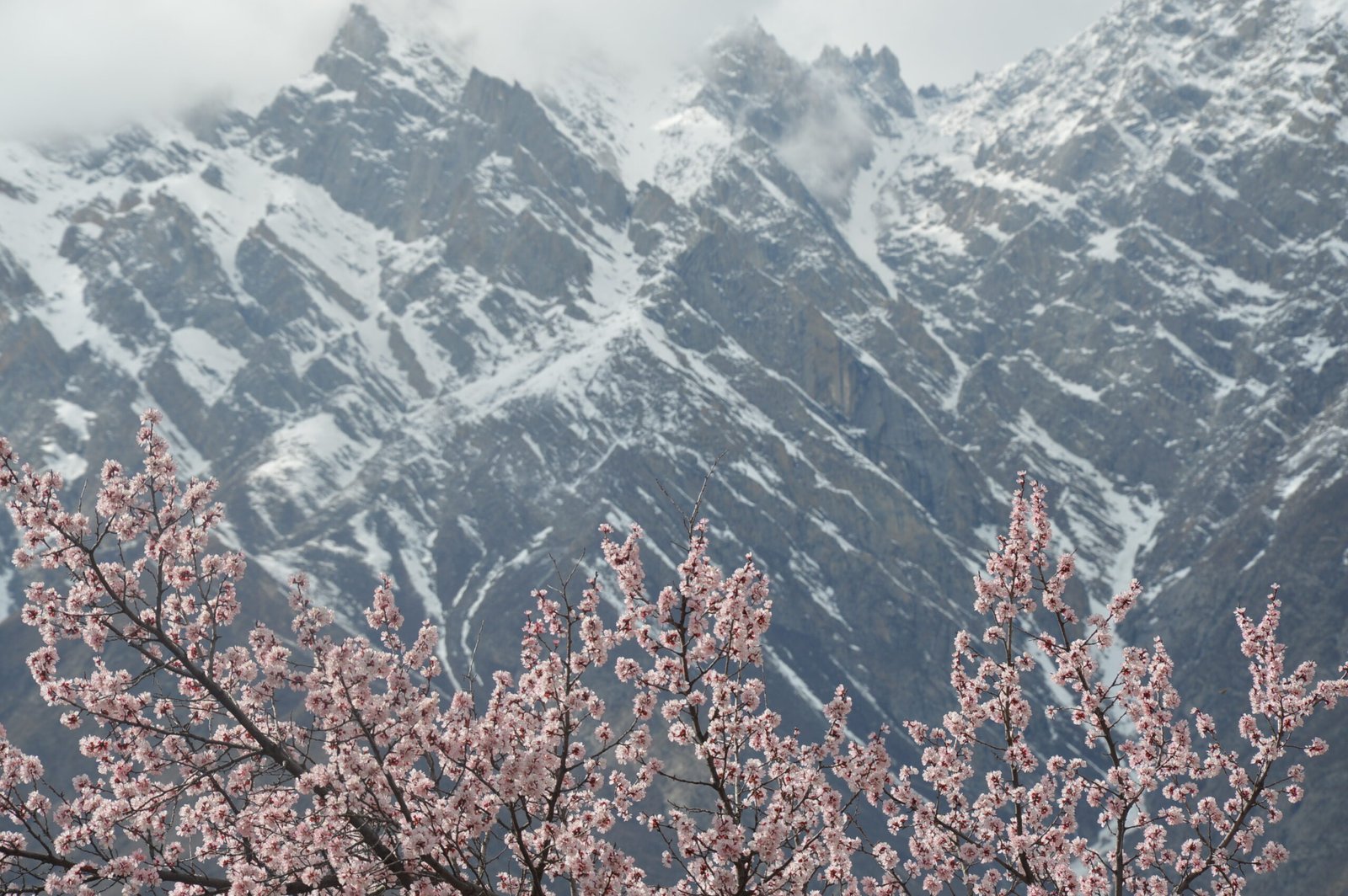
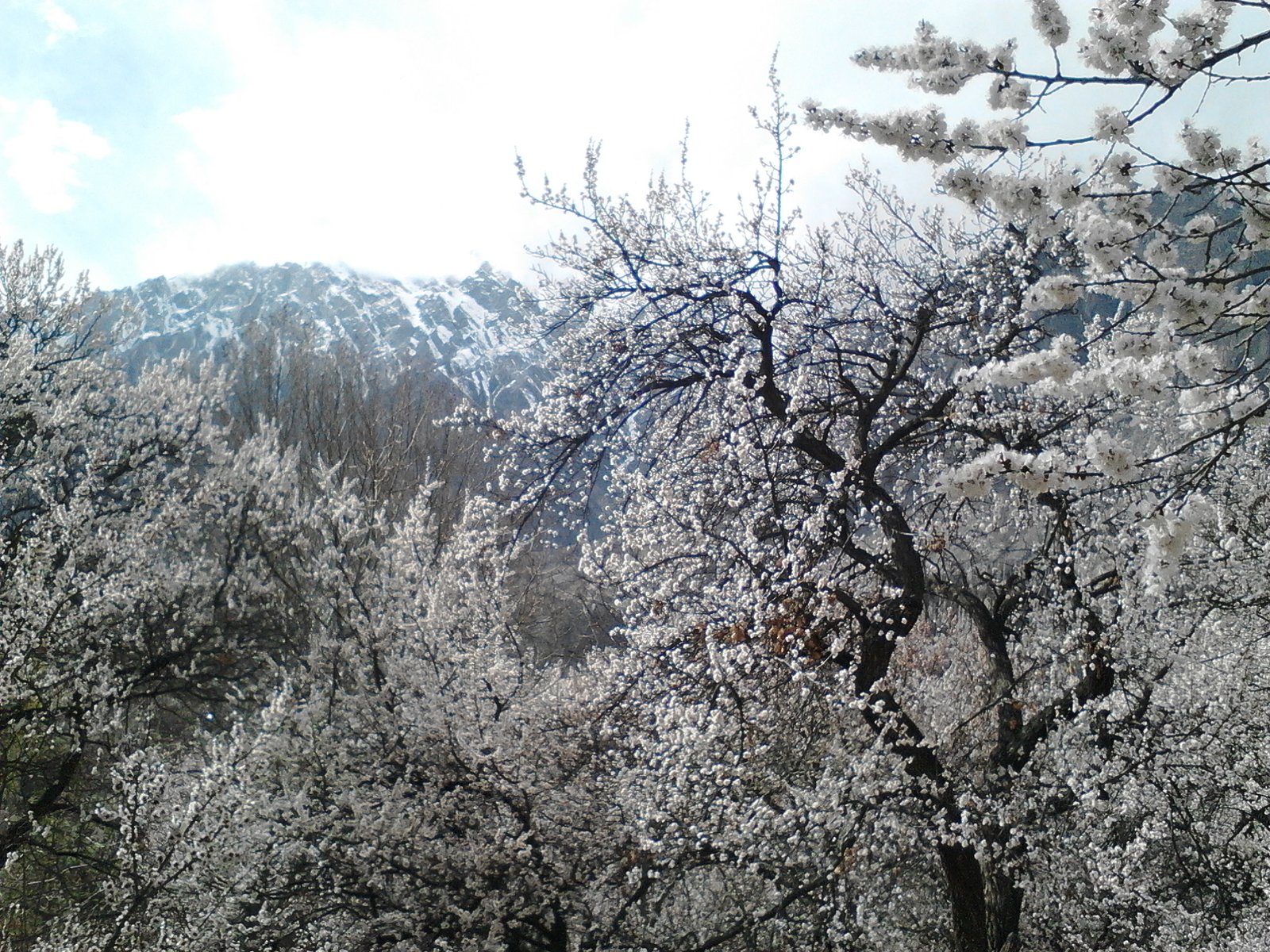
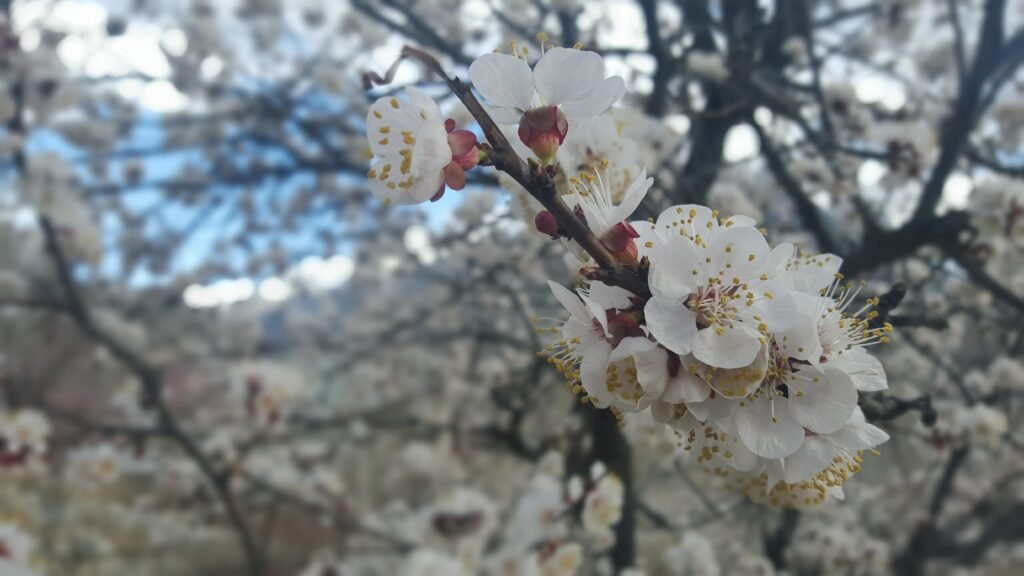
One honest note before you plan. Most of the blossom on display in Hunza is apricot, not cherry. Cherry trees grow here, but apricot orchards cover far more of the valley floor, so the pink and white display you see from the road is mostly apricot. The effect from a viewpoint is just as good, and this guide calls it blossom throughout for that reason.
Day 1: How do you get from Islamabad to Besham?
Leave Islamabad at first light. The Karakoram Highway is the only road route to Hunza in spring, and it is a full day on the road to Besham or Chilas, the usual overnight stops. The route runs through Abbottabad and Mansehra, then into the Indus gorge at Besham, and the scenery changes every hour, from green hills to steep rock walls.
Do not try to reach Hunza in one day. The full drive from Islamabad to Karimabad is about 785 km and 15 to 18 hours on this road, and nobody sensible does it without stopping. Plan the night in Besham or Chilas, eat early, and sleep early, because Day 2 is another long day.
Two things to settle before you leave Islamabad. First, Babusar Pass is closed. It shut on 11 October 2026 for the season and is not expected to reopen until around June 2027, so the shorter Naran and Babusar shortcut, about 690 km and 12 to 14 hours in summer, is not an option for a spring trip. Second, check the road. Landslides can close sections of the Karakoram Highway for a day or more, and spring melt makes them more likely, not less. Ask your driver or hotel for the latest road status the evening before you travel, and keep a buffer day in your plan if you can.
Day 2: What is the drive from Besham to Karimabad like?
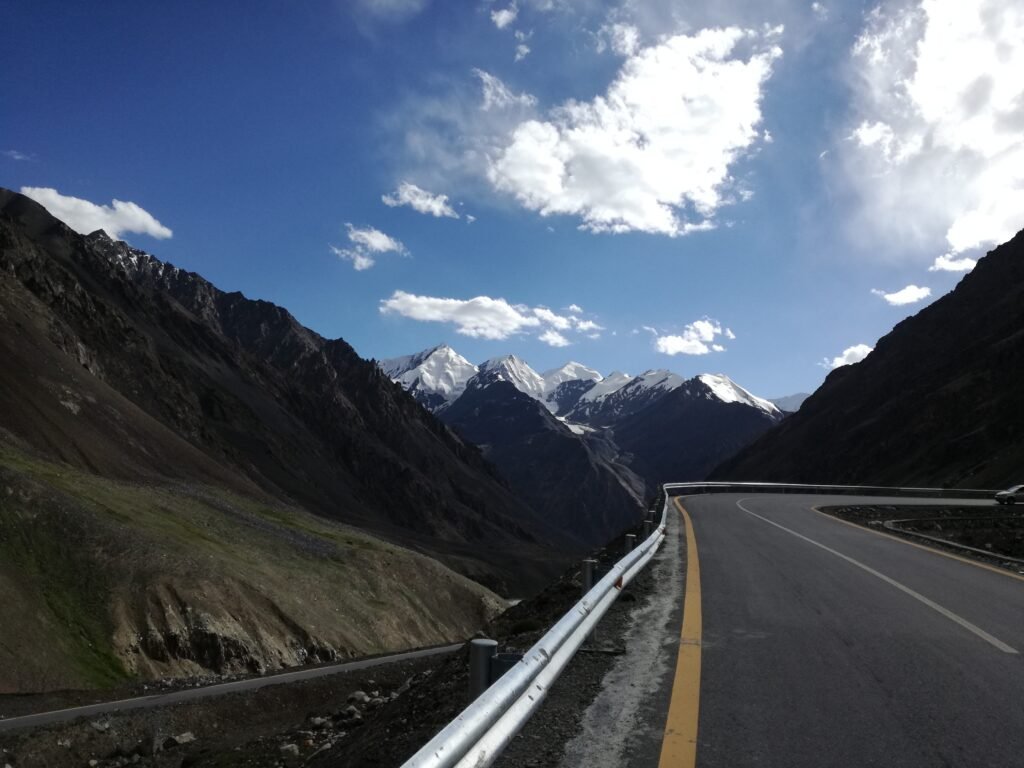
Day 2 is the long one, and it is also the most scenic. From Besham the road follows the Indus through Dasu and Chilas, past the Raikot Bridge, which is the turnoff for the jeep track to Fairy Meadows, then on to Gilgit and the climb to Karimabad. From Gilgit airport to Karimabad is about 100 km, a 2 to 2.5 hour drive up the Karakoram Highway.
Aim to reach Karimabad in the late afternoon, while there is still light. The valley opens up as you climb, and the first sight of Rakaposhi above the orchards is the moment the trip starts. Settle into your stay, then take a short evening walk around Karimabad. The lower orchards should already be in bloom if you are travelling in late March, and the walk is an easy way to shake off two days in a car.
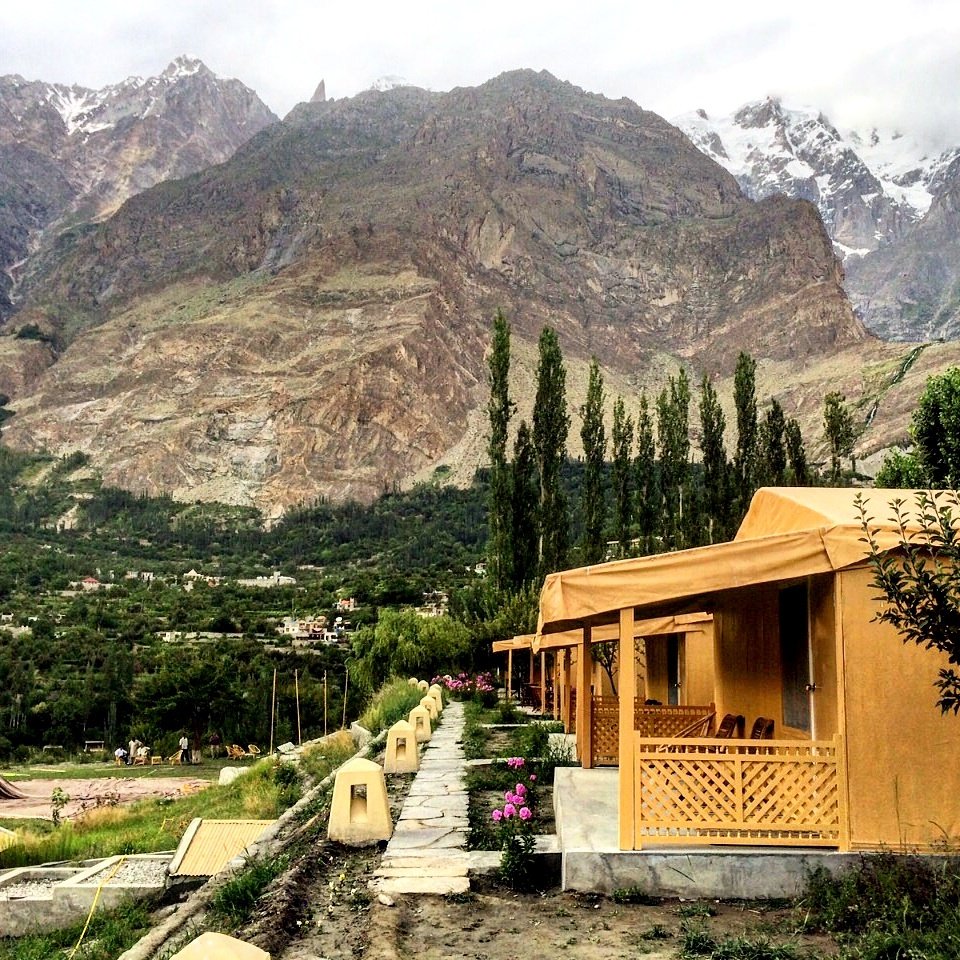
Base yourself in Karimabad for the next three nights. It sits in the middle of the lower valley, close to both forts, and most blossom walks start from there. Book early, because rooms fill up fast in the last week of March and the first two weeks of April. Our Karimabad guide covers the town in detail.
Day 3: What do you do in Karimabad, Baltit Fort and Altit Fort?
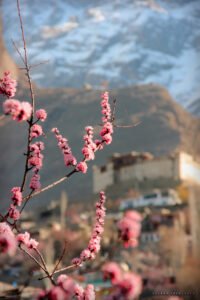
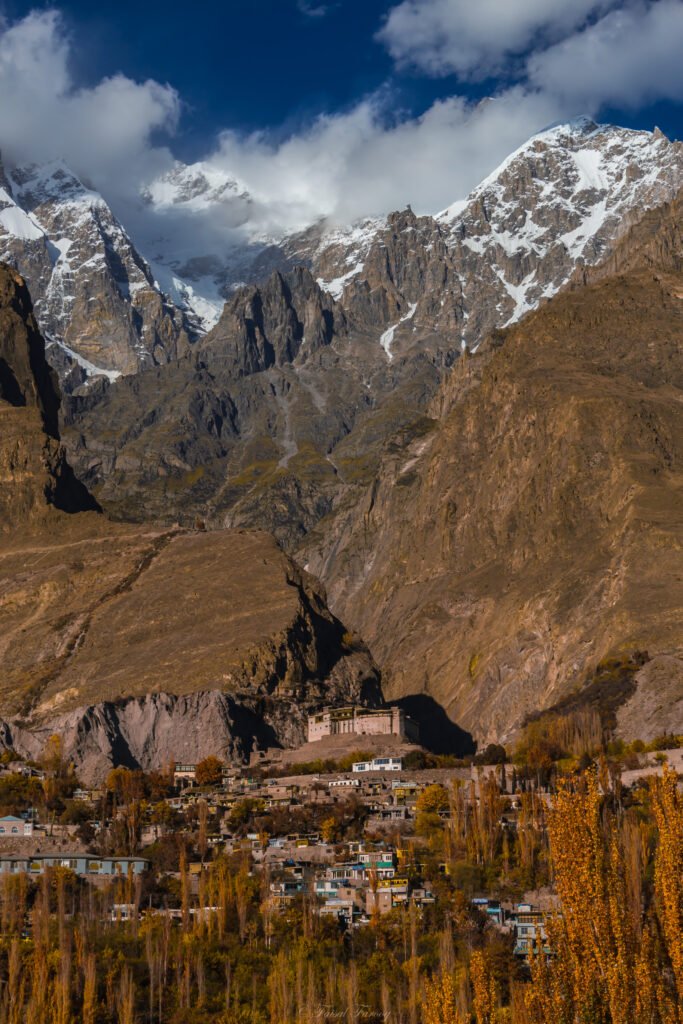
Day 3 is your lower valley day, and if you are travelling in late March it is your peak blossom day. Start at Baltit Fort above Karimabad. The fort is about 700 years old and sits on a rock above the town, and the orchards below it are the classic blossom view in Hunza. Then walk down to Altit Fort, the older of the two, in the village of Altit. The walk between the two forts passes through terraces and orchards, and in blossom season it is the best slow walk in the valley.
Spend the afternoon on foot in the villages. Karimabad, Aliabad, Altit and Ganish all have old lanes, apricot orchards and views back toward the forts, and walking is the only way to see them properly. This is also the day to slow down. Blossom season is short and the light changes fast in the mountains, so the best photos come from being out in the orchards in the early morning and the late afternoon, not from a car window at noon.
For the practical detail on reaching Hunza and what the trip costs, see our How to Get to Hunza Valley guide and our Hunza Valley Trip Cost guide.
Day 4: Why go up to Duikar, Ghulkin, Passu and Attabad Lake?
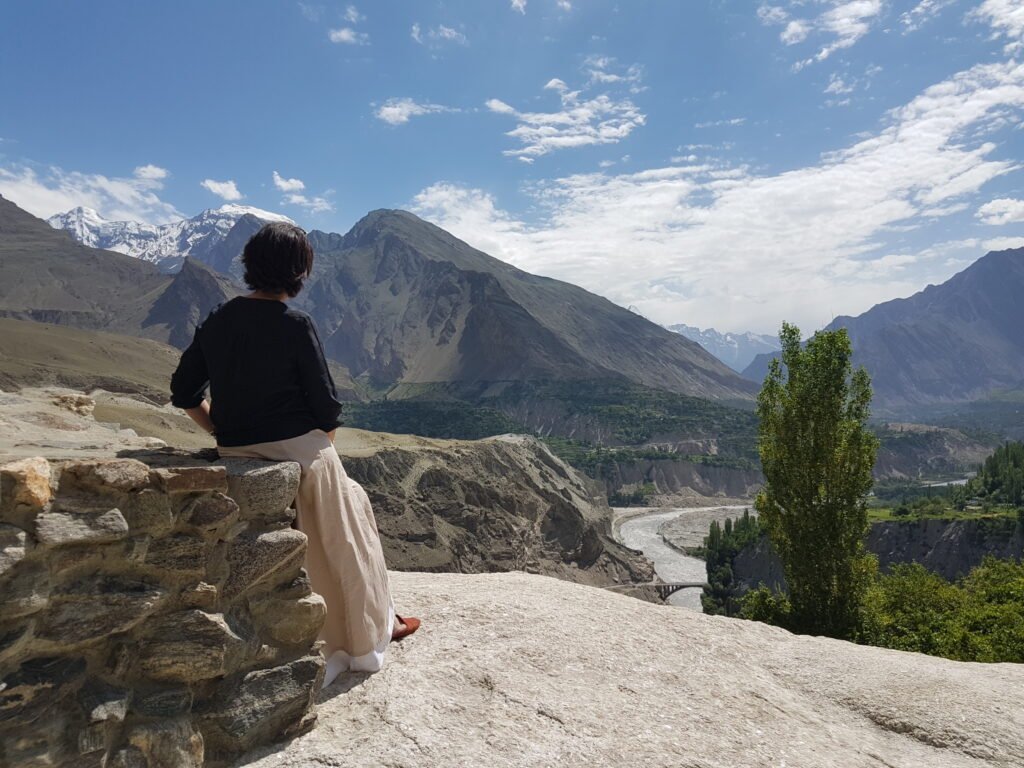
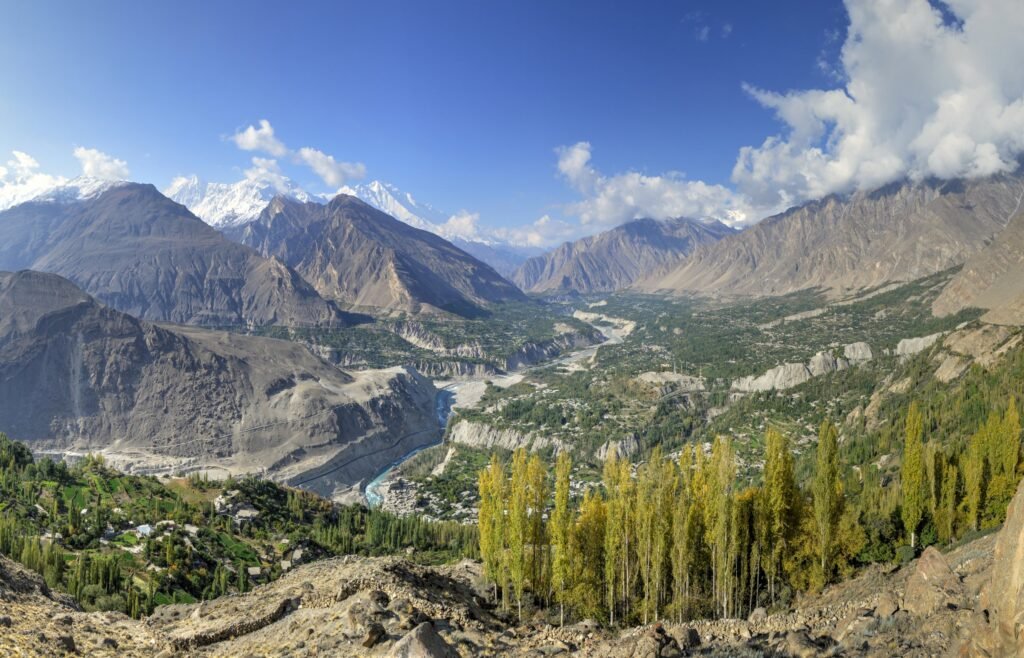
Day 4 is the day you chase the bloom uphill. Start before sunrise with the drive up to Duikar village, where the Eagle’s Nest viewpoint looks over the whole valley. On a clear morning you can see Rakaposhi, Ultar, Ladyfinger and the Hunza valley floor in one view, and in April the orchards below are a patchwork of pink and white.
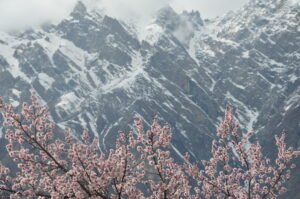
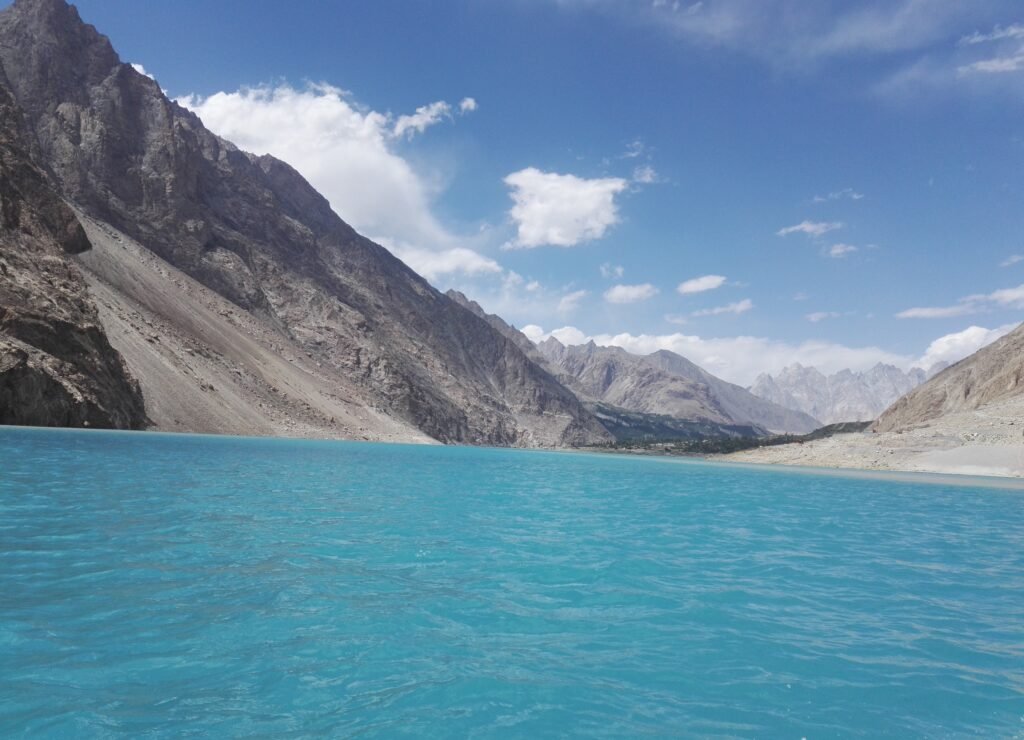
Then drive up the Karakoram Highway into Gojal. The road passes Attabad Lake first, the long turquoise lake formed by a landslide in 2010, then Gulmit, then Ghulkin village, then Passu, with the Passu Cones rising above the road. If you are travelling between 7 and 20 April, this is where the bloom is at its best, and the contrast of blossom against snow peaks and the blue lake is the strongest sight of the trip.
A note on Ghulkin. The village is a quiet stop with old houses and orchards, and it is worth an hour on foot if your driver knows the lanes. We could not verify a licence-checked photo of Ghulkin village itself on Wikimedia Commons, so the photos here show the viewpoints and the lake instead. Do not expect a resort town. Gojal is a working valley, and that is the point.
Day 5: How does the return to Islamabad work?
Day 5 is a travel day, and you should be honest with yourself about it. Leave Karimabad at first light and drive the Karakoram Highway back down toward Islamabad. The road is the same 785 km in reverse, so you will not reach Islamabad the same day. Plan an overnight stop in Besham or Chilas, then a half day drive into Islamabad the next morning.
That means a 5 day road itinerary really ends on the morning of day 6. If you must be in Islamabad on the evening of Day 5, the only way is to fly. Gilgit to Islamabad takes about an hour in the air, and from Gilgit airport Karimabad is about 100 km, a 2 to 2.5 hour drive. But Gilgit flights are cancelled often in mountain weather, sometimes for days, so never build a tight plan around one. If you fly, keep the road as your backup and never book a same-day international connection after a Gilgit flight.
How else can you get to Hunza?
The road is the reliable way in spring, but it is not the only way. PIA flies from Islamabad to Gilgit in the morning, and the flight itself is barely an hour, with Nanga Parbat filling the window on a clear day. The catch is the weather. Gilgit airport sits in a mountain valley and the flight only operates in clear weather at both ends, so whole days of flights can be cancelled in a single storm. The bus is the cheapest option. NATCO runs from Rawalpindi and Islamabad to Gilgit overnight, then local transport on to Hunza, but it is a slow 16 to 18 hour journey and fixed evening departures. A private car with a driver is the easiest option for first timers, because someone else handles the mountain road, the checkpoints and the plan B. Full detail on every option, with distances and drive times, is in our How to Get to Hunza Valley guide.
What should you pack for a spring trip to Hunza?
Spring in Hunza is two seasons in one day. Mornings and evenings are cold, especially at Duikar and in Gojal, while midday in the lower valley can be warm in the sun. Pack layers you can add and remove, a warm jacket for the sunrise at Eagle’s Nest, sun protection for the high altitude, and good walking shoes for the village lanes and the fort paths. The orchards are muddy after rain and the fort steps are uneven, so leave the smooth-soled shoes at home. Our full What to Pack for Northern Pakistan guide covers the layering system in detail, and our Spring Blossom in Gilgit-Baltistan pillar covers the season valley by valley if you want to extend the trip to Nagar or Skardu.
What does a 5-day blossom trip cost?
This guide gives no prices, because blossom season rates move fast and any number printed here would be stale by spring. What we can say is that blossom season is the busiest spring window in Hunza, rooms in Karimabad fill up in the last week of March and the first two weeks of April, and you should confirm every rate directly before you book. For a realistic range on transport, stays and food, see our Hunza Valley Trip Cost guide, which is checked against current operator and guide sources.
Last updated: 9 November 2026.
Frequently Asked Questions
When is the best time to see cherry blossom in Hunza?
Late March to mid-April is the sweet spot. Lower Hunza blooms from mid-March to early April, central Hunza from late March to early April, and upper Hunza and Gojal from 7 to 20 April. Bloom shifts a week or two each year with the weather, so treat these dates as typical ranges and confirm locally before you travel.
How many days do I need for a Hunza blossom trip?
Five days is the minimum that works by road from Islamabad. The drive each way takes two days on the Karakoram Highway, which leaves two full days in Hunza and one day for the upper valley. A shorter trip only works if you fly to Gilgit, and then you should keep a spare day, because mountain flights are often cancelled.
Can I drive to Hunza in March and April?
Yes, on the Karakoram Highway via Besham and Chilas. That road stays open through winter and is the only road route in spring. Babusar Pass is closed from 11 October 2026 and is not expected to reopen until around June 2027, so the Naran and Babusar shortcut is not an option. Expect delays and never drive at night.
Is the blossom in Hunza cherry or apricot?
Mostly apricot. Cherry trees grow in Hunza, but apricot orchards cover far more of the valley floor, so the pink and white display you see from the road is mostly apricot blossom. The effect is the same from a viewpoint, and photographers should plan for apricot trees around Karimabad, Altit and the villages of Gojal.
Where should I stay during blossom season?
Base yourself in Karimabad. It sits in the middle of the lower valley, close to Baltit and Altit Forts, and most blossom walks start from there. Book early, because rooms fill up fast in the last week of March and the first two weeks of April, and confirm your booking directly before you travel, since small guesthouses change plans quickly.
Can I fly to Hunza for a blossom trip?
You can fly to Gilgit, then drive about 100 km to Karimabad in 2 to 2.5 hours. The flight from Islamabad takes an hour, but Gilgit flights are cancelled often in mountain weather, sometimes for days. Never build an itinerary around a flight. Keep the road as backup, and never book an international connection after a Gilgit flight.
Plan your blossom trip
Blossom season is short, the bloom moves uphill week by week, and the best rooms in Karimabad go first. If you want this itinerary run for you, with the road, the stays and the timing handled by a local team, plan your trip through Explore Nagar Travels on our Plan My Trip page. Tell us your dates and we will shape the 5 days around whichever valley is blooming that week.