Short Answer
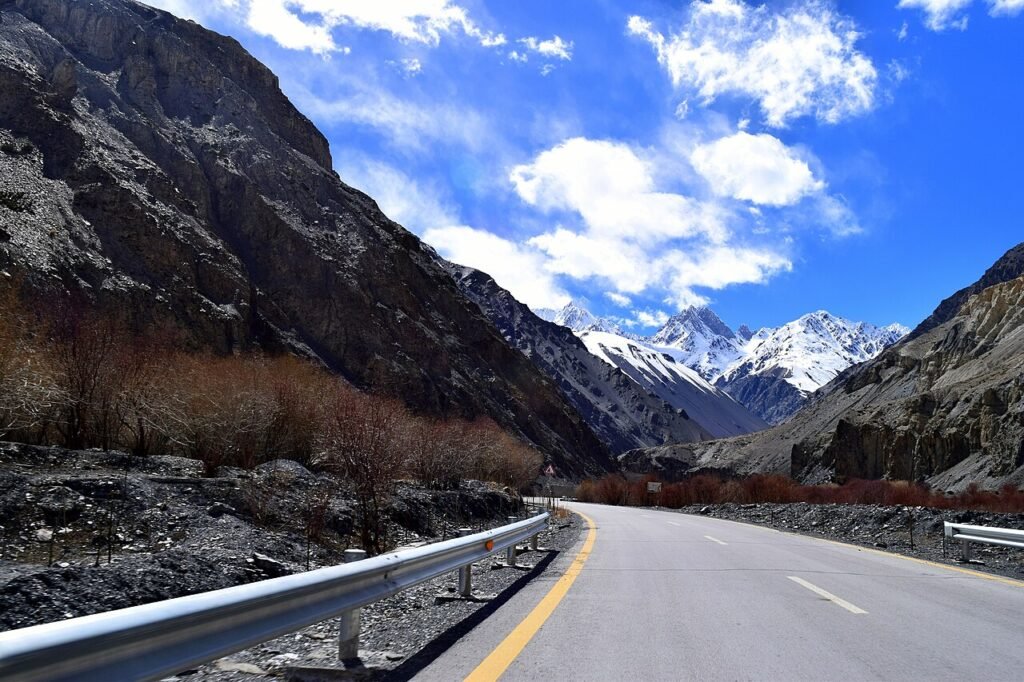
Yes — for most tourists, Gilgit-Baltistan is a realistic and rewarding destination in 2026, provided you plan for mountains rather than a city-style holiday. The main practical risks are mountain roads, sudden weather changes, landslides, altitude, remoteness, and a tight schedule.
In the main tourist valleys — including Hunza Valley, Skardu, Gilgit, and the separate Nagar Valley — visitors are generally welcomed and tourism services are established. Everyday travel follows familiar routines: stay in reputable accommodation, travel in daylight, keep documents handy, and ask local hosts about conditions before setting out.
That does not mean every corner is equally suitable for independent travel. Border-adjacent areas can carry extra restrictions, and some high routes close in winter. Before you travel, check your own government’s current travel advice, and recheck road and weather conditions close to departure. Local advice on the day matters more than any general guide.
What Are the Main Risks in Gilgit-Baltistan?
Risk is not the same everywhere, and it changes with season, route, and experience.
| Topic | Level for most tourists | What it usually means in practice |
|---|---|---|
| Mountain roads | Moderate | Narrow sections, sharp bends, rockfall, and possible landslide delays after rain |
| Weather | Moderate | Sudden rain, snow at height, and flight or road disruption in winter |
| Altitude | Moderate at height | Breathlessness and headaches possible above about 2,500 metres; serious illness must be taken seriously |
| Health and medical access | Moderate in remote areas | Care is easier to reach in towns; remote valleys have fewer facilities |
| Petty crime | Low in main tourist areas | Secure valuables, use reputable transport and stays, avoid isolated walks at night |
| Border areas | Higher / restricted | Extra checks may apply near borders and the Line of Control; do not enter restricted zones |
Is Gilgit-Baltistan Safe for First-Time Visitors?
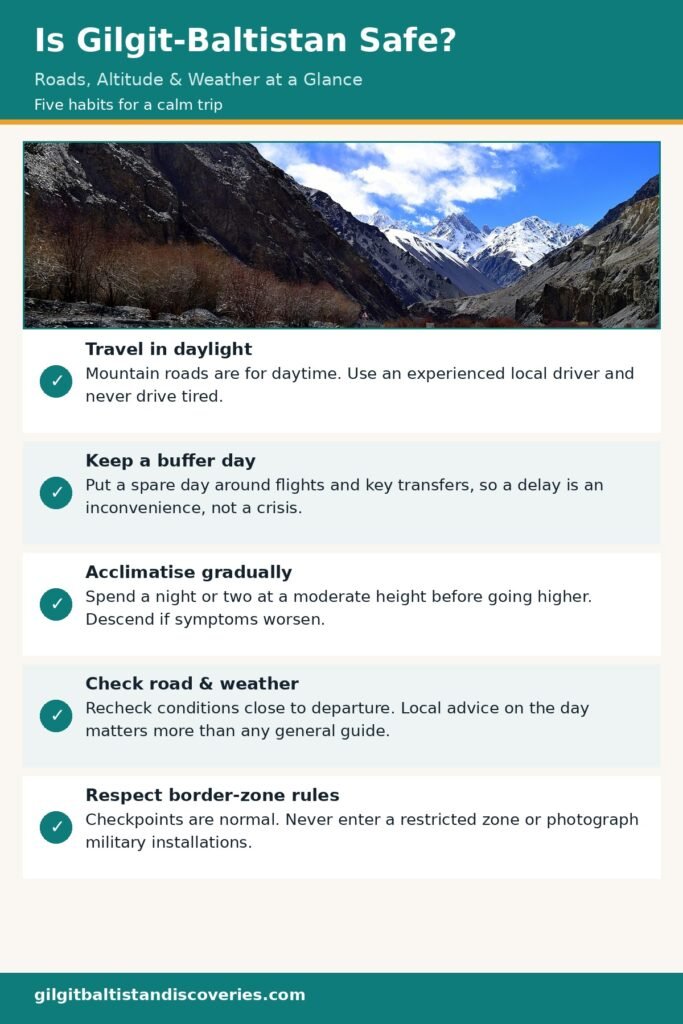
For a first visit, the safest approach is also the simplest: choose well-travelled routes, build in spare days, and do not try to cover too much ground too quickly. A relaxed itinerary in Hunza Valley or around Skardu, with a night or two to settle in before going higher, is far safer than a rushed dash across several valleys.
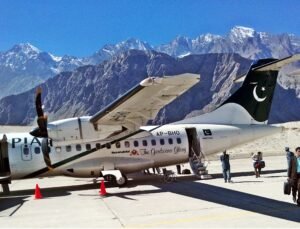
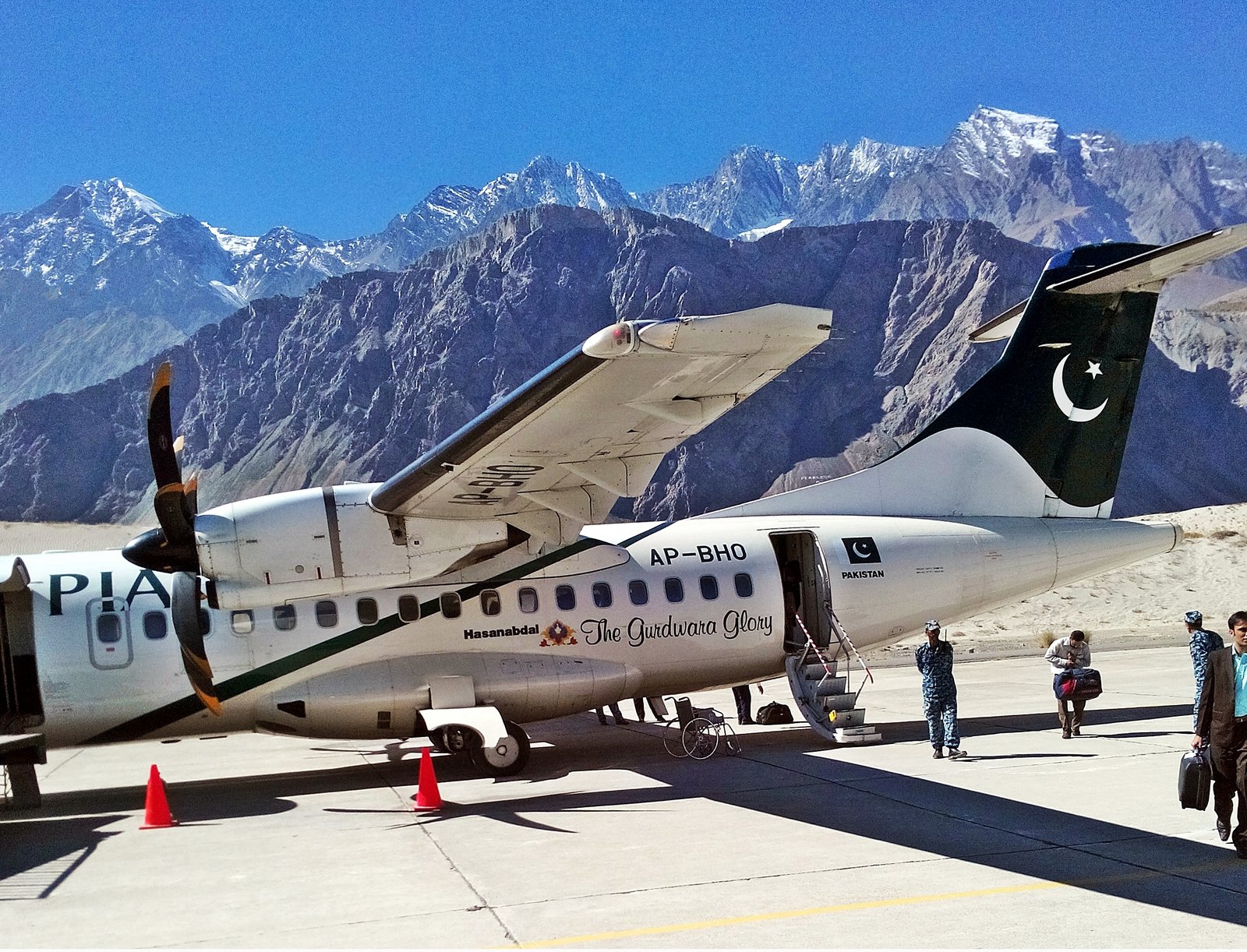
Flying into Gilgit or Skardu can remove a long road journey, although mountain flights can be delayed or cancelled by weather. If you travel by road, use an experienced local driver where possible, travel in daylight, and avoid driving when tired. For route options, see how to travel to Gilgit-Baltistan from Islamabad.
Which Roads Need the Most Care?
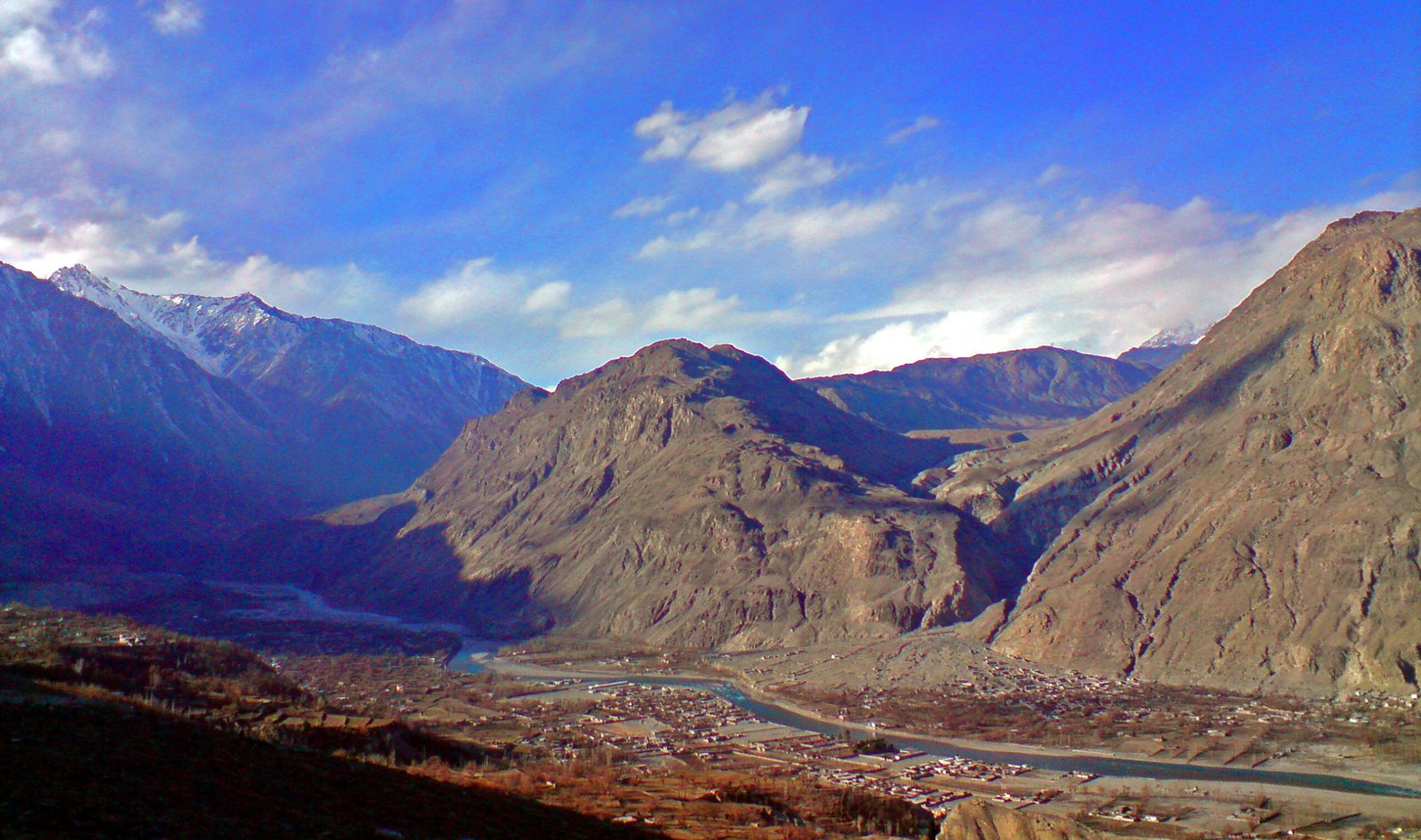
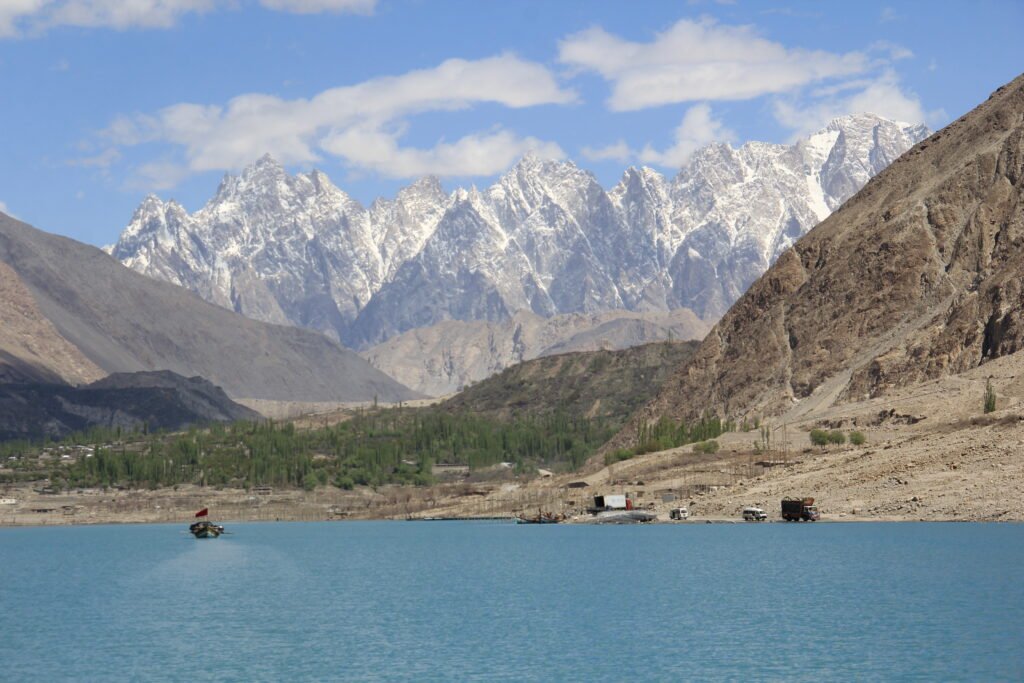
The Karakoram Highway is one of the great road journeys in the world, but it is still a mountain highway: river gorges, landslide-prone sections, and possible temporary closure after heavy rain or rockfall. The Jaglot–Skardu road follows the Indus and needs the same respect — allow plenty of time, expect delays, and never cross a landslide zone or ignore a local closure.
Practical habits make the biggest difference. Check the road position before you leave, keep a buffer day around key transfers, carry water and snacks, keep your phone charged, and tell your hotel where you are heading. A portable charger helps where charging points are scarce; for example, the Anker PowerCore. Download offline maps and keep important numbers on paper as well.
Side roads and jeep tracks deserve extra caution. A track that looks passable in a photograph may be rough, narrow, or exposed after rain. If a local driver or hotel advises against a route, take that advice seriously.
How Should I Handle Altitude?
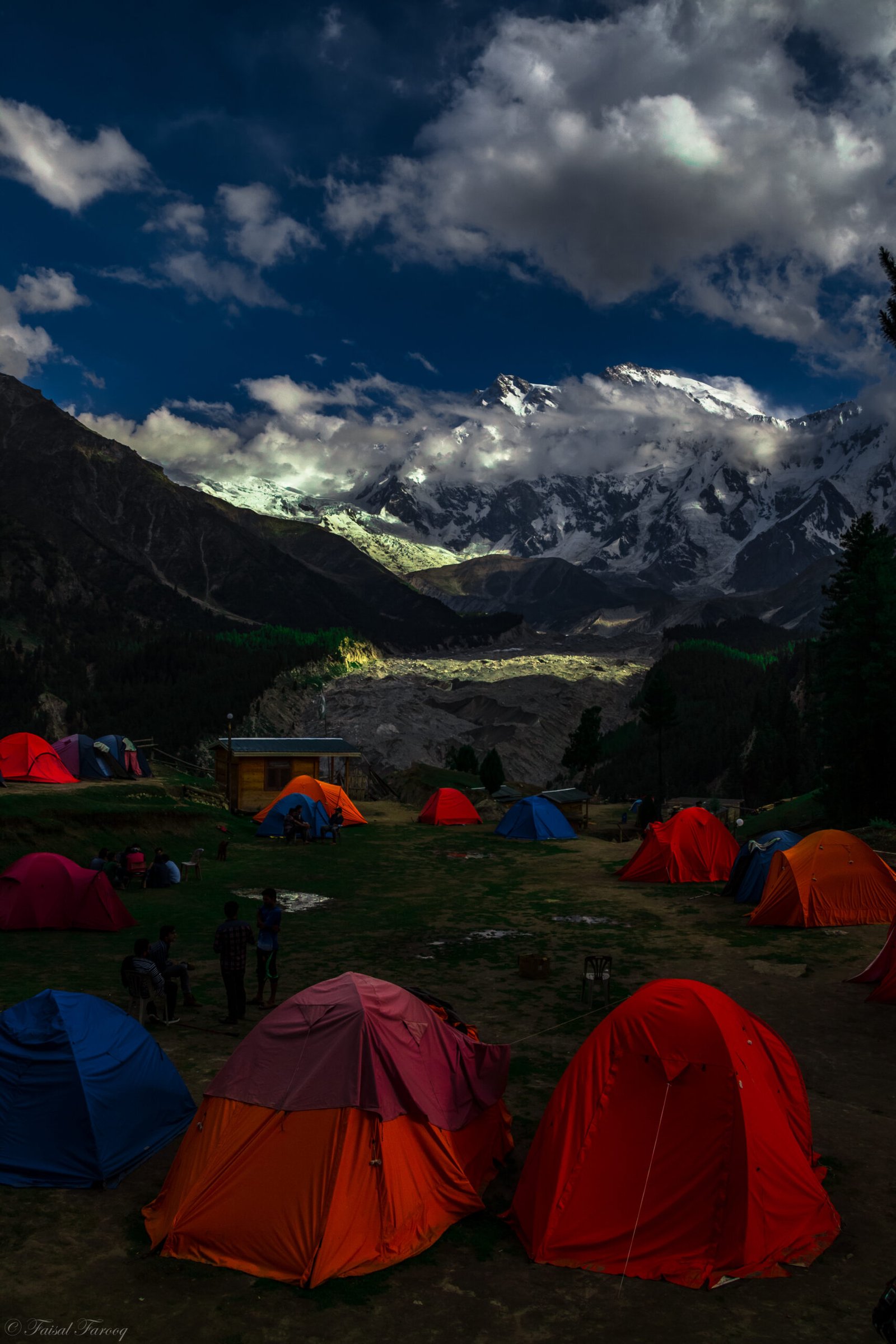
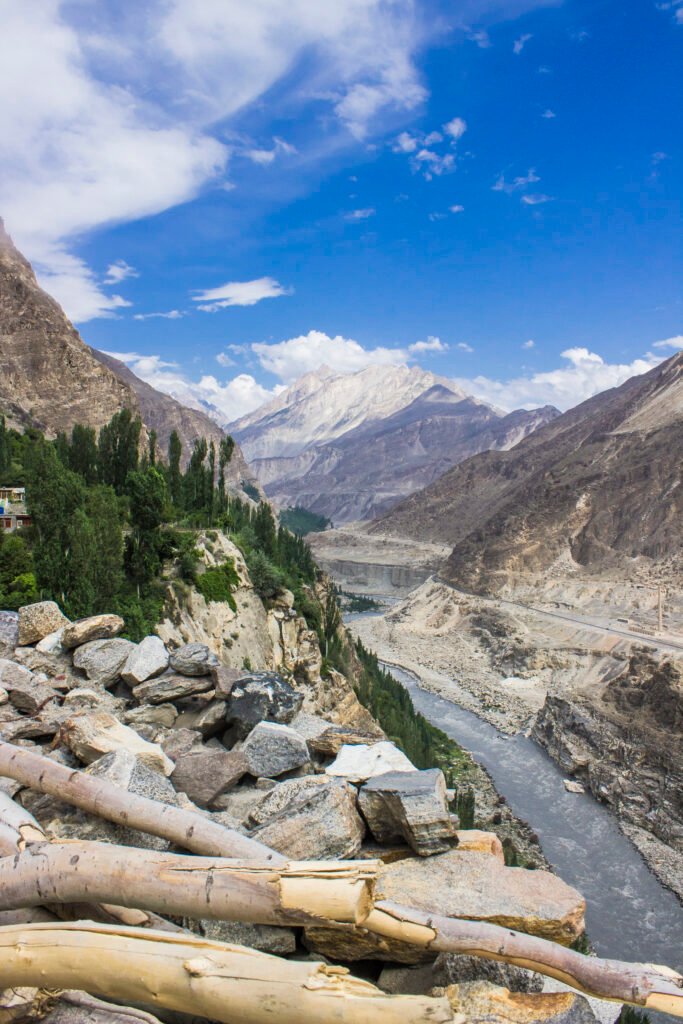
Altitude is a normal part of a Gilgit-Baltistan trip, not a reason to avoid it. A day trip to Khunjerab Pass climbs to about 4,693 metres — a large jump in one day — so headache, breathlessness, tiredness, or poor sleep are possible, especially if you rush, overexert yourself, or arrive dehydrated.
Acclimatise gradually. Spend a night or two at a moderate height before going much higher, ascend slowly, drink water regularly, avoid heavy alcohol use at altitude, and keep the first day at a new height relatively light. If symptoms worsen — persistent vomiting, confusion, breathlessness at rest, or a cough with frothy sputum — descend and seek medical help promptly; do not push on to a higher camp or pass.
Travellers with heart, lung, or other serious health conditions should discuss high-altitude travel with a clinician before booking, and check that travel insurance explicitly covers high-altitude travel and evacuation where available.
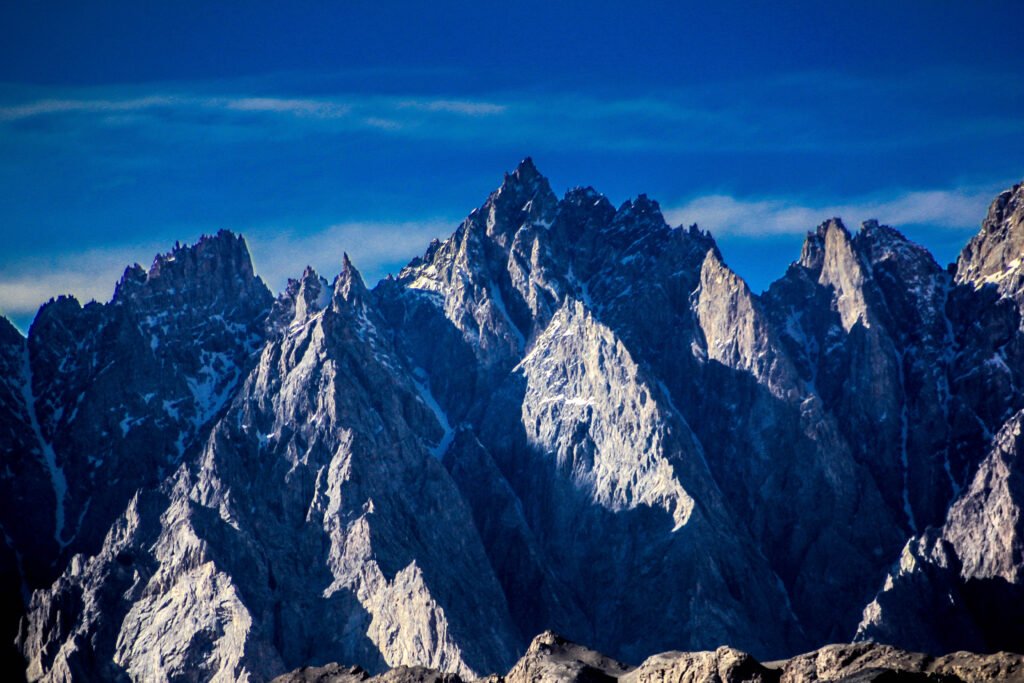
What About Weather and the Best Time to Go?
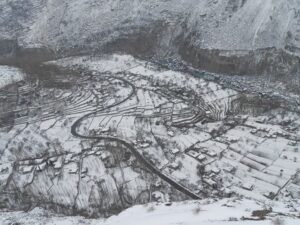
Weather is the factor most likely to change your plans. Summer brings the most reliable access to high passes and trekking routes, while autumn brings clear air and golden trees in many valleys. Winter can be beautiful, but snow may close high passes and disrupt flights; in spring, some high routes may still be closed.
For a fuller seasonal breakdown, see the best time to visit Gilgit-Baltistan. Whatever the season, pack layers, sun protection, and waterproofs, and treat forecasts as guidance rather than guarantees. A flexible day is often the difference between a stressful trip and a calm one.
Are Border Areas Safe to Visit?
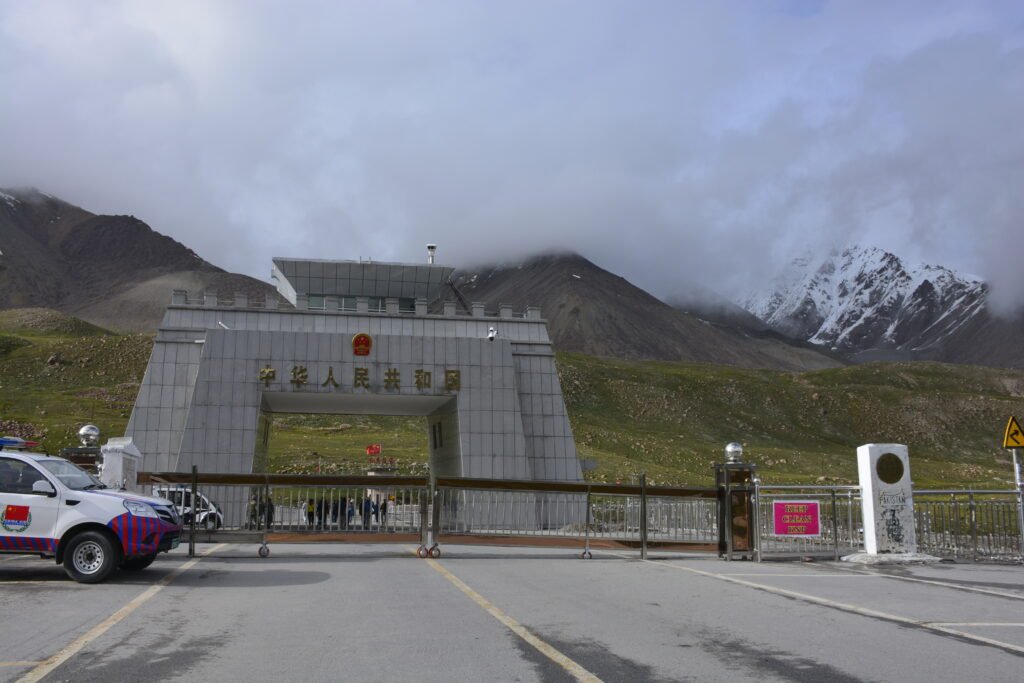
Most tourist itineraries do not need to go near a sensitive border zone, and that is the simplest way to stay clear of the main restrictions. Some areas near international borders and the Line of Control have checkpoints, permit requirements, or access limits, and those rules can change. Do not enter a closed or restricted area, do not photograph military installations or checkpoints, and follow officials’ instructions at checkpoints.
Carry your passport and visa documents, with copies kept separately. Checkpoints on main routes are normal, so allow time for them and keep documents easy to reach. If you are unsure whether a valley, pass, or viewpoint is open to visitors, ask your hotel, guide, or a local tourism office before going.
Is Gilgit-Baltistan Safe for Solo Travellers and Women Travellers?
Solo travel in the main tourist valleys is common, and many solo visitors report warm, helpful encounters with local people. The same practical rules apply: choose reputable accommodation, let someone know your plans for the day, travel in daylight on longer journeys, and use drivers or guides recommended by your hotel or a trusted local operator.
For women travellers, general good practice includes dressing modestly, particularly in villages, religious sites, and smaller towns, and being mindful of local norms around greetings and photography. This is about respect and comfort as much as safety. Ask before photographing people, especially women and children, and accept a refusal graciously.
No destination is free of risk. If a situation feels wrong, trust that instinct, move to a busier place, and contact your hotel or a local operator.
How Do I Stay Healthy and Connected?
Health preparation is mostly unglamorous: bring prescribed medication with a margin for delays, carry a basic first-aid kit, drink treated or bottled water where local advice recommends it, and protect yourself from sun and cold at the same time. At high altitude, sunburn can happen even on a cold, cloudy day.
Connectivity is good in main towns but patchy in remote valleys. Do not plan a tight onward connection that depends on a last-minute message getting through. Share your itinerary with someone at home, agree on check-in times, and keep a buffer day before an international flight home.
What Should I Do If Plans Go Wrong?
Build the trip so that a delay is an inconvenience, not a crisis: spare days, flexible accommodation, and no non-refundable connection immediately after a mountain flight or long road journey. If a road closes, stay where you are, follow local advice, and wait for an official update rather than trying an unofficial detour.
Keep emergency numbers saved offline, know the nearest hospital in the town where you are staying, and carry enough cash for a day or two, since card payments and ATMs may not always be available in smaller places.
A Sensible Itinerary Approach
If you want a gentle introduction, a week in one valley usually beats a rushed tour of three. A 7-day Hunza Valley itinerary gives time to acclimatise and add a Khunjerab Pass day trip without rushing. A 5-day Skardu itinerary offers a similar balance, with room for weather delays.
Whichever route you choose, the safest trip is usually the one with the fewest forced marches: one valley done well, daylight travel, a buffer day, and local advice followed on the day.
Frequently Asked Questions
Is Gilgit-Baltistan safe for tourists in 2026?
Yes, for most tourists visiting the main valleys, Gilgit-Baltistan is a practical destination in 2026 when trips are planned carefully. The main risks are mountain roads, weather, altitude, and remoteness, rather than everyday sightseeing in established tourist towns. Always check your own government’s current advice before travelling.
Is Gilgit-Baltistan safe for solo travellers and women?
Yes, solo travel and women’s travel are common in the main tourist valleys, with normal precautions. Choose reputable accommodation, travel in daylight on longer routes, dress modestly in villages and religious sites, and let someone know your daily plans. If a situation feels uncomfortable, move to a busier place and seek local help.
What is the most dangerous part of visiting Gilgit-Baltistan?
Mountain travel itself, rather than any single place, carries the greatest practical risk. Landslides, rockfall, sudden weather changes, narrow roads, and altitude can disrupt plans and cause injury. Travelling in daylight, using experienced local drivers, allowing buffer days, and respecting closures reduce that risk more than any other single precaution.
Do I need a guide or a special permit for Gilgit-Baltistan?
Most standard tourist areas do not require a guide or a special permit beyond a valid passport and visa, although checkpoints are normal on main routes. Border-adjacent areas may have extra rules, so confirm access locally before visiting them. A reputable local guide is strongly recommended for remote valleys, jeep tracks, and high treks.
When is the safest time to visit Gilgit-Baltistan?
Late spring through autumn generally offers the most reliable access, with summer best for high passes and autumn best for clear air and fewer crowds. Winter travel is possible in main towns but high routes may close and flights may be disrupted. Whatever the season, keep a buffer day and recheck road and weather conditions before departure.
Last updated: 28 October 2026