Last updated: 28 October 2026
Short Answer
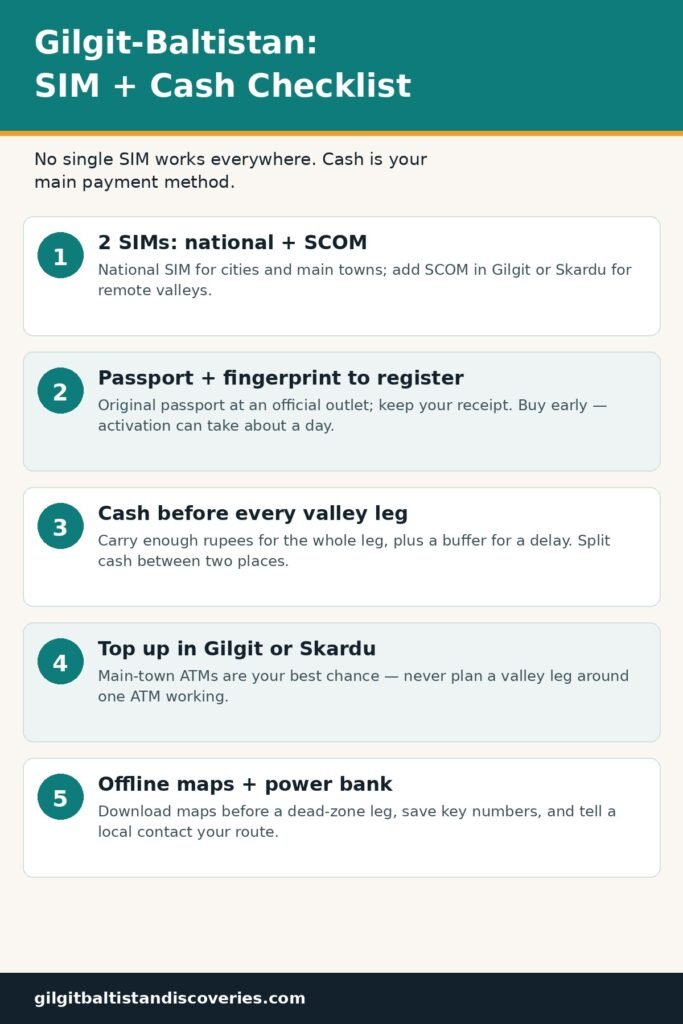
Buy a national SIM for Pakistan’s cities and add SCOM, Gilgit-Baltistan’s regional operator, once you reach the north — and carry Pakistani rupees in cash. No single SIM works everywhere here: national networks serve main towns, SCOM is usually strongest in remote valleys, and some high places have no signal at all. ATMs exist in main towns but can run dry or refuse foreign cards, so treat cash as your main payment method.
Which SIM should I buy for Gilgit-Baltistan?
Start with the route, not the brand. A national SIM keeps you connected south of the mountains and in the main northern towns. Once you are in Gilgit or Skardu, add SCOM if your phone has a second SIM slot. That two-SIM approach is the recurring advice in recent traveller guides, and it matches the geography: towers cluster in towns and along the Karakoram Highway, then thin out in side valleys, gorges and high plateaus.
Do not expect one purchase to cover the whole trip. Reports differ on which national network is strongest in a particular valley, and coverage changes as new sites are added. A SIM that works in Karimabad may be weak in Upper Hunza, and one that works in Skardu town may be useless on the Deosai plateau. Download offline maps before leaving a main town, and tell your guesthouse, driver or guide where you are heading if you will be out of signal.
SCOM is the mobile service of the Special Communications Organization (SCO), the regional operator for Gilgit-Baltistan and Azad Jammu and Kashmir. Its data service is known as SNET. In the Pakistan Telecommunication Authority’s second-quarter 2026 quality survey, SCOM ranked first for 4G coverage across the six surveyed locations, including Astore, Gorkot and Rattu in Gilgit-Baltistan. That is a useful signal, not a promise for every valley: the survey covered selected locations only.
How do SCOM, Zong, Jazz and Telenor compare?
Think in three layers: main towns, the Karakoram Highway corridor, and remote valleys. Zong has expanded 4G in main towns, including Gilgit, Hunza and Skardu, through a partnership with SCO, with 59 4G sites reported across more than 15 cities. Telenor has likewise launched or upgraded 4G in Hunza, Gilgit and Skardu. Jazz is Pakistan’s largest operator and works well in cities and main bazaars, but thins out in smaller valleys. Ufone is generally reported as weakest in the north.
| Network | Where it works best | Main limitation |
|---|---|---|
| SCOM (SCO / SNET) | Remote valleys, Upper Hunza, Ghizer, parts of Baltistan | Regional SIM: buy it in the north |
| Zong | Gilgit, Karimabad, Skardu; Karakoram Highway corridor | Drops in gorges and side valleys |
| Jazz | Southern cities and main northern bazaars | Thins out outside main towns |
| Telenor | Gilgit, Skardu and Hunza town coverage | Weaker on the upper Karakoram Highway |
| Ufone | City voice and data elsewhere in Pakistan | Often weakest in the north |
Hunza and Nagar are separate districts and valleys, even though they are often mentioned together. Do not assume coverage in one means the same in the other. Likewise, Skardu town coverage does not guarantee coverage in Shigar, Khaplu, or on a trekking route.
Where can I buy a SIM, and what ID do I need?
For a national SIM, use official counters at Pakistan’s main international airports or official stores in cities. For SCOM, look for official SCO franchise stores in main northern towns such as Gilgit and Skardu. Buy only from an official outlet, keep your receipt, and avoid roadside sellers: improperly registered SIMs can be blocked.
SIM registration in Pakistan requires identity and biometric verification. For visitors, opened sources consistently describe the same documents: your original passport — not a photocopy or phone photo — plus visa details if asked, and a fingerprint scan at the point of sale. One Skardu guide notes the Zong example for foreigners and Pakistan Origin Card holders: a service centre visit with passport and valid visa or card, validity following the visa or card, and a maximum of two SIMs. Confirm whether that limit applies to your operator at the counter.
Activation is not always instant. One long-standing guide notes that a foreign visitor’s SCO SIM bought in Gilgit usually takes about 24 hours to activate, so buy early, not on the morning you head into a remote valley. Ask at the counter, before paying, for the current bundle’s data allowance, validity, and where it works. This guide gives no package prices or allowances, deliberately: they change often and unverified figures would mislead. Separately, check handset registration: the Authority has announced temporary phone registration for overseas Pakistanis and foreign nationals for up to 120 days per visit.
What happens when the signal disappears?
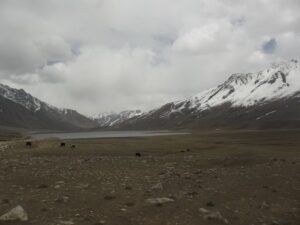
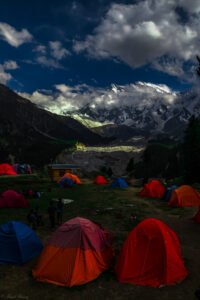
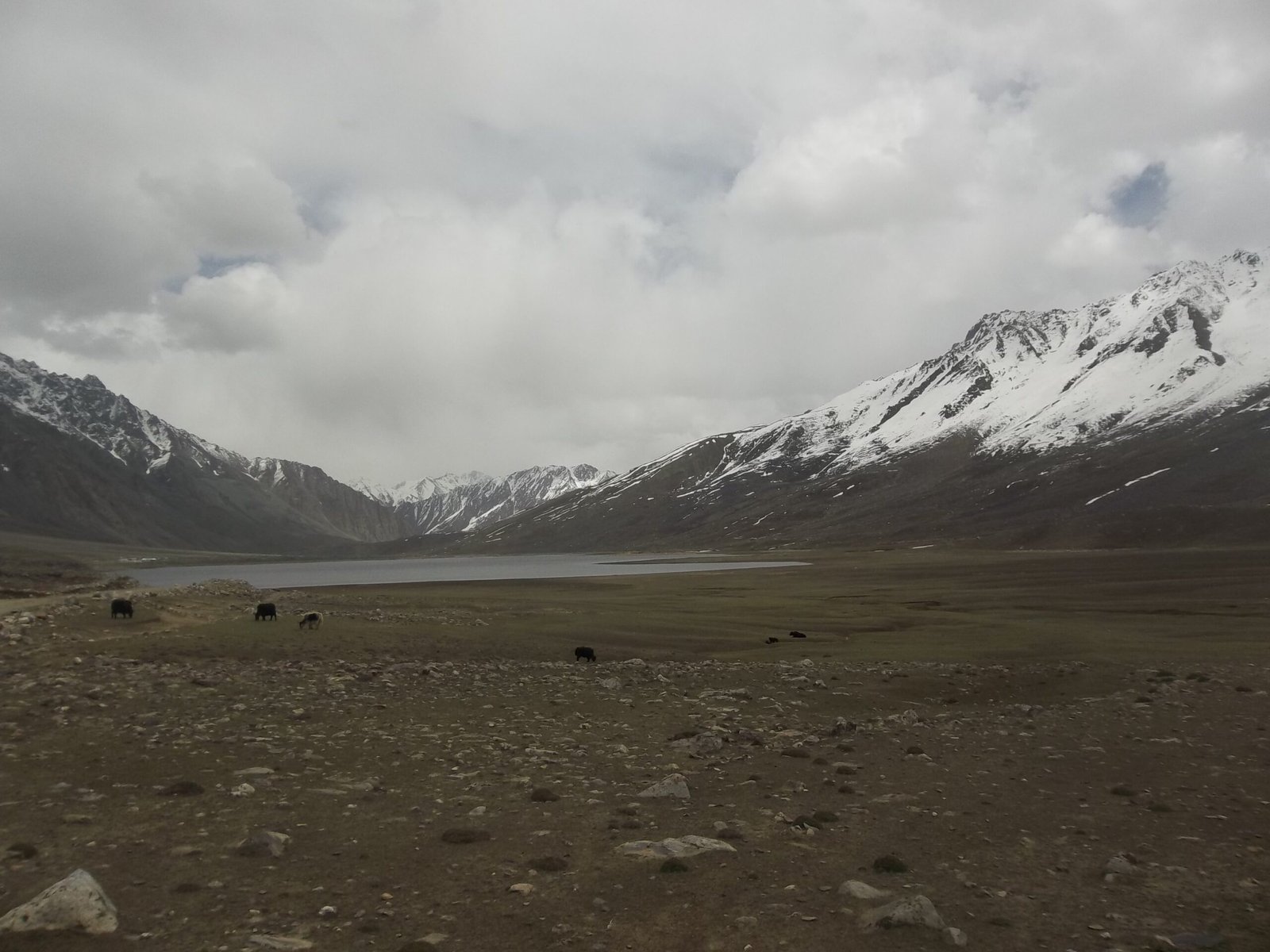
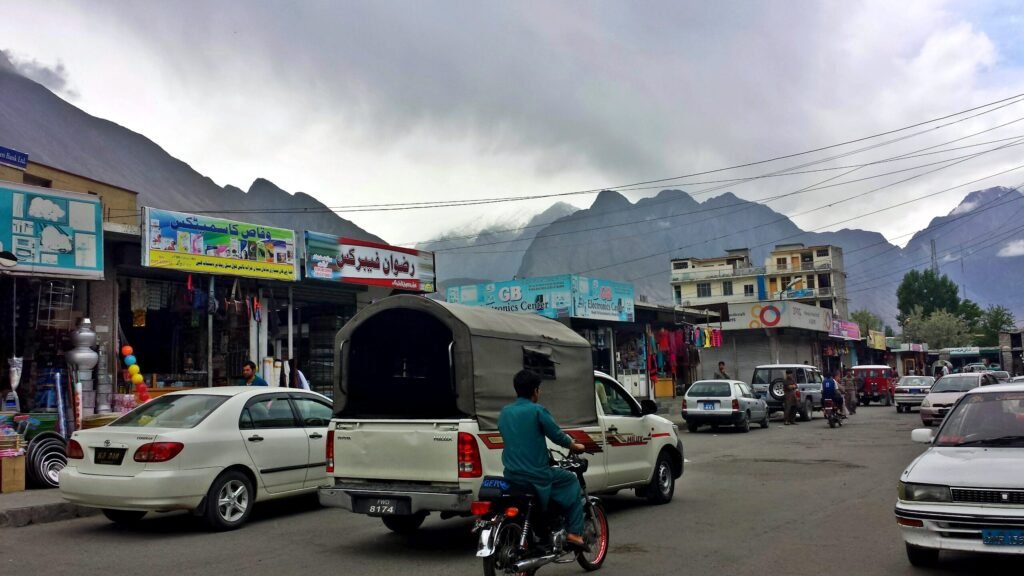
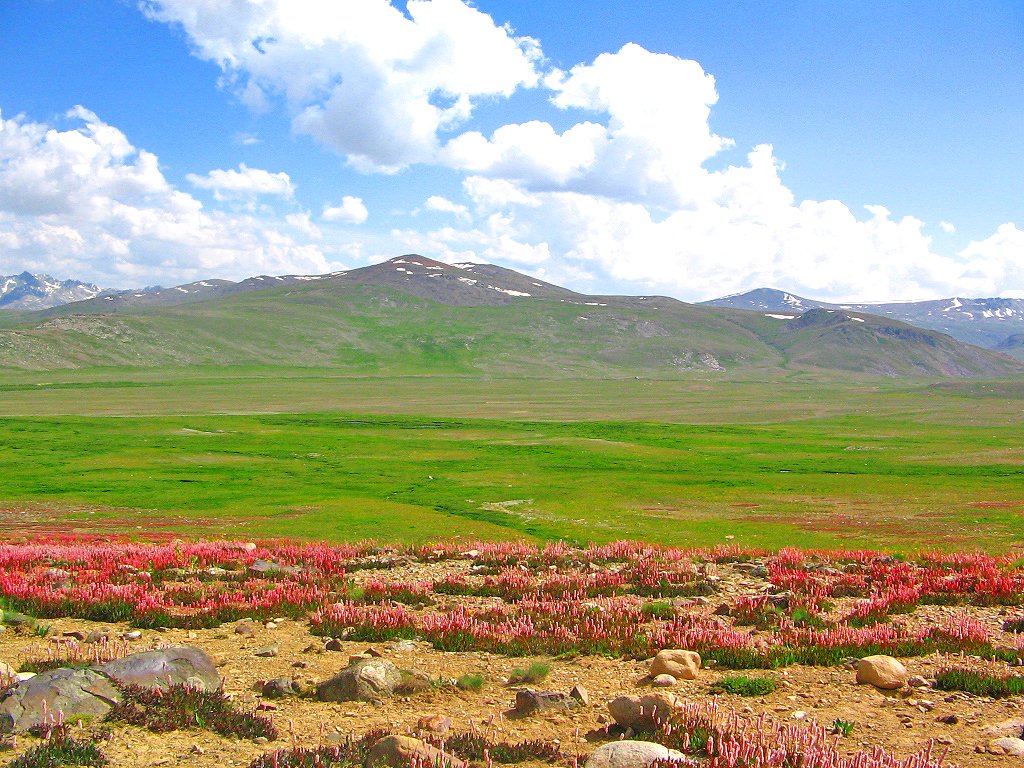
Expect dead zones and plan around them. The Karakoram Highway is patchy, good in towns and dropping in deep gorges; Khunjerab Pass is reported as having no mobile coverage; Deosai has virtually no coverage except, at most, limited SCOM at its edges; and remote valleys such as Shimshal, Askole, Hushe and Basho can have no signal at all.
Before a dead-zone leg, download offline maps, save guesthouse and driver numbers, screenshot confirmations, and charge a power bank. Cold mountain temperatures drain batteries quickly on long drives. A portable charger such as the Anker PowerCore is sensible day-pack kit. If trekking, tell a local contact your route and expected return, and do not rely on a phone signal as your safety plan.
Where are ATMs in Gilgit-Baltistan?
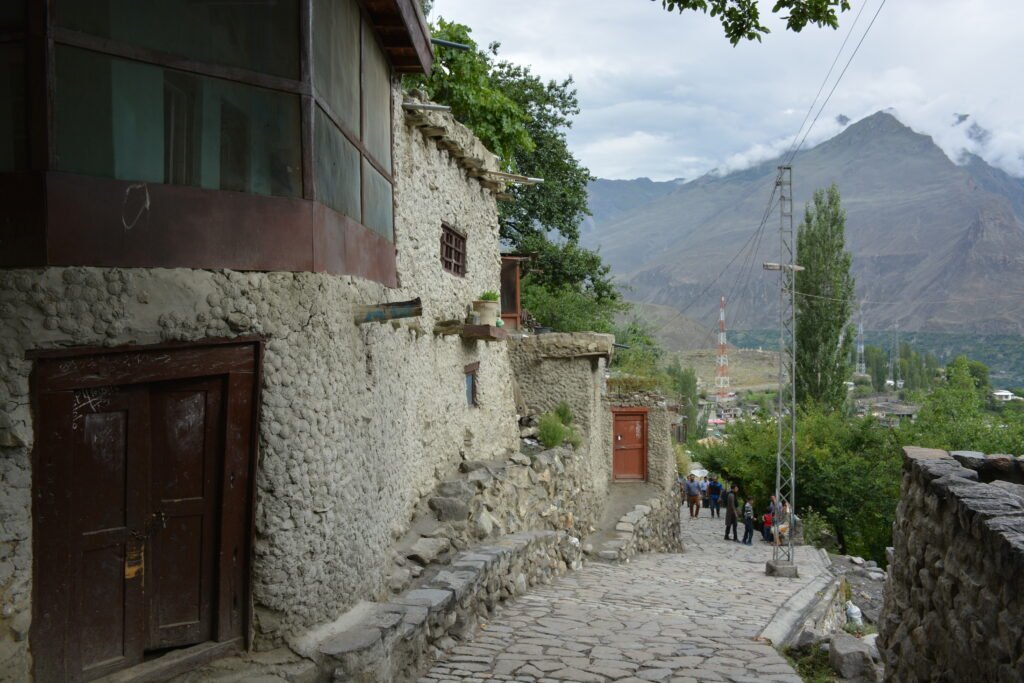
The currency is the Pakistani rupee (PKR). ATMs are reported in Gilgit, Skardu and central Hunza, but guides warn that they run dry, lose connectivity, or sit far from where you are staying, and most small guesthouses and eateries do not accept cards. For foreign cards it is stricter: very few banks and ATMs accept them, so bring enough cash for the whole journey, or try a Gilgit bank ATM that sometimes works with foreign cards. Never build an itinerary around one ATM working.
| Main town | Cash and ATM position | What to do |
|---|---|---|
| Gilgit city | Main hub; best ATM chance, not guaranteed for foreign cards | Top up before any valley leg |
| Skardu town | ATMs reported; Baltistan’s main hub | Top up before Shigar, Khaplu, Deosai, trailheads |
| Karimabad, Hunza | ATMs in central Hunza; thinner than Gilgit or Skardu | Top up in Gilgit or Skardu first |
| Chilas | Diamer highway stop; branches listed, but no reliable withdrawal ATM verified | Do not plan a valley leg on Chilas cash |
| Valleys and villages | Assume no ATM and no card acceptance | Carry all cash needed for that leg |
Smaller notes matter: a guesthouse, driver, eatery or village shop may not change a large note. Split cash between two places, keep a small daily amount accessible, and keep the bulk separate. Tell your bank you are travelling before leaving home, so a foreign ATM attempt is not blocked as suspicious — and still do not rely on it succeeding.
How much cash should I carry, and how should I split it?
There is no single correct amount: it depends on nights away from main towns, whether accommodation is prepaid, and how much transport you pay locally. Work backwards from your next main-town stop: carry enough for accommodation, food, transport, tips and a contingency for that whole leg, plus a buffer for a delay. Landslides, weather and road closures can add an unplanned night, and that night still needs paying for in cash.
Withdraw in a main town even if you think you have enough: carrying extra rupees out of Gilgit or Skardu is far easier than finding a working ATM in a side valley. If travelling from Islamabad, sorting cash and a national SIM before leaving the capital removes one problem from the mountain leg. See how to travel to Gilgit-Baltistan from Islamabad, plus Gilgit City travel guide, a 7-day Hunza Valley itinerary and a 5-day Skardu itinerary.
Can I pay by card or mobile money instead of cash?
In main-town hotels, larger restaurants and some tour operators, cards may be accepted — but that is the exception, not the rule. Do not assume a card machine will be present, charged, connected, or willing to accept your card. For small guesthouses, drivers, guides, village shops and trailhead services, cash is the working assumption.
Mobile money needs the same caution. Easypaisa agent listings exist in Chilas, Aliabad and Karimabad in Hunza, and Gulmit and Sost in Gojal, showing a regional footprint. That is not a reliable way for a short-stay visitor to pay: setup normally depends on a locally registered SIM and account, and a small seller may still prefer cash. No Gilgit-Baltistan-specific, visitor-facing JazzCash use could be verified from an opened source, so do not rely on JazzCash here. The order is simple: cash first, a main-town ATM as a top-up, card only where offered, mobile money only if you already have a working local account.
What should I do before I leave a main town?
Every time you leave Gilgit, Skardu or Karimabad, run this checklist: top up cash and split it; buy or top up your SCOM SIM early and test it; download offline maps and save key numbers; charge phone and power bank; tell your guesthouse or driver your route and expected return; and ask locally, that day, whether road, pass or ATM conditions have changed. Mountain conditions change faster than any guide — but a second SIM, a pocket full of rupees, offline maps and a charged power bank will stop a signal or ATM problem from becoming a trip problem.
Frequently Asked Questions
Which SIM card is best for Gilgit-Baltistan?
No single SIM works everywhere. Carry a national SIM, such as Zong, for cities and main towns, and add SCOM once you reach Gilgit or Skardu for remote valleys. SCOM is Gilgit-Baltistan’s regional operator and is usually strongest off the main road, while national networks fade in side valleys and high plateaus.
Can a foreign visitor buy a SIM card in Gilgit-Baltistan?
Yes, from an official outlet. Bring your original passport, your visa details if asked, and expect a fingerprint scan at the point of sale. Buy from an official SCO franchise or operator store, keep your receipt, and buy early, because activation can take about a day. Avoid roadside sellers whose SIMs may be blocked.
Will my phone work in Deosai or at Khunjerab Pass?
Plan for no signal in both places. Khunjerab Pass is reported as having no mobile coverage, and Deosai has virtually no coverage except possibly limited SCOM at its edges. Download offline maps, save key contacts, charge a power bank, and tell a local contact your route and expected return before heading out.
Do ATMs in Gilgit-Baltistan accept foreign cards?
Very few do, and acceptance is unreliable even where an ATM exists. ATMs are reported in Gilgit, Skardu and central Hunza, but they can run dry or lose connectivity. Bring enough Pakistani rupees for your whole journey, top up in main towns, and never plan a valley leg around one ATM working.
Can I rely on mobile money instead of carrying cash?
No. Easypaisa agent listings exist in parts of Hunza, Gojal and Chilas, but that does not make it a reliable payment method for a short-stay visitor, and Gilgit-Baltistan-specific JazzCash use could not be verified. Small guesthouses, drivers and village shops generally expect cash, so carry rupees as your main payment method.