Short Answer
Start with chapshuro, the stuffed meat bread often called the “Pizza of the North”, then try mamtu dumplings, a bowl of dried-apricot soup, and a breakfast of local bread with butter and salted tea. Hunza food is generally mild rather than fiery, built on wheat, barley, dairy, dried fruit and nuts, with apricot in many forms — dried fruit, juice, soup and oil.
Food here is shaped by altitude, short summers and long winters. Wheat is Hunza’s main staple, because rice cannot easily be grown at this altitude, and buckwheat and barley are also grown. Hunza and Nagar are separate districts and valleys. Recommendations here stay at town and valley level, because menus change.
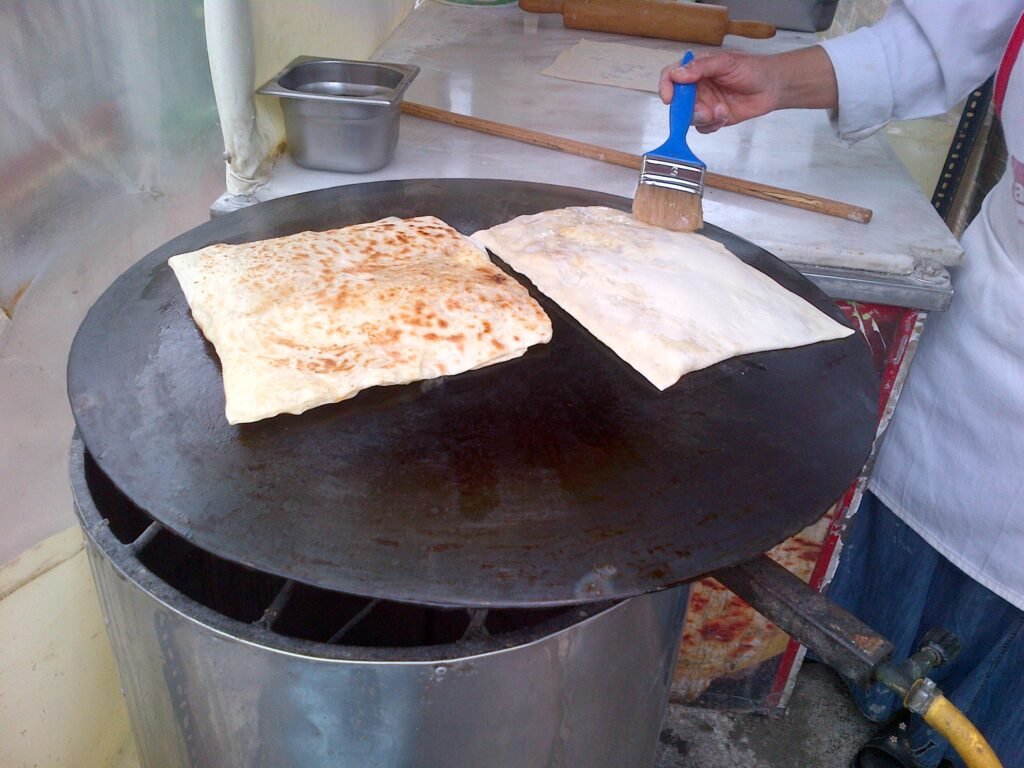
What is chapshuro, and why should you try it first?
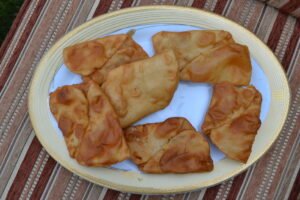
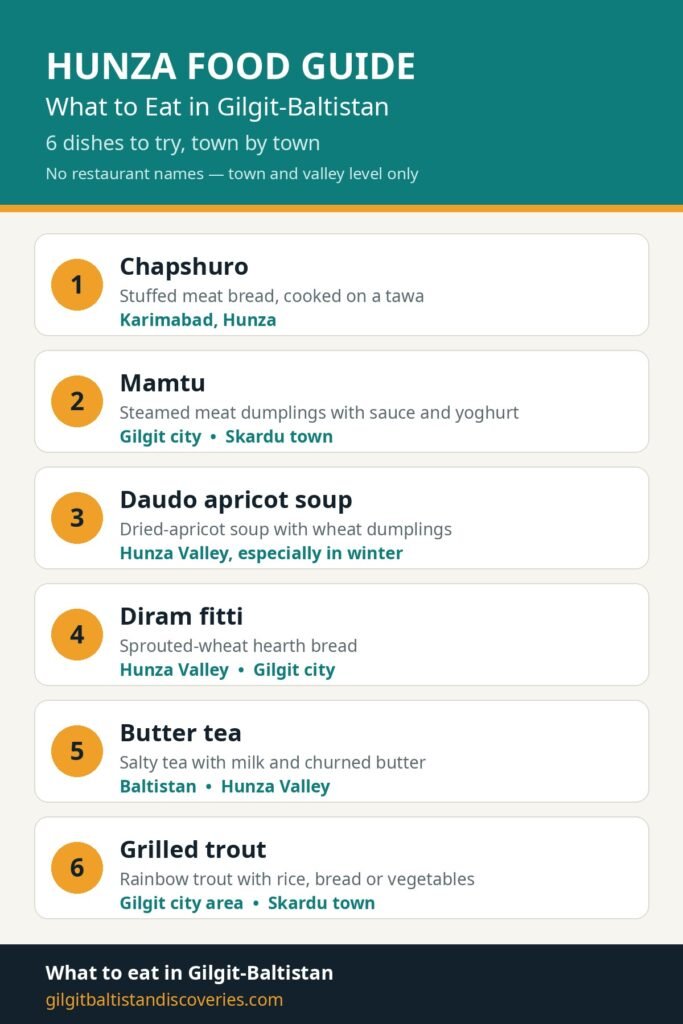
Chapshuro — also spelled chapshoro — is the dish most associated with Hunza and Gilgit-Baltistan. It is soft bread stuffed with spiced minced meat, sealed like a pie and cooked on a heavy pan or tawa, either dry or lightly fried until golden. Fillings described in Hunza sources include minced chicken, beef, mutton, goat or, occasionally, yak, mixed with finely chopped onions, tomato, green chilli, cumin, coriander and fresh herbs. Traditionally it may be cooked with walnut or apricot oil, which adds a nutty aroma.
The name points to its ingredients: chap for meat, gunsho for onions and shoro for bread. Eat it hot, straight off the tawa, with raita or chutney. In Karimabad, Hunza, ask locally where it is being made fresh that day.
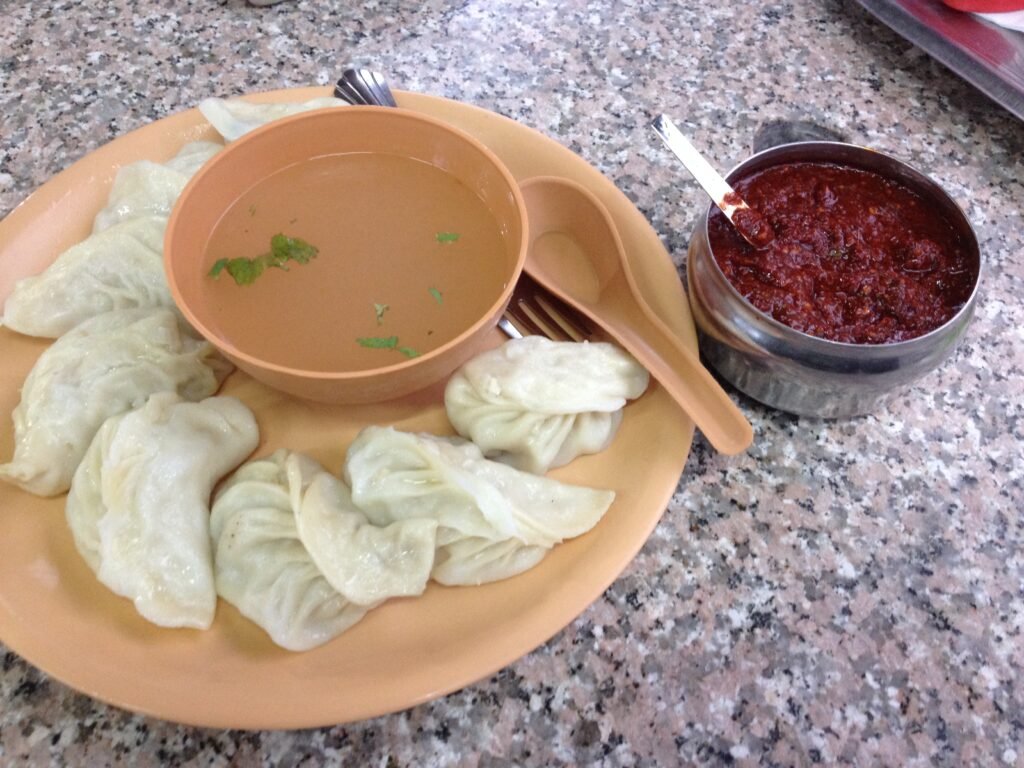
What are mamtu, and where do they fit in?
Mamtu are steamed dumplings filled with minced meat, onions and spices, with Central Asian roots. They are usually served hot with a spicy chilli sauce, tangy yoghurt, or a tomato-based sauce. Compared with chapshuro, mamtu are lighter and softer, and they make a good shared starter or light lunch.
Mamtu are described as a street-food favourite and celebratory dish in Gilgit city and Skardu town. In Gilgit city, ask in the bazaar area; in Skardu, look for them alongside other Baltistan staples. Recipes vary from cook to cook.
What are the must-try apricot dishes in Hunza?
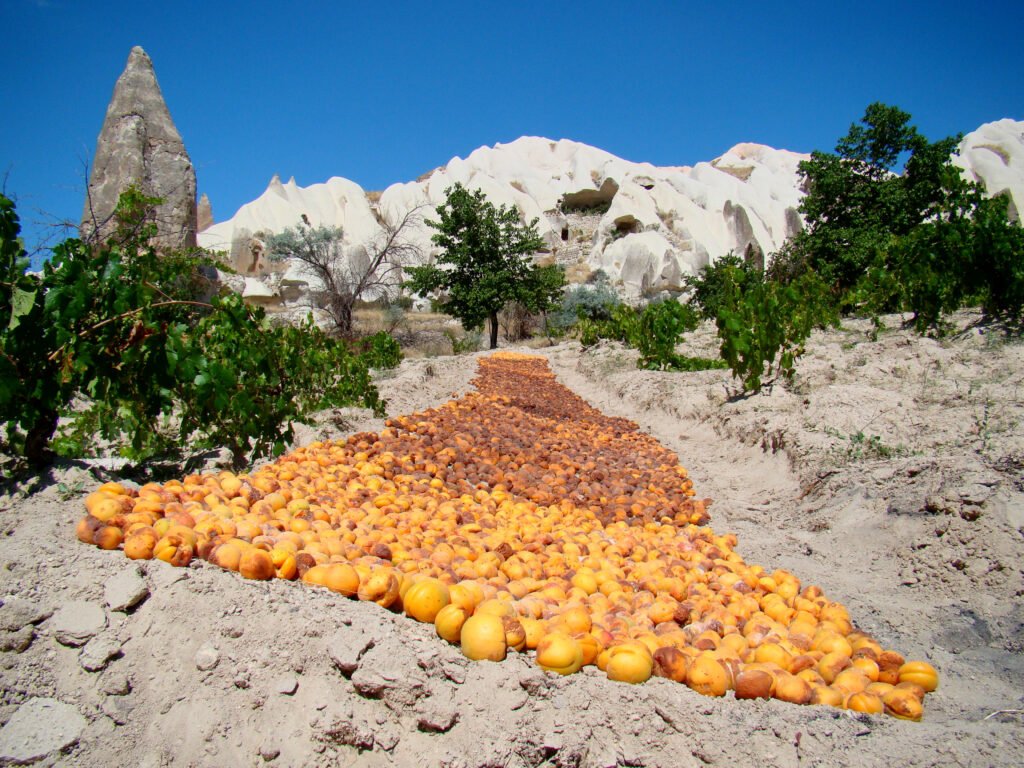
Apricot is the thread that runs through Hunza cooking. Fresh apricots ripen in summer, while dried apricots carry the flavour through winter. In Hunza, apricots are collected in late summer, dried in the sun on rooftops, walls and boulders, and stored for the cold months. The kernels taste similar to almonds and are eaten as a snack or used in cooking, while apricot oil pressed from the kernels is used for cooking. Sources distinguish sweet apricot oil, used for cooking, from bitter apricot oil, used for skin and hair.
Try these in particular: daudo, dried-apricot soup with small wheat dumplings, a traditional winter dish; chamus, dried-apricot juice; apricot cake and pie, made with dried-apricot purée, walnuts and wholegrain flour; and dried apricots and kernels as a snack, sweet with a slight sour edge. In summer try fresh apricots too; in winter, the dried-apricot dishes are the authentic seasonal choice.
What breads and breakfasts should you order?
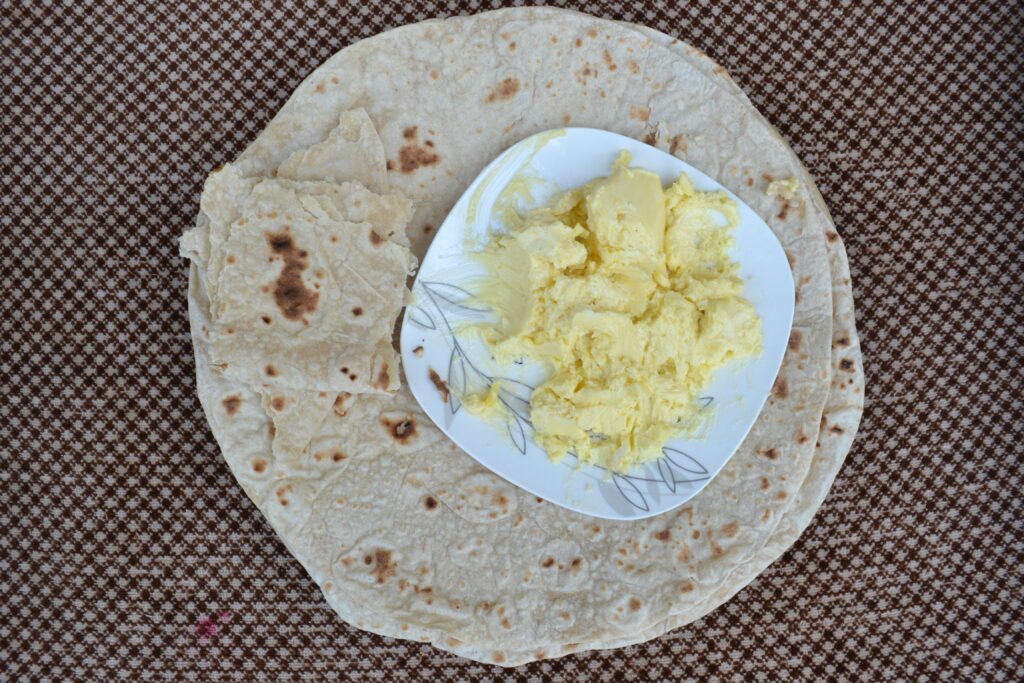
A typical Hunza breakfast centres on freshly baked bread, butter and tea. Two breads are worth knowing by name. Phitti, also written fitti or diram fitti, is a thick, nutritious bread with a crusty outside and soft interior. Diram fitti, made from sprouted wheat flour, has a natural sweetness and is commonly served with butter, honey or apricot oil. Khamali is a larger, thin wheat bread, made wide so that it takes advantage of the heat of a traditional cooking plate. Gooli, also called giyaling, is a thick buckwheat or whole-wheat pancake bread, crisp outside and soft inside, often eaten at breakfast with apricot oil or butter tea.
What drinks go with a mountain meal?
Butter tea, also called po cha or payu cha in Baltistan, is a salty, creamy drink made by combining tea leaves with milk and churned butter. It is served to guests as a sign of hospitality and is often drunk with dry bread or diram fitti. First-time drinkers should expect salt, not sugar, and a rich, warming flavour that suits cold mornings.
Diltar is the local yoghurt drink, also described as buttermilk or lassi: traditionally shaken in a skin until butter formed, now often simply yoghurt mixed with an equal amount of water.
Sea-buckthorn is a third drink to look for, especially in Hunza, Gilgit and Skardu. The small orange berries are sold as juice, syrup, jam, dried berries and powder in Gilgit-Baltistan. The flavour is sharp, citrus-tart and tangy, so juice is often diluted or sweetened. This guide recommends it for its taste and local availability, not as a medicine.
What is trout like in Gilgit-Baltistan, and where can you try it?
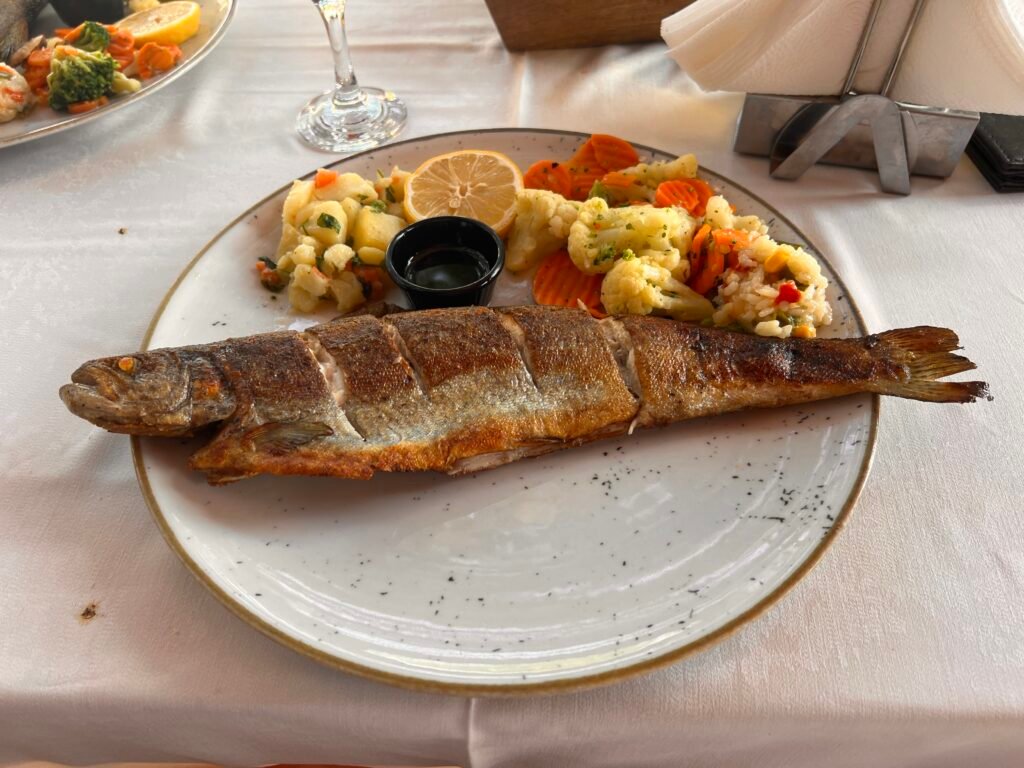
Trout is the region’s best-known fish, and a welcome break from meat-and-bread meals. Rainbow trout bred in natural glacier water in Gilgit have been described as premium quality because of the fresh, unpolluted water source, and a trout farm was found in Gilgit during a 2020 visit documented by the Aga Khan Development Network. Trout farming and processing have since developed around Gilgit, including a processing facility in Gahkuch.
On menus, trout is commonly grilled or fried with rice, bread or vegetables. Look for it in Skardu town and Gilgit city, but ask on the day, as availability can be seasonal. Anglers should note that licences and local rules apply at lakes in the region.
Where should you try each dish?
Use this table as a starting map, not a ranking. “Where to try it” stays at town or valley level, because individual menus change.
| Dish | What it is | Where to try it |
|---|---|---|
| Chapshuro | Stuffed meat bread, cooked on a tawa | Karimabad, Hunza; Gilgit city; Skardu town |
| Mamtu | Steamed meat dumplings with sauce and yoghurt | Gilgit city; Skardu town |
| Daudo / apricot soup | Dried-apricot soup with wheat dumplings | Hunza Valley, especially in winter |
| Diram fitti / phitti | Sprouted-wheat or thick hearth bread | Hunza Valley; Gilgit city |
| Gooli / giyaling | Buckwheat or whole-wheat pancake bread | Gilgit-Baltistan, at breakfast |
| Butter tea | Salty tea with milk and churned butter | Baltistan, including Skardu town; Hunza Valley |
| Sea-buckthorn juice | Sharp, citrus-tart berry juice or syrup | Hunza Valley; Gilgit city; Skardu town |
| Grilled or fried trout | Rainbow trout with rice, bread or vegetables | Gilgit city area; Skardu town |
Pair this guide with the 7-day Hunza Valley itinerary, and use Skardu as a second food stop via the things to do in Skardu guide.
What should first-time visitors know before ordering?
First, expect mild food. Hunza cooking uses low salt and minimal spice compared with much of Pakistani cuisine, and frying is largely avoided in traditional Hunza cooking. If you want heat, ask for chilli sauce or chutney rather than assuming a dish will arrive spicy.
Second, ask about the day’s cooking. Many dishes are home-cooked or seasonal, so “What is fresh today?” will usually get you further than asking for a dish by name where it is not served.
Third, do not repeat longevity claims as fact. A recent Hunza food guide notes that specific claims of exceptional long life lack solid scientific backing, even though the diet is healthy by conventional measures.
Finally, be a considerate guest. Food sharing is central to hospitality in Gilgit-Baltistan, and visitors are often given generous portions. Vegetarian travellers can eat well on gooli, diram fitti, apricot dishes, bread, butter tea, yoghurt and seasonal vegetables, but they should ask in advance, because some soups and breads may be made with meat stock or animal fat.
Last updated: 28 October 2026
Frequently Asked Questions
What is chapshuro?
Chapshuro is a stuffed bread often called the “Pizza of the North”. Soft dough is filled with spiced minced meat, onions, tomato and herbs, sealed like a pie and cooked on a tawa until golden. It is best eaten hot, with raita or chutney, and is most associated with Hunza.
Is Hunza food spicy?
No, Hunza food is generally mild. It uses low salt and minimal spice compared with much of Pakistani cuisine, relying instead on herbs, butter, yoghurt and dried fruit for flavour. Travellers who want heat should ask for chilli sauce or chutney separately, rather than expecting a spicy main dish.
What can vegetarians eat in Gilgit-Baltistan?
Vegetarians can eat well on gooli pancakes, diram fitti bread, apricot soup, dried apricots and kernels, bread with butter and apricot oil, yoghurt drinks and seasonal vegetables. Always ask in advance, though, because some soups, breads or sauces may use meat stock, butter or animal fat.
When is the best time to try apricot dishes?
Fresh apricots are a summer experience, while dried-apricot dishes are the winter speciality. Dried apricots are collected in late summer and sun-dried for storage, so daudo soup, apricot juice and apricot bakes are most authentic in the colder months, when fresh fruit is no longer available.
Is butter tea sweet or salty?
Butter tea is salty, not sweet. It is made with tea leaves, milk and churned butter, giving a rich, creamy and savoury drink. It is traditionally served to guests with bread or diram fitti, and its saltiness can surprise first-time drinkers who expect a sweet milky tea.