Last updated: 5 November 2026
Short Answer
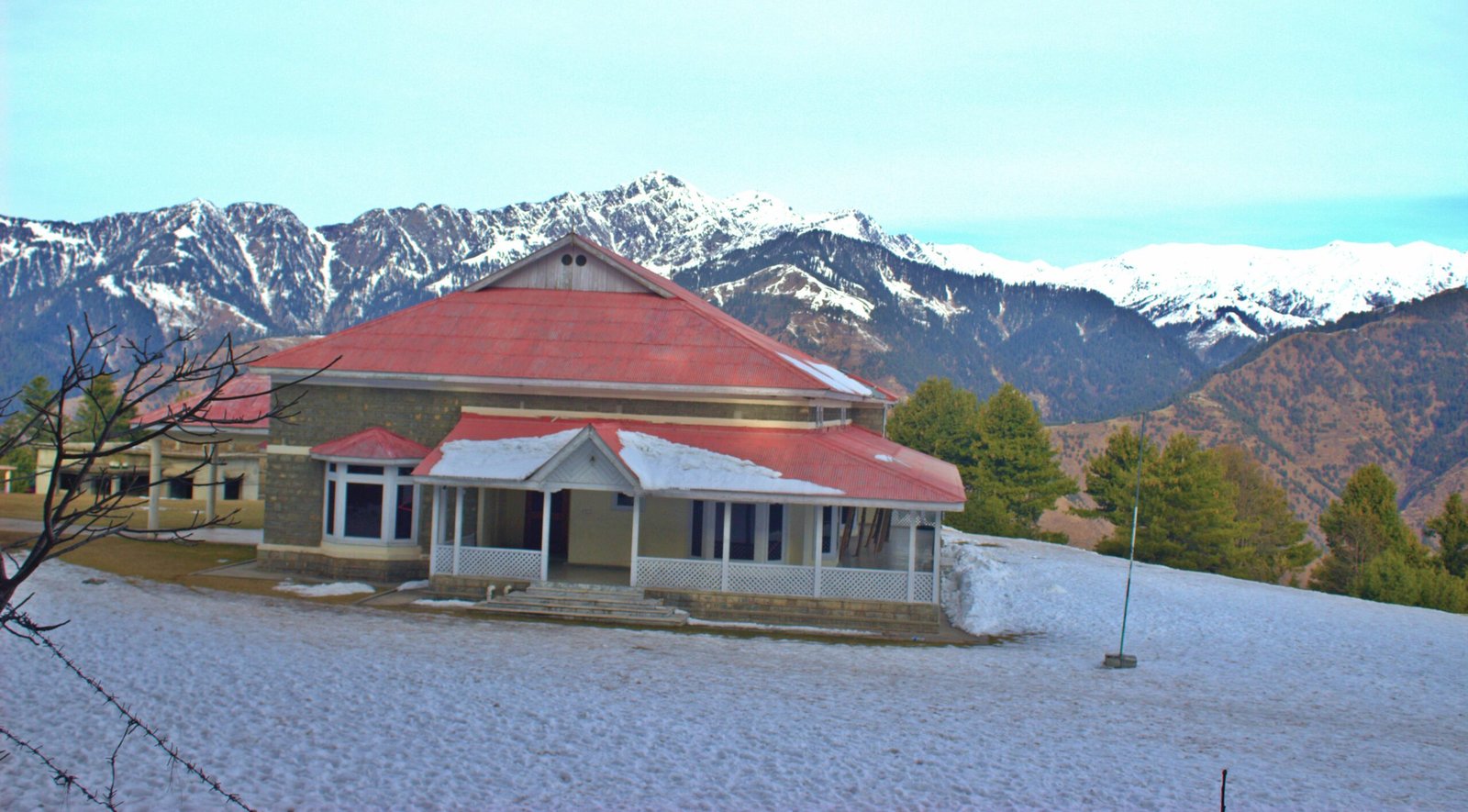
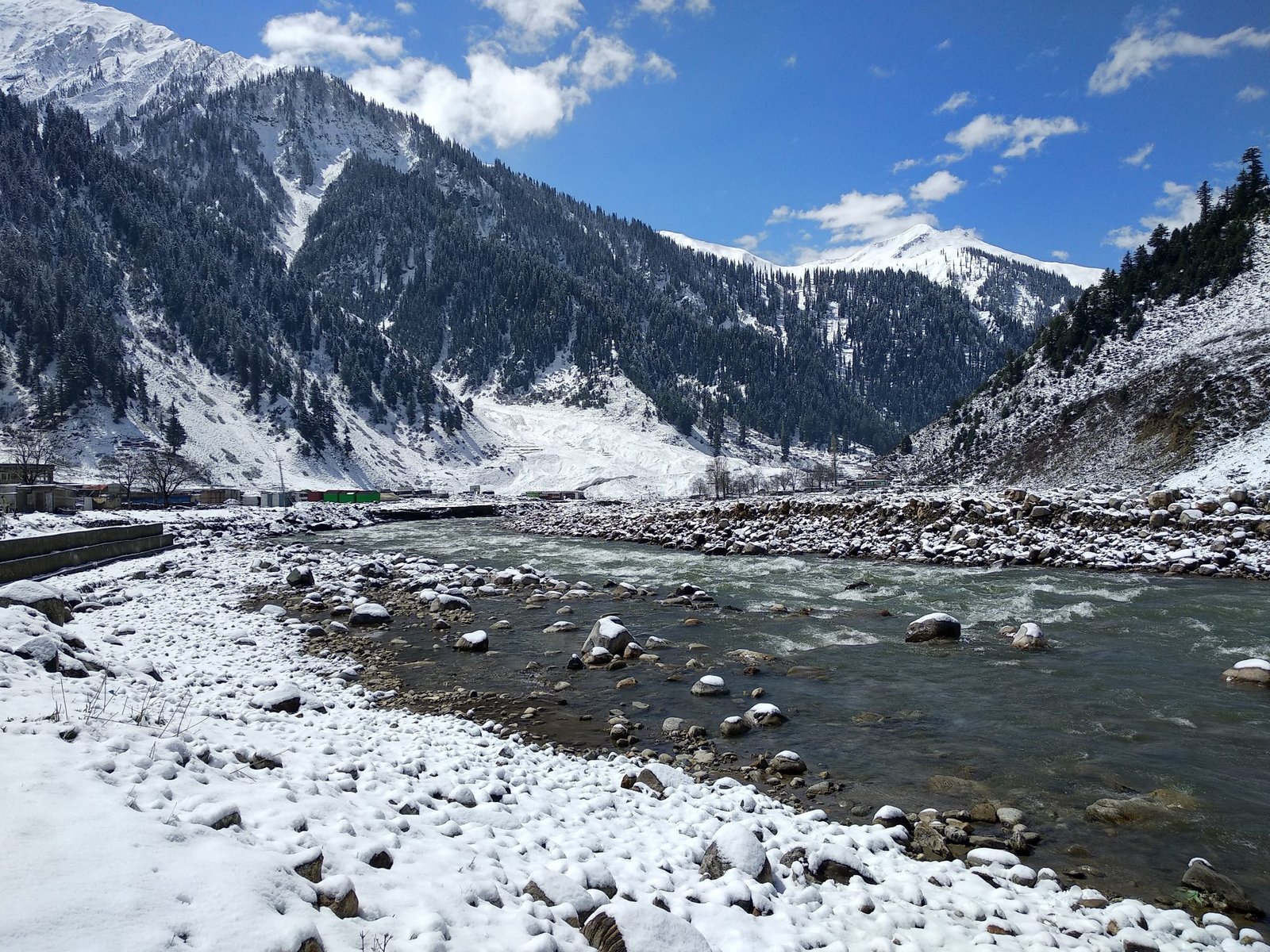
Nathia Gali in winter is the most accessible snow trip in Pakistan: 2,410 m up in the Galyat pine forests, about 2.5–3 hours from Islamabad, with real snowfall from December to February — heaviest in late December and January. Unlike Naran, it does not close for the season: the Galiyat Development Authority clears the roads, hotels stay open, and the Mukshpuri trek runs in the snow. What winter does demand is respect: roads can close temporarily after heavy snow, driving needs a 4×4 or chains, and you must confirm road clearance before you travel and avoid driving after sunset. Plan a 2-day weekend around a clear forecast, and Nathia Gali delivers the snow without the expedition.
Nathia Gali in Winter at a Glance
| Fact | Detail |
|---|---|
| Where | Nathia Gali, Galyat, Abbottabad District, Khyber Pakhtunkhwa (not Gilgit-Baltistan) |
| Elevation | 2,410 m (7,907 ft) |
| How to reach | Islamabad → Murree Expressway (N-75) → Lower Topa → old Murree Road to Nathia Gali; about 95–100 km, 2.5–3 hours |
| Snow season | December to February; heaviest late December and January |
| Winter temperatures | December about −7°C to 1°C; January about −7°C to 5°C; February about −5°C to 7°C |
| First snow 2026–27 season | About 6 inches across parts of Galyat in late October 2026, drawing large crowds to Nathia Gali, Ayubia and Dunga Gali |
| What to do | Snow-covered pine forests, Mukshpuri trek, Miranjani trek, Pipeline Track walk, bazaar, photography |
| What to check before leaving | Road clearance that morning (Galiyat Development Authority / traffic police), hotel heating, and the forecast |
Why Nathia Gali Works in Winter (When Naran Does Not)
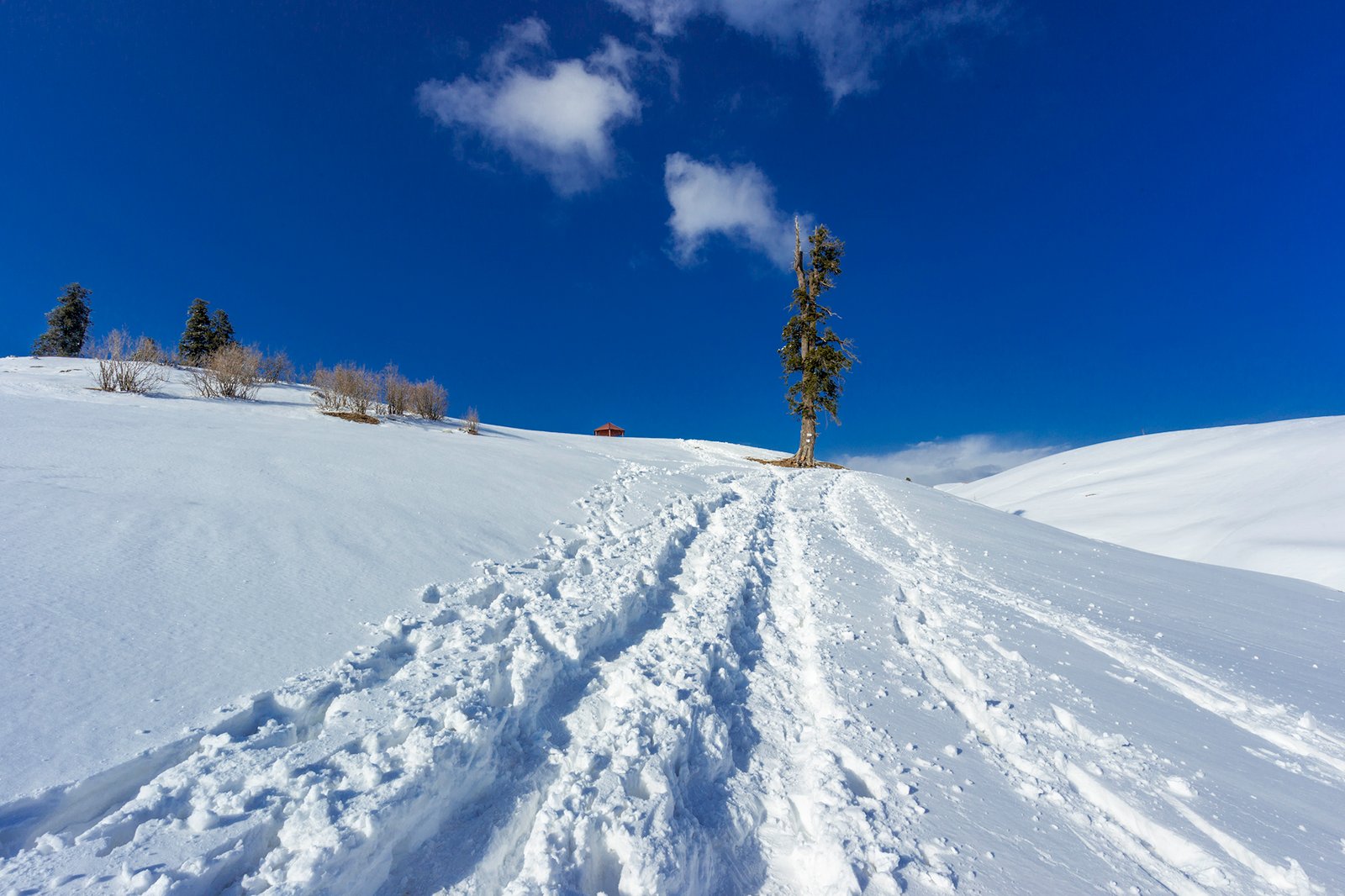
The difference is geography and administration. Nathia Gali is a hill station 2.5–3 hours from Islamabad, not a high valley at the end of a seasonal road — so it stays open while Naran closes. Snowfall begins in December and lasts until February, with the heaviest and most consistent snow between late December and January. The current season proved it early: Galyat’s first snowfall of the winter arrived in late October 2026, with about six inches reported in parts of the region, drawing large numbers of tourists to Nathia Gali, Ayubia, Donga Gali and Khanspur, and hotels reporting heavy occupancy. Roads were reopened after snow clearance, with crews salting the ice — and traffic police advising tourists to confirm clearance before travelling and to avoid heading into the hills after sunset.
That is the honest picture: Nathia Gali is a working winter destination, not a wilderness expedition — and its risks are road ice and sudden closures, not being stranded for a season.
Getting There in Winter
- Route: Islamabad → Murree Expressway (N-75) → Lower Topa, then turn onto the old Murree Road to Nathia Gali. From Abbottabad it is about 35 km on the paved mountain road. The drive is about 95–100 km and 2.5–3 hours in good conditions.
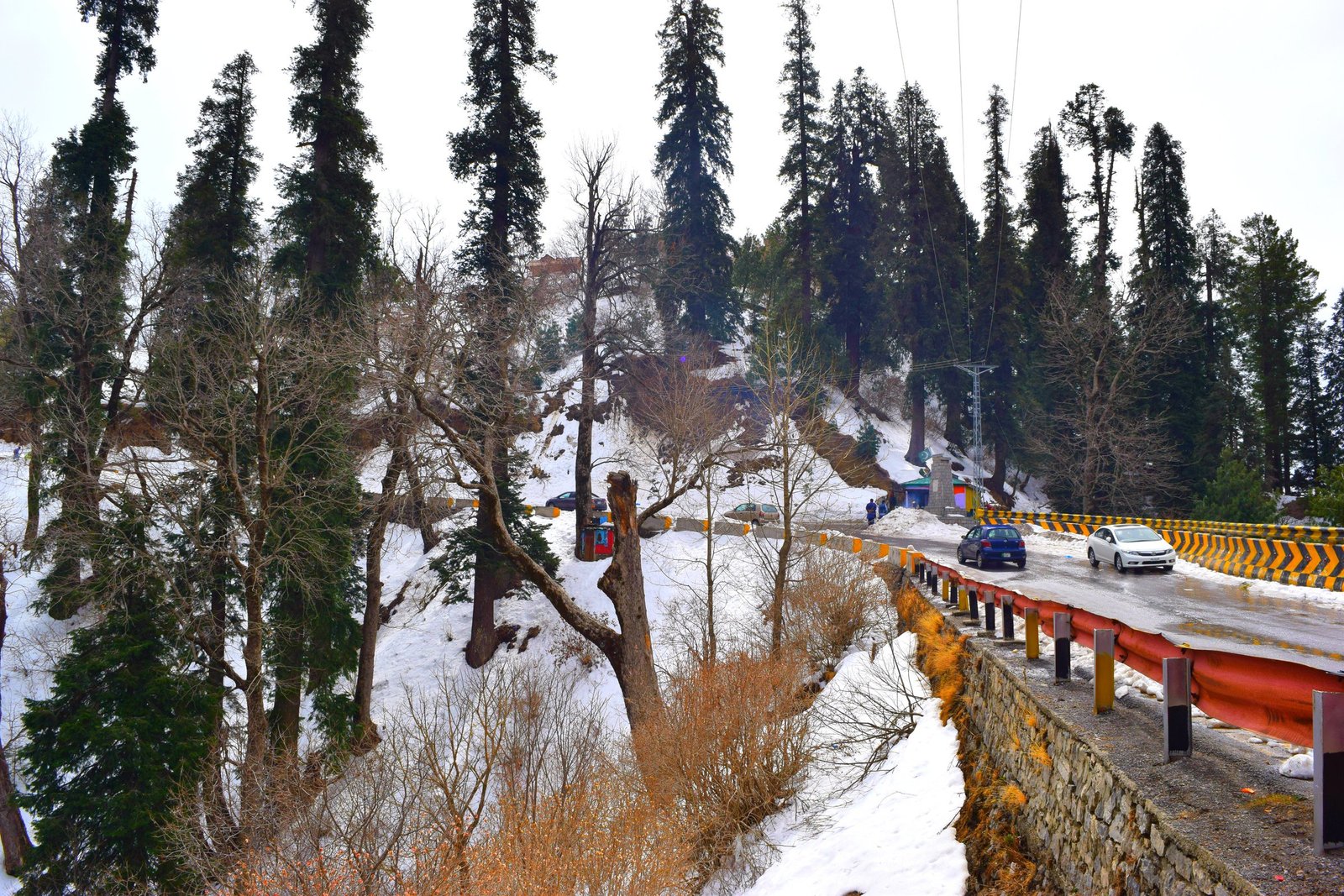
- Vehicle: a 4×4 is recommended in winter, and wheel chains are advised to avoid slipping on snow. Roads are generally cleared within a few days of a snowfall, but shaded and elevated stretches can stay icy even after clearing.
- Timing: travel in daylight. Traffic police specifically advise against heading toward the hills after sunset when conditions are uncertain.
- Check before you go: road clearance with the Galiyat Development Authority or traffic police, and the weather forecast. A cleared road is not proof the whole route is ice-free.
What to Do in Winter
- Mukshpuri Top trek. The signature winter walk: a 3–4 hour trek from Dunga Gali to Mukshpuri Top (9,186 ft, the second-highest peak in Galyat), through deep pine forest with Kashmir mountain views. In winter it is famous for snowy sunrise and sunset hiking — the favourite cold-weather trek in the Galyat. Go with proper boots, layers and daylight to spare.
- Miranjani trek. The other big Galyat peak, reached from Nathia Gali itself. A longer, steeper day than Mukshpuri; in snow, start early and turn back well before dark.
- Pipeline Track walk. The gentle, famous forest walk between Dunga Gali and Ayubia is beautiful under snow, but it is also slippery — walk it in daylight, in boots with grip, and do not treat a flat track as a safe track.
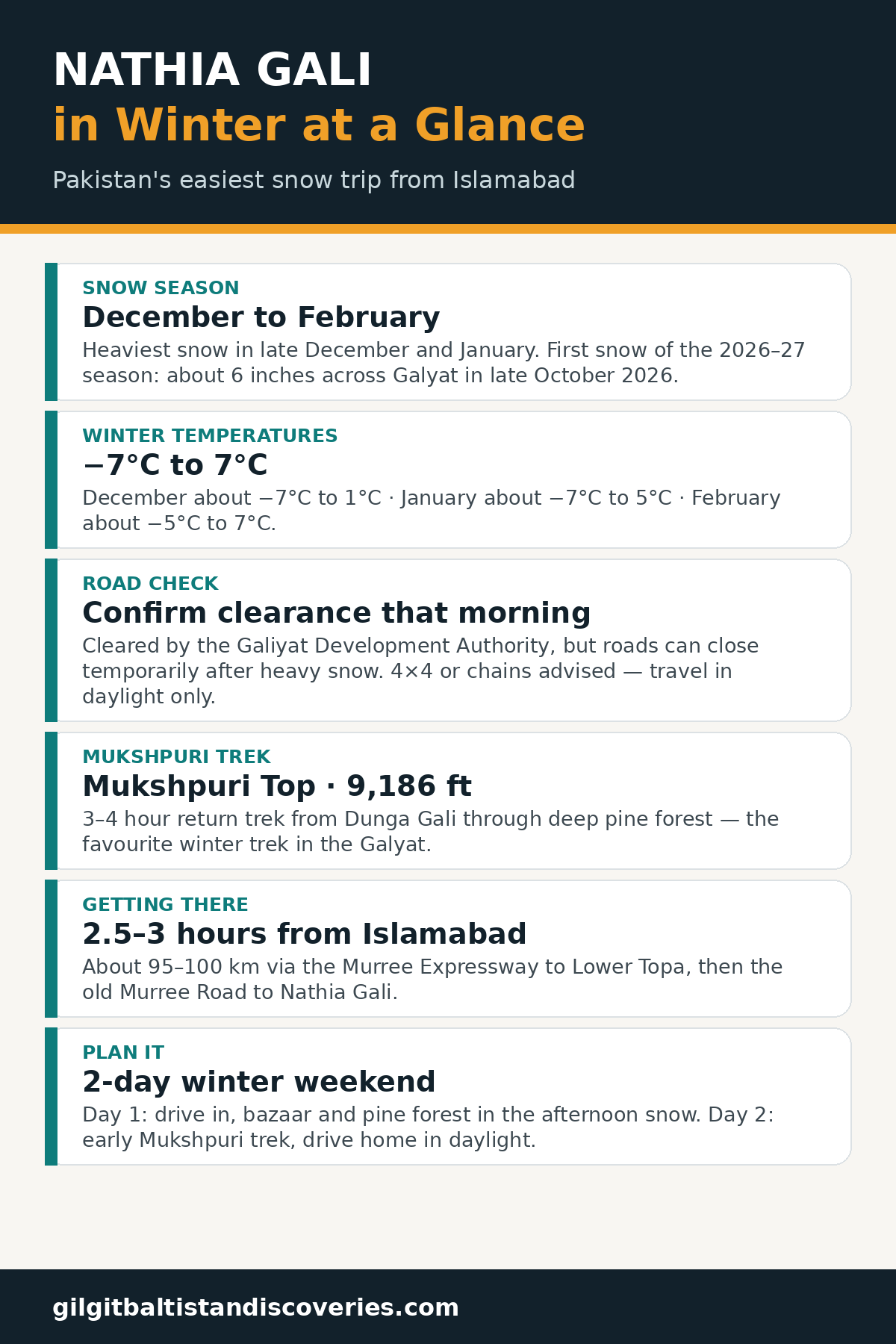
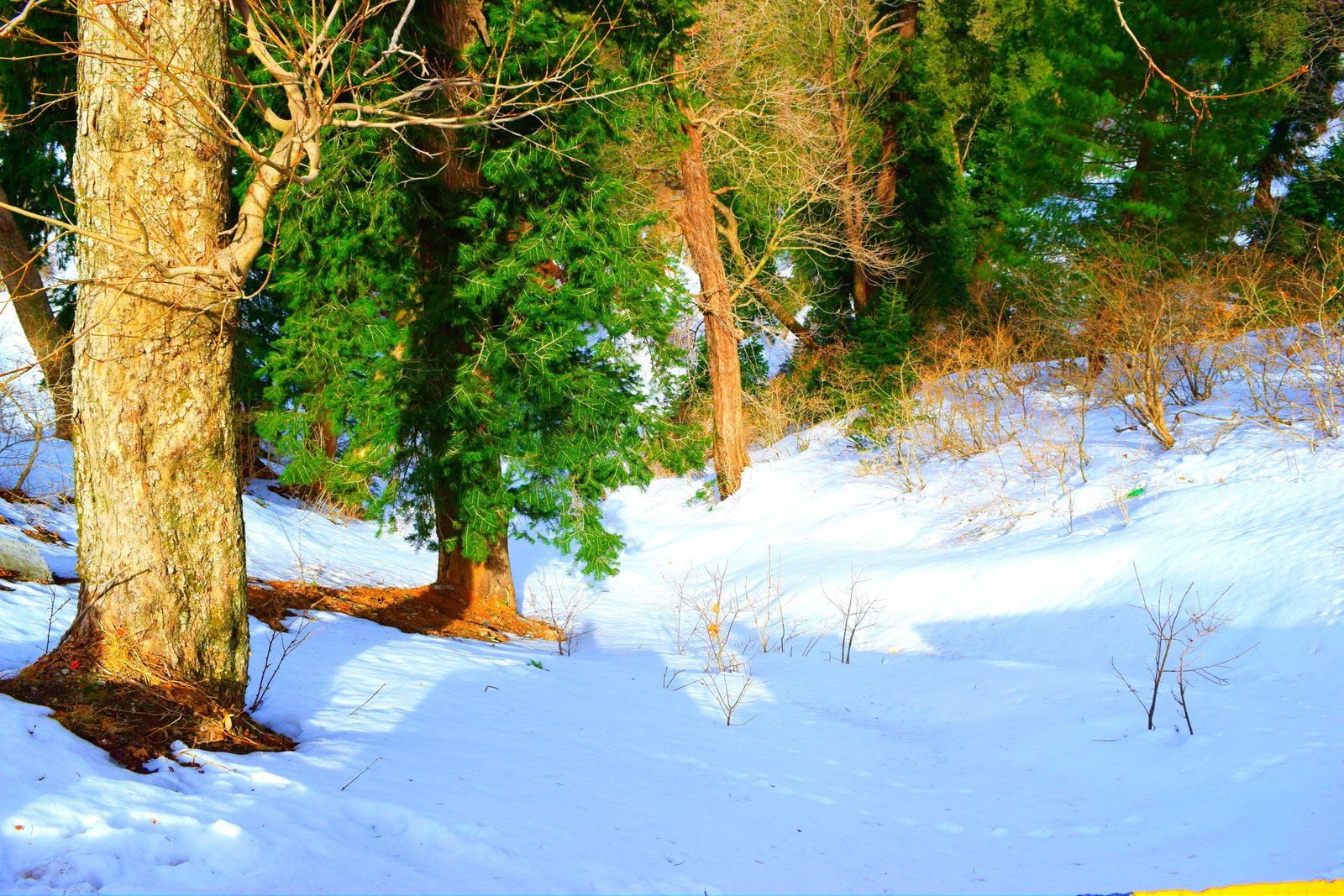
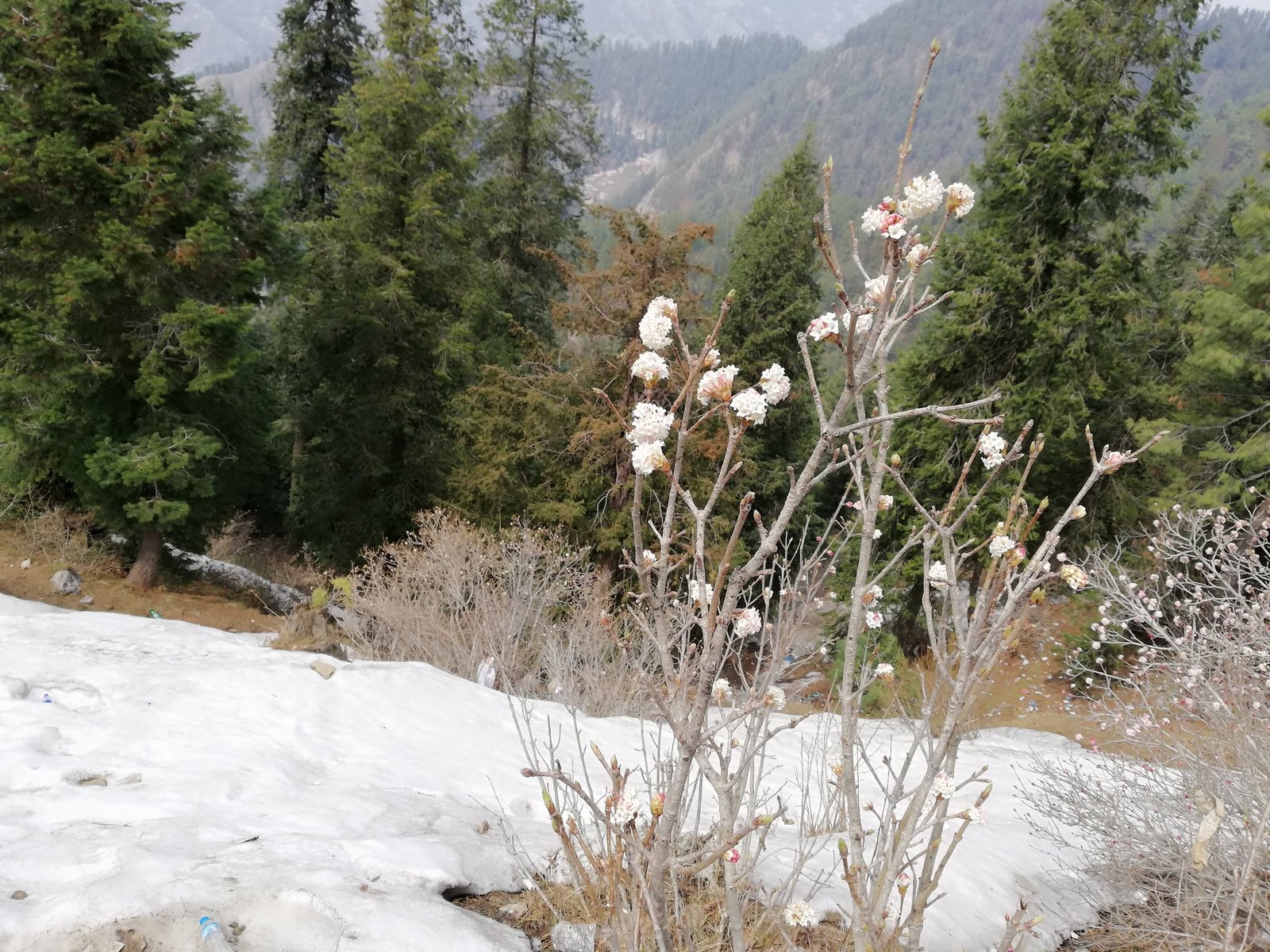
- Snow-covered pine forests and the bazaar. Nathia Gali’s tall pines under snow are the postcard, and the small bazaar — tea, coffee, local stalls — is the warm-up afterwards. Photographers come for the forest in snow; families come because the walks are short and the town is compact.
- Ayubia and Dunga Gali. Both sit on the same Galyat ridge and share the snowfall; Dunga Gali is the Mukshpuri trailhead, and Ayubia’s chairlift area is a short drive away. Check both are operating on the day — winter hours are shorter.
Where to Stay: Book Ahead, Ask About Heating
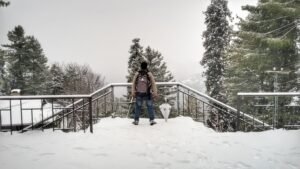
Nathia Gali’s hotels are limited but cosy — premium wooden lodges rather than Murree’s 300-plus hotels — and winter weekends fill fast. Reported winter options include Hotel Elites Nathia Gali (luxury, panoramic snow-valley views) and Summer Retreat Hotel (open year-round, with fireplaces for cold winter nights); treat both as reported leads, not guarantees, and confirm heating arrangements, hot water and restaurant hours directly before you travel. Book in advance, especially for December and January weekends, and expect higher demand (and higher prices) on the first-snow weekends. If your first-choice hotel is full, Abbottabad (35 km) is the fallback — lower, warmer, and on the cleared road.
A 2-Day Winter Weekend
Day 1 — Islamabad to Nathia Gali. Leave Islamabad in the morning, drive the Murree Expressway and old Murree Road (2.5–3 hours), arrive by midday, walk the bazaar and the pine forest in the afternoon snow, and watch the sunset from the ridge. Confirm the next morning’s trek conditions with your hotel before dinner.
Day 2 — Mukshpuri trek and home. Early start for the Mukshpuri trek from Dunga Gali (3–4 hours return), back to Nathia Gali for a late lunch, and drive to Islamabad in daylight. If overnight snow has closed the road, wait for clearance rather than forcing the descent — this is exactly the trip where a flexible return matters.
Winter Gear for a Nathia Gali Trip
Disclosure: as an Amazon Associate, we earn from qualifying purchases made through links on this page, at no extra cost to you.
Nathia Gali winter is cold and slippery, not extreme: an insulated winter jacket, KEEN Targhee 3 hiking boots for icy tracks and the Mukshpuri trek, and an Anker PowerCore portable charger — cold drains phone batteries, and you need yours for road updates and the forecast.
Frequently asked questions
When does it snow in Nathia Gali?
Snowfall typically begins in December and lasts until February, with the heaviest and most consistent snow between late December and January. The 2026–27 season’s first Galyat snow arrived in late October 2026.
Is Nathia Gali open in winter?
Yes — unlike Naran, it does not close for the season. Roads are cleared by the Galiyat Development Authority, hotels stay open, and the treks run in the snow. Roads can close temporarily after heavy snow, so confirm clearance before travelling.
How do I reach Nathia Gali in winter?
By road from Islamabad via the Murree Expressway to Lower Topa, then the old Murree Road — about 95–100 km, 2.5–3 hours. A 4×4 is recommended, and wheel chains are advised in snow. Travel in daylight.
Can I do the Mukshpuri trek in winter?
Yes — it is the favourite winter trek in the Galyat, a 3–4 hour return from Dunga Gali to Mukshpuri Top (9,186 ft). Go in proper boots, start early, and allow daylight to spare.
How cold does Nathia Gali get in winter?
About −7°C to 1°C in December, −7°C to 5°C in January, and −5°C to 7°C in February, per our general Nathia Gali guide‘s seasonal table.
Is Nathia Gali in Gilgit-Baltistan?
No. Nathia Gali is in Galyat, Abbottabad District, Khyber Pakhtunkhwa. It is the closest real snow to Islamabad, not part of GB.