Last updated: 9 November 2026
Short Answer
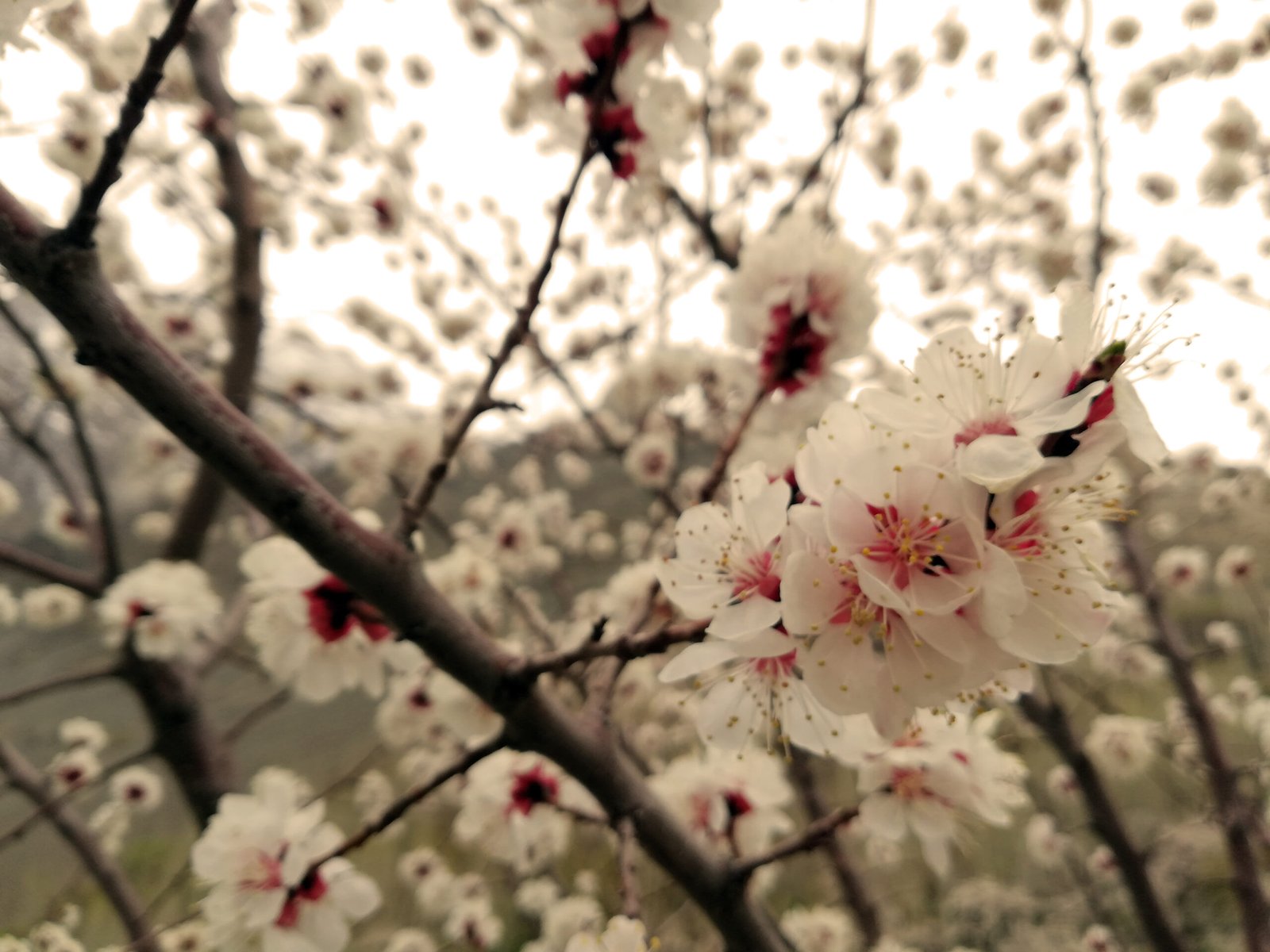
Photograph cherry blossom in Hunza from late March to mid-April 2027. Lower and central Hunza bloom first, and upper Hunza follows in the first two weeks of April. The best light is the first hour after sunrise and the last hour before sunset, when low sun warms the pink and white blossom against snow peaks. Start in Karimabad and Altit Fort, then work up the valley to Ganish, Ghulkin and Passu. Most of the blossom you will photograph is apricot, not cherry, and that is normal for Hunza. Plan your dates around the bloom, book your stay early, and treat the orchards with respect.
When is the best time to photograph cherry blossom in Hunza?
The short answer is late March to mid-April, but the exact week depends on where in the valley you stand. Blossom moves uphill as spring warms the valley. Lower villages open first, and the high villages of Gojal bloom last. A cold snap in March can push everything back by a week. A warm winter can pull it forward. Treat every date below as typical, and confirm locally before you travel.
| Place | Typical peak bloom | Notes for photographers |
|---|---|---|
| Lower Hunza, Karimabad and Aliabad | Late March to early April | First blossom in the valley, easiest access from the Karakoram Highway |
| Central Hunza, Altit, Baltit and Ganish | Late March to early April | Forts and old lanes in full bloom, best for fort plus blossom frames |
| Upper Hunza, Gojal, Ghulkin and Passu | 7 to 20 April | Later bloom, quieter orchards, Passu Cones behind the trees |
| Gilgit city and lower valleys | Mid-February to early March | Earlier than Hunza, useful if you arrive before the Hunza bloom |
The sweet spot for most visitors is late March to mid-April. In that window, lower and central Hunza are at their most vivid, and the snow line still sits high enough on the peaks to give contrast without blocking roads. Navroz, the spring new year festival, falls on 21 March, and it marks the cultural start of the season in Karimabad. The Khunjerab Pass usually reopens on 1 April, which opens the road deeper into Gojal for the upper valley bloom.
Expect cool mornings and mild afternoons. In Karimabad, March days average around 8 degrees Celsius with nights near minus 2, and April days average around 15 degrees with nights near 4. Dress in layers. Mornings at a viewpoint can feel cold, and the same afternoon in an orchard can feel warm.
Book your stay early. Blossom season is short, and rooms in Karimabad fill fast. Our guide to the best hotels in Hunza Valley covers Karimabad, Aliabad and Passu. If you want the full seasonal picture, read our cherry blossom guide for Hunza Valley and the spring blossom guide for all of Gilgit-Baltistan.
Where should you photograph blossom in central Hunza?
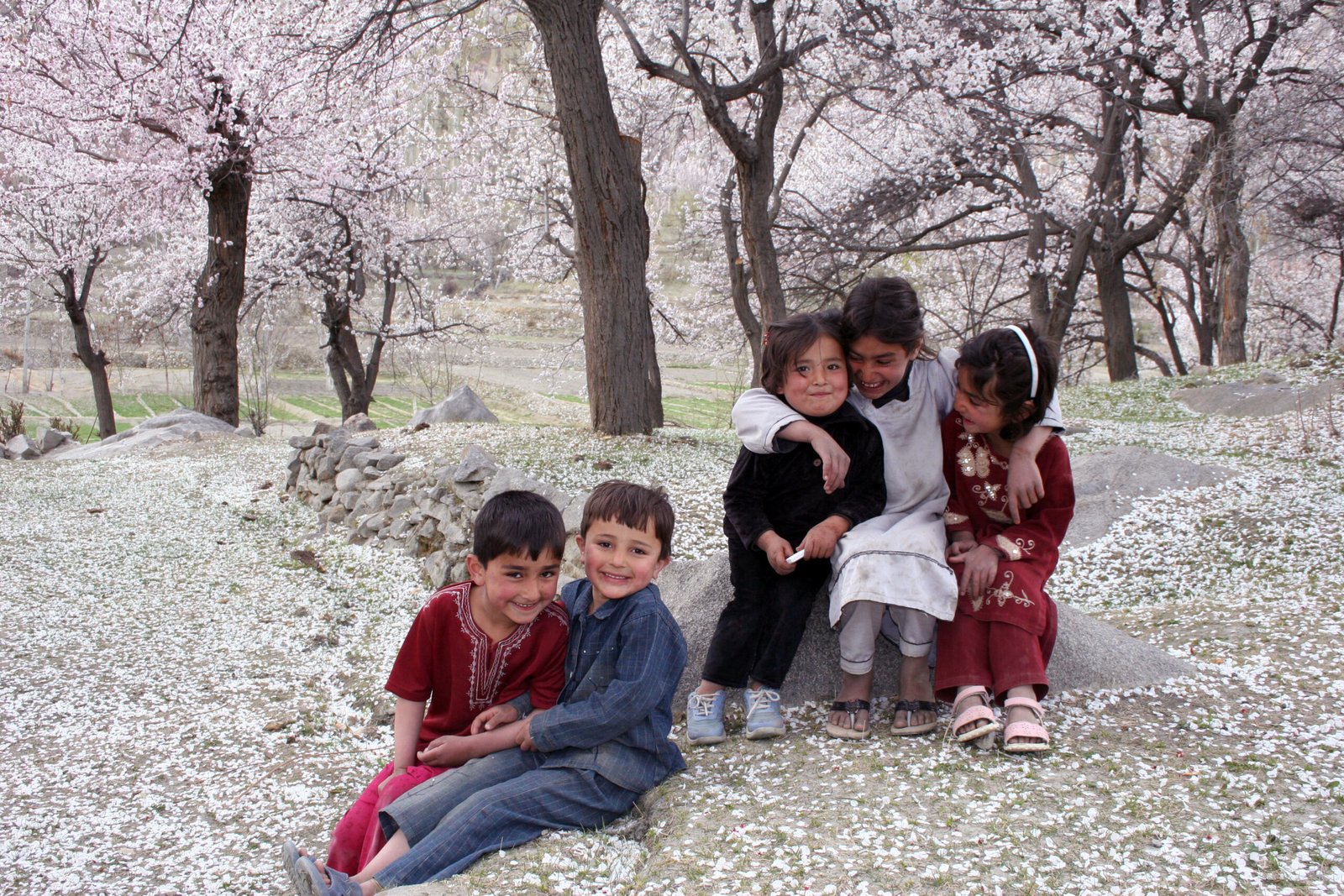
Central Hunza is where most photographers spend most of their time. Everything is close together. Karimabad, Altit Fort and the Duikar viewpoint sit within a short drive of each other, and the orchards run right through the old settlements.
Karimabad
Karimabad is the base for blossom photography in Hunza. The orchards sit below Baltit Fort, and the old town lanes run between blossom trees and stone houses. Walk the lanes in the early morning, before the day trips arrive. Look for blossom framing the fort from below, and for orchard rows that lead the eye toward Rakaposhi.
The town sits at about 2,440 metres, so the air is clear and the light is strong. Mornings are the quietest time, and the low sun lights the blossom from the side. That side light gives the flowers shape instead of flattening them.
Altit Fort
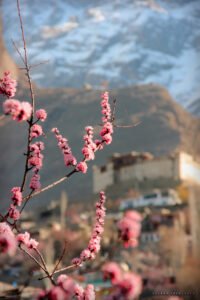
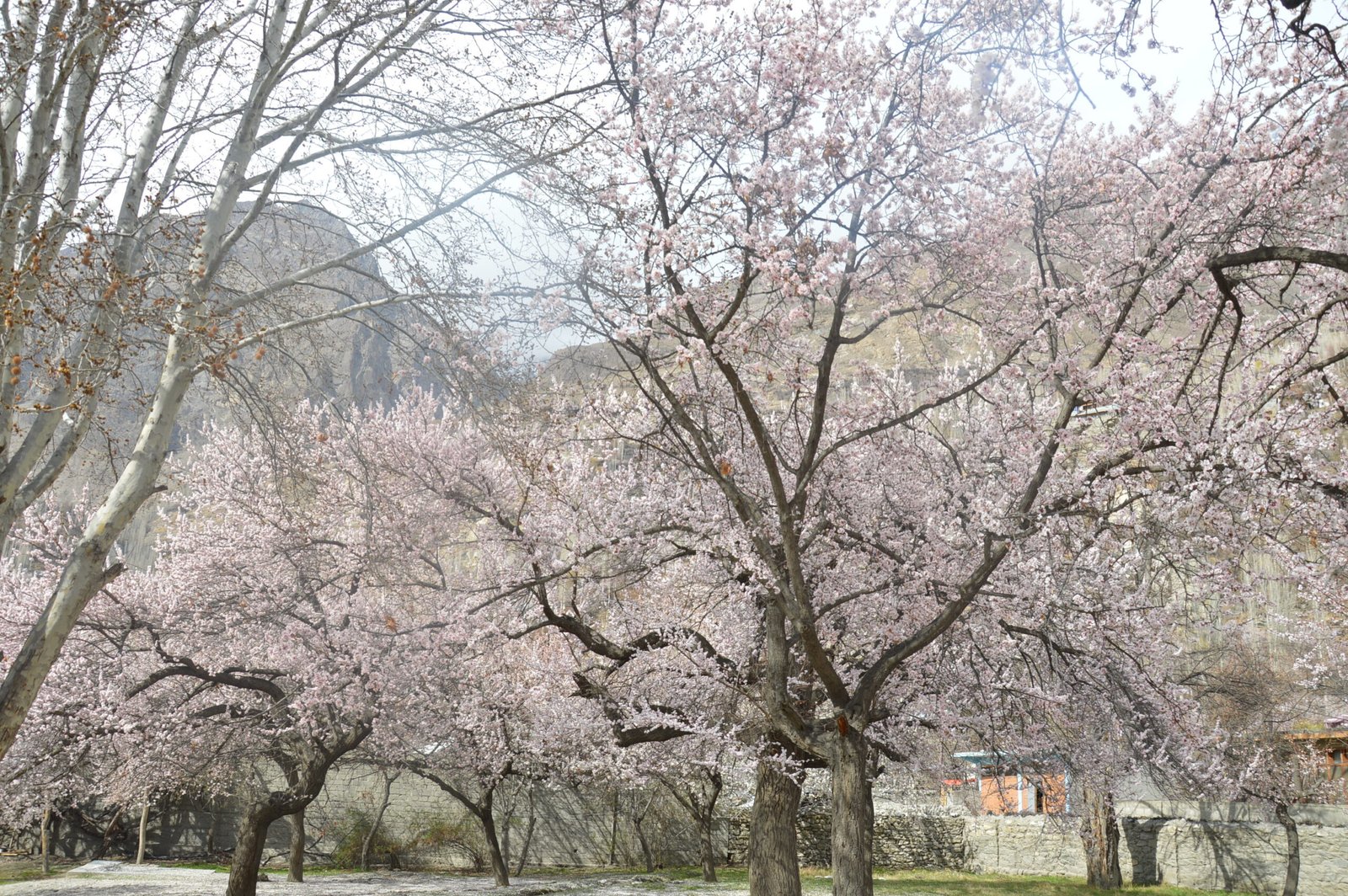
Altit Fort is the single best fort plus blossom frame in Hunza. Cherry blossom grows right around the fort, and the centuries-old stone walls sit above the village orchards. Shoot from the lanes below the fort in the morning, when the sun lights the blossom and the fort wall together. Then climb to the fort terrace for the wide view down the valley, with blossom in the foreground and the river far below.
Do not rush this spot. The best frames come from walking the village paths and finding a branch that frames the fort without blocking it. Keep the fort clear in the frame, and let one blossom branch sit at the edge.
Duikar and Eagle’s Nest viewpoint
Duikar, known for its Eagle’s Nest viewpoint, sits above Karimabad and looks down the whole valley. It is the classic sunrise spot. Arrive before dawn, set up early, and let the first light hit the peaks while the valley below is still in shade. Blossom in the foreground, with Ultar and the valley floor below, makes the sunrise frame work.
The viewpoint is a short drive above Karimabad, and the road is steep. Go with a local driver if you are not used to mountain roads. Mornings are cold at the viewpoint, so bring a warm layer even if the afternoon feels mild.
Where should you photograph blossom in upper Hunza?
Upper Hunza, the Gojal region, blooms later and quieter. The orchards are smaller, the villages are spread out, and the peaks feel closer. If central Hunza is crowded, the upper valley is where you find space.
Ganish
Ganish is one of the oldest settlements in Hunza, and its orchard lanes run between old houses with carved wooden balconies. The blossom here feels lived in, not staged. Walk slowly, look for blossom over a wooden balcony or a stone wall, and keep your voice down. People live here, and the lanes are their streets.
Ghulkin
Ghulkin sits in a wide part of the upper valley, with terraced orchards and open views. The blossom here peaks in the first two weeks of April, a week or two after Karimabad. The light is good all day because the valley is wide, and the orchard rows make natural leading lines toward the peaks.
Ghulkin is quieter than Karimabad, and that is its strength. You can work one orchard slowly instead of moving between crowds. Ask the orchard owner before you step off the path.
Passu and Attabad Lake
Passu is the far end of the blossom route for most photographers. The Passu Cones, a wall of sharp peaks, rise behind the village, and the blossom in the foreground gives the scale of the place. Shoot in the morning, when the sun lights the cones and the blossom together.
Attabad Lake, the turquoise lake in upper Hunza, sits on the road past Passu. Blossom grows at Hunza Zero Point on the road toward the lake, and the blue water makes a strong backdrop where the trees meet the shore. The lake is best in the late afternoon, when the sun is lower and the water holds its colour.
What light should you shoot in?
Light matters more than gear in Hunza. The valley runs roughly north to south, the peaks are high, and the sun moves fast. Plan your day around the light, not around a list of places.
Early morning, the first hour after sunrise. This is the best light of the day. The sun is low, the blossom glows pink and white, and the snow peaks catch the first light. Mist sometimes sits in the valley floor. Fewer people are out, and the orchards are quiet. This is the time for Karimabad lanes, Altit Fort and the Eagle’s Nest sunrise.
Golden hour, the last hour before sunset. The light turns warm and the forts glow. Blossom against a warm sky reads better than blossom in flat midday light. This is the time for wide valley views and for the Attabad Lake road.
Midday. The light is harsh and flat, and the blossom loses its colour. Use midday to scout. Walk a village, find your frames for the next morning, talk to orchard owners, and rest. If you must shoot, look for blossom in open shade, or shoot close-ups where the background is clean.
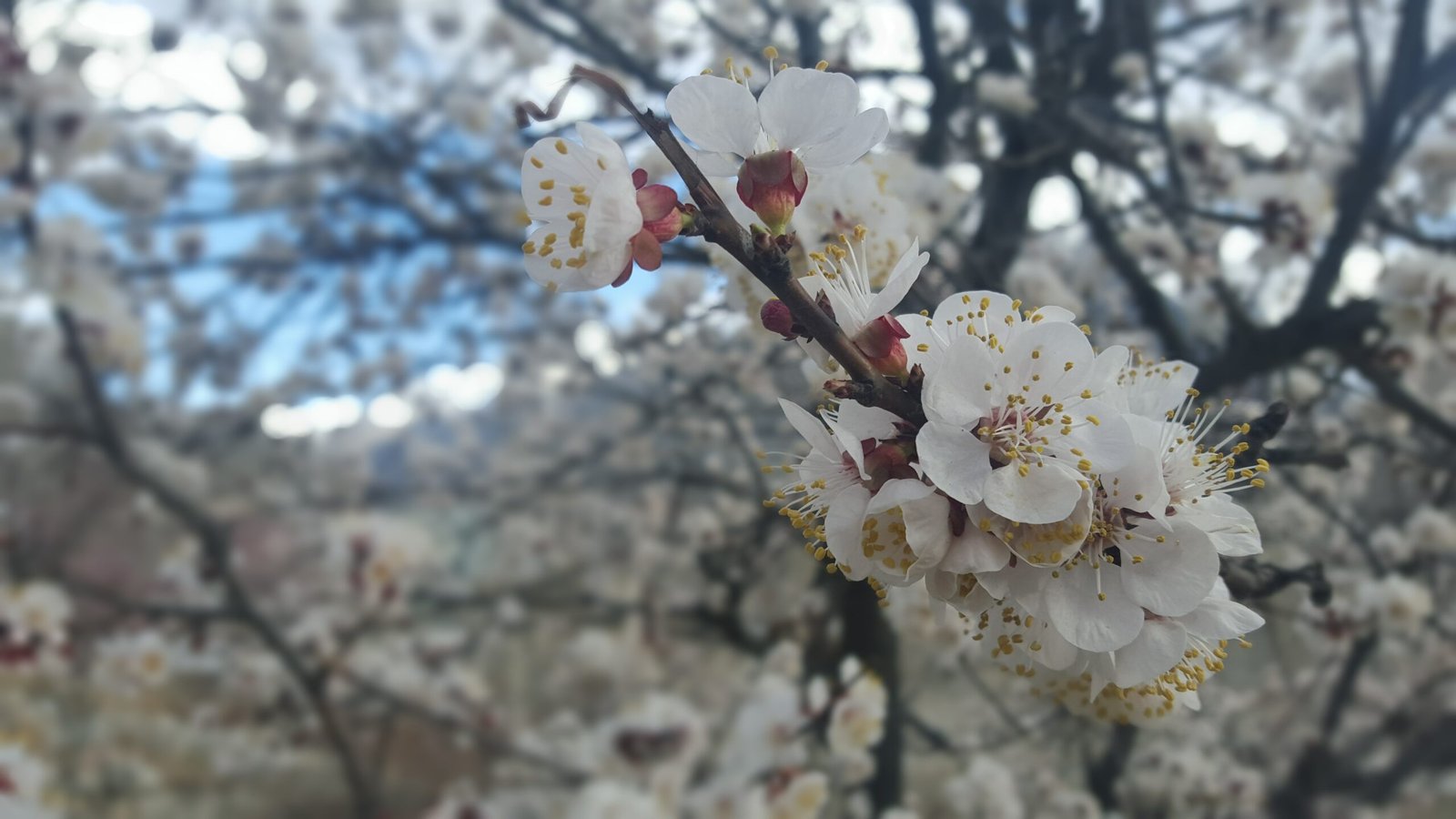
Overcast days. Do not pack up when the clouds come in. Soft, even light is good for blossom close-ups, and the colours stay true. Overcast light also suits orchard rows, where harsh sun would burn out the white flowers.
Snow peaks behind blossom. Put the sun behind you in the morning and keep the peak high in the frame with blossom low. Rakaposhi, at 7,788 metres, dominates the view from central Hunza. Ultar rises above Karimabad. A short lens keeps both the blossom and the peak in the frame. A long lens isolates one peak behind one branch.
How do you compose a strong blossom photograph?
Good blossom photographs in Hunza follow a few simple patterns. Learn them, then break them once you know why they work.
- Fort plus blossom. Frame Altit Fort or Baltit Fort through a blossom branch. Keep the fort clear and let the branch sit at the edge of the frame, not across the middle.
- Orchard rows. Use the lines of the trees to lead the eye toward a peak or a village. Stand at the end of a row and shoot down its length.
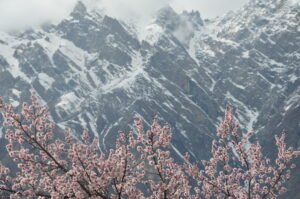
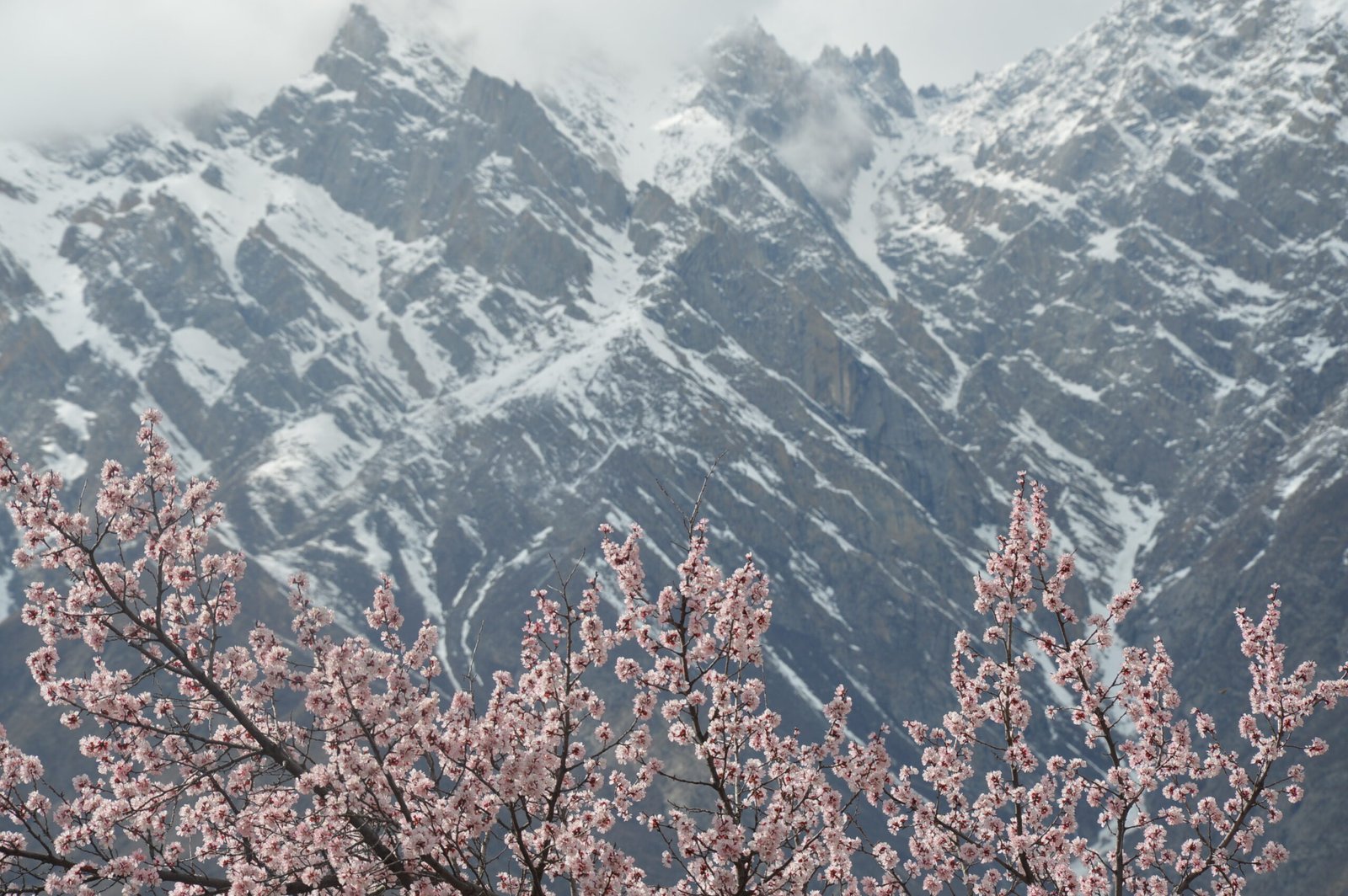
- Blossom against Rakaposhi and Ultar. Keep the peak high in the frame and the blossom low. The contrast between soft flowers and hard snow is the shot.
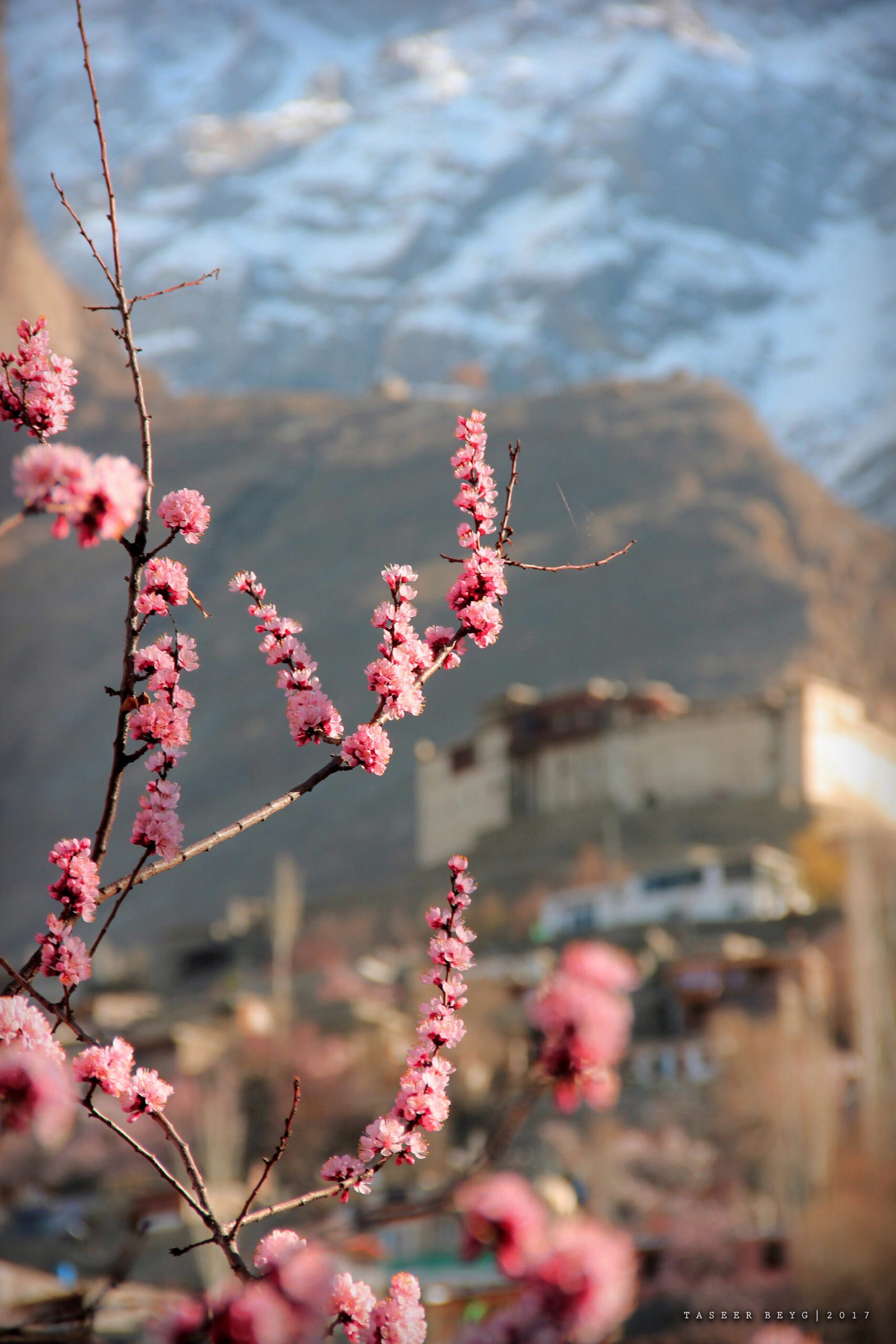
- Close-ups. Pick one branch, keep the background clean, and shoot in soft light. A busy background ruins a close-up faster than anything else.
- People for scale. A person standing under a blossom tree shows how large the orchards are. Ask first, and keep the person small in the frame.
- Reflections. Where blossom meets water, look for the reflection. The Attabad Lake road gives you blue water behind the trees.
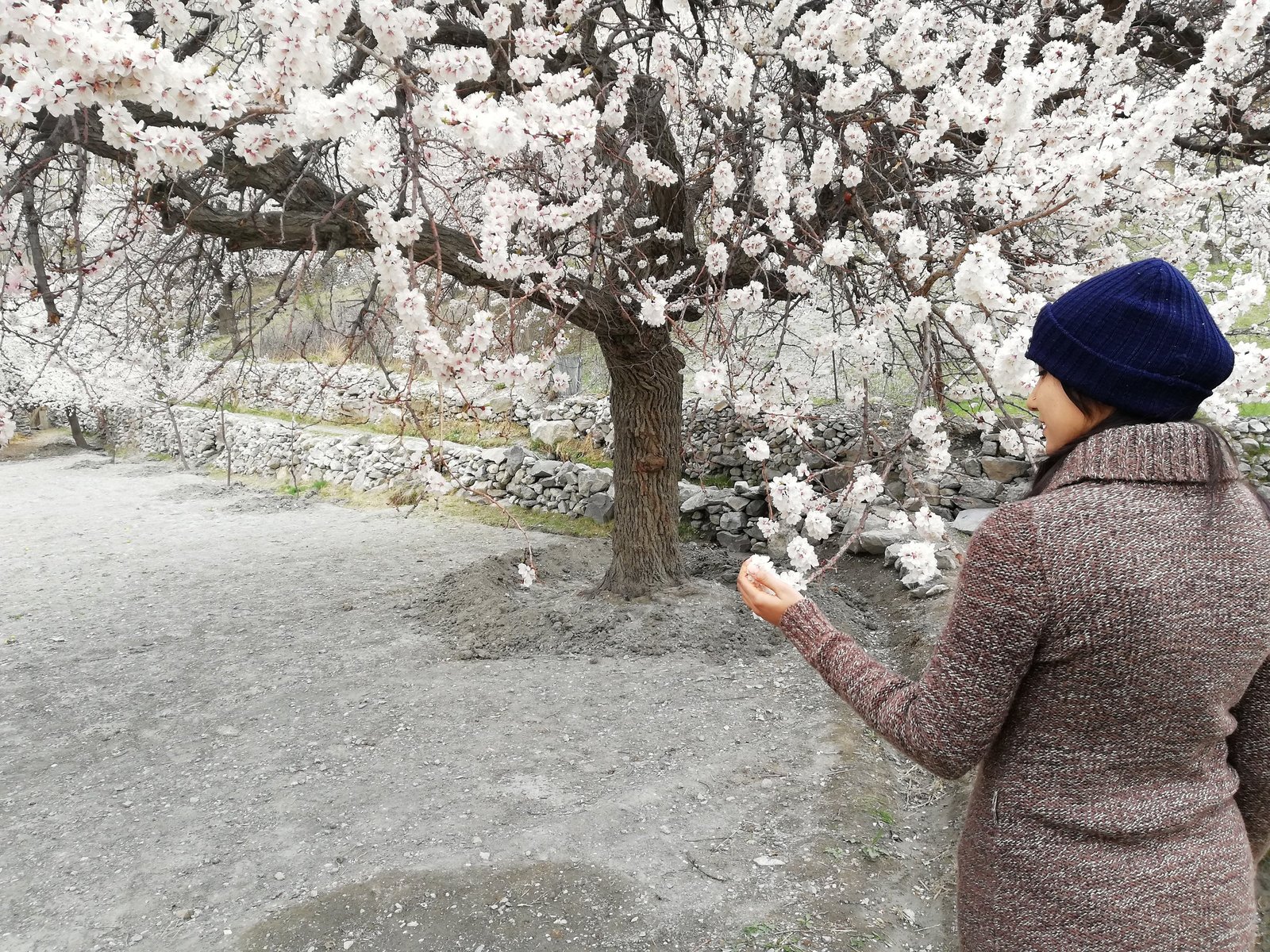
For more ideas on where to shoot across the whole region, see our best photography spots in Gilgit-Baltistan.
What gear do you actually need?
Keep it simple. The best camera for Hunza blossom is the one you already know how to use.
- Any camera works. A phone is fine for most blossom shots, and modern phones handle the bright snow and soft flowers well. A mirrorless or DSLR gives you more control, not better pictures by itself.
- A short zoom or a 35 to 85 mm equivalent lens covers orchards, forts and village lanes. A longer lens helps when you want one peak behind one branch.
- A spare battery and a power bank. Cold mornings drain batteries fast, and you will shoot more than you expect. A compact power bank in your pocket keeps your phone and camera going through a sunrise session. If you need one, the Anker PowerCore is a solid, pocket sized option that other travellers use for cold weather trips.
- A light tripod helps at Eagle’s Nest for sunrise, when the light is low and you want a steady frame. It is useful, not essential. Leave it behind if you plan to walk orchard lanes all day.
- A lens cloth. Spring wind lifts dust and pollen, and a dirty lens softens every shot. Wipe the lens before each session.
- Sturdy shoes. Orchard lanes are uneven, and village paths are stone. You will walk more than you drive.
Disclosure: this guide contains an Amazon affiliate link. If you buy through it, we may earn a small commission at no extra cost to you.
What is the etiquette for photographing blossom in Hunza?
Blossom season brings visitors into living villages and working orchards. The trees are not decoration. They are fruit trees, and the fruit feeds families. Follow these rules, and you will be welcome back.
- Do not break branches. Never pull a branch down for a shot, and never snap a flowering twig to take home. A broken branch loses a season of fruit.
- Stay out of private orchards without permission. If a wall or a gate marks the land, it is private. Ask the owner first. Most owners are happy to let you in if you ask politely and stay on the paths.
- Ask before photographing people. This matters most for women and children. A smile and a gesture toward your camera is enough to ask. If the answer is no, accept it and move on.
- Do not trample young crops or irrigation channels. Orchard floors are planted and watered. Stay on the paths between the trees.
- Keep drones away from villages and forts unless you have permission. Do not fly over people, homes or prayer spaces. Ask locally about drone use before you fly.
- Leave no litter. Take every wrapper and bottle with you. Blossom season brings more visitors, and the villages carry the waste.
What should you pack for a spring photography trip?
Pack light, but pack for cold mornings and warm afternoons. A short checklist covers most trips:
- Layers: a warm jacket for sunrise, a light layer for the afternoon
- A windproof outer layer for viewpoints like Eagle’s Nest
- Sun protection: sunscreen, sunglasses and a hat, since the sun is strong at altitude
- Sturdy shoes for stone lanes and orchard paths
- A power bank and a spare memory card
- A lens cloth and a small dry bag for dust
- Water and snacks, since village shops keep short hours in the early season
If you want the timing in more detail, see our companion guide on the best time for cherry blossom in Gilgit-Baltistan.
Frequently asked questions
When is the best time to photograph cherry blossom in Hunza?
Late March to mid-April is the best window. Lower and central Hunza bloom first, in late March to early April, and upper Hunza follows from 7 to 20 April. Timing shifts by a week or two with winter snowfall and spring temperatures, so confirm locally before you travel.
Where is the best place to photograph cherry blossom in Hunza?
Karimabad and Altit Fort are the best starting points, with orchards, old lanes and a fort plus blossom frame in one place. Duikar and Eagle’s Nest give the sunrise view over the valley. For quieter orchards, go up to Ganish, Ghulkin and Passu in the first two weeks of April.
Do I need permission to photograph in the orchards?
Yes, when the orchard is private. Most orchards in Hunza belong to families, and the trees are working fruit trees. Ask the owner before you step off the path. Most owners welcome polite visitors, and asking first is the difference between a guest and a trespasser.
What is the best time of day for blossom photography in Hunza?
The first hour after sunrise and the last hour before sunset give the best light. Low sun warms the blossom and lights the snow peaks behind it. Midday light is harsh and flat, so use it to scout locations for the next morning instead of shooting.
Is most of the blossom in Hunza cherry or apricot?
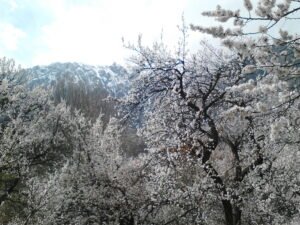
Most of it is apricot. Hunza has a few real cherry trees, but the wide white and pale pink display across the valley is apricot blossom. That is normal for Hunza, and apricot photographs just as well. Do not caption an apricot orchard as cherry blossom.
What should I pack for spring photography in Hunza?
Pack layers for cold mornings and mild afternoons, a windproof jacket, sun protection, and sturdy shoes for stone lanes. Bring a spare battery, a power bank, a spare memory card and a lens cloth. Cold mornings drain batteries fast, and spring wind lifts dust onto the lens.