Last updated: October 2026
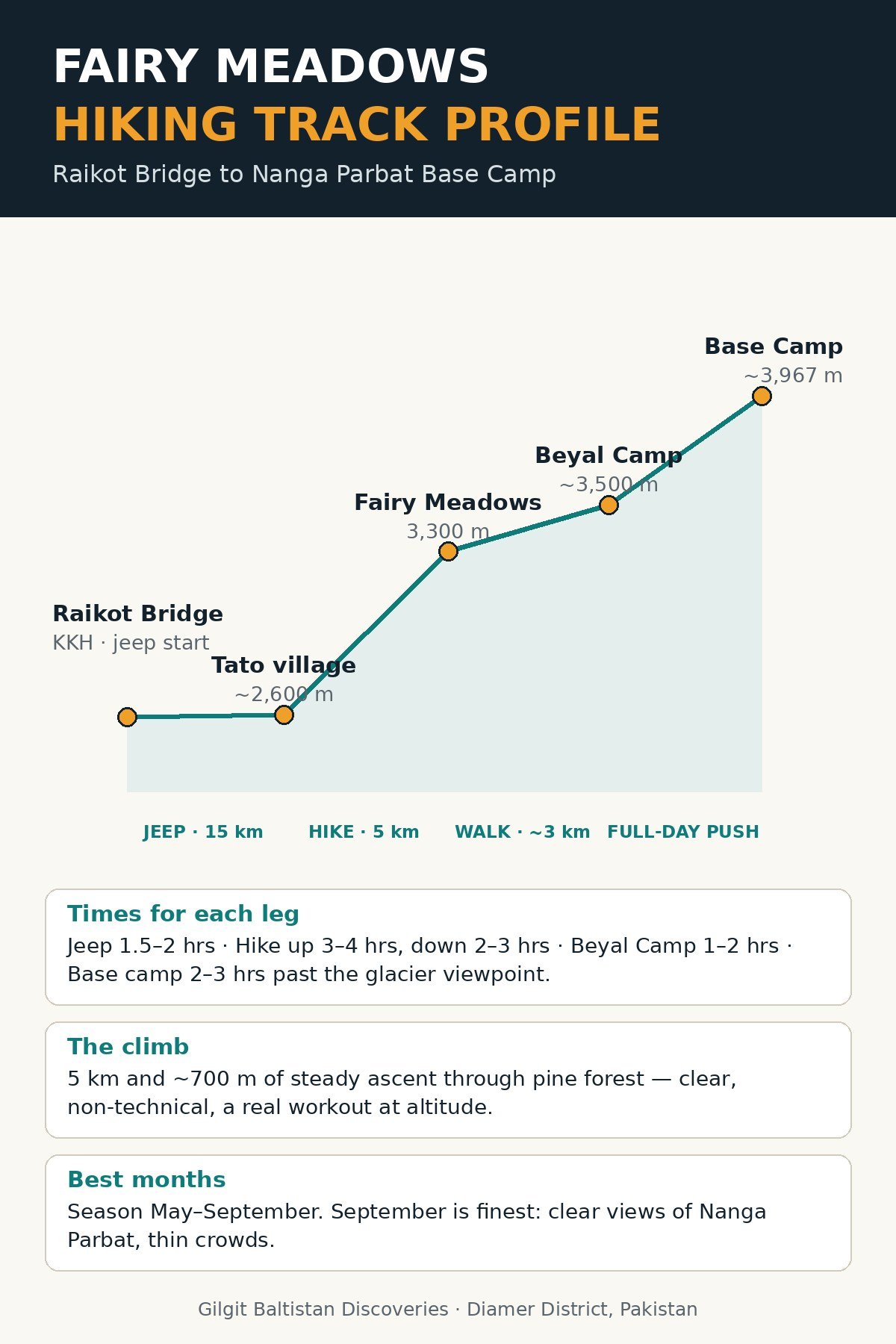
The short answer: The Fairy Meadows hiking track is the 5 km foot trail from Tato village (about 2,600 m) up to Fairy Meadows (3,300 m), in Diamer District beneath the Rakhiot Face of Nanga Parbat (8,126 m). Most walkers take 3–4 hours to climb it — a steady, non-technical ascent of about 700 m through pine forest. From the meadow, an easy extension of about 3 km leads to Beyal Camp (about 3,500 m), and strong trekkers can continue about 9 km one way from the meadow to the Nanga Parbat base camp area (about 3,967 m) as a full-day hike. The season runs May to September; September is the finest month.
The track at a glance
| Leg | Distance | Time up | Altitude | Notes |
|---|---|---|---|---|
| Raikot Bridge → Tato village (jeep) | 15 km | 1.5–2 hrs | up to ~2,600 m | Local union jeeps only — the trailhead leg, see below |
| Tato → Fairy Meadows (on foot) | 5 km | 3–4 hrs (fit: 2–3) | 2,600 m → 3,300 m | ~700 m ascent; descent 2–3 hrs |
| Fairy Meadows → Beyal Camp | ~3 km | 1–2 hrs | 3,300 m → ~3,500 m | Gentle, the best-value walk at the meadow |
| Beyal Camp → Raikot Glacier viewpoint | ~1.5 km | ~1 hr | rising | Glacier and the face, closer |
| Viewpoint → Nanga Parbat base camp area | ~4.5 km | 2–3 hrs | up to ~3,967 m | Full-day outing from the meadow (~9 km one way total) |
Getting to the trailhead, briefly
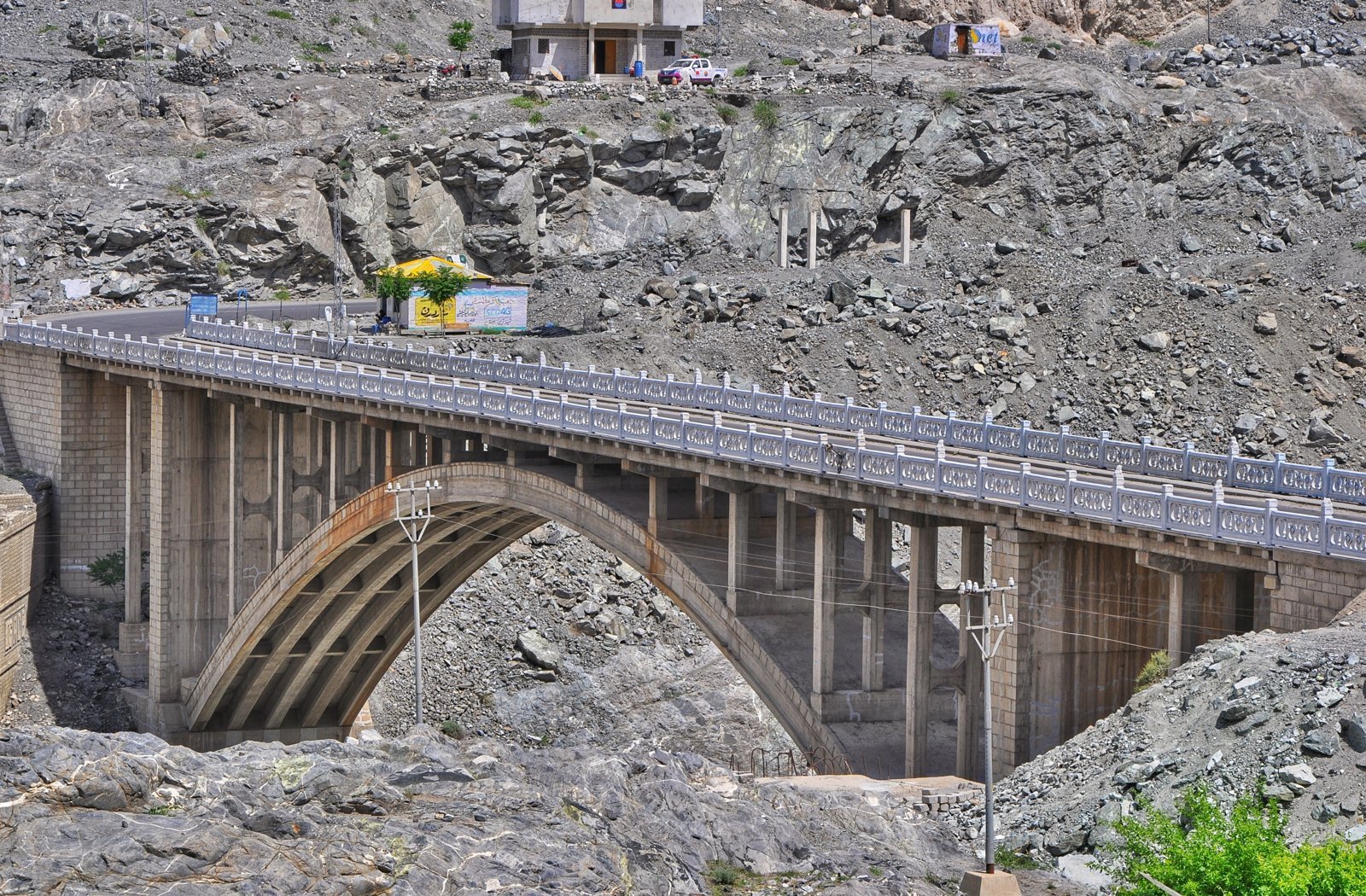
The hike starts where the road ends, and reaching that point is a journey in itself: Islamabad to Raikot Bridge on the Karakoram Highway is about 520 km (11–13 hours by road; about 460 km via the seasonal Babusar Pass), or fly to Gilgit and drive about 80 km south. At Raikot Bridge you transfer to a local union jeep for the 15 km gravel track to Tato village — 1.5 to 2 hours, about PKR 16,000–20,000 per jeep for the round trip (seats 5–6, so roughly PKR 3,000–4,000 per person in a full jeep; fares are set by the union and rise in the July peak). Private vehicles are not allowed up the track, and beyond Tato there is no road at all.
That is the summary. The full route — buses, flight-plus-drive option, where to break the journey, and the honest story of that jeep track — is covered step by step in our guide to travelling from Islamabad to Gilgit-Baltistan. If you want the whole journey planned purely as logistics, see the full route, jeep fares and timings for getting to Fairy Meadows.
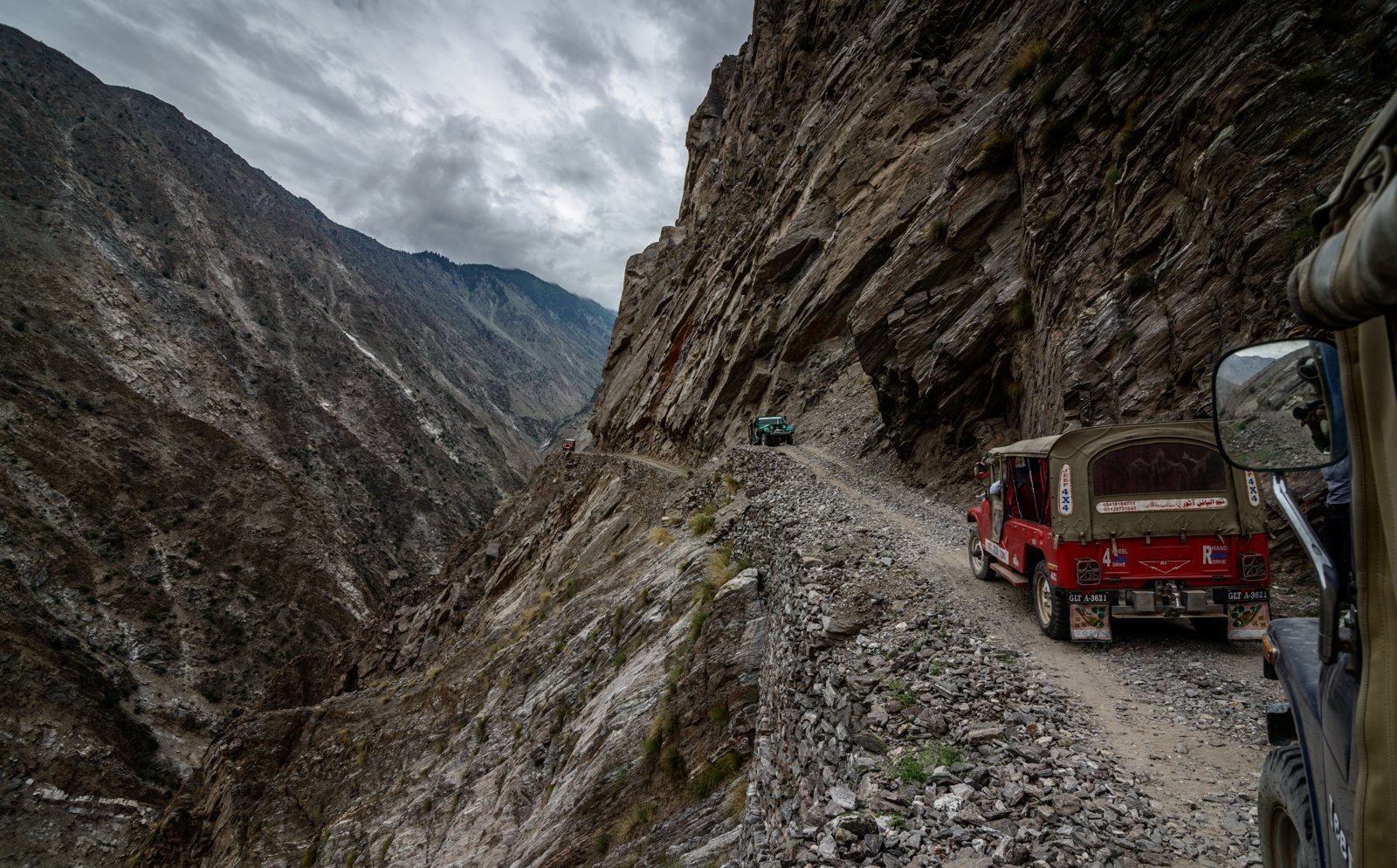
You will read that the jeep track was once declared among the world’s most dangerous roads. The attribution behind that claim cannot be verified at source, so treat it as folklore around a real truth: the track is narrow, unpaved and unforgiving of error, and it is driven daily by local drivers who know every bend. Take the union jeep, take it in daylight, and it is simply part of the adventure.
The hike: Tato to Fairy Meadows
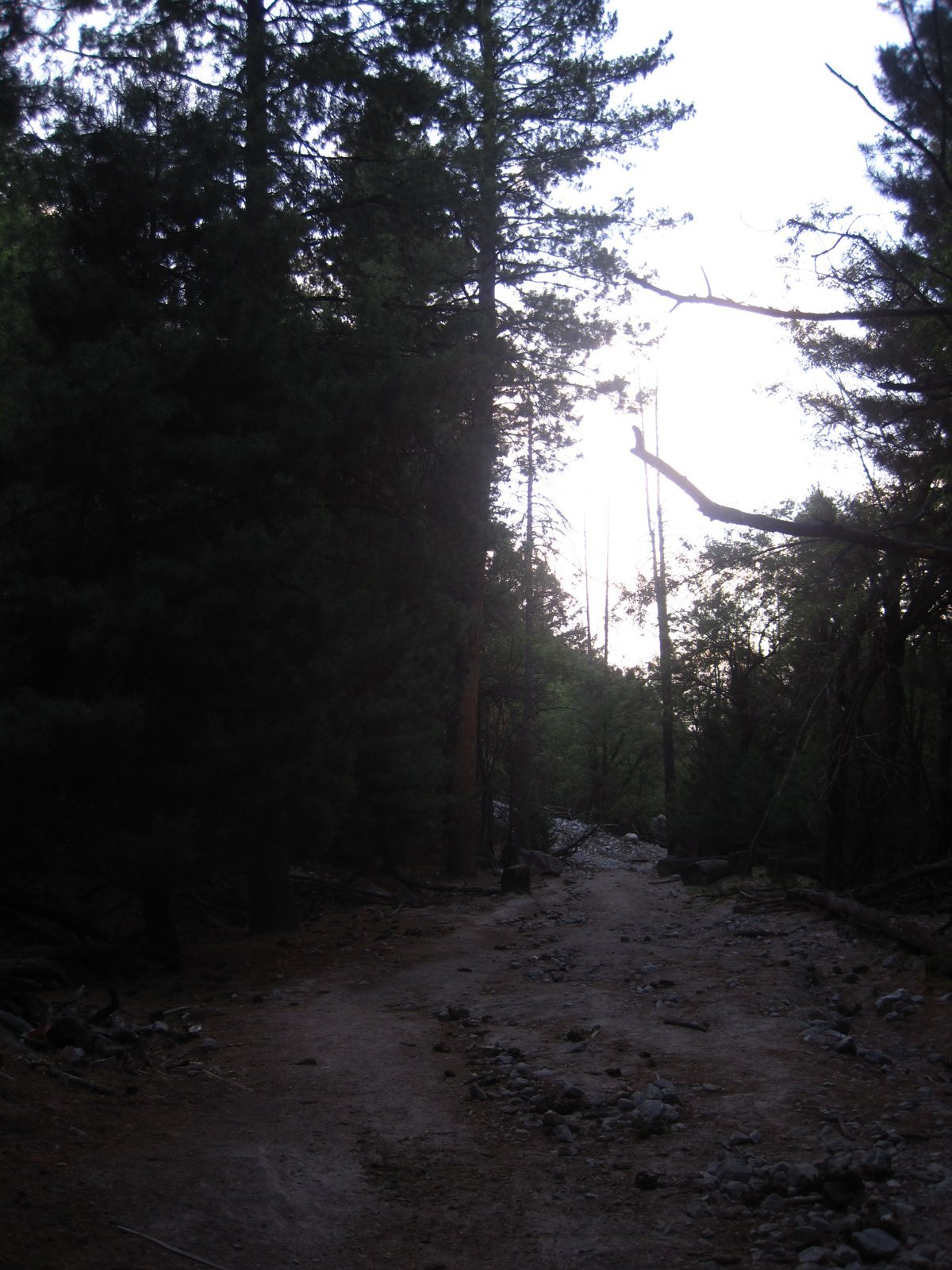
From Tato, the trail climbs steadily through pine forest the whole way — there are no flat kilometres to warm up on, and no technical sections either. It is a clear, well-trodden mountain path: what makes it a real workout is the combination of gradient and altitude. Somewhere around halfway, at roughly 3,000 m, unacclimatised walkers feel the climb change character; the meadow rewards everyone who paces it properly.
Honest pacing advice:
- Start early. The slope catches the sun; a morning start is cooler and puts you at the meadow for the afternoon light on the Rakhiot Face.
- Sleep low first if you can. A night in Chilas or Raikot before the climb makes a noticeable difference versus flying in and climbing the same day.
- Let a horse carry the bag. Horses at Tato cost roughly PKR 3,500–5,000 round trip and can carry your main luggage (or you). Porters are arranged for a negotiated fee — agree the price before anyone starts walking.
- Carry water, a warm layer and a rain shell in your daypack — weather at 3,300 m turns quickly, and there is no shop on the trail. Our Gilgit-Baltistan packing list covers the full kit, and the K2 Base Camp Trek Packing List is the expedition-grade version if bigger Karakoram objectives follow.
- The descent takes 2–3 hours and is harder on knees than on lungs. Poles help. Do not schedule a same-day descent plus a long KKH drive unless you must.
A realistic 3-day itinerary
Day 1 — Arrive and climb. Jeep from Raikot Bridge to Tato in the morning, hike to Fairy Meadows (3–4 hours), settle into a hut or your tent, and be outside for the evening light on Nanga Parbat. This is the view the meadow is named in German — Märchenwiese, “fairy-tale meadow” — for.
Day 2 — Beyal Camp, and base camp for the strong. Walk the gentle 3 km to Beyal Camp (1–2 hours) as a minimum — the Raikot Glacier comes close and the face fills more of the sky. Fit, acclimatised trekkers can continue via the viewpoint to the base camp area, about 9 km one way from the meadow: a full, serious day, started at dawn. Everyone else earns a slow afternoon in the meadow, which is not a consolation prize.
Day 3 — Descend. Morning in the meadow, hike down to Tato (2–3 hours), jeep back to Raikot Bridge, and continue on the KKH — north to Gilgit (about 80 km) or south to Chilas.
Two nights is the minimum this place deserves. A single-night trip turns the finest meadow in the Diamer into a photo stop between two hard travel days.
Fairy Meadows to Beyal Camp and Nanga Parbat Base Camp
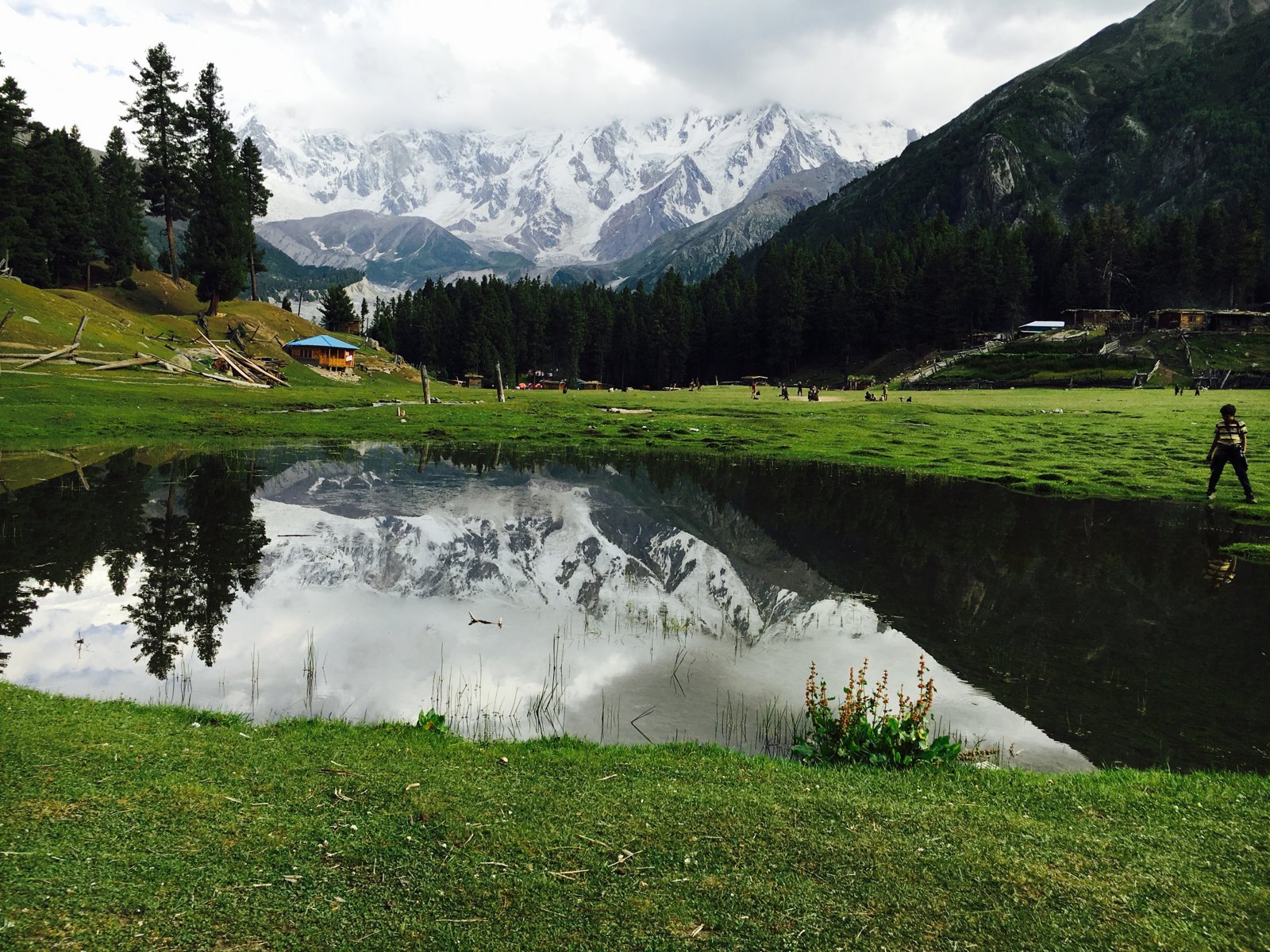
The walk beyond the meadow is the part visitors most often underestimate — in both directions. Beyal Camp is closer and easier than many expect: about 3 km of gentle trail, 1–2 hours, rising to roughly 3,500 m, with the glacier alongside and the Rakhiot Face growing larger with every step. If you do only one walk at Fairy Meadows, do this one.
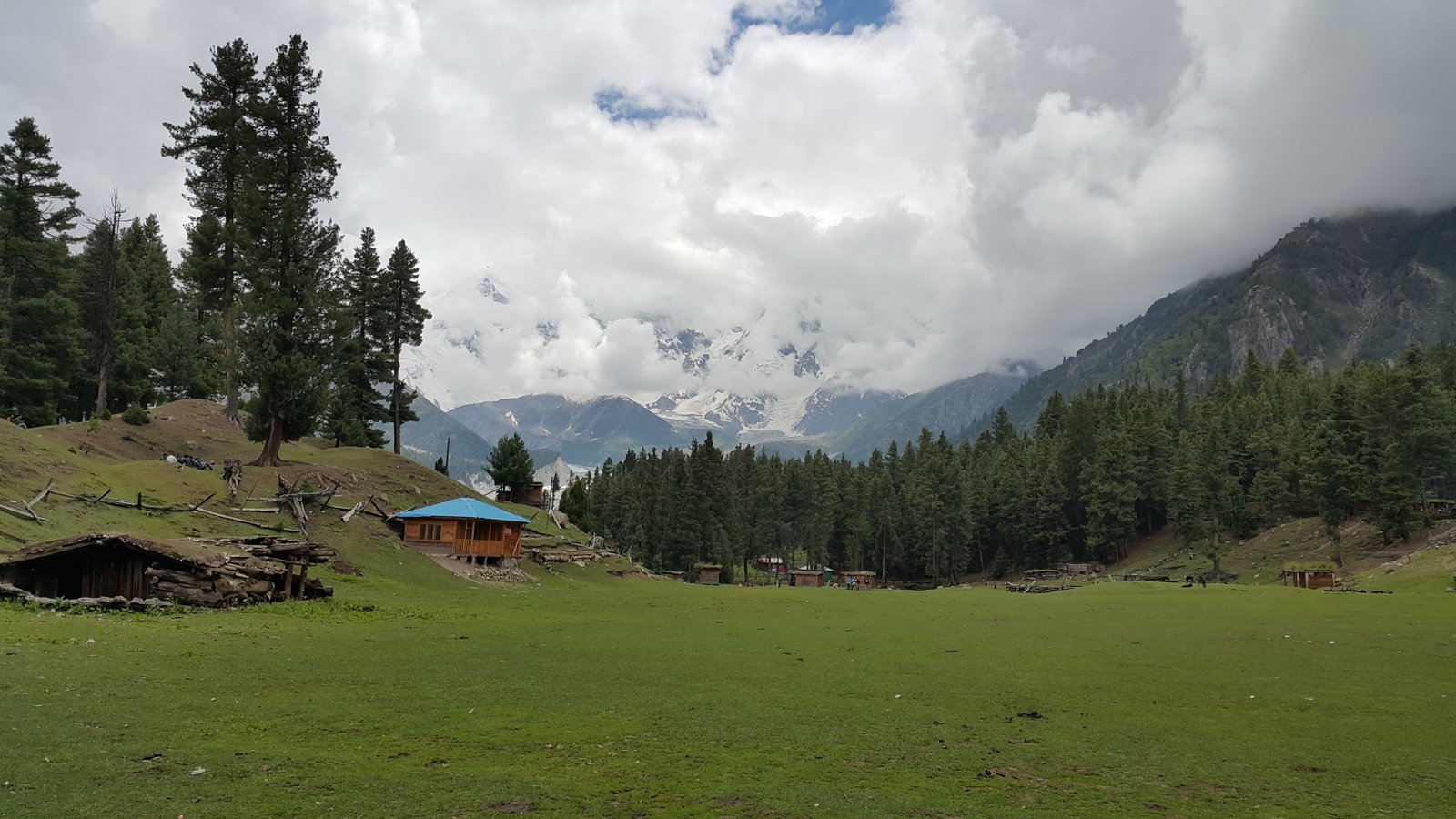
Beyond Beyal, the trail continues about 1.5 km to the Raikot Glacier viewpoint, then a further 4–5 km of rougher walking to the base camp area at about 3,967 m, used by expeditions climbing the Rakhiot Face. From the meadow that is roughly 9 km one way and a full day out and back — old versions of this guide quoted both 10 km and 18 km for this leg; measured by segments, about 9 km one way (18 km return) is the honest figure, which is where the confusion came from. You are day-hiking to the foot of an 8,126 m mountain: start early, carry more water than you think, and turn around on time, not on hope.
Best time for the hike
The Fairy Meadows season runs May to September. The jeep track and the huts operate in the same window; outside it, snow closes the upper valley.
- May–June: the greenest meadows, wildflowers, thinner crowds, cold nights.
- July–August: warmest and busiest; full jeeps and huts, and monsoon landslide risk on both the KKH and the jeep track.
- September: the connoisseur’s month — post-monsoon clarity, the most reliable Nanga Parbat views, cool bright days, and the crowds gone. If you can choose, choose September.
Where you sleep, and what to expect
You sleep in the meadow itself, in family-run wooden huts and campsites run by families from Tato — Raikot Serai is the best known. Cabins run roughly PKR 2,000–6,000 per night depending on the hut and the month; your own tent costs less. Expect a real bed, heavy blankets and wood-fire cooking — and calibrate the rest honestly: no grid electricity (solar charging at best), no hot showers as a rule, and no mobile signal beyond Raikot Bridge. By the second evening, most visitors count that as the point of the place. For a blunt expectations check before you commit, read what to expect — and what not to expect — at Fairy Meadows.
Common mistakes on this track
- Racing the altitude. Flying or driving in from the lowlands and climbing 700 m the same afternoon is the classic route to a ruined first night. Sleep low, start early, walk slowly.
- Trusting the optimistic timings. Any source promising Tato to the meadow in 80 minutes is describing a local with empty hands, not a visitor with a pack. Budget 3–4 hours.
- One night only. The meadow at dawn — the face turning rose, then gold — is the experience. One-night trips sleep through the logistics and miss it.
- Skipping Beyal. It is 3 gentle kilometres for the single best improvement in the view. Go.
- Wrong footwear. The descent is stony; trainers confess by Tato. Broken-in boots and poles earn their keep on the way down.
- No cash. Jeeps, horses, huts and porters are a cash economy, and there is no signal to rescue a dead wallet. Bring more rupees than your spreadsheet says.
FAQs
How long is the Fairy Meadows hiking track?
The hiking track from Tato village to Fairy Meadows is 5 km, climbing about 700 m from roughly 2,600 m to the meadow at 3,300 m. Most walkers take 3–4 hours going up and 2–3 hours coming down.
How difficult is the Fairy Meadows hike?
Moderate. The trail is clear, well-trodden and non-technical, with no route-finding — but it climbs steadily at altitude, so unacclimatised walkers will find it a genuine workout. Horses and porters at Tato can carry you or your luggage if needed.
How much does the jeep from Raikot Bridge cost?
Local union jeeps run from Raikot Bridge to Tato village (15 km, 1.5–2 hours) for about PKR 16,000–20,000 per jeep round trip in 2026, shared between 5–6 passengers — roughly PKR 3,000–4,000 per person in a full jeep. Fares rise in the July peak; confirm at the bridge.
What is the best month to visit Fairy Meadows?
September. The season runs May to September, but September brings post-monsoon clarity, the most reliable views of Nanga Parbat, thinner crowds and cool, bright trekking days. May and June are greener; July and August are warmest but busiest.
How far is Fairy Meadows from Nanga Parbat Base Camp?
About 9 km one way from the meadow, via Beyal Camp (3 km) and the Raikot Glacier viewpoint (a further 1.5 km), to the base camp area at about 3,967 m. It is a full-day out-and-back hike for fit, acclimatised trekkers.
Can I do Fairy Meadows as a day trip?
Technically, from Chilas or Raikot, yes — practically, it is a punishing squeeze of jeep, climb and descent with no margin for weather or delays, and you miss dawn on the mountain. Stay at least one night in the meadow; two is better.
Is there mobile signal or electricity at Fairy Meadows?
No mobile signal beyond Raikot Bridge, and no grid electricity — huts run on solar for lighting and limited charging. Download offline maps before the bridge and carry a power bank.