He arrived in Pakistan last April full of doubts.
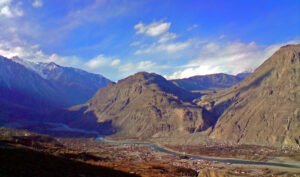
That is how Vũ Chi Lam opens his Hunza journal. Like many first-time foreign visitors, he had heard the worries before he had seen the place. Then he entered Hunza, and, in his own words, those worries were quick to disappear, replaced by fascination for the valley’s wilderness.
This is the first post in our new series, GB Through Foreign Eyes. We are not rewriting other travellers’ work. We are shouting out the people who actually came, telling you in our own words what they experienced — and adding the local context only someone from Gilgit-Baltistan can add.
Table of Contents
ToggleWho he travelled with
His guide was Peer Jahangir Qurban, a Hunza-born independent guide, who took him to his home village of Ghulkin. That detail matters. This was not a drive-by tour of viewpoints. It was a village-based journey, with a local guide showing his own home.
His route, in brief
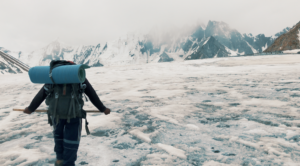
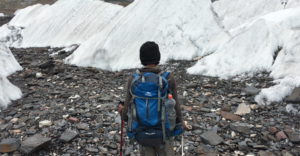
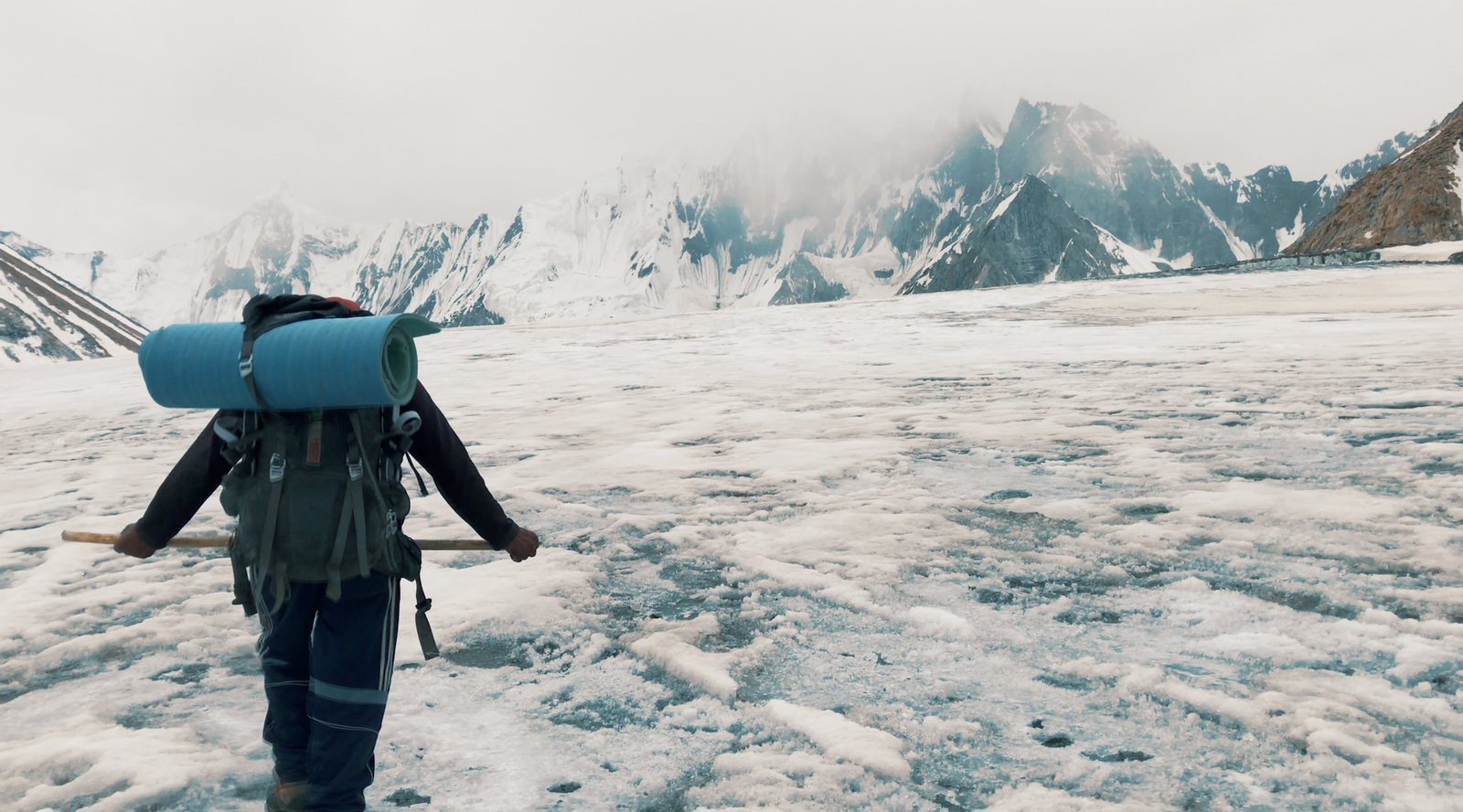
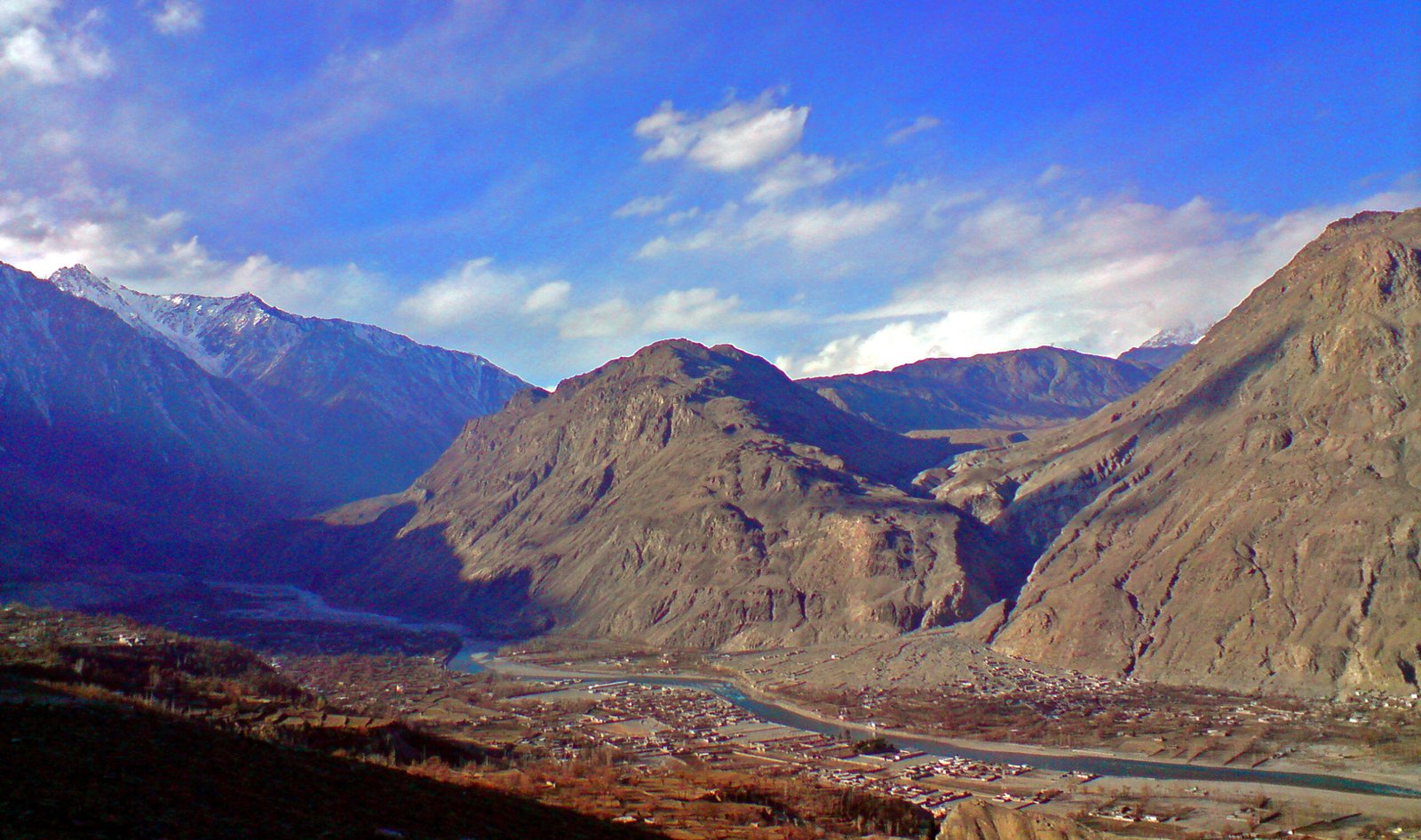
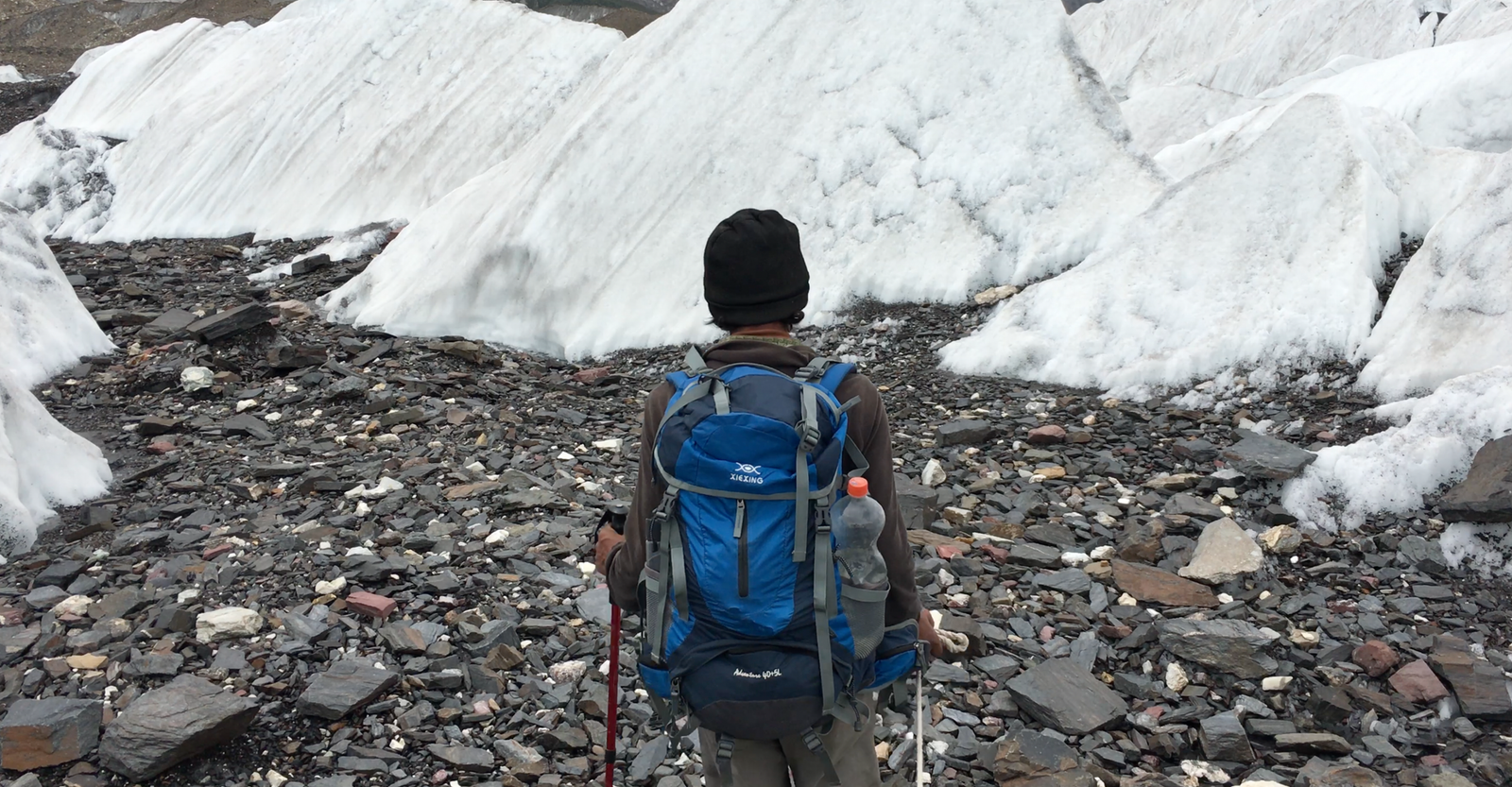
Hunza Valley, then the jeep road to Fairy Meadows for a view of Nanga Parbat, then back through Hunza’s glaciers, forts and villages — Passu, Gulmit, Eagle’s Nest, Hussaini Bridge, Attabad Lake and Borith Lake — ending in Ghulkin.
3 things he loved most
1. The slow life, not just the scenery
He spent ten days away from his phone and the internet. Walking in pine forest at Fairy Meadows, sipping coffee and chatting with locals, he wrote that he felt time had almost ceased to move. For a visitor from a busy city, Hunza’s slowness was the experience, not a break from it.
2. People who opened their homes
In Ghulkin, Peer’s mother cooked goat curry, mashed potatoes, white rice and naan for lunch. He wrote that the hospitality of the residents left him speechless. That is a line every GB host will recognise — and it is the line foreign visitors repeat most often.
3. A cultural exchange, not just a photo stop
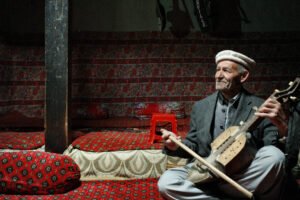
In Ghulkin he met Rehmat Ullah Baig, described as the last Ghizek player of Hunza — the Ghizek is a traditional instrument similar to a violin, which Baig made himself. Vũ Chi Lam had brought cultural products from Vietnam, including an Áo Dài and handicrafts, and they took a souvenir photo of Baig’s family with them. He called it his most memorable experience of the trip, and a fascinating cultural exchange.
1 thing that genuinely scared him
The jeep road to Fairy Meadows. He was worried to learn it would take two hours on a steep, twisting track, with mountain cliff on one side and a drop on the other. His guide reassured him about the drivers’ experience on that track, and he then continued on horseback with Sher Ullah and his horse Badal — Badal means “change” in Urdu — for a two-hour ride.
Our local note: Fairy Meadows road is famous for a reason. It is not a road to rush, and it is not for every driver. Go with a local driver who knows it, in daylight, and in season.
What locals should take from this
Three lessons stand out:
- Foreign visitors do not arrive convinced. They arrive doubtful, and Hunza wins them over in person. That first welcome matters more than any advertisement.
- They remember people and food and music at least as much as mountains. A home lunch in Ghulkin stayed with him longer than any viewpoint.
- They notice when a tradition is disappearing. The last Ghizek player was not a footnote for him — it was the highlight. Protecting that kind of living culture is also protecting tourism.
A few local corrections, said with respect
We are sharing his journey, not marking his homework, but locals will spot two geography points:
- Hoper Glacier, which he mentions alongside Passu Glacier, is in Nagar District, just across the valley from Hunza — not in Hunza itself. Hunza and Nagar are separate districts, and both deserve their names right.
- Baltit Fort’s UNESCO connection is often overstated. It received a UNESCO Asia-Pacific heritage conservation award in 2004; it is not listed as a UNESCO World Heritage Site. The fort’s history — Altit from the 11th century, Baltit with its older roots — needs no exaggeration.
Read his original journey
Full credit to Vũ Chi Lam (words) and Vũ Bách Lâm (photos), for Đẹp Magazine, July 2024.
Read the original, “My Fantastical Days in Hunza, Pakistan”, here: https://battrang.museum/en/journal/my-fantastical-days-in-hunza-pakistan/
If you are a foreign traveller who has visited Gilgit-Baltistan and written about it, we would love to feature your journey next — with full credit and a link back to you.
Related guides
For the places in this journey, see our Best Time to Visit Hunza Valley, Passu & Gojal: Cones, Glaciers and Upper Hunza’s Wild End, Hoper Valley: Glaciers, Villages and Nagar’s Quiet Side, How to Get to Fairy Meadows, and Best Time to Visit Gilgit-Baltistan.