Last updated: 12 November 2026
Short Answer
Navroz, the Persian New Year, falls on 21 March every year in Hunza and Nagar. In Hunza the main public gathering is at Karimabad Polo Ground, with prayers, music, polo matches and food, while the streets of Karimabad are decorated with blossom branches. In Nagar the festival is celebrated in village gatherings with shared food and the Chi Chi tradition. Navroz is a fixed date, it is not ticketed, and it falls right inside blossom season, which is why the two are always talked about together. Arrive by 20 March, book your room well ahead, and stay a few days after the festival to see the bloom move up the valley.
| Navroz at a glance | Detail |
|---|---|
| Date | 21 March, every year (spring equinox) |
| What it is | Persian New Year, "New Day" |
| Who celebrates it | Mainly the Ismaili community, also Shia communities across Gilgit-Baltistan |
| Main public gathering | Karimabad Polo Ground, Hunza |
| In Nagar | Village gatherings, shared food, Chi Chi tradition, start of ploughing |
| Tickets | None, public celebrations are open |
| Blossom link | Falls inside blossom season, mid-March to mid-April |
| Official status | Public holiday in Gilgit-Baltistan |
What is Navroz?
Navroz, also spelled Nowruz or Nauroz, means "New Day" in Persian. It is the Persian New Year, celebrated on the spring equinox, and it is one of the oldest festivals still observed in Central Asia, Iran and northern Pakistan. UNESCO placed Nowruz on its Representative List of the Intangible Cultural Heritage of Humanity in 2009.
In Gilgit-Baltistan it is celebrated mainly by the Ismaili community, which is the majority in Hunza and much of Gilgit, and by Shia communities across the region. The day marks renewal, gratitude and the start of the farming year. It is a public holiday in Gilgit-Baltistan, and celebrations take place in Gilgit, Hunza, Nagar, Ghizer, Astore, Skardu and Ghanche.
Navroz is a religious and cultural festival, not a tourist show. The public gatherings are open and welcoming, but the prayers inside Jamat Khanas are private community worship. That distinction matters, and visitors who respect it are welcomed warmly.
When is Navroz in Hunza and Nagar?
Navroz falls on 21 March every year. The date is fixed in the Persian calendar and it does not move, so you can plan a trip around it years in advance. It falls on the spring equinox, the day when light and dark are in balance and spring begins.
If you want to be in Karimabad for the Polo Ground gathering, plan to arrive by 20 March. The celebrations start early on the day itself, and the evening of 20 March is already part of the festival in family homes. Navroz week is the busiest stretch of spring in Hunza, so rooms in Karimabad fill first.
Our Best Time to See Cherry Blossom in Gilgit-Baltistan guide puts the festival inside the full blossom calendar.
What happens at Karimabad Polo Ground on 21 March?
The Polo Ground in Karimabad is the heart of Navroz in Hunza. On 21 March it fills with people in traditional dress, and the day runs as a public celebration rather than a staged performance.
- Prayers. Special prayers are offered for prosperity and the year ahead. Congregations are also held in towns across the region.
- Music. Traditional music leads the day, above all the surna, a loud wind instrument, and the dohl, the drum. Together they are the sound of celebrations across Gilgit-Baltistan.
- Polo. Local polo matches are played on the ground, and they draw the biggest crowds of the day. Polo is the traditional game of the mountains, and Navroz is one of its great occasions.
- Food. Special dishes are prepared and shared. Families bring food to relatives and friends, and the eating is communal.
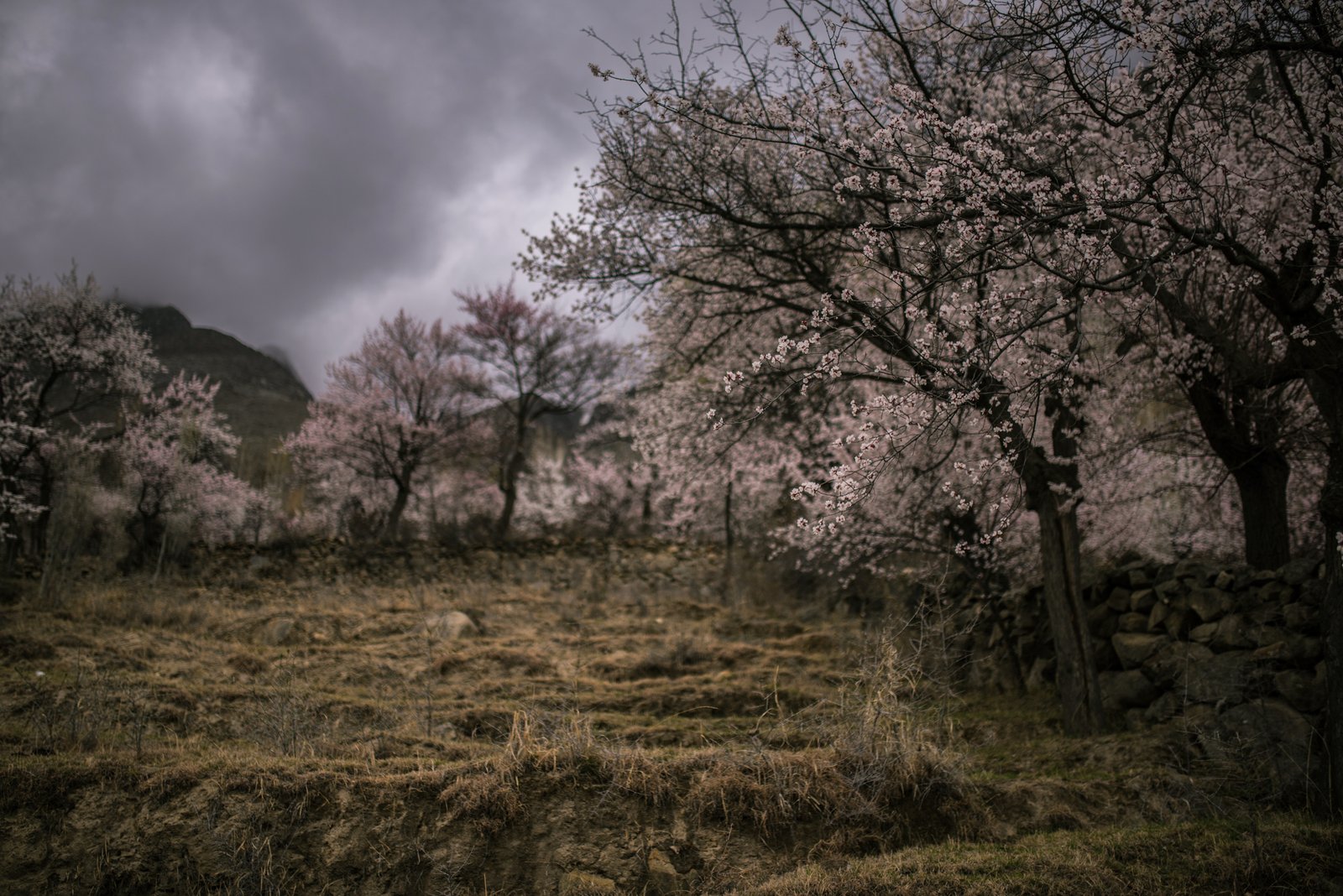
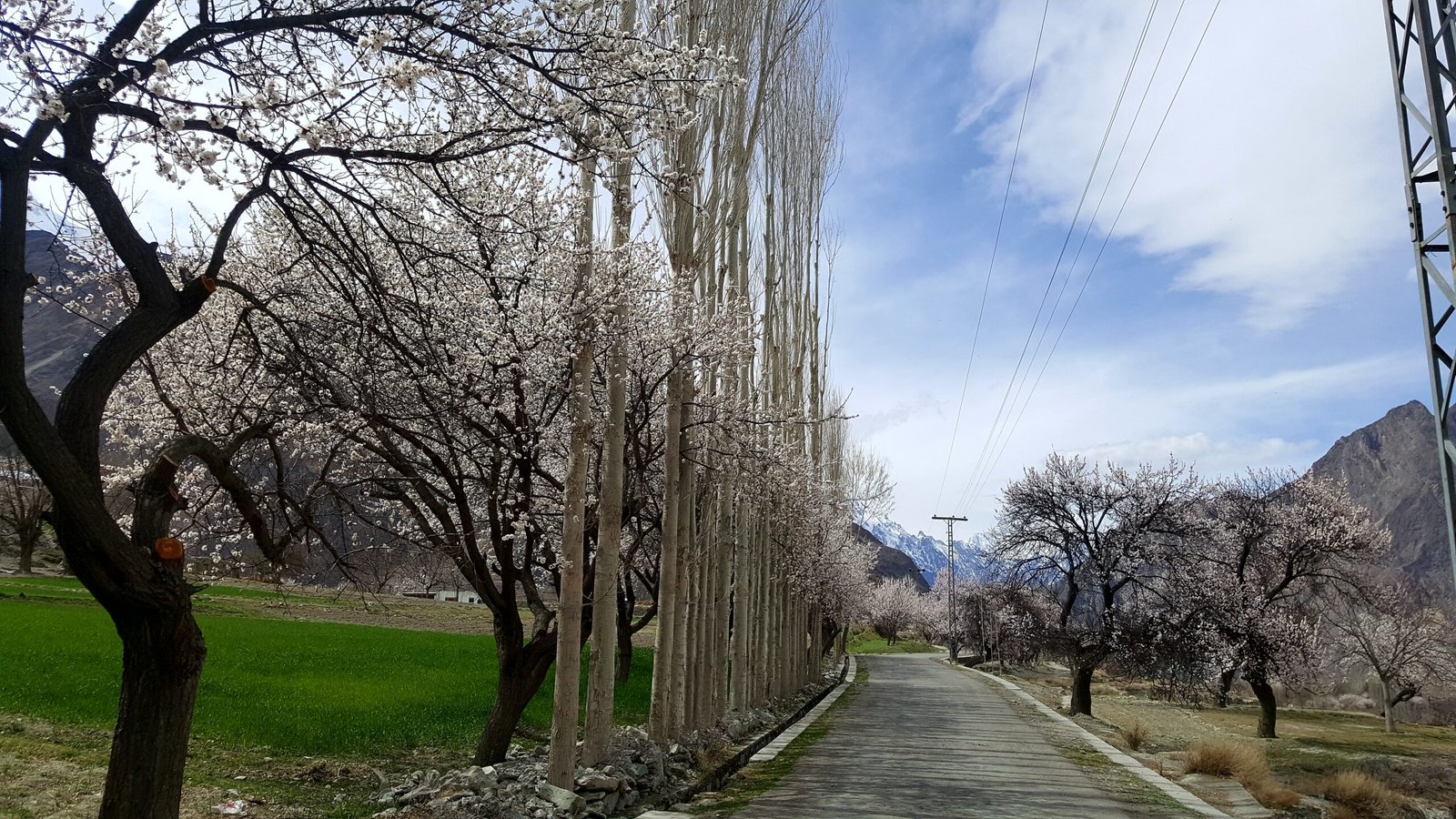
- The streets. The streets of Karimabad are decorated with spring flowers and blossom branches, and the bazaar stays lively through the day.
There is no ticket for the public celebrations. If your travel dates fall on 21 March, you can walk to the Polo Ground and join the crowd. Dress modestly, ask before photographing people, and remember that you are a guest at a community festival, not an audience at a show.
What is the night before Navroz like?
The evening of 20 March is when families prepare, and it has its own traditions that visitors rarely see but should know about.
Families gather at home as evening comes. A central custom is the pouring of Mutoo Doodth, also called Dumanum Mamu, fermented milk or yogurt, shared among the family. Fiti, a special bread, is baked for the occasion. Children receive bukak, fava beans lightly salted and often strung together into necklaces, as a symbol of blessing and protection.
Around midnight, women and children apply Masma, also called Sharong, henna on their hands and sometimes in their hair. Henna at Navroz is a ritual that links generations, not decoration for its own sake. Young girls also play rope games, and the house is cleaned and set in order for the new year.
These are family customs, not public events, so do not expect to witness them unless a local family invites you in. If you are invited, it is a genuine honour.
How is Navroz celebrated in Nagar?
Navroz is celebrated in Nagar too, and this guide covers both valleys. Nagar marks the day in its villages rather than at one big public ground, and the feeling is quieter and more local than the Karimabad gathering.
Village gatherings bring women, children and elders together for Chi Chi, a village-wide sharing of dried fruit and homemade sweets. A much loved part of the tradition is a newborn baby, dressed in new clothes, being placed on the shoulders of an elder who carries the child a short distance, while the baby’s family brings dry fruits and traditional dishes for everyone present.
Navroz in Nagar also marks the start of the farming year. As one Nagar resident put it, people start to plough their fields around Nauroz, and the festival and the agricultural season begin together. That link between festival and farming is older than any tourism calendar.
No single public venue in Nagar has been verified as the main Navroz ground, so this guide does not name one. If you are staying in Nagar on 21 March, ask your guesthouse host where the village gathering is, and go with them. Our Apricot Blossom in Nagar Valley guide covers the valley’s blossom spots, Minapin, Hoper and the Rakaposhi side.
What do families eat and share at Navroz?
Food at Navroz is made to share, and the sharing is the point. The dishes most often named are Mamtu, steamed dumplings, Chapshuro, a meat pie, and Harisa, a slow-cooked grain dish served communally. Fiti bread, dried fruit and homemade sweets are prepared in every home, and neighbours exchange dishes and sweets through the day.
In the villages, families carry food to each other’s houses, and special dishes are distributed to relatives and friends. Children and women dress in new clothes and go from house to house greeting each other. If you are invited to a home, accept what is offered, eat with your right hand, and thank your hosts before you leave.
One practical note: restaurants in Karimabad are open on Navroz, but the best food of the day is in homes and at the Polo Ground, not on a menu. Chapshuro and local dishes are easy to find in the bazaar in the days around the festival.
How does Navroz line up with blossom season?
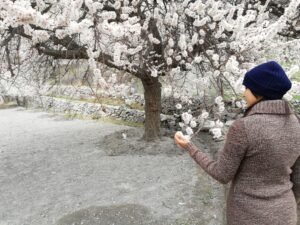
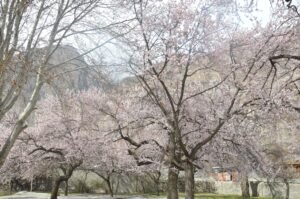
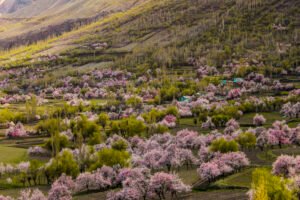
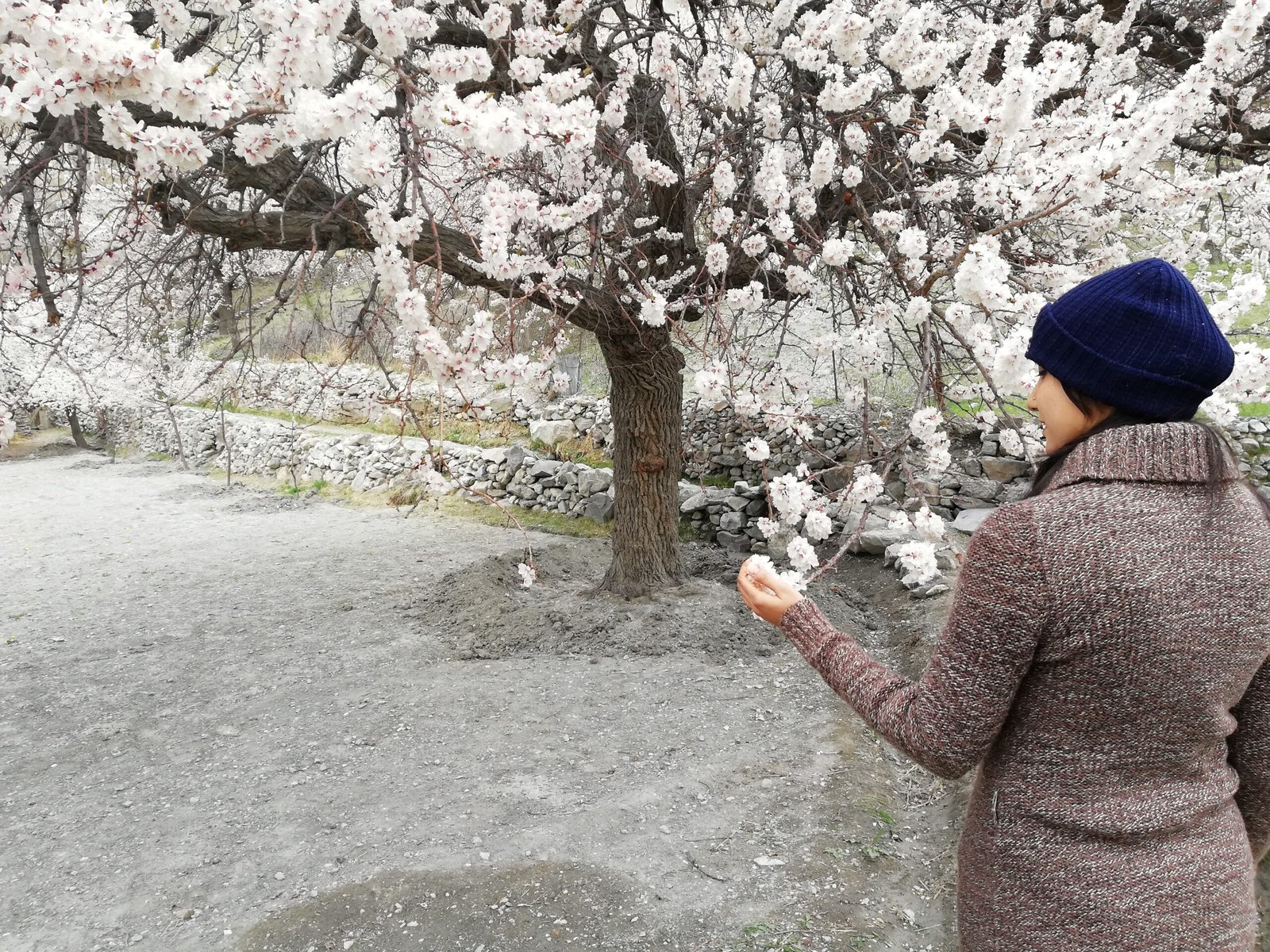
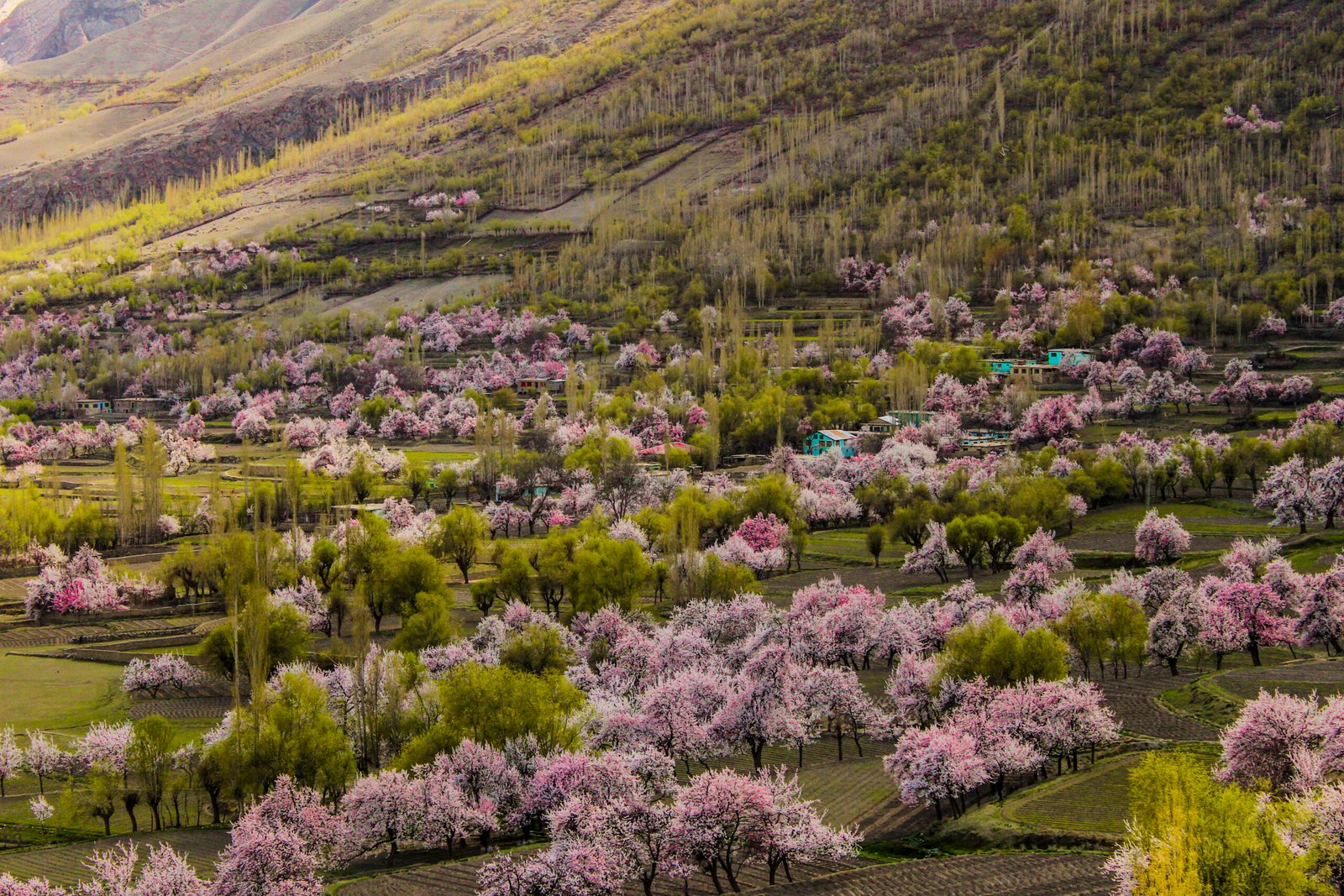
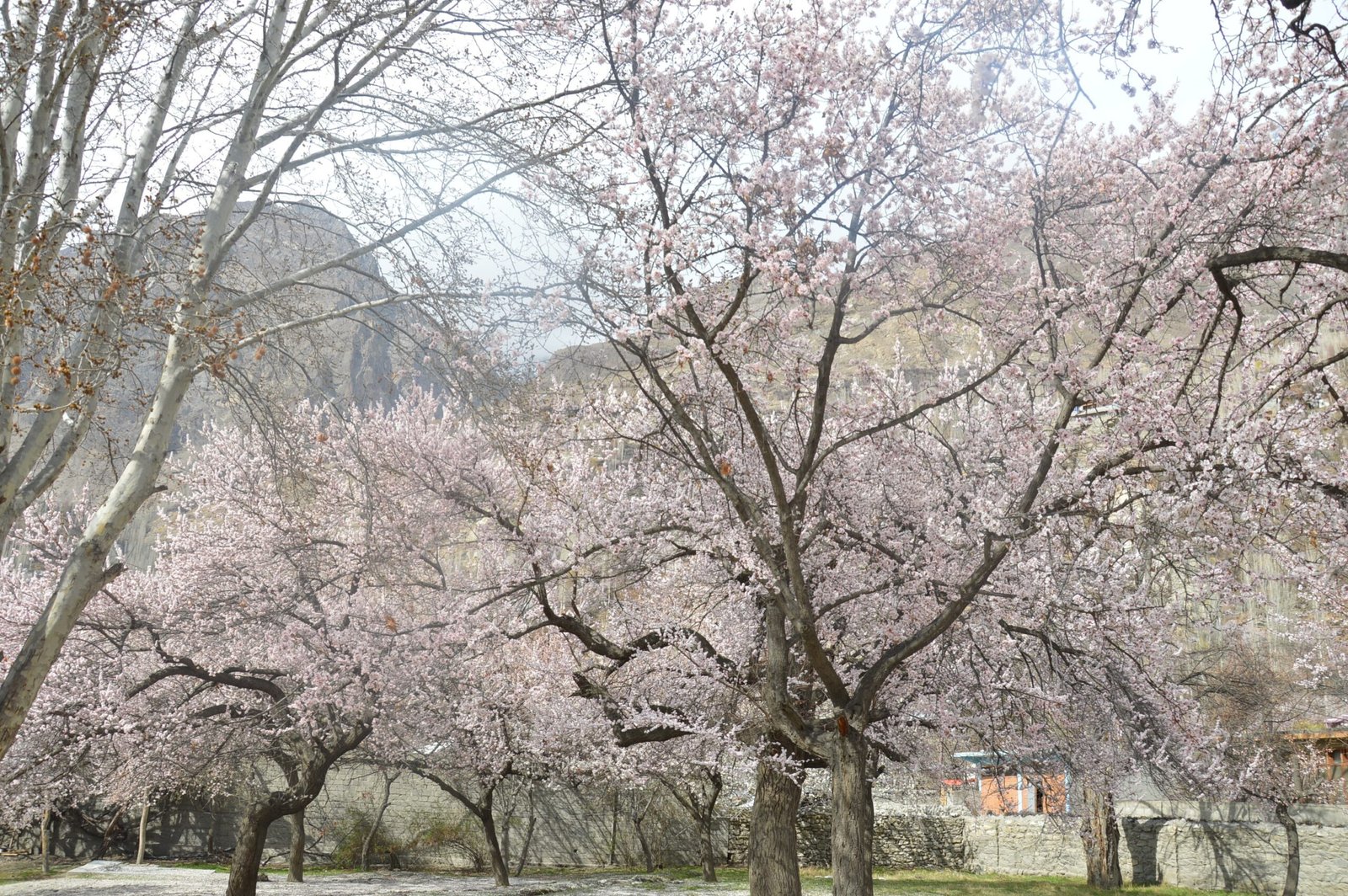
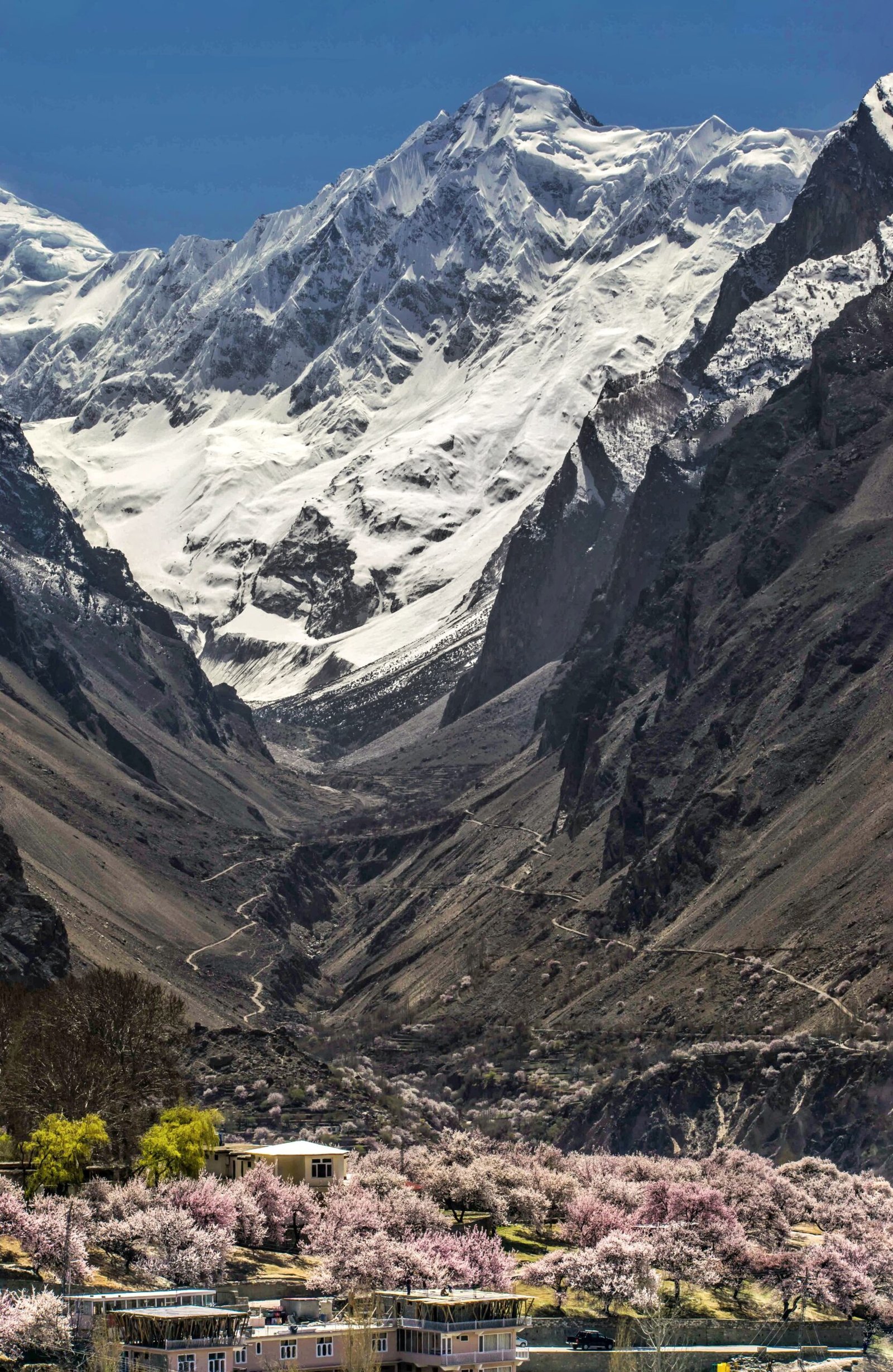
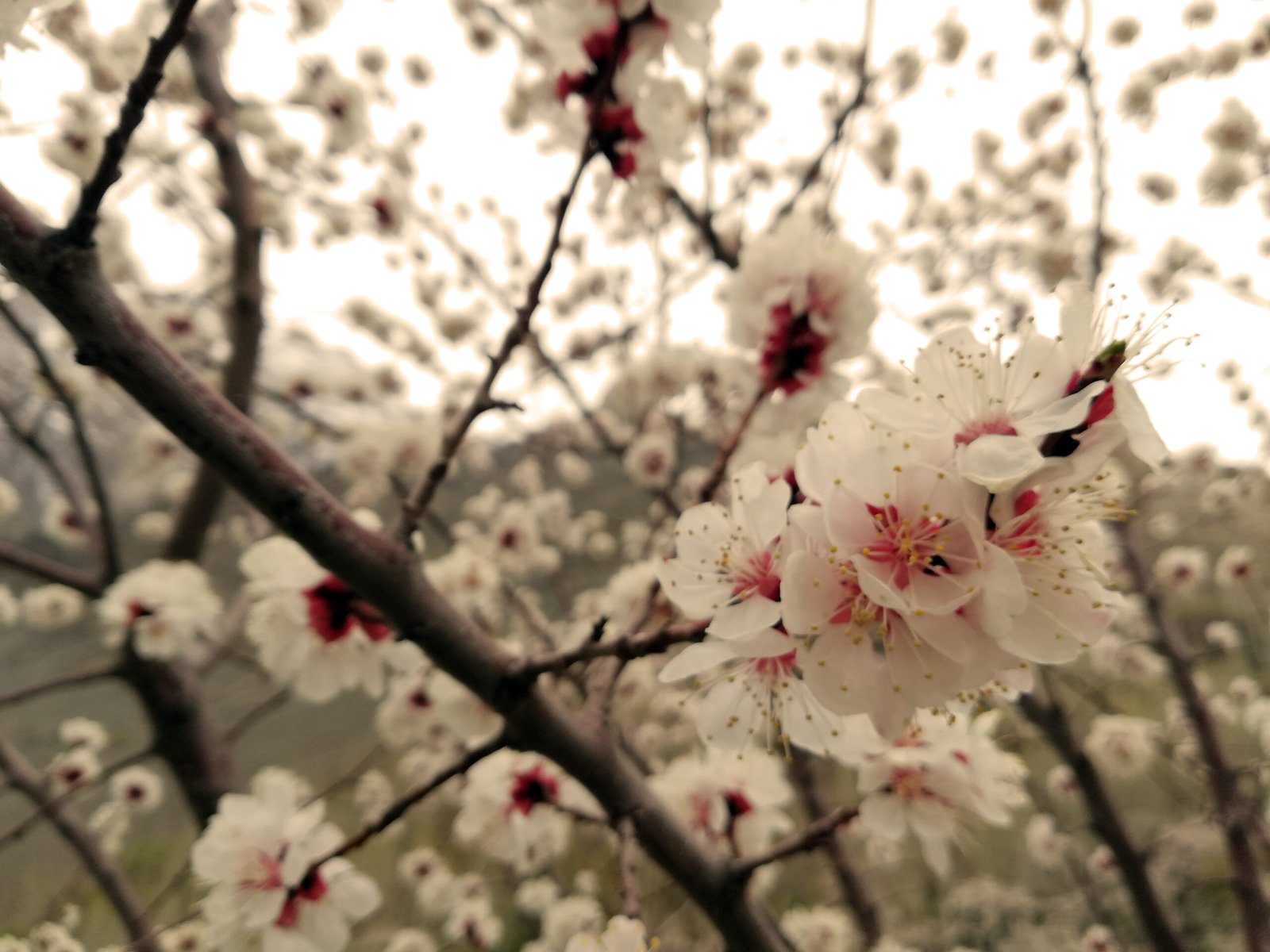
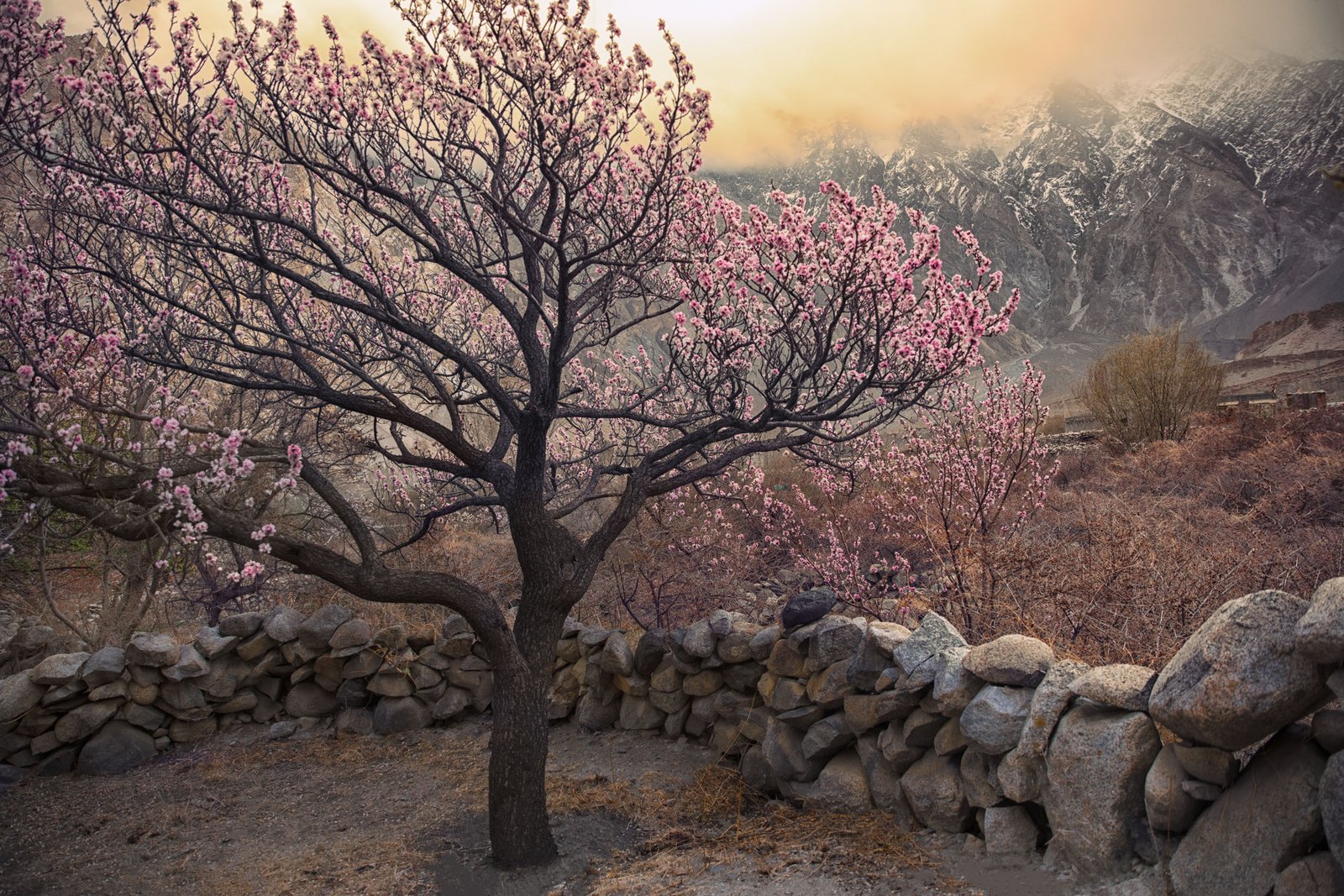
Navroz falls right inside blossom season, and that timing is why the festival and the bloom are always mentioned together. The blossom follows altitude like a slow wave up the valley, so the festival catches the early bloom in the lower villages while the upper valley is still a week or two away.
| Zone | Typical bloom | What it means for Navroz |
|---|---|---|
| Lower Hunza, Karimabad and Aliabad | Mid-March to early April | In bloom on 21 March in most years |
| Central Hunza, Altit and Ganish | Late March to early April | Opening just after Navroz |
| Upper Hunza and Gojal, Gulmit, Ghulkin and Passu | Early to late April | Still to come, worth staying on for |
| Nagar, Minapin and Hoper | Late March to mid-April | Opening around and after Navroz |
The display is mostly apricot, with a few real cherry trees among them, plus almond, peach and apple blossom. Bloom timing shifts by one to three weeks with winter snowfall and cold snaps, so treat every date as typical and confirm locally before you travel.
If you stay a few days after 21 March, you can watch the bloom move up the valley, from Karimabad to Altit, then to Gulmit and Passu. Our Cherry Blossom in Hunza Valley guide covers the valley’s blossom spots zone by zone, and our Spring Blossom in Gilgit-Baltistan guide covers the whole region valley by valley.
Can visitors join the Navroz celebrations?
Yes. The public celebrations at Karimabad Polo Ground are open, there is no ticket, and visitors are welcome to watch the polo, listen to the music and walk the decorated streets. The atmosphere in the bazaar and on the roads to the Polo Ground is genuinely welcoming.
A few points of etiquette make the day better for everyone:
- Prayers are private. Special prayers are offered in Jamat Khanas and Imam Bargahs. Join only if you are invited.
- Ask before photographing people. Wide shots of the ground and the blossom are fine. Close portraits need permission, especially of women and children.
- Dress modestly. Hunza is relaxed by Pakistani standards, but Navroz is a religious festival. Cover shoulders and knees.
- Do not treat it as a show. The polo, the music and the food are a community celebrating its new year. Watch, enjoy it, and be a guest.
- Book ahead. Navroz week is the busiest stretch of spring. Rooms in Karimabad fill first, and prices tighten. Our Where to Stay in Hunza During Blossom Season guide covers Karimabad, Duikar, Aliabad and Gojal.
How do I plan a trip around Navroz?
The simplest plan is to arrive in Hunza by 20 March, spend 21 March at the Polo Ground and in the bazaar, then use the following days for blossom walks and the forts.
- Getting there. Fly to Gilgit, then drive the Karakoram Highway to Karimabad, or drive the full KKH from Islamabad. Roads in March are usually open, but confirm locally before you travel, since late winter weather can still close passes.
- Where to base yourself. Karimabad is the base for Navroz itself. Duikar, above Karimabad, gives the sunrise view over the valley. Aliabad is a quieter alternative a short drive away.
- What to do after 21 March. Visit Baltit Fort and Altit Fort, walk the orchards of Ganish, and drive up to Gulmit and Passu as the bloom opens. Our 7-Day Hunza Valley Itinerary runs Karimabad to Khunjerab without rushing, and our Hunza Cherry Blossom Tour: A 5-Day Itinerary is built around the bloom itself.
- What to pack. March mornings and evenings in Karimabad are cold, at about 2,400 m, so bring layers, a warm jacket and comfortable walking shoes for the stone lanes and terraces.
- Combine it with Nagar. Cross the river to Minapin after the festival and see the Nagar side of the bloom, which runs a little later. The two valleys are separate districts with different characters, and together they make the fullest spring trip in Gilgit-Baltistan.
- Festival context. Navroz sits inside a longer spring season. Our Gilgit-Baltistan Festival Calendar lists polo, harvest and Shandur dates across the year.
Want this trip planned for you? Plan your trip with Explore Nagar Travels, Gilgit-Baltistan local, and tell them you want to be in Karimabad for Navroz.
Frequently Asked Questions
Is Navroz always on 21 March?
Yes. Navroz falls on 21 March every year, on the spring equinox, and it is a fixed date in the Persian calendar. It does not move like Eid. If you want to be in Karimabad for the Polo Ground gathering, plan to arrive by 20 March, because the celebrations start early on the day itself.
Can tourists attend Navroz in Hunza?
Yes. The public celebrations at Karimabad Polo Ground are open, and there is no ticket. Visitors are welcome to watch the polo, listen to the music and walk the decorated streets. Prayers inside Jamat Khanas are private community worship, so join only if invited. Ask before photographing people, and dress modestly.
What is the best time to visit Hunza for Navroz and blossom?
Arrive between 15 and 20 March. Navroz falls on 21 March, and lower Hunza is usually in bloom by then, with Karimabad and Altit peaking from late March into early April. Stay a few days after the festival to see the upper valley open up. Book rooms well ahead, because Navroz week is the busiest stretch of spring.
How is Navroz celebrated in Nagar?
Nagar marks Navroz in its villages with family gatherings, shared food and the Chi Chi tradition, where women, children and elders meet and a newborn is carried on an elder’s shoulders. The festival also marks the start of the farming year, and ploughing begins around this time. Village gatherings are the heart of it.
What food is served at Navroz?
Families prepare Mamtu dumplings, Chapshuro meat pies, Harisa and Fiti bread, plus fermented milk dishes and dried fruit. Food is made to share, and neighbours exchange dishes and sweets through the day. If you are invited to a home, accept what is offered, eat with your right hand, and thank your hosts before you leave.
Is Navroz the same as the Cherry Blossom Festival?
No. Navroz is the Persian New Year, a religious and cultural festival fixed on 21 March. It happens to fall inside blossom season, which is why the two are linked in travel writing. Jashn-e-Baharan is the name used for the wider spring blossom season in Hunza and Nagar, and it runs from mid-March to late April with no single date.