Yes, winter is the best season to see a snow leopard in Gilgit-Baltistan. The prime months are December to February, inside a wider season from mid-November to early March. Expeditions base in village guesthouses in upper Hunza (Gojal), mainly around Khyber Village and Misgar, and scan the slopes at dawn and dusk with local spotters. Pakistan has only about 155 to 167 snow leopards, and about 80 percent of them live in Gilgit-Baltistan. On a 7 to 9 day expedition in a good season, your chance of seeing one is roughly a coin flip. A sighting is never guaranteed, but ibex herds, tracks, and golden eagles are near-certain.
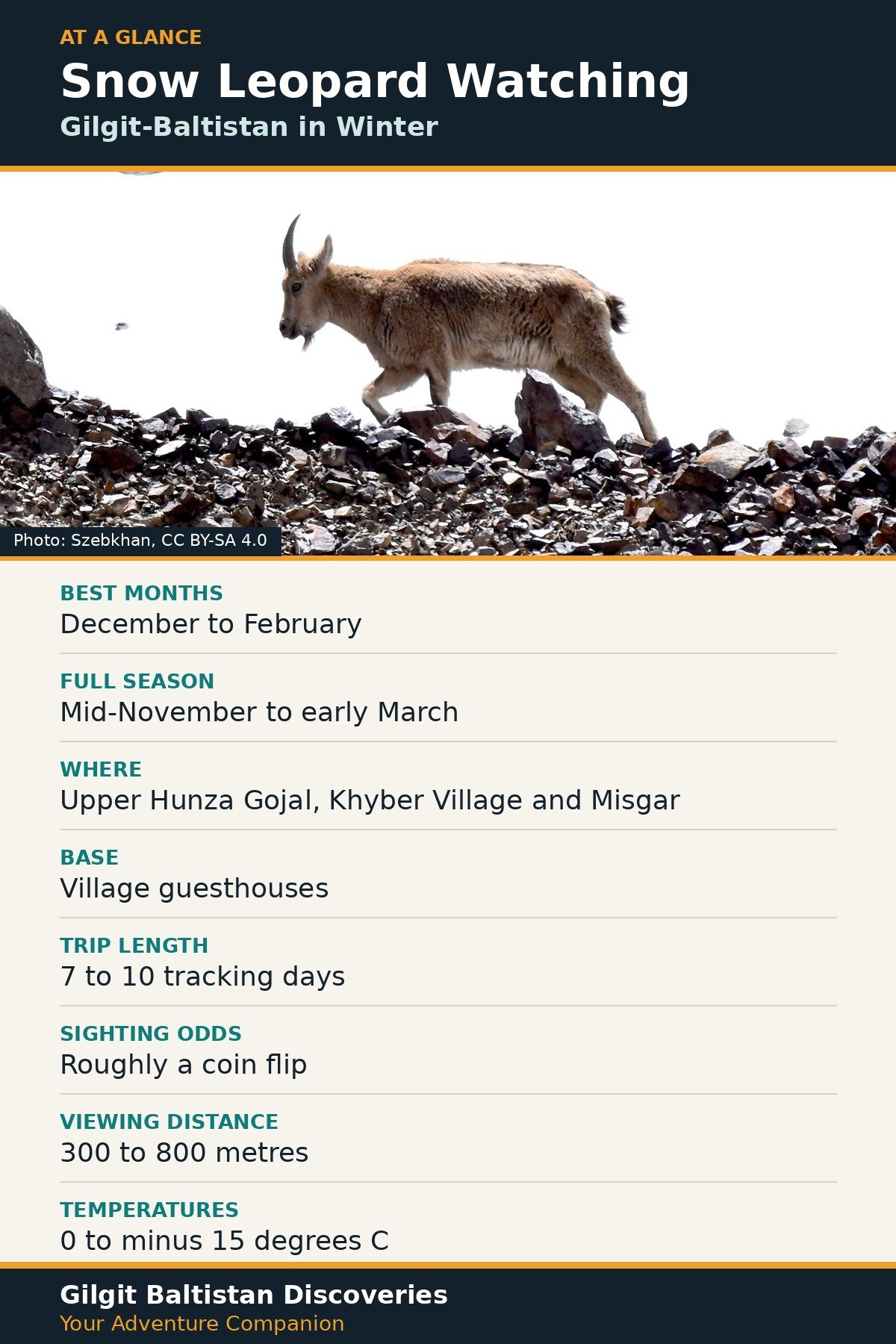
| Fact | Detail |
|---|---|
| Best months | December to February, January and February often best |
| Full season | Mid-November to early March |
| Where | Upper Hunza (Gojal): Khyber Village, Misgar, Koksar Valley, lower Khunjerab road |
| Base | Village guesthouses, not tents |
| Trip length | 7 to 10 days of tracking, inside 10 to 15 day itineraries |
| Sighting odds | Roughly a coin flip on a 7 to 9 day trip in a good season, never guaranteed |
| Viewing distance | Usually 300 to 800 metres, through spotting scopes |
| Temperatures while tracking | 0 to minus 15 degrees C |
| Population in Pakistan | About 155 to 167 snow leopards, about 80 percent in Gilgit-Baltistan |
| Global population | About 4,500 to 7,000 (IUCN, 2024) |
Why is winter the best time to see a snow leopard?
Winter changes the arithmetic of the hunt. As snow buries the high pastures, Himalayan ibex descend to lower altitudes, and the snow leopards follow them down to slopes that people can actually watch. The cats are also in their breeding season in winter, so they move more. Snow makes the tracking easier too, because fresh pugmarks, scrapes, and kill sites show up clearly, and the white ground throws the grey cat into relief, at least for a few seconds.
That is why every serious operator runs its snow leopard season in winter, not summer. The competitor guide we checked says there is no summer snow leopard tracking at all. That is wrong. Summer tracking does exist, in the Boibar and Shahkatar valleys, from mid-May to October. It is simply a poorer bet than winter, when the prey comes down and the cats come with it.
The numbers explain why winter matters so much. Pakistan’s first nationwide scientific census, run by the Snow Leopard Foundation, put the whole country’s population at about 155 to 167 snow leopards. Earlier estimates of 250 to 450 were guesses. The census used more than 828 camera traps at 65 locations between 2010 and 2019, plus a genetics study of more than 1,000 scat samples between 2017 and 2023. About 80 percent of those cats live in Gilgit-Baltistan. Worldwide, the IUCN estimated 4,500 to 7,000 snow leopards in 2024, across about 80,000 square kilometres of habitat in 12 countries.
Where exactly does winter tracking happen?
This is where the competitor guide is vague enough to mislead. It says tracking happens “in and around Khunjerab National Park” in December to February, and in the same guide it says the Khunjerab border crossing is shut for the season. Both cannot be the whole story, so here is the precise picture.
The Khunjerab Pass, at 4,693 metres, is closed to tourists roughly from December to March. Nobody tracks snow leopards at the pass in winter. The tracking happens lower down, in the valleys of upper Hunza (Gojal) and along the lower Khunjerab road, where the Karakoram Highway stays open year-round. Expeditions base in warm village guesthouses, not tents, and drive out each morning to known vantage points.
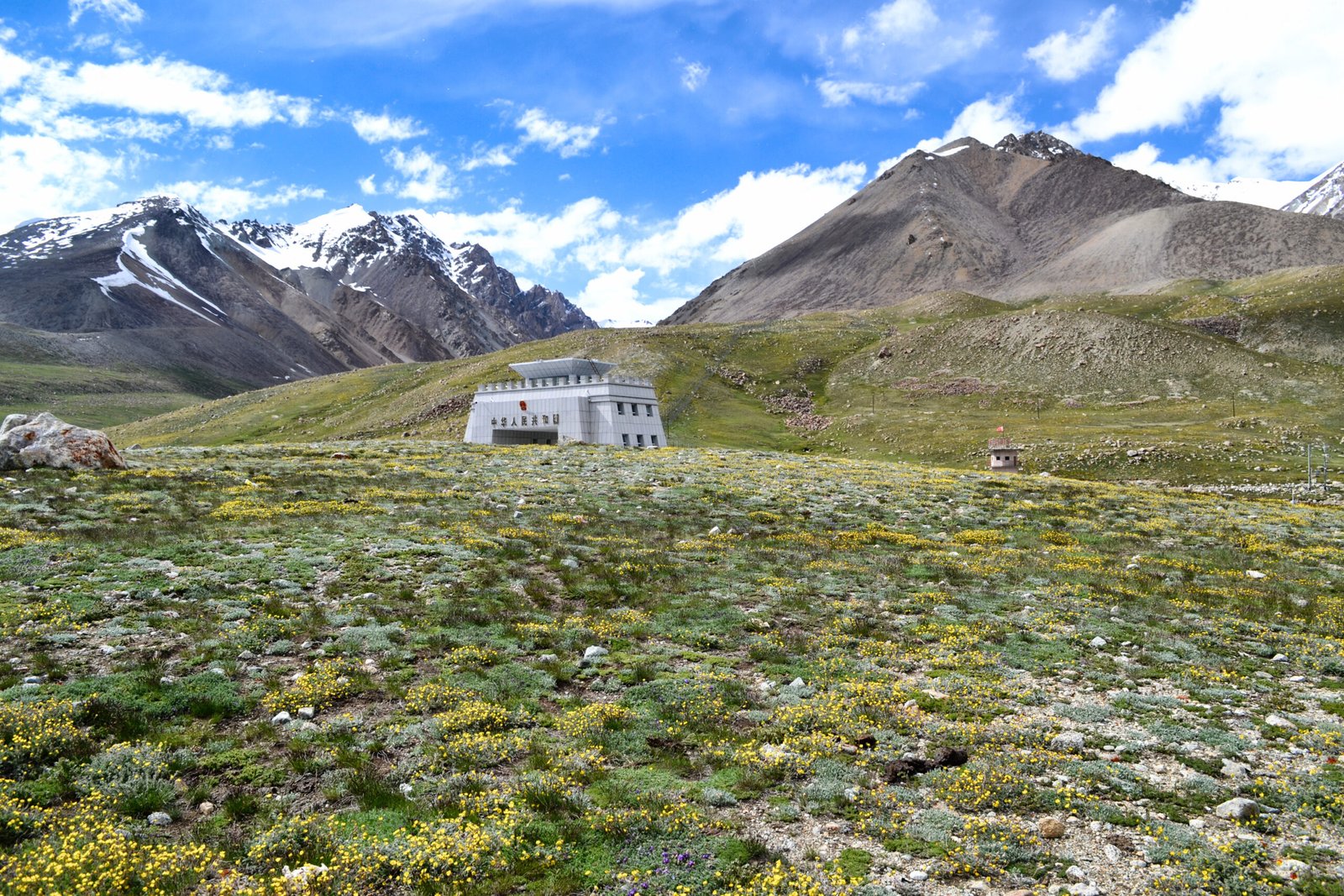
| Place | What happens there in winter | Access in winter |
|---|---|---|
| Khyber Village, upper Hunza | Main expedition base, a community known for living alongside snow leopards | KKH open year-round, guesthouse base |
| Misgar Valley, Gojal | Tracking valley on the road toward the national park, high livestock losses to leopards recorded here | KKH to Sost, then the Misgar road, conditions permitting |
| Koksar Valley, Khunjerab National Park | Tracking inside the lower park, with a chance of Himalayan wolf as well | Lower park valleys reachable, the pass itself closed |
| Lower Khunjerab road | Spotters glass the cliffs from roadside vantage points at dawn and dusk | KKH open, weather permitting |
| Hopper and Hispar, Nagar | Snow leopard habitat, named by several sources | No established operator base verified here, see the note below |
A note on Hopper and Hispar is owed. They are real snow leopard habitat, and the competitor names them. But no operator base or tracking programme there could be verified from a real source, and a resident of Hisper told Dawn in October 2026 that his valley lacked a dedicated conservancy or protection plan. Treat Hopper and Hispar as habitat to know about, not as a place to book a tracking trip. The established winter base is Gojal.
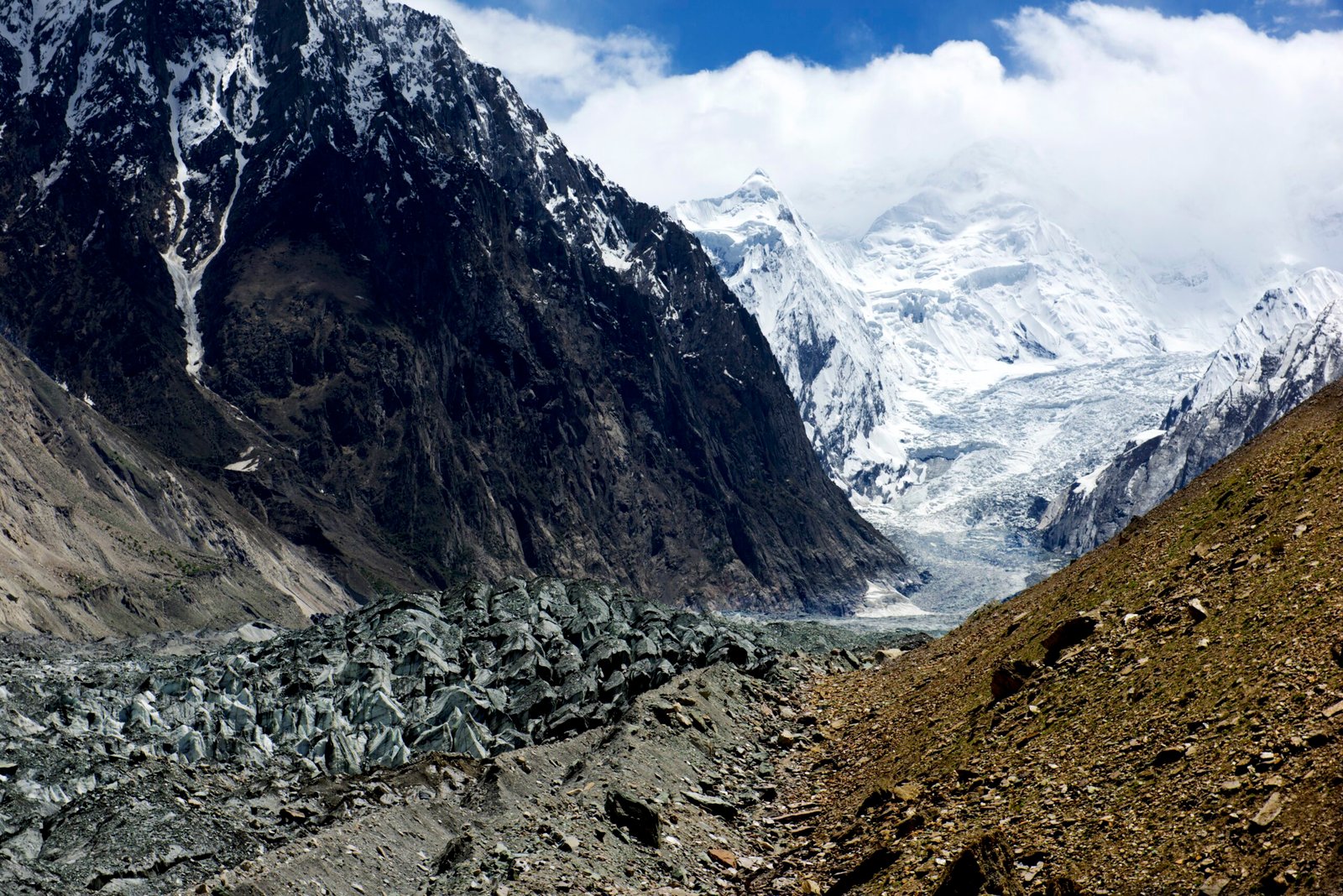
What are your real chances of seeing one?
On a dedicated 7 to 9 day winter expedition with experienced spotters, in a good season, your chance is roughly a coin flip. That is the honest figure, and it comes from the competitor’s own answer page, which is more careful than its winter guide. Tracks, ibex herds, and raptors are near-certain. The cat itself is earned.
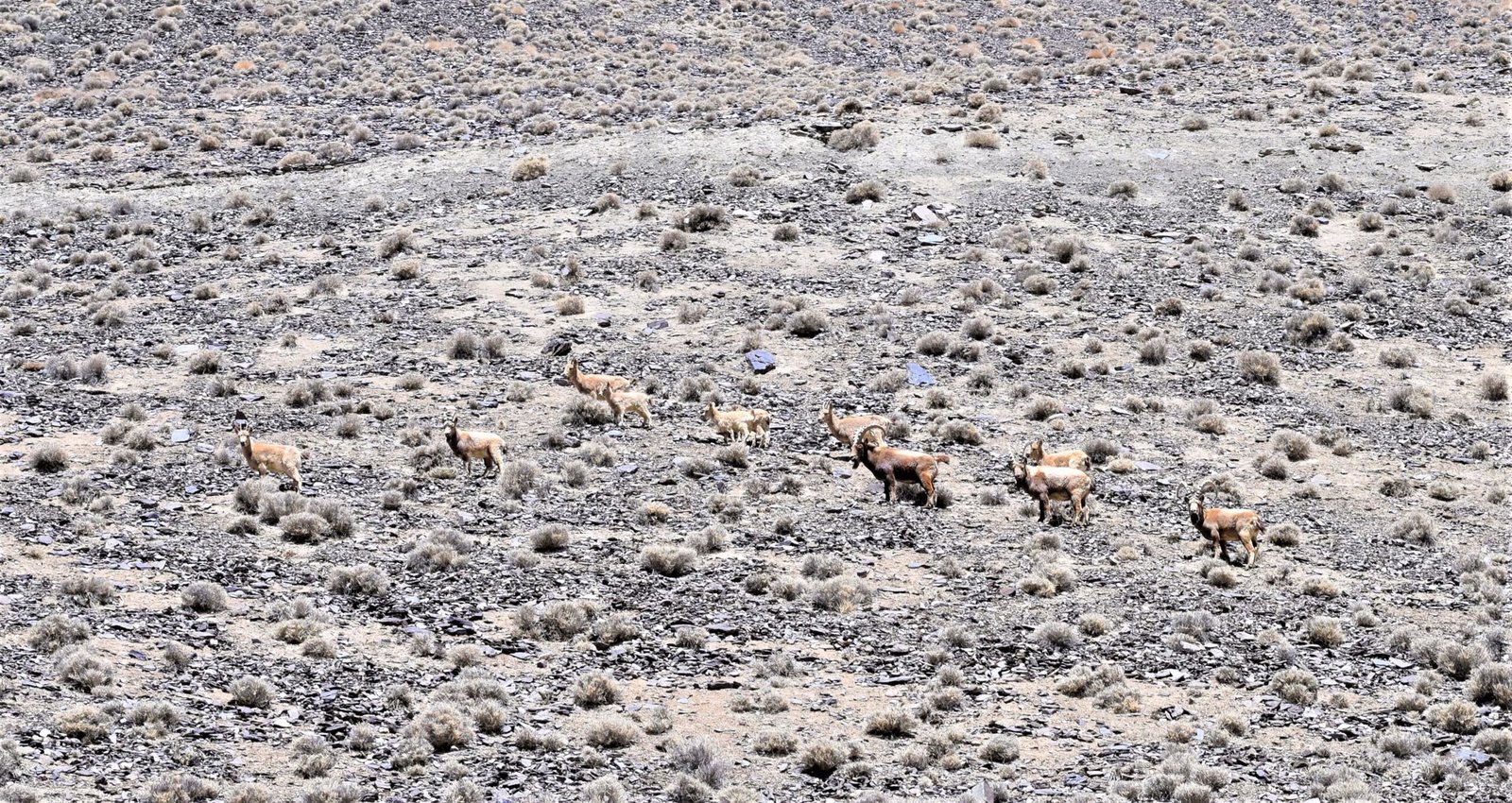
Here is how a sighting actually happens. Local spotters, village men who have read these slopes since childhood, glass the cliffs at dawn and dusk from known vantage points, watching the ibex. When a cat is found, guests watch through spotting scopes, usually at 300 to 800 metres, close enough to fill a big lens and far enough to leave the cat undisturbed. A typical week brings daily ibex herds, fox and golden eagles, fresh pugmarks once or twice, and, for patient groups in a good winter, about forty seconds of grey smoke on a ridgeline.
Treat any promise of a sighting with suspicion. One operator advertises an 80 to 100 percent sighting rate on social media. That is marketing, not a fact. No honest operator guarantees a wild snow leopard. If a booking depends on a promised sighting, walk away.
What does a snow leopard expedition look like, day by day?
A typical itinerary runs 10 to 15 days, with 7 to 10 days of actual tracking. One operator’s published sample plan is 12 days, with 8 full tracking days based in a village in upper Hunza.
Day 1 to 2 is arrival and travel: fly to Islamabad, then fly or drive to Gilgit, then drive the Karakoram Highway to Gojal. Build in buffer days, because winter flights to Gilgit are often delayed or cancelled, and the road can close briefly after snow. Day 3 to 10 is the tracking routine: up before dawn, drive to a vantage point, glass the slopes with the spotters, scan for ibex herds, pugmarks, scrapes, and recent kill sites, then repeat at dusk. Midday is for rest, warming up, and reviewing camera trap images with the team. The last days are the return journey, with the same buffer built in.
Temperatures while tracking run from 0 to minus 15 degrees C, and guesthouse heating can be limited, so the cold is the real challenge of the trip, not the walking. Most of the day is spent sitting or standing still at a viewpoint, which is colder than hiking.
How fit do you need to be, and what should you pack?
You do not need to be a mountaineer. You need to be able to sit still for hours in the cold, walk short distances on snowy ground, and handle altitudes around 2,400 to 3,000 metres at the village bases, with viewpoints at similar heights. That is high enough for altitude sickness to matter, so ascend gradually, drink water, and know the warning signs.
Pack for the cold, not for the climb. Heavyweight thermal base layers, a thick fleece or wool mid-layer, a serious down jacket, and a windproof shell. Insulated waterproof boots with room for thick socks, a warm hat, a buff, lined gloves with liner gloves beneath, and microspikes for icy village lanes. A four-season sleeping bag liner boosts guesthouse bedding, a hot-water bottle helps at night, and a headlamp is essential during power cuts.
Cold murders batteries, so bring twice the power bank capacity you think you need and keep it warm inside your jacket. A reliable power bank is the one piece of kit worth buying before you go: the Anker PowerCore is the model our packing guides recommend for northern Pakistan. As an Amazon Associate, we earn from qualifying purchases made through links on this site.
How does your trip help snow leopards and local villages?
This is the part the competitor guide gestures at without naming a single programme. The names matter, because they are what your money supports.
The Snow Leopard Foundation Pakistan runs the science: camera trap monitoring networks, GPS satellite collaring, and the spatial capture-recapture census that produced the 155 to 167 figure. It also employs community wildlife guardians who maintain the camera traps.
WWF-Pakistan works on the conflict side. With the Lahore University of Management Sciences, it has deployed AI-powered camera traps at known depredation sites in Gilgit-Baltistan, 10 cameras across three villages, which detect a snow leopard and warn villagers by text message to move their livestock. It also backs community livestock insurance schemes, pioneered in Baltistan and Chitral, where Village Insurance Committees collect monthly premiums of PKR 30 per adult yak and PKR 50 per calf, so herders can recover losses without killing the cat.
The village model is the Community-Controlled Hunting Area and Village Conservation Committee system, in which communities protect wildlife and keep most of the income it generates. Under the trophy hunting programme, 80 percent of permit revenue goes to the community and 20 percent to the government. That same logic is what tracking tourism is meant to extend to snow leopards: a live cat that brings in visitors is worth more than a dead one.
The need is real. One 2025 study estimated that 23 to 53 snow leopards are killed illegally in Pakistan each year. In Misgar alone, 45.8 percent of livestock losses between 2014 and 2019 were attributed to snow leopards. Insurance, corrals, guardians, and tracking income are the practical answers to those numbers, and a well-run tracking trip funds all of them.
How do you plan and book a trip?
Start with the dates. The tracking season runs from mid-November to early March, with December to February prime and January to February often best. Book early, because the best spotters work with a small number of groups each winter.
Book through a specialist operator with local spotters in Gojal, not through a general tour seller. Indus Caravan, for example, bases its tracking at Khyber Village in upper Hunza and runs consecutive tracking operations through January and February. Ask any operator three questions before you pay: who are the local spotters, how many full tracking days are included, and what happens if no cat is seen. If the answer to the third question is a promised sighting, do not book.
No fixed public price for a snow leopard expedition could be verified, so none is stated here. Operators quote per trip, and the price depends on group size, days, and what is included. Treat any price that looks like a day-trip rate with suspicion, because a real expedition is a week or more.
Getting there is the same as any Hunza winter trip. Fly Islamabad to Gilgit, or drive the Karakoram Highway, then drive on to Gojal. Confirm the current Khunjerab National Park entry fee with your operator before you travel, because published figures differ. Keep at least two buffer days around your flights.
What else will you see while you wait?
A snow leopard week is a wildlife week, not a single-species stakeout. Himalayan ibex herds are daily, and they are the reason the cats are there. Blue sheep, or bharal, graze the higher slopes. Golden eagles work the ridgelines, red foxes cross the snow, and there is a real chance of Himalayan wolf on an excursion into Khunjerab National Park. Fresh pugmarks, scrapes, and old kill sites are near-certain finds, and they teach you to read the mountain the way the spotters do.
Is snow leopard watching safe?
Yes, with a guide, and the risk is not the cat. Snow leopards avoid people, and all viewing happens at hundreds of metres through a scope. The real risks are the cold, the altitude, and winter roads, which is why you travel with experienced local drivers, keep buffer days, and follow your guide’s instructions. Read our safety guide before you go.
What should you never do on a tracking trip?
Never bait, call, or approach a snow leopard on foot. Never use flash photography, and never fly a drone near wildlife. Stay at the distance your spotter sets, usually hundreds of metres, and keep your voice down at viewpoints. Do not photograph villagers, homes, or livestock without asking, and respect that the AI camera trap project in these villages only works because residents consented to it. The cat owes you nothing, and a trip that pressures it is a trip that harms the very animal you came to see.
Mid-November to early March, with December to February prime and January to February often best. Ibex descend to lower slopes in winter and the cats follow them down, which puts them where spotters can watch them at dawn and dusk.
In village guesthouses in upper Hunza (Gojal), mainly around Khyber Village and Misgar, with tracking in Koksar Valley and along the lower Khunjerab road. The Khunjerab Pass itself is closed to tourists in winter and is not a tracking site.
Roughly a coin flip on a dedicated 7 to 9 day expedition in a good season. Tracks, ibex herds, and golden eagles are near-certain, but the cat itself is never guaranteed. Treat any operator promising a sighting as marketing, not fact.
About 155 to 167, according to the Snow Leopard Foundation’s first nationwide scientific census, using camera traps and genetics. About 80 percent live in Gilgit-Baltistan, which holds Pakistan’s largest snow leopard habitat. Worldwide, the IUCN estimated 4,500 to 7,000 in 2024.
No fixed public price could be verified, so none is stated here. Operators quote per trip, depending on group size, days, and inclusions. Expect a multi-day expedition price, not a day-trip rate, and confirm exactly how many full tracking days are included before paying.
Yes, with a guide. Snow leopards avoid people and viewing happens at hundreds of metres through a scope. The real risks are cold, altitude, and winter roads, so travel with experienced local drivers, keep buffer days, and follow your guide’s instructions.