Last updated: 12 November 2026
Short Answer
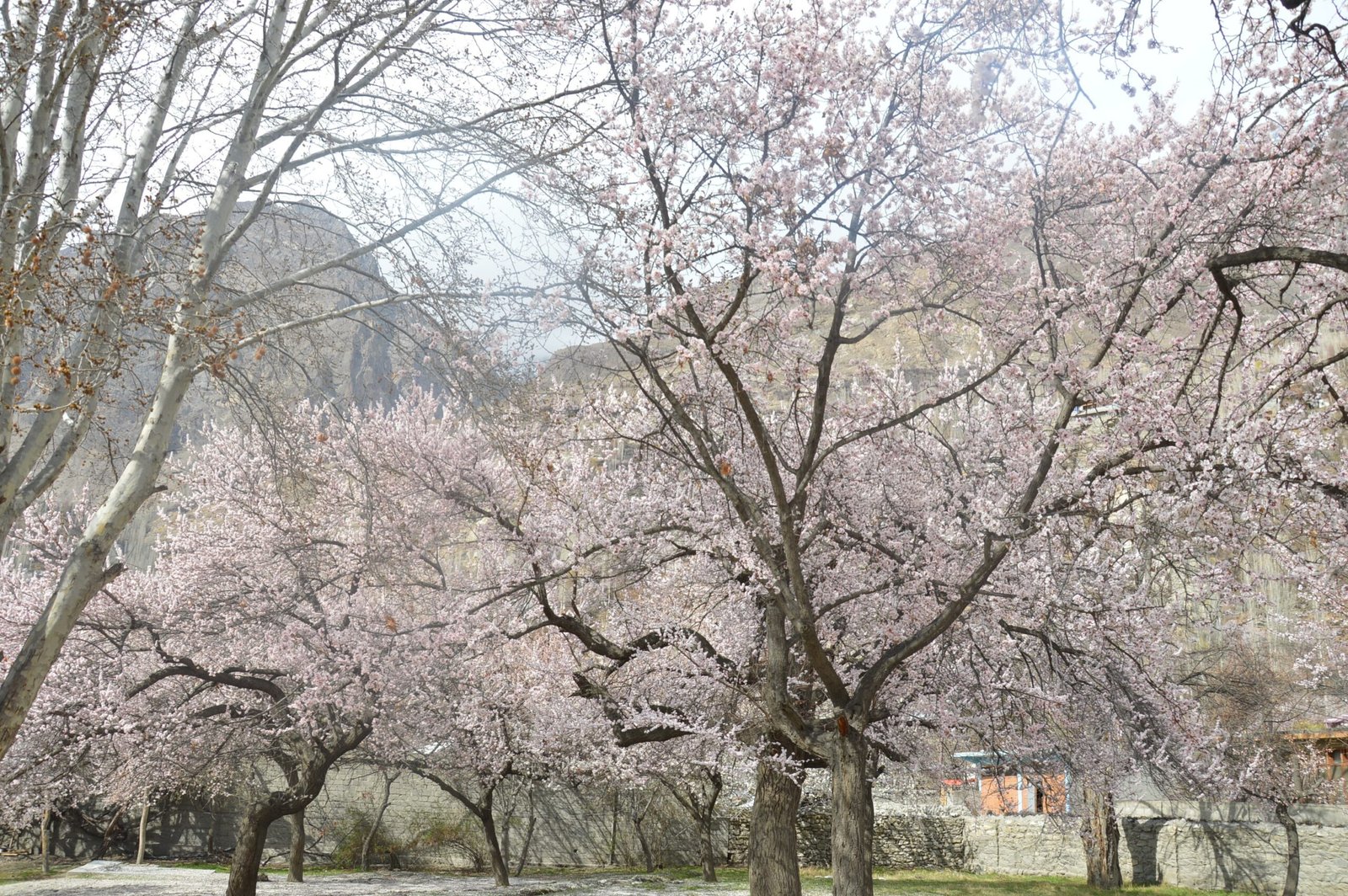
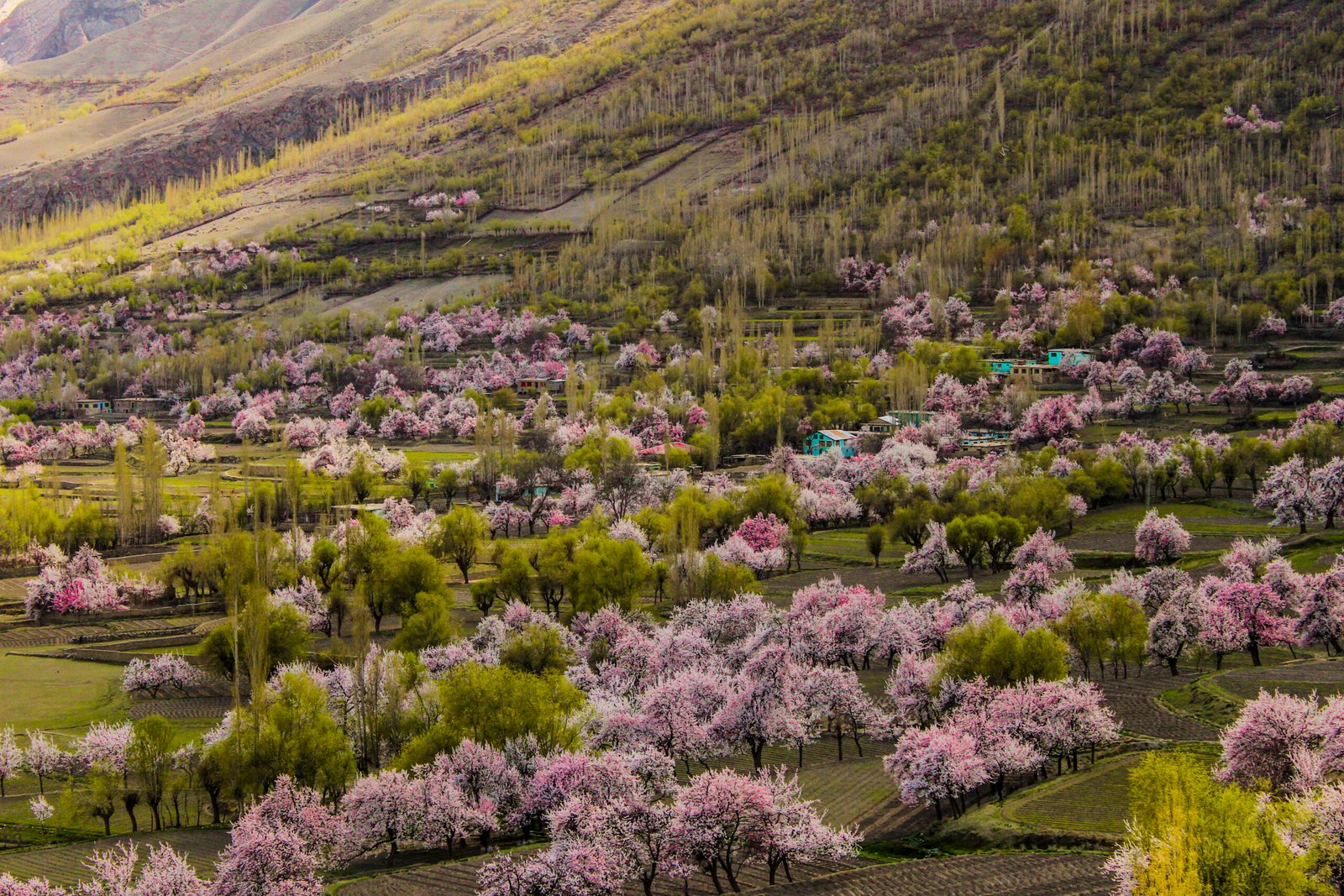
Jashn-e-Baharan is a season-long spring blossom celebration in Hunza and Nagar, running from mid-March to late April. It is not one fixed ceremony or a single day. Orchards fill with apricot and cherry blossom, villages hold cultural shows, handicraft stalls and food stalls open, and photographers arrive from across Pakistan. The one fixed date inside the season is Navroz on 21 March. For most visitors, the best window is late March to mid-April, when lower Hunza and Nagar are in full bloom. Bloom shifts by 1 to 3 weeks with winter snowfall and cold snaps, so confirm locally before you book.
What is Jashn-e-Baharan?
Jashn-e-Baharan means "spring festival", and in Gilgit-Baltistan it marks the end of winter and the start of the blossom season. Villages across Hunza and Nagar come alive with colour. People decorate streets and homes with local flowers, and locals take part in races, musical performances and folk dances.
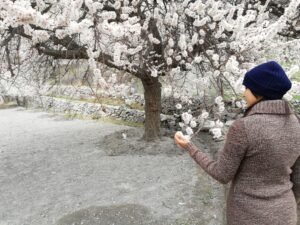
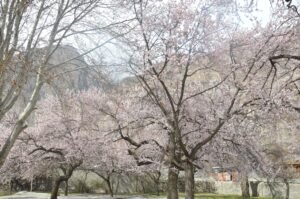
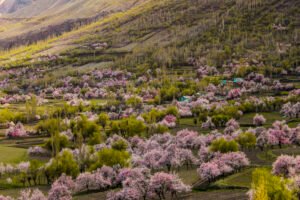
The celebration is tied to the orchards, not to a stage. Cherry, apricot, almond, peach, plum and apple trees bloom in a slow wave that follows altitude. Lower valleys open first, higher villages follow. That is why the festival has no single opening day. It is the whole season, and the events move with the bloom.
Jashn-e-Baharan is also a working season, not only a show. Families prune and tend orchards, elders and schoolchildren plant saplings, and the blossom marks the start of a new agricultural cycle. For travellers, that is the point. You are not watching a performance put on for tourists. You are visiting at the time of year when these valleys celebrate their own spring.
For the wider picture of blossom across the region, read our Spring Blossom in Gilgit-Baltistan pillar guide.
When is Jashn-e-Baharan in 2027?
The season runs from mid-March to late April 2027, timed to apricot and cherry blossom. There is no single fixed date, and no organiser publishes one ticket or one opening ceremony. The dates below are reported typical ranges. Confirm locally before you travel, because bloom can shift by 1 to 3 weeks.
| Zone | Typical bloom window |
|---|---|
| Lower Hunza (Karimabad, Aliabad, Altit) | Mid-March to early April |
| Central Hunza (Ganish, Duikar) | Late March to early April |
| Nagar (Minapin, Hoper) | Late March to mid-April |
| Upper Hunza and Gojal (Gulmit, Ghulkin, Passu) | 7 to 20 April |
| Sweet spot for most visitors | Late March to mid-April |
Peak bloom at each altitude lasts only 2 to 3 weeks before petals begin to fall. That short window is why the last 10 days of March are the safest single bet for lower Hunza, while early to mid-April suits Nagar and upper Hunza better. If you want both, plan a trip that starts in lower Hunza in late March and moves up the valley in April.
Our Best Time to See Cherry Blossom in Gilgit-Baltistan guide breaks the same calendar down zone by zone.
Where does the festival happen in Hunza?
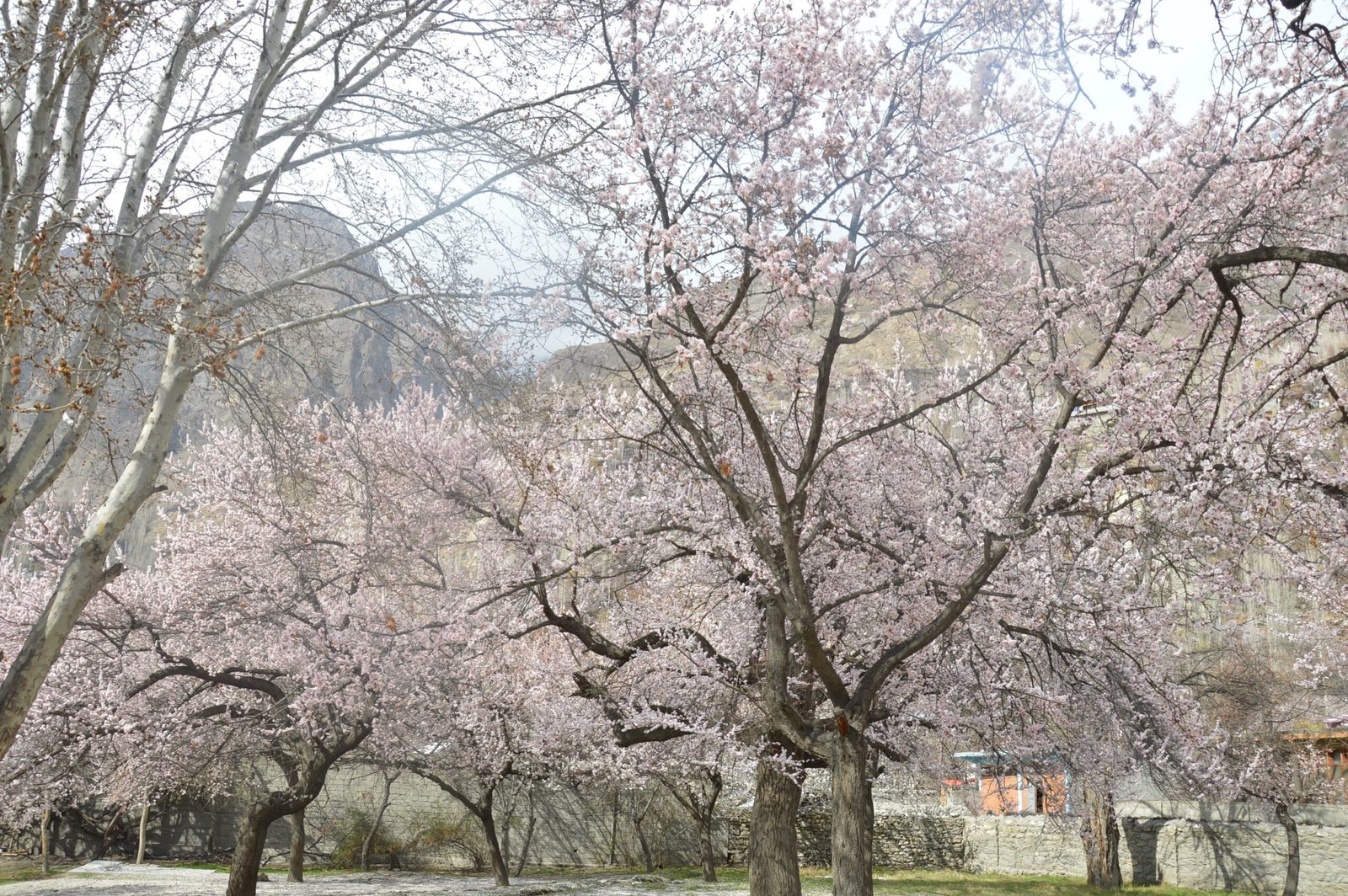
Hunza is where the season is most visible, because the valley holds the largest orchards and the most visited villages. Karimabad is the centre. The old capital sits below Baltit Fort, and its lanes and orchards fill with pink and white blossom from mid-March. Altit village, a short drive away, pairs blossom with Altit Fort, one of the best viewpoints in the valley.
Aliabad and Ganish bloom on the same early schedule as Karimabad. Duikar, known as Eagle’s Nest, sits higher and gives the wide view across the valley, blossom below and snow peaks above. Upper Hunza and Gojal bloom later, from 7 to 20 April, so Gulmit, Ghulkin and Passu suit travellers who arrive in mid-April.
The main public gathering of the season is Navroz on 21 March at Karimabad Polo Ground, with prayers, music, polo and food. It falls inside Jashn-e-Baharan, but it is a separate single day. See the Navroz section below.
Read our Cherry Blossom in Hunza Valley guide for the best spots, and our Karimabad guide for the old capital itself.
Where does the festival happen in Nagar?
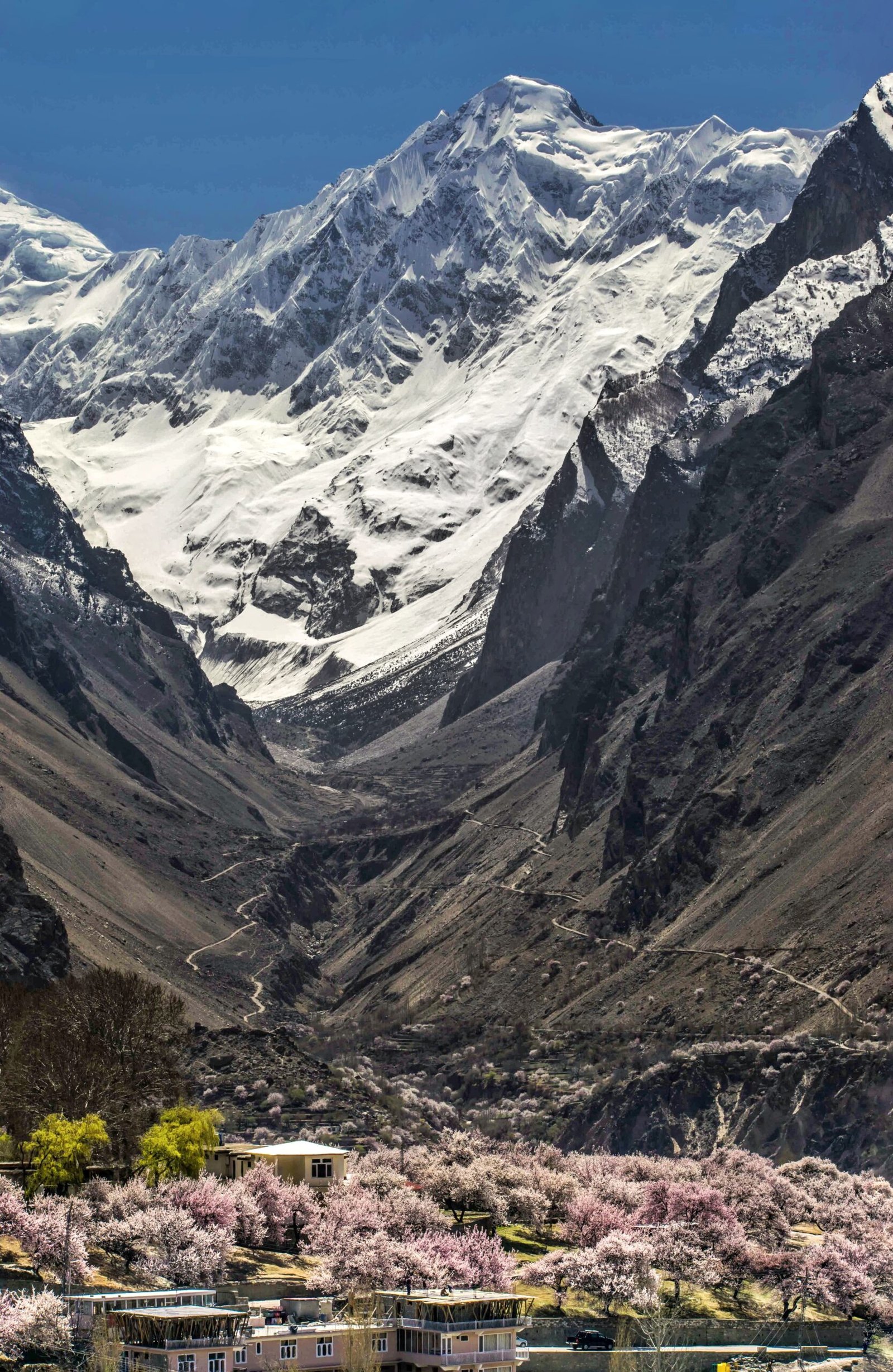
Nagar is the quieter half of the season, and that is its appeal. Nagar sits across the Hunza River from Hunza, a separate district with its own villages, forts and orchards. Its apricot blossom runs from late March to mid-April, with the Rakaposhi massif rising behind the orchards.
Minapin is the best-known blossom village in Nagar, set below Rakaposhi and close to the Rakaposhi viewpoint on the Karakoram Highway. Hoper Valley, further up the Nagar Valley, blooms on a similar schedule and pairs blossom with glaciers and quiet villages. Ghulmet village holds the Rakaposhi viewpoint, often called Zero Point, where blossom frames the mountain.
Nagar also celebrates Navroz on 21 March, in its own villages, and its cultural shows and stalls run through the same season as Hunza. Travellers who base themselves in Karimabad can cross to Nagar for a day, but the valley deserves at least one overnight stay in season.
Read our Apricot Blossom in Nagar Valley guide and our Hoper Valley guide before you plan the Nagar side.
What can you see and do during the festival season?
Jashn-e-Baharan is a mix of nature and culture, and the best days combine both. Here is what the season typically includes across Hunza and Nagar.
- Flower exhibitions and orchard walks. Villages decorate streets, homes and gathering areas with local flowers. Orchard lanes in Karimabad, Altit, Minapin and Hoper are the heart of the season.
- Tree plantation drives. Elders and schoolchildren plant saplings, a tradition tied to the new agricultural cycle.
- Traditional dances and music. Men perform Alghani and Thumak dances in rhythmic circles to long drums and flutes. Folk songs and music run through village gatherings.
- Polo matches. Local teams play polo, a sport with royal heritage in the region, and matches are part of the spring gatherings.
- Archery and traditional sports. Archery and local sports competitions feature in the season’s events.
- Handicraft stalls. Local artisans sell handicrafts, and stalls also carry dry fruits and local produce.
- Food stalls. Local food stalls open through the season, and village kitchens serve spring dishes.
- Photography. The season is the peak window for blossom photography, with pink and white orchards set against snow peaks.
There is no single programme to book. Events are village led and announced locally, so ask your hotel or guesthouse on arrival what is happening that week. Our Gilgit-Baltistan Festival Calendar places Jashn-e-Baharan alongside the region’s other festivals.
How is Jashn-e-Baharan different from Navroz?
Travellers often mix the two up, and some sources even use the names as if they were the same festival. They are not. Navroz is one day inside the Jashn-e-Baharan season.
| Jashn-e-Baharan | Navroz | |
|---|---|---|
| What it is | A season-long spring blossom celebration | A single day, the Persian New Year |
| When | Mid-March to late April | 21 March, fixed |
| Where | Hunza and Nagar valleys | Hunza and Nagar, main gathering at Karimabad Polo Ground |
| What happens | Orchards in bloom, cultural shows, stalls, photography | Prayers, music, polo, food, streets decorated with blossom branches |
| Who celebrates | Villages across Hunza and Nagar | Ismaili community, with visitors welcome at public gatherings |
Navroz marks the Persian New Year and the arrival of spring. It falls near the start of the blossom season, which is why the two are linked. If you are in Hunza on 21 March, you will see Navroz. If you visit any time from mid-March to late April, you will see Jashn-e-Baharan. Our Navroz in Hunza and Nagar guide covers the 21 March festival in full.
How do you plan a trip around the blossom season?
Book early, and build your dates around bloom, not around a single event. Hotels and guesthouses in Karimabad, Altit and Duikar fill up in blossom season, so reserve weeks ahead. Our Where to Stay in Hunza During Blossom Season guide covers Karimabad, Duikar, Aliabad and Gojal.
Getting there in spring needs care. The Karakoram Highway from Islamabad runs year round, weather permitting, through Besham and Chilas to Gilgit and Hunza. Flights to Gilgit also run, weather permitting. The Babusar Pass route stays closed in winter and spring, it closed on 11 October 2026 and reopening is expected around June 2027, so do not plan a spring trip through Babusar or Naran. Keep one spare day in your plan for weather delays on the road or in the air.
A good shape for a first trip is 5 days in Hunza, with a day in Nagar. Our Hunza Cherry Blossom Tour: A 5-Day Itinerary for Spring 2027 lays out that shape day by day. If you want the whole trip planned around the season, plan your trip with Explore Nagar Travels and ask for a blossom season itinerary in Hunza and Nagar.
What should you pack and how do you photograph the blossom?
Spring in the valleys is mild in the day and cold at night. Daytime temperatures in the valleys run about 10C to 20C in spring, with colder mornings and evenings, so pack layers. A warm jacket, a fleece, sun protection and sturdy walking shoes cover most days. Our What to Pack for Spring in Gilgit-Baltistan guide has the full list.
For photography, the best light is early morning and late afternoon, when low sun warms the blossom and the snow peaks glow. A portable charger keeps your phone alive through long photo walks in the orchards. The Anker PowerCore 10000mAh portable charger is a light option for a day out. As an Amazon Associate, Gilgit Baltistan Discoveries earns from qualifying purchases made through links on this page.
Photography etiquette matters more than gear. Ask before photographing people, especially in villages. Do not pick blossom branches or climb trees for a shot. Stay on paths and out of orchards unless the owner invites you in. Our Photographing Cherry Blossom in Hunza guide covers spots, light and etiquette in detail.
What should you know before you go?
- Confirm locally. Bloom shifts 1 to 3 weeks with the weather. Check with your hotel or a local operator a week before you travel.
- There is no single ticket or venue. Jashn-e-Baharan is a season, not a gated event. Do not pay anyone for a festival ticket.
- Respect village life. Blossom season is also farming season. Orchards are private land and workplaces, not photo studios.
- Book stays early. Blossom season is the busiest spring window in Hunza, and the best rooms go first.
- Mind the altitude change. Bloom follows altitude, so a trip that moves from Karimabad up to Gojal over several days sees more of the season than a trip that stays in one place.
- Ginani is not blossom. Ginani, the harvest festival, falls on 21 June and celebrates the wheat and barley harvest. Do not confuse it with the spring season.
FAQs
When is Jashn-e-Baharan in Hunza and Nagar?
Jashn-e-Baharan runs from mid-March to late April in Hunza and Nagar. Lower Hunza blooms first, from mid-March to early April, while Nagar blooms from late March to mid-April and upper Hunza follows from 7 to 20 April. The best window for most visitors is late March to mid-April, when the most ground is in bloom.
Is Jashn-e-Baharan a one-day festival?
No, Jashn-e-Baharan is a season-long celebration, not a one-day festival. It covers the whole blossom season from mid-March to late April, with orchards in bloom, cultural shows, handicraft stalls and food stalls across Hunza and Nagar. The one fixed day inside the season is Navroz on 21 March, which is a separate single-day celebration.
What is the best week to visit for blossom and festival events?
For most visitors, the last 10 days of March are the safest bet, because lower Hunza and Karimabad are in full bloom then and Navroz falls on 21 March. For Nagar and upper Hunza as well, come in early to mid-April, when Nagar is at its best and Gojal starts to bloom.
Where should I stay during Jashn-e-Baharan?
Base yourself in Karimabad for lower Hunza, with Altit and Duikar as close alternatives for quieter stays and wide views. For Nagar, stay a night in Minapin or Hoper rather than trying to see it as a day trip. Book weeks ahead, because blossom season is the busiest spring window and the best rooms in Karimabad and Duikar go first.
Can I attend Navroz during Jashn-e-Baharan?
Yes, Navroz falls on 21 March inside the Jashn-e-Baharan season, and its main public gathering is at Karimabad Polo Ground in Hunza, with prayers, music, polo and food. Nagar also celebrates Navroz in its own villages. Public gatherings welcome visitors, but prayers and community events deserve respect, so follow local guidance on where to stand and what to photograph.
Do I need tickets or bookings for Jashn-e-Baharan?
No, there are no tickets for Jashn-e-Baharan, because it is a season, not a gated event. Village gatherings, stalls and orchard walks are open, and you should not pay anyone for a festival ticket. What you do need to book is your stay, your transport and a guide, because blossom season is busy and the best rooms go early.